

Blog Post:
Vacuum storage bags are a must-have for anyone looking to maximize storage space and protect their items from dust, pests, and moisture. Whether you live in a small apartment, need to organize seasonal bedding, or want to pack efficiently for travel, vacuum storage bags offer a practical solution for decluttering and safeguarding your belongings.
Key Takeaways
- Vacuum storage bags compress bulky items by removing air, saving substantial storage space compared to traditional storage methods.
- Material type and proper use are critical for minimizing environmental impact and ensuring long-term protection of stored items.
- User complaints often center on air leaks and long-term bag durability; understanding product types and maintenance helps mitigate these issues.
- What Are Vacuum Storage Bags and Why Use Them?
- How to Use Vacuum Storage Bags: Step-by-Step Guide
- Advanced Analysis & Common Pitfalls
- Conclusion
- FAQ
What Are Vacuum Storage Bags and Why Use Them?
Vacuum storage bags are airtight, durable pouches designed for compressing soft goods such as clothing, bedding, and seasonal items by removing excess air. The primary advantage is space savings: by extracting air, users can reduce item volume and make the most of limited storage space. Unlike regular storage bins or crates, vacuum storage bags also shield contents from moisture, dust, pests, and odors.

While exact percentages of space saved are not cited in industry reports for 2024-2025, it is clear from general experience and manufacturer claims that vacuum storage bags are much more efficient at compressing bulky textiles than traditional folding and stacking. Simple to use, affordable, and reusable, they solve storage headaches faced by apartment dwellers, travelers, and families with overflowing closets. As a bonus, by minimizing air exposure, these bags help preserve fabrics and reduce allergen build-up.
Multilayered or single-layer LDPE (Low-Density Polyethylene) bags are the most common types. Some brands also offer compostable options or reusable cloth bags for environmentally conscious consumers (source). If you’re trying to maximize space in your kitchen gadgets drawer or closet, vacuum storage bags deliver results without the need for expensive shelving or storage units.
How to Use Vacuum Storage Bags: Step-by-Step Guide
- Select the Right Bag: Choose a bag size appropriate for your contents (e.g., XL for winter coats, smaller for linens). Make sure the bag is compatible with your vacuum cleaner or comes with its own hand pump.
- Prepare Your Items: Wash and dry everything thoroughly. Even mild moisture can lead to mildew or odors after extended storage. Fold items to maximize space and stack them flat inside the bag.
- Pack the Bag: Place items into the bag, keeping them below the fill line. Avoid overfilling as this can prevent proper sealing and risk damaging the bag.
- Seal the Zipper: Use the clip provided, or your fingers, to firmly zip the bag closed. Double-check for a tight seal.
- Vacuum Out the Air: Attach the vacuum hose or hand pump to the valve and remove as much air as possible. The bag should visibly shrink around the contents.
- Store Properly: Place the compressed bag in a cool, dry area away from sharp objects or direct sunlight to preserve material integrity.
Vacuum storage bags are just as useful for travel as they are for home storage. Packing your suitcase with compressed bags allows you to fit more and keep dirty and clean clothes separated. For inspiration on other handy tools to simplify your travels, check out this guide to essential kitchen gadgets for apartment living.
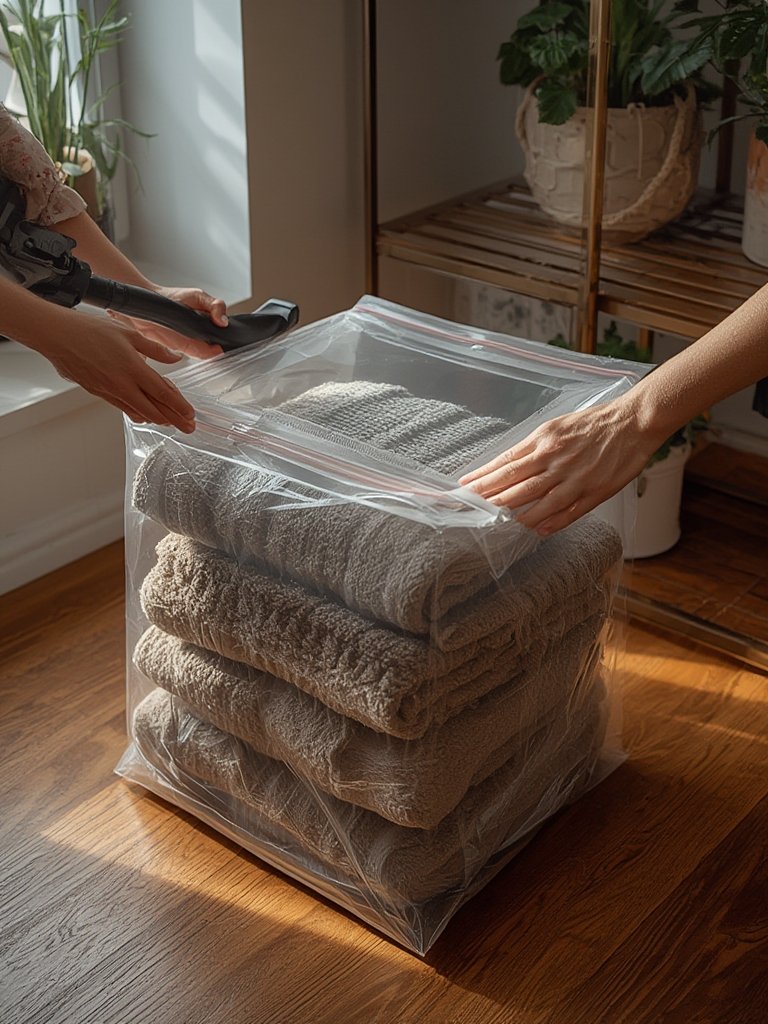
To ensure longer bag life, fully dry items before placing them in the bags and avoid cramming pointy objects like plastic hangers, which can cause micro-tears or punctures. Protect bags by storing them in luggage, bins, or on shelves, not on rough or uneven floors. If you’re a gadget lover eager to squeeze every centimeter out of your kitchen or closet, consider integrating these with drawer organizer inserts or other advanced kitchen tools for even more storage efficiency.
Advanced Analysis & Common Pitfalls
Vacuum storage bags perform well, but there are realistic drawbacks and challenges to consider. The most frequently reported user complaints (when mentioned) revolve around air leakage due to poor seals or punctures, and bag durability after several uses. It’s important to recognize that not all vacuum bags are created equal—some are constructed with multilayered composites for extra strength, while others use recyclable single-layer LDPE for easier disposal (source).
Below is a comparison of common bag materials and their sustainability features:
| Bag Type | Recyclable? | Compostable? | Key Concern |
|---|---|---|---|
| Multi-layer vacuum sealer bags | No | No | End up in landfill (details) |
| Single-layer LDPE vacuum sealer bags | Yes (if clean) | No | Must be clean; contamination risk |
| Compostable PLA bags | No | Yes (industrial) | Require certified composting facilities |
| Synthetic cloth vacuum bags | Varies | Limited | Less biodegradable |
Most recycling centers do not accept multi-layer or composite vacuum storage bags. LDPE bags can be recycled at plastic film drop-offs if cleaned and dried. PLA-based compostable bags are only compostable in industrial settings—not in home compost bins (learn more).
If minimizing environmental impact is your priority, opt for reusable bags or those made from recyclable LDPE plastics, and always clean bags thoroughly before recycling. For those interested in broader kitchen sustainability, pairing vacuum storage bags with glass food storage containers can further maximize preservation and reduce plastic reliance.
From a usability standpoint, these are the core pitfalls to avoid:
- Not properly sealing the zipper, which causes the bag to slowly re-inflate over days or weeks.
- Packing moist or dirty items, leading to undesirable odors or mold growth inside the sealed bag.
- Using the wrong vacuum attachment, which can tear or warp valve components.
- Using bags made from cheap, thin materials—these often tear easily and won’t hold a seal for long.
- Overpacking, leading to stress at seams and zippers, reducing the lifespan of your bags.
Notably, there is little credible research quantifying the exact percentage of storage space saved by vacuum storage bags. Still, many users experience visually dramatic space savings, validated by the ability to fit twice as much into the same container after air removal (source). Long-term storage presents another question; while vacuum sealing reduces exposure to dust and pests, tightly compacted fabrics can sometimes develop creases or “compressed” spots if left sealed for years. Switch out the bags every few months to help reduce this risk.

Conclusion
Vacuum storage bags are a straightforward and highly effective way to reclaim valuable storage space, keep your possessions in good condition, and limit clutter. While there are important pitfalls—such as bag failure from improper sealing, risk of puncture, and environmental concerns from plastic waste—these can be minimized with the right products and a bit of care. For those serious about organization and space optimization, integrating vacuum storage bags with your other storage tools will simplify your life and cut the clutter for good.
Get started today and see just how much space you can save—and explore more clever tips in our ultimate guide to trending kitchen gadgets.
FAQ
Do vacuum storage bags damage clothing or bedding over time?
Generally, vacuum storage bags protect fabrics from dust and pests without damage. However, extended compression may cause creases or reduce fluffiness in some materials. Rotate contents every few months to avoid long-term compression marks.
Are vacuum storage bags reusable, and how do I maintain them?
Most bags are reusable if properly cared for. Avoid overstuffing or exposing the bag to sharp objects. Wash, dry, and store bags away from direct heat or sunlight between uses for best longevity.
Can I recycle vacuum storage bags?
Single-layer LDPE vacuum storage bags are typically recyclable at plastic film drop-off centers if clean. Multi-layer or composite bags are not usually accepted by standard recycling facilities. Check your local recycling program for details.
How do I prevent air leaks in vacuum storage bags?
Be sure the zipper is fully sealed and the valve is clear of debris. Avoid overfilling, and periodically check bags for punctures or wear, especially if they’ve been reused multiple times.
What can I store in vacuum storage bags besides clothing?
Any soft goods such as comforters, pillows, towels, plush toys, and even some types of craft supplies can be safely stored. Do not use for sharp, heavy, or food items unless specifically rated for those uses.
—