

Under sink organization is a stubborn trouble spot in most kitchens and bathrooms. If you’ve ever opened your cabinet to a chaotic jumble of cleaners, bags, or a slow-creeping leak, you already know how tricky it is to maximize this often neglected space. In this comprehensive guide, you’ll find actionable solutions—even for small apartments, renters, and eco-conscious households—that actually work.
Key Takeaways
- Most homeowners overlook under sink organization, but small changes can dramatically improve storage and accessibility.
- Effective under sink solutions require planning for plumbing, moisture, and daily-use items, with special strategies for renters and small spaces.
- Eco-friendly materials, renter-friendly options, and compact solutions for tiny bathrooms are three crucial sub-topics most guides skip.
- What Is Under Sink Organization and Why Does It Matter?
- Step-by-Step Guide: How to Optimize Under Sink Storage
- Advanced Analysis & Common Pitfalls
- Conclusion
- Frequently Asked Questions
What Is Under Sink Organization and Why Does It Matter?
Under sink organization means transforming the often-cluttered cabinet below your kitchen or bathroom sink into a functional, efficient space. While home improvement surveys frequently highlight investments in cabinets, countertops, or backsplashes, almost none mention under sink storage as a top priority (source). Yet, a poorly managed under sink area can lead to wasted space, damaged items due to leaks, and daily frustration as you dig through cleaning supplies and extra sponges.
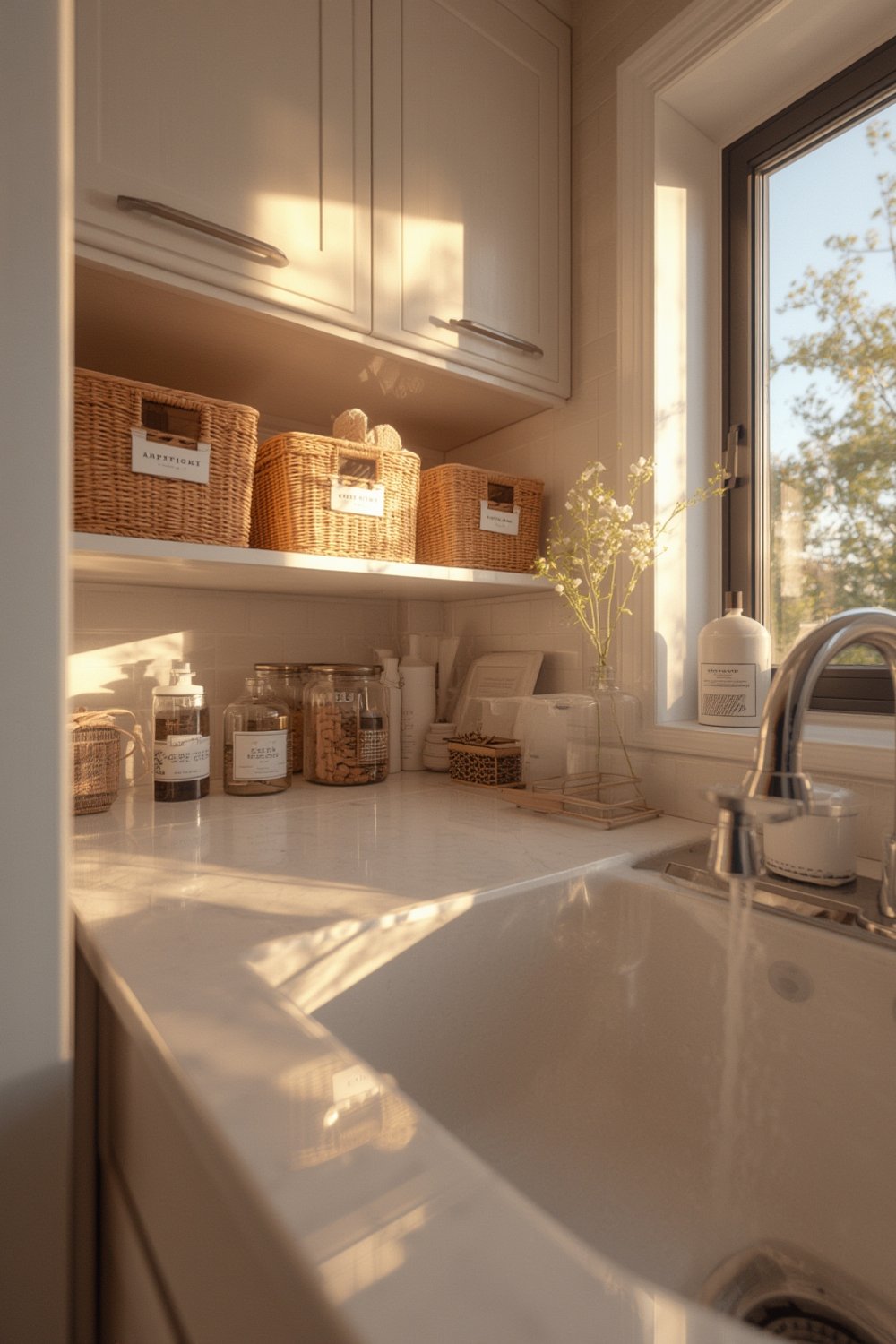
The benefits of organizing this cabinet are immediate: maximized storage, simpler cleaning routines, and less chance of costly water or mold damage. Just as kitchen organization ideas for small spaces (see tips) dramatically boost efficiency, under sink organization turns a problem area into hidden storage gold.
Step-by-Step Guide: How to Optimize Under Sink Storage
- Clear Everything Out. Empty the cabinet, sort items into keep, toss, or relocate. Scan for leaks or mold.
- Measure and Map the Cabinet. Note pipe placement, width, depth, and vertical space. Take a photo and jot down obstacles.
- Choose Fit-for-Purpose Organizers. Use tiered shelves, stackable bins, and sliding drawers. Pick organizers that accommodate plumbing. Explore under sink organizer options for space-saving ideas.
- Label and Group Items by Use. Store daily-use cleaners upfront and infrequent items at the back. Use waterproof caddies or baskets.
- Add Leak Protection. Line the cabinet base with a waterproof mat or tray. This prevents water damage and is easy to clean. For a sustainable option, try recycled silicone liners or reusable polypropylene bins.
- Leave Room for Flexibility. Choose renter-friendly, non-permanent storage solutions if you don’t own your home.
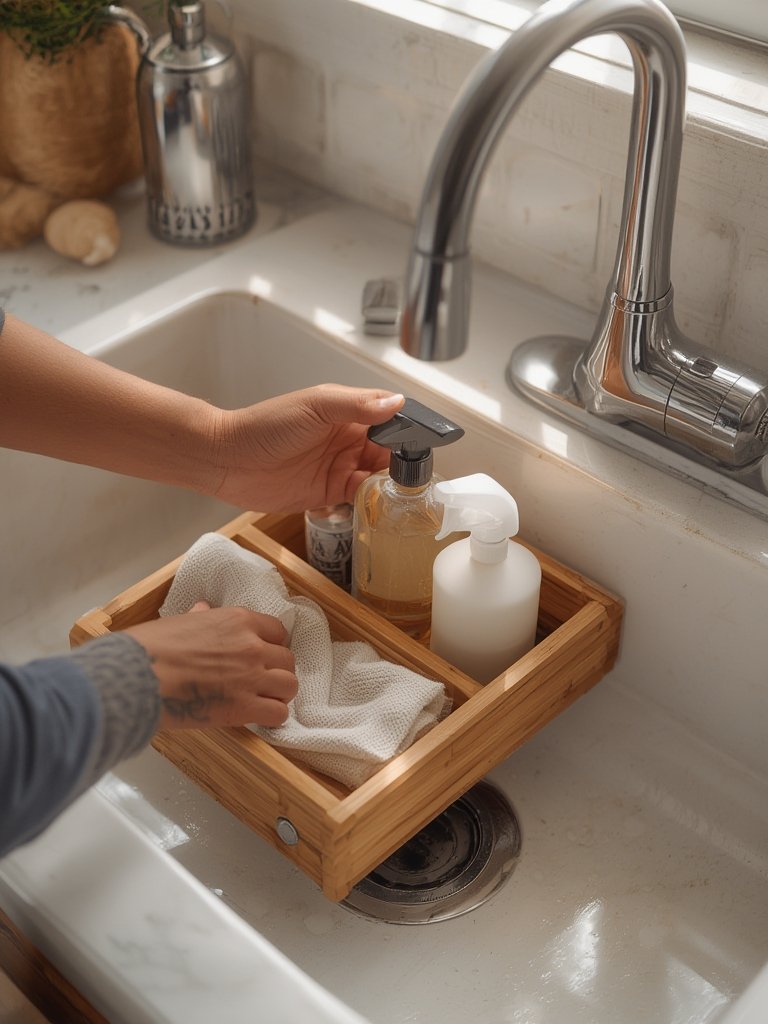
If space is extremely limited (in a tiny bathroom, for example), use stackable drawers or bins designed for narrow nooks. Compact organizer systems work especially well in small apartments with tight kitchens—some even double as space-saving kitchen gadgets.
Eco-conscious tip: Shop for organizers made from recycled plastic or sustainable bamboo (see sustainability trends). Silicone liners and bins are durable, easy to clean, and moisture-resistant.
For renters, always choose removable inserts, free-standing bins, or tension rods. Avoid screws or adhesive products that might damage the cabinet.
For even more kitchen organization hacks, check out these practical tips that extend beyond just under sink storage.
Advanced Analysis & Common Pitfalls
Despite the everyday struggle with under sink storage, most surveys don’t acknowledge it as a major challenge among homeowners (source). That’s a gap—so rely on practical, on-the-ground advice.
- Plumbing Obstacles: Fixed shelving or deep bins won’t work with central pipes, garbage disposals, or misaligned drains. Adjustable or modular storage is essential.
- Moisture Problems: Leaks are common. Unsealed wood or fabric bins will mold—opt for plastic, silicone, or wire racks for longevity.
- Overloading: Filling every inch leads to clutter. Leave open space for air circulation and easy cleaning.
- Lack of Flexibility: Fixed, built-in systems are risky for renters and limit future updates as needs change.
| Type of Solution | Pros | Cons | Rental-Friendly |
|---|---|---|---|
| Adjustable/Tiered Racks | Fits around pipes, maximizes vertical space | Higher cost, can wobble | Yes |
| Stackable Drawers | Modular, accessible | May be too tall for low pipes | Yes |
| Built-in Pull-Out Trays | Effortless access, custom fit | Expensive, often permanent | No |
| Simple Bins/Baskets | Low cost, flexible, easy to clean | Less efficient use of space | Yes |
Cost: While no recent research details specific prices, most off-the-shelf under sink organization products range from $10 to $50 USD per unit. DIY or custom options—like built-in sliding trays—can run $50 or more, plus installation. Free-standing bins and shelf risers are the lowest cost, renter safe, and the easiest to swap out. For more on maximizing space across your kitchen, see these organization ideas.
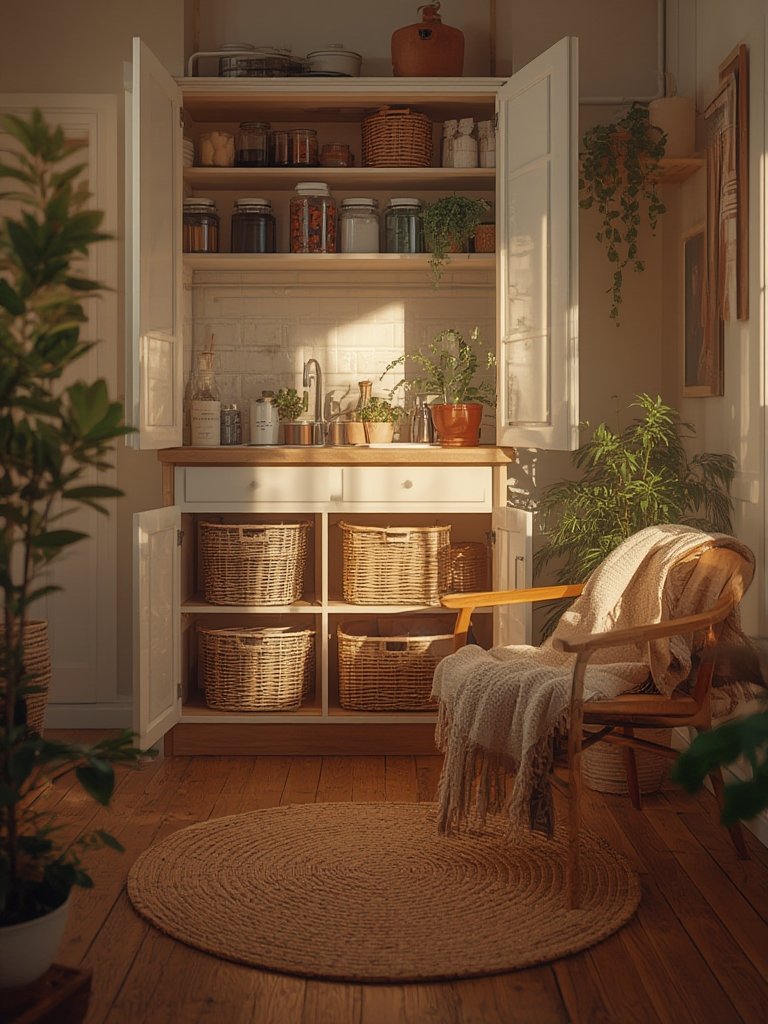
Unsurprising, top consumer complaints (in unfiltered forums or product reviews) often include poor fit around pipes, organizers that slide or topple, drawers jamming when overfilled, and moisture-damaged wood boxes. When shopping, always consult your cabinet measurements and plan for unpredictable pipes.
- Drawer organizer inserts can be repurposed for shallow under sink shelves.
- Bamboo and recyclable plastic bins offer longer moisture resistance than unlacquered wood or cardboard.
Recent product and design innovations are sparse, with most mainstream advances focused on other areas (trend report). Still, you can capitalize on the home organization boom by customizing and combining conventional products in creative ways.
Conclusion
In summary, effective under sink organization depends on a thoughtful combination of measuring, choosing moisture-resistant storage, and making every inch accessible—even in tricky, pipe-ridden, or rental spaces. While recent trend reports ignore this crucial area, the steps above allow you to reclaim hidden storage and reduce daily stress. Start your under sink transformation now with practical, renter-friendly, and sustainable tools.
Ready for your next organizing project? Explore our pantry organization system or see the best Lazy Susan organizers for more inspiration. For every step in your kitchen, keep under sink organization in mind to make the most of your space.
Frequently Asked Questions
What type of organizer works best under bathroom sinks?
Use stackable bins or modular shelves that fit the limited depth and avoid blocking plumbing fixtures. For small vanities, look for tiered trays or slim caddies.
How can I prevent mold or moisture problems under the sink?
Line the cabinet base with waterproof matting or trays, use moisture-resistant bins, and periodically check for leaks. Store items in bins rather than directly on cabinet floors.
Can I install organizers if I rent?
Yes, many under sink solutions are completely non-permanent. Use free-standing bins, tension rods, or removable baskets. Avoid drilling or adhesives that might upset your landlord.
What’s the best eco-friendly option for under sink organization?
Look for recycled plastic bins, bamboo organizers, or silicone trays. These materials are durable, moisture-resistant, and minimize environmental impact.
How do I maximize space in a very small under sink cabinet?
Use narrow, vertical bins and door-mounted organizers for items like spray bottles or sponges. Drawer organizers designed for small kitchens can help compartmentalize tight spaces.