

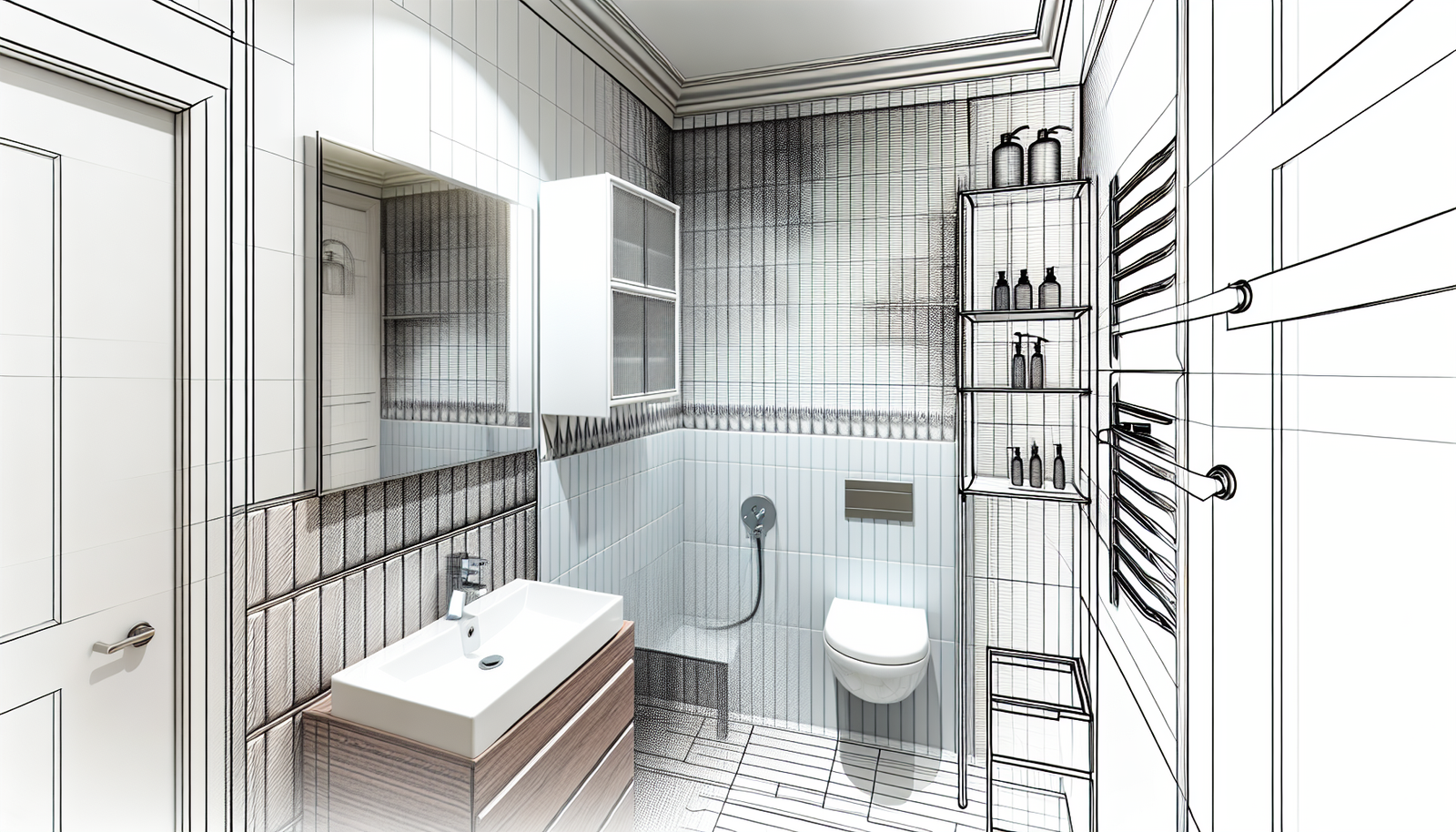
Transforming a small bathroom can be a rewarding project, enhancing both functionality and aesthetics. With clever design ideas and efficient use of space, even the tiniest bathrooms can feel luxurious and spacious. This article explores practical renovation ideas that cater to various styles and budgets, ensuring every small bathroom can shine.Transform Your Small Bathroom with Innovative Renovation Ideas
Transform Your Small Bathroom with Innovative Renovation Ideas
Small bathrooms present a cluster of practical and psychological challenges that go far beyond mere aesthetics. Physically, the constraints are obvious: limited floor area, awkward proportions, and tight fixture placement create competing demands between circulation, usability, and necessary plumbing and electrical systems. Mechanical and structural realities — the location of the plumbing stack, load-bearing walls, window placement, and ventilation ducts — often dictate what can be moved or resized, turning design intentions into compromises. Door swings, shallow entryways, and the need for minimum clearances around toilets and showers further reduce usable space and create pinch points that interrupt flow.

Storage limitations amplify day-to-day friction. When there isn’t a place for toiletries, towels, or cleaning supplies, surfaces become cluttered, which reduces perceived space and makes maintenance harder. Poor ventilation and inadequate moisture control lead to mold, mildew, and accelerated fixture deterioration, adding health concerns and long-term maintenance costs. Lighting deficiencies — whether from lack of natural light or poorly placed fixtures — impair tasks like shaving and makeup, and can even increase safety risks in wet areas.
The psychology of a cramped bathroom is significant and measurable: discomfort, hurried routines, and a reduced sense of privacy or retreat. Frequent morning bottlenecks can raise stress levels and negatively affect household rhythms. Clutter and constrained movement increase cognitive load; a user spends energy navigating obstacles or searching for items, which diminishes the restorative function a bathroom should provide. For homeowners, these functional shortcomings also impact resale value and perceived home quality.Transform Your Small Bathroom with Innovative Renovation Ideas
Recognizing and cataloging these constraints early — dimensions, mechanical limits, storage needs, and user behaviors — is essential. That diagnostic phase clarifies priorities and trade-offs so subsequent design choices can address not just appearance but the lived realities of small-space bathing and grooming.Transform Your Small Bathroom with Innovative Renovation Ideas
Turning a tiny bathroom into a space that feels intentional and luxurious often depends on thoughtful design moves rather than square footage. Using a predominantly **light color palette** — think warm whites, soft greys, and pale pastels — extends sightlines and allows natural and artificial light to scatter evenly. Opt for large-format tiles and minimal grout lines to create an uninterrupted plane; extending the same floor tile into the shower or across a half wall visually enlarges the room. For depth, layer tones subtly: a slightly darker floor with a lighter wall and an even lighter ceiling creates a gentle recession effect that feels spacious rather than flat.
Mirrors are a high-impact tool when placed strategically. A single, full-height mirror on the longest wall visually doubles the space; a run of mirrored cabinet doors creates storage camouflage while reflecting light. Backlit or edge-lit mirrors replace bulky fixtures and provide even illumination without cluttering sightlines. For narrow baths, mount a mirror opposite a window or doorway to bounce reflected light and movement, amplifying perceived volume.
Optimizing layout improves circulation and usability. Swapping a swing door for a pocket or outward-hinging door immediately frees interior clearances. Reorient fixtures along one wall or stagger them to open central floor space; consider corner basins, wall-hung toilets, and slim-profile vanities to keep the central pathway unobstructed. Converting a tub into a walk-in shower with a single glass panel or low curb creates uninterrupted depth; using a linear drain allows a seamless floor slope and continuous tile run.Transform Your Small Bathroom with Innovative Renovation Ideas
Examples: a 30 sq ft ensuite gained a feeling of depth by installing floor-to-ceiling pale tiles, a full-height mirror opposite the shower, and a frameless glass panel — the result read as one generous volume. A powder room used a deep vertical accent tile behind a large circular mirror and pendant light to add height and drama without shrinking the plan. A long, narrow bathroom became more usable when the door was relocated and fixtures were aligned to one side, creating a clear central passage and a calm, gallery-like flow.
Smart Storage Ideas for Tiny Spaces
Storage in a compact bathroom requires thinking up and down as much as side to side. Make the most of vertical real estate with tall, narrow shelving units, recessed linen cabinets that run to the ceiling, or a stack of open shelves above the door. In tight footprints, a stackable approach beats one wide unit: staggered shelves accommodate baskets, rolled towels and stacked toiletries without blocking sightlines.
Under-sink areas benefit from smarter interiors rather than bigger boxes. Use pull-out trays, shallow drawers, or tiered slide-out baskets to avoid digging around pipes. Add a tension rod under the sink to hang spray bottles and a small caddy for brushes. For drawers and cabinets, employ adjustable dividers and clear, labeled bins so small items stay contained and visible.Transform Your Small Bathroom with Innovative Renovation Ideas
Multifunctional furniture multiplies utility. Consider a bench with built-in storage, a vanity with integrated tilted hampers, or wall-mounted cabinets that double as a narrow towel warmer. Over-toilet shelving and shallow cupboards exploit dead zones while keeping floors clear.Transform Your Small Bathroom with Innovative Renovation Ideas
Built-in niches are storage gold in showers and next to vanities. Aim for varying shelf heights and a depth of about 3–4 inches for toiletries; go deeper where you need shampoo bottles. Line niches with waterproof tile and add a thin LED strip to make items easy to find.
The back of doors and inside cabinet faces are prime real estate: install slim racks, magnetic strips for metal tools, pocket organizers, or hooks for robes and hair tools. Corner spaces work well with triangular shelves or a rotating lazy Susan.
Organize by frequency: everyday items at eye level, guest supplies higher up. Use moisture-resistant materials—powder-coated metal, sealed plywood, PVC—for longevity, and allow airflow to prevent mildew. Start any renovation by purging, measuring, and mapping zones so storage dovetails with the fixtures and finishes you’ll choose next.Transform Your Small Bathroom with Innovative Renovation Ideas
Choosing Efficient Fixtures and Materials
Choosing the right fixtures and finishes transforms a cramped bathroom into a breathable, functional space. Opt for compact vanity units that prioritize scale and visual lightness: *wall-hung vanities* free floor area and create the illusion of room, while narrow single-drawer units or corner vanities work well for ultra-small footprints. Integrated sink-and-countertop designs (solid-surface or molded quartz) reduce seams and cleaning time, whereas shallow-depth sinks preserve knee space without sacrificing basin capacity. When selecting materials for vanities, choose moisture-resistant substrate such as marine-grade plywood or moisture-treated MDF with a durable lacquer or laminate surface to prevent warping.
Toilets are a major space and water concern. Compact elongated bowls or round-front models save clearance; *wall-hung* toilets with concealed cisterns tuck the tank into the stud cavity and can be installed at custom heights, but require structural backing and plumbing planning. Consider rimless bowl designs and dual-flush mechanisms (WaterSense-rated) that cut water use dramatically; integrated bidet-toilet combos can replace separate bidet fixtures to save space and add comfort. Where low water pressure exists, pressure-assist or macerating options may be appropriate—check local codes.
Faucets should balance style with function: single-lever mixers or touchless models with low-flow aerators (0.5–1.5 gpm ranges, WaterSense-certified) conserve water and simplify use. Choose durable finishes like PVD or brushed nickel that resist scratching and corrosion; look for ceramic-disc valves for long life.
Select materials that reflect light and are easy to maintain: glass mosaic or large-format glossy porcelain tiles, back-painted glass panels, and polished quartz countertops increase perceived space while resisting stains. Use epoxy grout or sealed cement grout to minimize discoloration; opt for anti-lime coatings on glass and faucets to reduce cleaning. Finally, prioritize fixtures with water- and energy-saving certifications and plan plumbing layouts early—smart choices now save space, money, and upkeep long-term.
Creating a Sense of Luxury and Comfort
Turning a small bathroom into a restful retreat is about layering sensory details and choosing finishes that feel indulgent without overwhelming the space. Start with textiles: invest in high-quality towels (500–900 GSM for a plush feel), a lightweight Turkish or Egyptian cotton bathrobe, and a quick-dry, slip-resistant bath mat. Store extras rolled in a recessed niche or woven basket to keep the visual field uncluttered. Use a slim ladder or floating shelf for accessible towel display—rolls read as spa-like and conserve space.
Choose elegant, moisture-resistant finishes for accent pieces rather than large overhauls. Warm metals—brushed brass or satin nickel—on hardware, hooks, and a small tray create a luxe impression. Introduce natural textures like sealed teak, oiled oak-look laminate, or honed stone for countertops and accessories; these add tactile richness without requiring extra footprint. Keep decorative elements minimal and tactile: a soft velvet-like stool cushion (microfiber) or a natural fiber hamper.
Lighting is essential to mood. Layer three types of light—ambient, task, and accent—with dimmable controls or scene settings. Aim for warm color temperatures (2700–3000K) for relaxation, and reserve cooler, high-CRI task light for grooming. Discreet LED strips under a vanity, backlit mirror glow, and adjustable wall sconces create depth and permit low-light evenings.
For a true spa atmosphere, incorporate aromatherapy and living elements: an ultrasonic diffuser with a timer, eucalyptus bunches in the shower, or a reed diffuser for continuous scent. Use calming palettes—muted greens, soft greys, and creamy beiges—and introduce a few humidity-loving plants (fern, pothos) for air and visual softness. Small touches—a heated towel rail or plush robe, layered textiles, and careful lighting control—elevate the everyday into a personal sanctuary without sacrificing space.
Conclusions
In conclusion, renovating a small bathroom presents an opportunity to create a stylish and functional space. By implementing smart design ideas and maximizing available space, you can achieve a beautiful result that enhances both the usability and appearance of your bathroom. Embrace these renovation tips to bring your dream small bathroom to life.Transform Your Small Bathroom with Innovative Renovation Ideas
—