

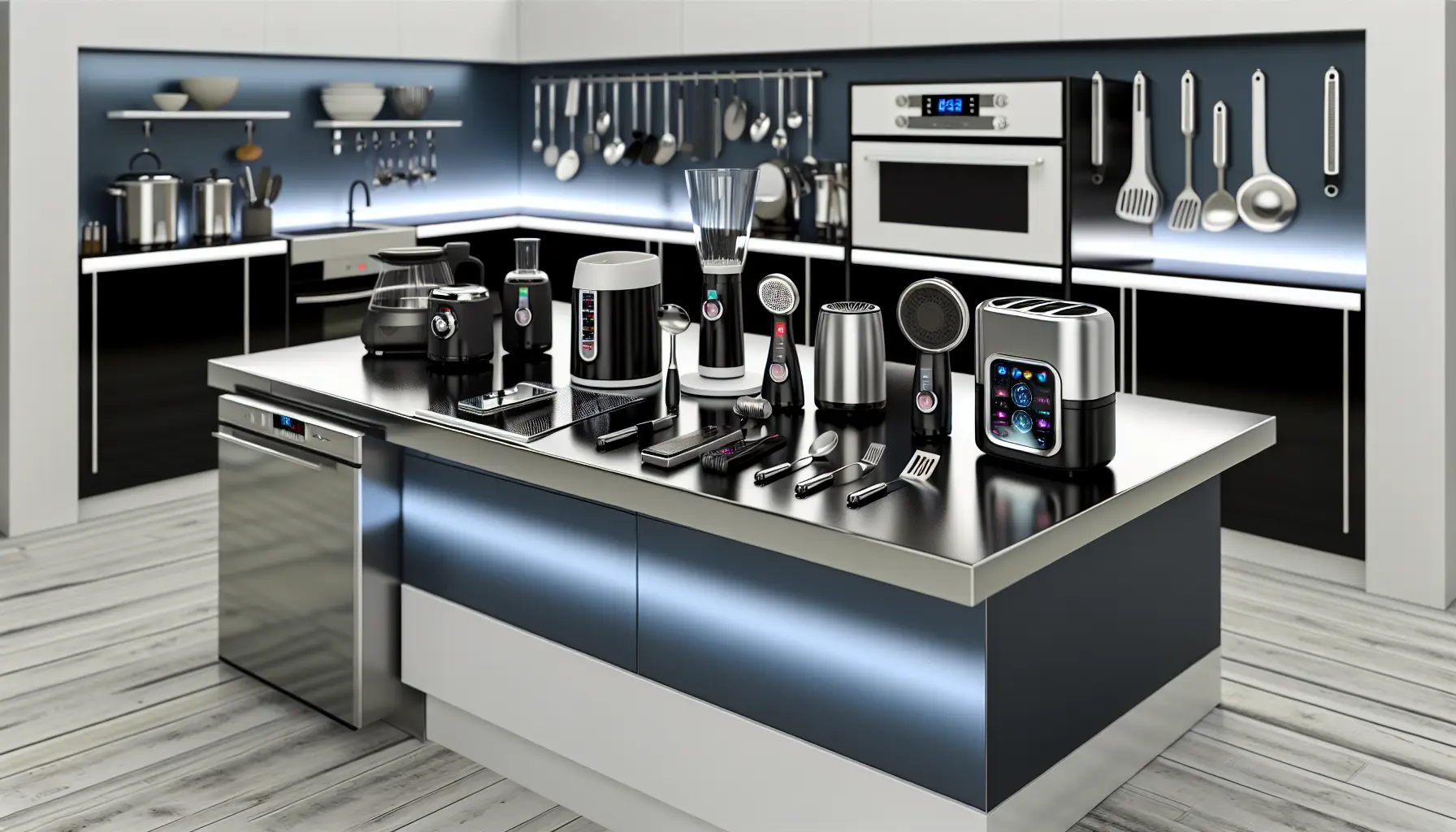
As we move further into 2025, the kitchen gadgets landscape continues to evolve, bringing innovative solutions that enhance culinary experiences. From smart appliances to multifunctional tools, this article delves into the best kitchen gadgets of the year, helping you elevate your cooking game and streamline meal preparation.The Best Kitchen Gadgets for 2025
The Best Kitchen Gadgets for 2025
The kitchen of 2025 is defined less by single-purpose tools and more by devices that are networked, sensor-rich, and smart enough to learn. Wi‑Fi and Bluetooth remain the connective tissue, but it’s the integration of on‑device and cloud AI, advanced sensors (temperature, humidity, weight, optical), and computer vision that elevates appliances from convenience to capability. Smart ovens, for example, pair interior cameras and probe thermometers with machine‑learned roast and bake profiles that adjust fan speed,
Beyond single tasks, these gadgets form ecosystems: smart scales sync with recipe apps that auto‑scale ingredients and trigger the cooker to preheat or change programs; voice assistants call up contextual guidance while your hands are busy; ventilation systems monitor combustion byproducts and optimize airflow automatically. The practical gains are measurable — consistent results, fewer ruined batches, energy savings via demand scheduling, and actionable maintenance alerts (filter changes, gasket wear) that extend lifespan. Accessibility improves too: adaptive recipes and tactile or spoken prompts help visually impaired cooks follow complex techniques.The Best Kitchen Gadgets for 2025
Security and standards are integral; look for end‑to‑end encryption, regular firmware updates, and compatibility with cross‑platform standards like Matter so devices interoperate without vendor lock‑in. In short, 2025’s smart kitchen moves beyond novelty to become a predictive, safety‑minded partner that augments skill, reduces waste, and makes precision cooking reproducible for everyday home cooks.
Versatile Kitchen Tools for Efficiency
Multi-functional kitchen tools are the unsung heroes of an efficient 2025 kitchen: they condense tasks, shorten workflows, and free up precious counter and cabinet real estate. Modern food processors, for example, now come as true workstations — interchangeably fitted with dough hooks, emulsifying blades, shredders, slicers with adjustable thickness rings, and dedicated bowls for wet versus dry prep. That single motor unit can knead bread dough, grate a whole cabbage, blitz pesto, and even mill grains, turning what used to be five appliances into one. Practical gains: faster mise en place (swap blades instead of hauling different devices), consistent results from calibrated attachments, and far less cleanup when bowls and discs are dishwasher-safe.
Multifunctional slicers and mandoline systems have evolved beyond a single blade. Look for stackable platforms that julienne, waffle, and crinkle-cut, with integrated containers and safety guards so you can slice directly into storage tubs. Immersion-blender kits now include whisk, mini-chopper, and thermal-resistant shrouds for hot soups, letting you emulsify dressings, whip creams, and grind nuts without changing stations. All-in-one cookers — emphasizing manual control rather than connectivity — combine sauté, steam, bake and air-crisp capabilities in one vessel: brown proteins, add liquid, finish with steam or crisping without moving pans, which dramatically cuts active time and dish count.
These tools reduce clutter by replacing single-use gadgets, using nesting designs and dedicated attachment cases for tidy storage. They speed cooking through batch processing (one hopper for multiple tasks), continuous workflows (same base for prep and finish), and minimized transitions between appliances. When selecting multifunctional gear, prioritize robust motors, easy-disassembly for cleaning, secure attachment locks, and accessible spare parts. Properly chosen and organized, .The Best Kitchen Gadgets for 2025

Eco-Friendly Innovations
Designers in 2025 have pushed sustainability beyond materials into systems that actually close loops in the kitchen. At the heart of that shift are compact, low-energy compost systems that convert food scraps into usable soil amendment in days rather than months. Modern countertop electric composters combine mechanical grinding, controlled aerobic or enzymatic breakdown, and dehydration to cut volume by up to 90% and neutralize odors; .The Best Kitchen Gadgets for 2025
Single-use plastic replacements have matured into truly viable daily tools. Biodegradable utensils and containers made from agricultural byproducts (bagasse, wheat-straw composites) and next-generation biopolymers are engineered for repeated use before composting, and many carry clear consumer guidance about *home* vs *industrial* compostability. Mycelium-grown tableware and edible cutlery have moved from novelty to practical—tougher, heat-resistant formulations reduce breakage and broaden use cases. Look for products certified to recognized compostability standards and labeled with end-of-life instructions.
Energy-efficient appliances now focus on system-level savings: heat-pump ovens and refrigeration with vacuum-insulated panels slash energy use, induction kettles with precise power modulation avoid boil-overs, and smart appliances integrate with home energy management to run heavy cycles during low-carbon grid periods. Dishwashers with heat-recovery loops preheat incoming water using waste heat and soil sensors to optimize cycles, saving both water and electricity. Complementary gadgets—reusable silicone storage, washable produce bags, and concentrated refill dispensers—further reduce waste streams. Together, these innovations minimize landfill input, shrink embodied energy over a product’s life, and make the greener kitchen an achievable daily practice.
Gadgets for Healthy Cooking
By 2025, several countertop tools have moved beyond novelty to become core appliances for healthier home cooking. The **air fryer** now uses refined airflow engineering and multi-zone heating to crisp with a fraction of the oil used in traditional frying. Modern units include moisture sensors and adaptive cooking algorithms that shorten cook times while producing a crunchy exterior and tender interior, which preserves texture without added fats. Dual-chamber and grill-air hybrid models let you roast and toast simultaneously, broadening healthy meal options from vegetables to lean proteins.The Best Kitchen Gadgets for 2025
**Nutrient extractors**—a category that includes high-performance blenders, cold-press personal juicers, and vacuum blenders—focus on maximizing vitamin and phytonutrient availability while minimizing oxidation and heat damage. Look for low-RPM extraction, insulated blending jars, and vacuum-purge features that reduce air exposure; these retain color, flavor and measurable nutrient content longer than standard blenders. Integrated sensors and app connectivity now estimate macronutrients per serving and suggest blends optimized for vitamins, fiber or protein balance, making them practical for targeted dietary goals.The Best Kitchen Gadgets for 2025
Advances in **food steamers** have turned steaming from a basic technique into a precision method for nutrient preservation. Multi-tier steamers with staged temperature zones and variable humidity settings allow delicate fish and leafy greens to cook at lower temperatures while sturdier vegetables receive higher, shorter bursts of steam—maximizing retention of water-soluble vitamins. Combination steam-convection ovens and sous-vide steamers also lock in juices and texture without excess salt or fats.
Practical usage tips:
- Use air fryers for coatings that crisp with a light oil mist instead of full immersion.
- Employ vacuum or cold-extraction on greens to reduce oxidation when making smoothies.
- Steam vegetables just until tender-crisp and finish with acidic dressings to boost flavor without extra calories.
Trends in Culinary Gadgets
In 2025 the dominant direction for culinary gadgets is less about novelty and more about meaningful refinement: designers are stripping away redundancies to deliver purposeful, elegant tools that fit modern lifestyles. *Minimalism* now means multifunctionality—one compact unit that replaces several single-use appliances—alongside nesting, foldable, and magnetic-storage formats that respect limited counter space. Consumers favor durable items that look as good stored as in use, so appliances are being redesigned as tasteful objects that integrate into kitchen architecture rather than scream for attention.
Usability is the other pillar shaping product development. Manufacturers focus on intuitive onboarding, contextual prompts, and adaptive interfaces that scale from novice to pro. Haptic knobs and hybrid analog–digital controls offer reliable, tactile feedback for critical operations while touchscreen menus provide richer guidance. Accessibility features—large-print displays, voice control with privacy options, and ergonomically balanced utensils—are becoming baseline expectations as aging populations and multi-generational households demand inclusivity.
Appearance matters more than ever. Aesthetic trends favor muted palettes, soft-touch mattes, and mixed materials (ceramic, anodized metals, responsibly sourced woods) that communicate craftsmanship. Co-branding with designers and modular surface finishes allow users to personalize devices to match cabinetry or open-plan living spaces, turning gadgets into lifestyle statements.
Consumer preferences reveal clear priorities:
– longevity and repairability over cheap disposability
– compact, modular ecosystems rather than single-function clutter
– provenance and circularity in materials
– seamless software ecosystems with clear privacy guarantees
Looking forward, expect standards for interoperability, upgradable hardware modules, and a push for circular design that enables easy parts replacement and refurbishment. Sensor-driven precision will coexist with low-tech reliability, and product roadmaps will increasingly include sustainable supply-chain transparency, repair manuals, and community-driven customization—shaping a kitchen landscape where form, function, and responsibility are tightly interwoven.
Conclusions
In conclusion, the best kitchen gadgets of 2025 can significantly enhance your cooking efficiency and creativity. By investing in innovative tools, you can transform your culinary tasks, making them easier and more enjoyable. Explore these gadgets to find the perfect additions to your kitchen and enjoy the benefits they bring.The Best Kitchen Gadgets for 2025