

Stackable lunch containers have quickly become essential for meal prep, smart storage, and portable eating—yet, making the right choice involves more than just matching lids. Whether you want to streamline your fridge, pack healthier meals, or reduce waste, choosing the right design and material is critical.
Key Takeaways
- The market for stackable lunch containers is growing fast, driven by meal prep, portability, and sustainability demands.
- Materials matter: plastic dominates for cost and weight, but stainless steel and glass are increasing in popularity for safety and eco-friendliness.
- Major pain points overlooked are microwave safety, true space-saving in real-life cabinets, and container versatility for different foods.
- What Are Stackable Lunch Containers and Why Use Them?
- How to Pick and Use Stackable Lunch Containers – Step-by-Step Guide
- Advanced Analysis & Common Pitfalls (What Most Guides Miss)
- Conclusion
- FAQ
What Are Stackable Lunch Containers and Why Use Them?
Stackable lunch containers solve two perennial problems: keeping meals fresh on-the-go and saving real space at home or work. Unlike ordinary containers, stackable designs maximize vertical storage and minimize wasted cabinet or fridge space. The right set prevents lunch bag chaos, makes meal prepping realistic, and helps cut down disposable packaging waste. In 2025, the worldwide demand for food-related stackable containers is projected to hit nearly $20 billion, fueled by a rising preference for organized, leak-proof, and reusable solutions [Future Market Insights].
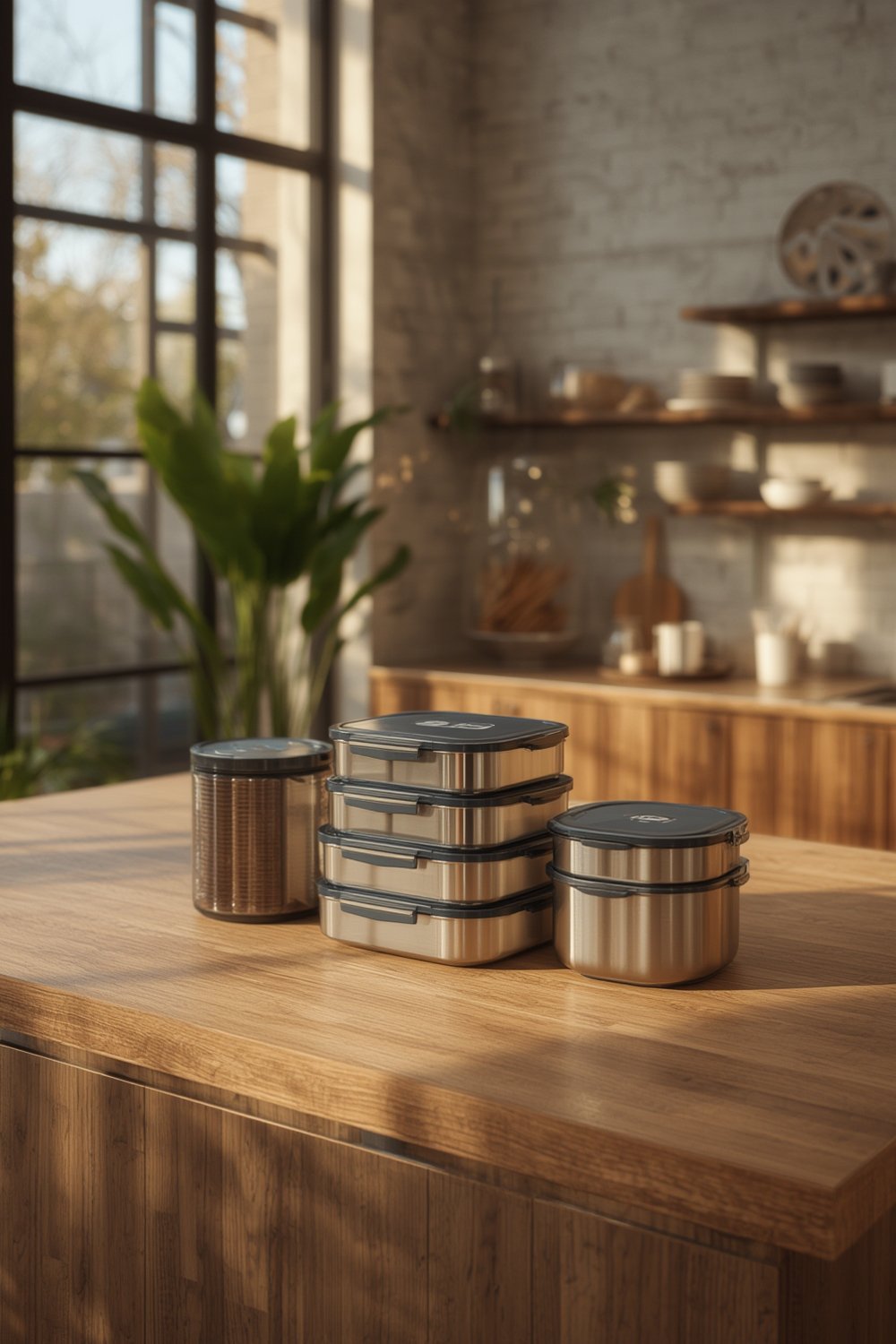
The evolution goes beyond basic plastic: stainless steel and glass are trending for health-conscious buyers, and new innovations help seal in temperature and prevent leaks. Think stacking in the fridge for portion control, easy grab-and-go lunches, and smarter food waste reduction. It’s efficient, not just “tidy.” For those optimizing kitchen space, check out these space-saving kitchen gadgets to complement your stackable containers.
How to Pick and Use Stackable Lunch Containers – Step-by-Step Guide
- Assess Your True Needs: What do you meal prep for—quick salads, full lunches, snacks? List out what you typically store.
- Pick the Material:
- Plastic: Lightweight, cheap, but choose BPA-free and only for cold/pantry storage if you worry about chemical leaching.
- Glass: Safe for microwave and oven (if specified), eco-friendly, heavier, less prone to stains and odors.
- Stainless Steel: Durable, easy to clean, best for insulation, but often not microwave-safe.
- Examine the Lid Design: Look for secure, leak-proof lids and make sure extras (vents, snap locks) are simple to use and replace.
- Test Stackability: In-store or at home, try stacking both empty and full containers in your bag and fridge. Avoid lids that create tall, inefficient stacks.
- Check for Versatility: Modular systems (mix-and-match) work best if you pack both dry snacks and wet foods. See if the brand offers compatible accessories (utensils, dividers).
- Consider Cleaning and Maintenance: Dishwasher-safe is a must for most. Inspect nooks and gasket grooves for grime traps. Try washing a sample lid/gasket before committing to a set.
- Review True Space-Saving: Can they nest or stack in your cabinets without wasting vertical clearance? You can also read about efficient pantry organization to maximize storage.
- Don’t Ignore Microwave and Freezer Use: Double-check safe temperature ranges. Glass is typically safest, but some plastics degrade or warp over time.
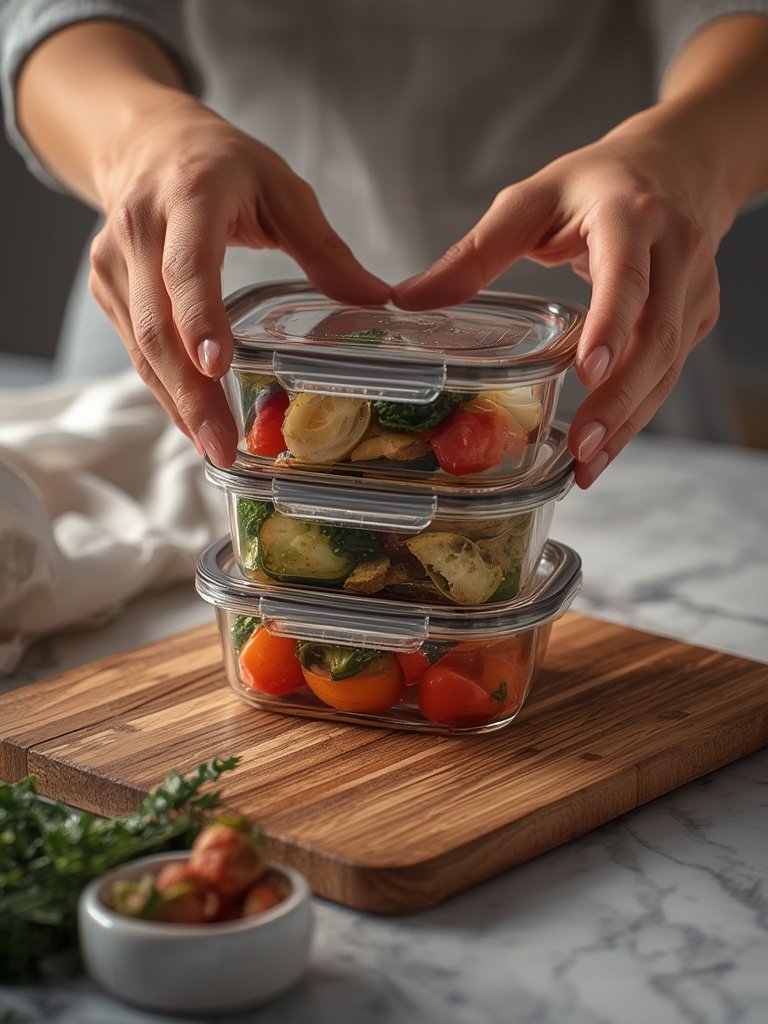
- Trial Run: Pack your typical meal, transport it, and check for leaking, ease of opening, and reheating. Only then consider buying more for batch meal prep.
For even more tips on kitchen organization and saving time in meal prep, check out our guides on easy cooking gadgets and cooking gadgets that fit apartment kitchens and busy routines.
Advanced Analysis & Common Pitfalls (What Most Guides Miss)
Even the best stackable lunch containers can disappoint if you overlook key details. Most guides show the “perfect stack” but ignore three critical real-life issues: microwave safety, true cabinet space efficiency, and versatility across meal types.
Common Pitfalls
- Poor Microwave Safety: Many plastics are marketed as “microwave-safe” but degrade, warp, or leach chemicals with regular heating. Glass is safer, but ensure lids are vented and labeled as microwave-approved.
- Fake Space-Saving: Some containers only stack well when empty, but become unstable or waste vertical space when filled. Brands rarely test stacking in actual home cabinets or bags.
- Lack of Versatility: Modular systems sound great, but small containers rarely prevent leaks with soups or salads. Dividers often pop loose, letting foods mix or get soggy.
- Maintenance Headaches: Hard-to-clean seal rings or deep lid grooves trap smells and stains. Not all are truly dishwasher-safe, despite claims.
- Unknown Durability: Real-world breakage, lid warping, or fading is rarely addressed until after purchase. There’s little transparency on average price vs. expected lifespan.
Material Comparison Table
| Material | Safety Advantages | Environmental Impact | Longevity Strengths |
|---|---|---|---|
| Plastic | Food-grade compliance [Source] | High volume, recyclable options limited [Source] | Impact-resistant stacking [Source] |
| Stainless Steel | Non-toxic, no leaching [Source] | Recyclable, reduces plastic waste [Source] | Durable insulation [Source] |
| Glass | Eco-friendly, inert [Source] | Sustainable, low emissions [Source] | Sturdy for reuse [Source] |
Cleaning Realities
Stainless steel generally cleans easily and rarely retains stains. Plastic can get cloudy or trap odors, especially if used for tomato-based sauces. Glass stays odor-free but can chip if stacked carelessly. Whenever you buy a new set, scrub by hand first (especially gaskets), even if “dishwasher safe.”
Innovative trends are on the rise, including recyclable plastics and improved modular stacking, but always confirm any space-saving or safety claims in your own kitchen. For more detailed reviews on storage and preservation options, see our analysis on glass food storage containers.
Conclusion
Choosing stackable lunch containers that fit how you actually eat saves time, space, and frustration. Material, design, and cleaning ease truly matter, as does stackability in real-world settings. With market growth strong and eco options expanding, now is the time to invest in high-quality stackable lunch containers that work for you.
Ready to streamline your meals and maximize your kitchen organization? Start with a smart, small set—and revisit our guides on advanced kitchen tools and space-saving gadgets for long-lasting efficiency.
FAQ
Are stackable lunch containers truly leak-proof?
Leak resistance varies—look for containers with strong gasket seals and snap-lock lids. Test new containers with liquids before trusting them in a packed bag.
Can you microwave stackable plastic containers safely?
Only if they’re explicitly labeled microwave-safe. Some plastics may warp or leach chemicals with repeated heating. When in doubt, glass containers are safer.
What’s the best way to deep-clean stackable lunch containers?
Remove and hand-wash all gasket seals. Use baking soda for stubborn stains or odors, and dry thoroughly before stacking. Avoid harsh scrubbers on plastic.
Do stainless steel stackable containers retain food odors?
No, stainless steel rarely traps odors. It’s typically easy to clean and does not stain, though it’s not suitable for microwaving.
Which brands offer the best stackable lunch containers?
Brand performance varies year to year. Prioritize independent reviews and your own test—check our comprehensive gadget and chopper reviews for deeper insights.