

Smart kitchen scale technology is quietly reshaping how people track nutrition and cook at home, but reliability, data quality, and app integration are still major hurdles most buyers will face in 2024–2025.
Key Takeaways
- Smart kitchen scales are growing twice as fast as regular digital scales, but most do not offer clinically validated nutrition tracking or seamless software integration.
- The biggest buyer complaints center on poor connectivity, small or inaccurate food databases, and weak integration with other health apps.
- Spending more gets you better design and convenience, but not necessarily better calorie or macro accuracy.
- What Is a Smart Kitchen Scale and Why Choose One?
- How to Set Up and Use a Smart Kitchen Scale
- Pitfalls, Pain Points, and Advanced User Insights
- Conclusion
- Frequently Asked Questions
What Is a Smart Kitchen Scale and Why Choose One?
A smart kitchen scale is a digital scale that connects to a smartphone or tablet using Bluetooth or Wi-Fi and automatically tracks ingredients, calories, and recipes in a companion app. Unlike classic kitchen scales, these models sync your weighed food with health or calorie-tracking apps, promising precision for fitness and meal prep. In 2024, this niche is growing rapidly, especially among health-conscious cooks who want to log and analyze every bite.
What’s driving adoption? Market research shows these scales are riding the wave of personalized nutrition and increased home cooking but still make up a minority of scale sales by unit volume. Their value depends on real-time food logging, macro calculation, and integration with other kitchen or diet tools. However, smart features can add complexity, requiring careful consideration before buying.
Learn more about how other kitchen gadgets can help in organized cooking by reading our guide to maximizing space with kitchen gadgets.
How to Set Up and Use a Smart Kitchen Scale
Ready to get started? Here’s a practical process for getting the most out of your smart kitchen scale, addressing common friction points and ensuring reliable performance.
- Unbox and inspect. Look for signs of damage. Check for removable protection tabs from the battery compartment or display.
- Charge or insert batteries. Some entry-level models require AAA batteries, but most mid-range and premium models are USB-C rechargeable.
- Install the companion app. Search your scale’s brand in the App Store or Play Store. Only install the official app—third-party clones often lack updates.
- Enable Bluetooth (or Wi-Fi) on your phone. Do this before launching the app to ensure smooth pairing.
- Follow in-app pairing instructions. Most rely on Bluetooth Low Energy. If pairing fails the first time, restart your device and re-open the app, as many first-time pairing issues are app-side, not device-side.
- Select “Tare” to zero the scale. This step prevents ingredient stacking errors.
- Start weighing and logging. Choose your food item or scan a barcode, then add it to your database or logging queue. Get macro/calorie data live as you weigh, but double-check the match—nutrient accuracy is only as good as the selected food item.
- Save custom recipes for repeated use. Most apps let you build meals or recipes, which speeds up future logging and can offset a limited food database.
- Sync data with health apps or export logs. If available, turn on integration with platforms like Apple Health or Google Fit, or export logs if your current app does not support direct linking.
Along the way, remember: smart kitchen scales are best for tracking whole-food cooking and meal prep. If your habits rely more on processed or branded items, a dedicated nutrition app with a larger verified database may offer more consistent logging. For extra help making prep routines faster, see our review of ultimate vegetable choppers.
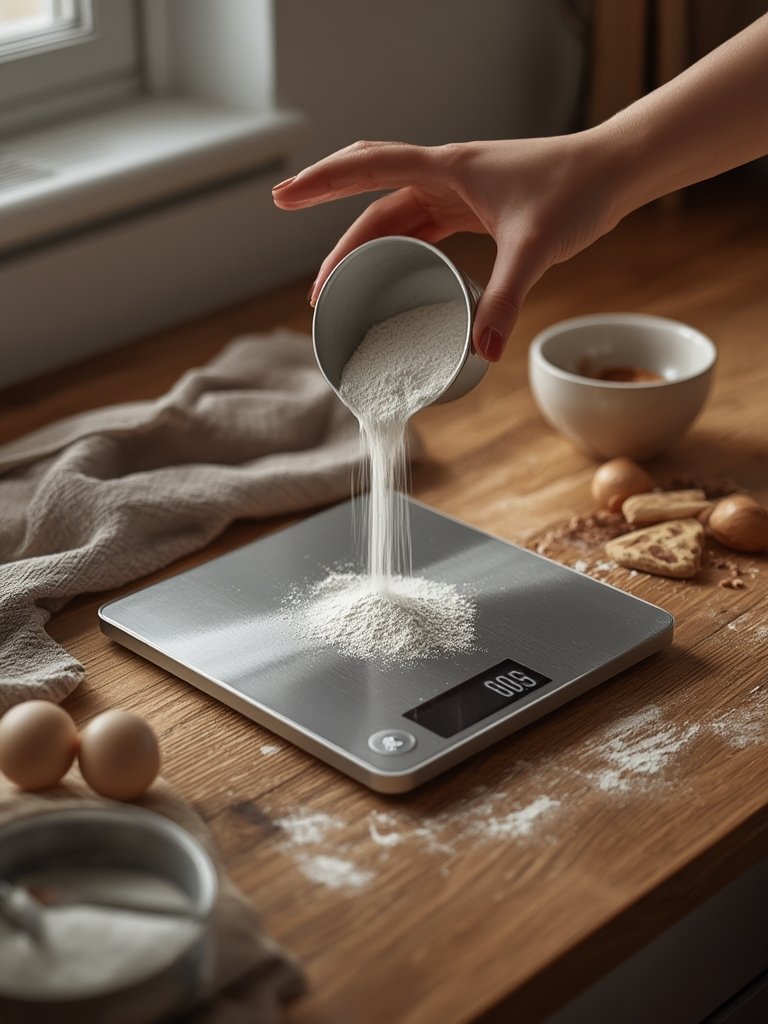
Maintenance tip: After each use, gently clean the surface, avoiding excess water (unless IP-rated). Check for app or firmware updates monthly to keep accuracy and compatibility high.
If you want more gadgets that simplify cooking, check our comprehensive cooking gadgets guide.
Pitfalls, Pain Points, and Advanced User Insights
Despite their promise, current smart kitchen scales have recurring weak points. Here’s what the latest research and user reviews reveal—including crucial info most competitor guides skip.
| Feature/Issue | Typical User Experience | What Market Data Shows | Real-World Impact |
|---|---|---|---|
| Bluetooth stability | Random disconnects, especially mid-use | Most devices use BLE 4/5, but kitchen interference is common (Source) | Can lose session data, frustrate tracking, especially in busy Wi-Fi environments |
| Food database coverage | Many foods/brands missing, must add custom entries | Market reports highlight size limits and database gaps (Source) | Time-consuming for users; possible nutrition errors if substituting |
| Nutrition accuracy claims | Inconsistent macros; sometimes contradicts major apps | No clinical validation; values drawn from in-house or 3rd party data | Trust issues and potential mis-tracking for strict dieters |
| Integration with health apps | Many scales do not sync with major diet apps, only export CSV | Integration is a growth driver, but most products lack seamless connectivity | Manual transfer or duplicate logging reduces convenience |
| Physical durability & app support | Complaints of app abandonment, hardware failures after 2-3 years | Short support cycles, few brands offer >2yr updates | Risk of device becoming “dumb” or unsupported over time |
Other Realistic Downsides:
- Premium prices don’t guarantee better tracking accuracy. Most price hikes pay for nicer hardware, bigger displays, or smart-home integrations—not better databases.
- Security and privacy remain unclear. Most brands offer vague info about how your logs are protected or exported, especially if the company shutters.
- Potential for vendor lock-in. Exporting data or switching to a new brand is often harder than advertised, so research how data is portable before committing.
Want a broader look at must-have kitchen tech? Check our roundup of future kitchen gadgets.

Looking for tools to simplify your prep beyond scales? Explore easy cooking gadgets for lazy cooks and be sure to read how a vegetable chopper can speed up meal prep.
Conclusion
Smart kitchen scales are now mainstream for tech-leaning cooks, but most remain limited by database size, app usability, and integration gaps. While they offer powerful tools for home meal prep, many users will experience frustration with pairing, accuracy, or exporting their data. When deciding if a smart kitchen scale fits your workflow, weigh not just the features but the quality—especially around app stability and database transparency.
Compare models carefully, and always check for software support policies before buying. Ready to upgrade your tracking or cooking process? Start by selecting a scale that’s easy to maintain, supports your preferred apps, and comes from a brand with a track record of reliable software support.
Frequently Asked Questions
Does every smart kitchen scale offer calorie and nutrition tracking?
No. Most smart kitchen scales provide basic calorie and macro tracking, but the accuracy and depth depend on the included app database. Always check the database size and data sources before buying.
Can I sync smart kitchen scale data with MyFitnessPal or Cronometer?
Only a few models support direct syncing with popular platforms like MyFitnessPal or Cronometer. In most cases, you may have to export a CSV and import it manually, or rely on partial syncing through Apple Health or Google Fit.
Is a more expensive smart scale more accurate?
Not necessarily. Higher-priced models usually include better build quality, displays, or smart-home integration, but nutrition accuracy is mostly determined by the app’s food database, not the hardware itself.
What happens to my food logs if the manufacturer shuts down the app?
If the app is discontinued, you may lose access to your food logs unless the scale supports exporting data. Most brands do not guarantee long-term data access, so export often or pick brands with a strong ecosystem.
Are smart kitchen scales secure and private?
Some brands encrypt data and comply with privacy laws (like GDPR), but most do not offer detailed privacy disclosures for food/nutrition logs. Stay cautious and avoid entering unnecessary identifiable information.