

Smart kitchen gadgets 2026 are transforming how we cook, shop, and manage our kitchens with features that would have sounded sci-fi just a few years ago. If you want to get ahead of the curve—or avoid costly mistakes—this guide shows what’s really changing, why it matters, and exactly how to make the most of these innovations in your home.
Key Takeaways
- The smart kitchen gadgets 2025 market is booming, with AI integration, voice assistant compatibility, and instant recipe-shopping experiences leading the pack.
- Common drawbacks are high upfront costs and ongoing privacy challenges, but new standards like Matter 1.4 and commercial innovation are changing the landscape fast.
- Advanced kitchen gadgets now offer subscription services, energy-saving features, and seamless cross-device control for homes and businesses alike.
- What Are Smart Kitchen Gadgets 2025 and Why Should You Care?
- How to Choose and Use the Right Smart Kitchen Gadgets in 2025
- Advanced Analysis & Common Pitfalls
- Conclusion
- FAQ
What Are Smart Kitchen Gadgets 2025 and Why Should You Care?
Smart kitchen gadgets in 2025 are not just digital timers or simple Wi-Fi-connected devices. They combine AI, IoT, and seamless compatibility with home automation—allowing everything from your fridge to your cooktop to “talk” to each other, track food, automate shopping, adapt recipes in real time, and even save energy. According to recent analysis, the global smart kitchen market hit USD 21.8 billion in 2025 and is on track for significant growth, driven by dynamic recipe platforms, remote monitoring, and energy mandates
(source).
Integrating smart kitchen gadgets is about three things:
- Making healthy, energy-efficient cooking easy—even for non-techies.
- Reducing time and food waste by automating inventory and precision cooking.
- Increasing convenience—like one-click shopping, AI meal planning, and voice-activated everything.

In 2025, smart kitchen tech has become mainstream—even hospitality and commercial kitchens depend on it for labor savings and consistent results. Curious about efficient kitchen organization too? See our tips on space-saving kitchen gadgets that pair perfectly with new smart devices.
How to Choose and Use the Right Smart Kitchen Gadgets in 2025
Ready to buy—or upgrade—your kitchen gear? Here’s a step-by-step process to cut through hype, stay secure, and get true value.
Check if the smart gadget is Matter 1.4 certified before you buy. Devices with this certification offer better compatibility, future-proofing, and enhanced energy management, saving you from costly upgrades down the road.
For smart fridges or ovens, use their AI-powered inventory feature to automate weekly grocery shopping. Sync these with Instacart so you never run out of staples—just double-check for substitutions to avoid surprises!
- Prioritize Features: Look for essential integrations—voice assistant support (Alexa, Google Assistant, Apple HomeKit), remote monitoring, and real AI automation (not just app control). For example, the 2025 Samsung shoppable fridge combines item recognition with built-in Instacart for hands-off restocking
(source). - Understand Energy Savings: New appliances can track and optimize energy use. Some models offer grid rebates or intelligent scheduling—critical if you want to cut long-term costs. Features like GE/ABB’s ReliaHome smart panel can streamline the entire home’s energy consumption.
- Consider Ongoing Services: Many devices move beyond “set-and-forget” with subscription-based meal planning, recipe updates, and warranty coverage. LG reported a 75% subscription growth, reflecting this trend. Weigh monthly fees against the value you get.
- Validate Data Privacy: Choose manufacturers with clear privacy settings and local data storage options whenever possible. Matter 1.4 introduces multi-user control and robust security, but review device-specific privacy policies before connecting cameras or inventory trackers.
- Balance Innovation and Practicality: Don’t overbuy. Smart gadgets like vegetable choppers or advanced kitchen tools can boost efficiency without overwhelming your setup—see our advanced kitchen tools guide for picks that complement smart tech.
- Retain Manual Backups: Keep a few non-digital essentials just in case Wi-Fi goes down or your smart app needs a reset. Not all kitchen processes benefit from automation.
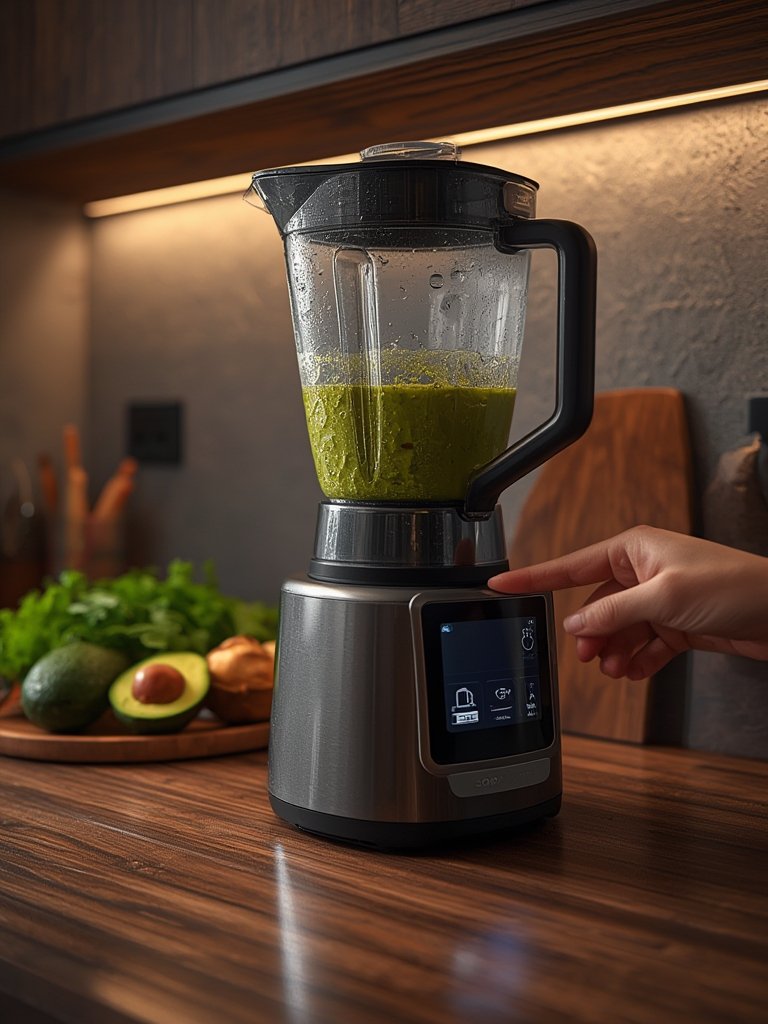
Don’t forget practical additions like a cooking gadgets that support both traditional and smart workflows, and tools for effortless cooking that simplify daily routines—even if you’re not fully automated yet.
Looking for future-proof ideas? Our future kitchen gadgets roundup highlights what’s next after 2025 and which products to watch for evolving standards.
Advanced Analysis & Common Pitfalls
Even the most promising smart kitchen gadgets in 2025 have clear pain points. Here’s what to watch for—and how to sidestep common issues.
- High Upfront Costs: Most leading-edge kitchen gadgets (AI fridges, combi ovens, or multi-probe cooktops) carry premium price tags. Market growth and brand scaling are helping, but costs remain higher than traditional appliances. Evaluate genuine ROI and not just coolness.
- Data Privacy Concerns: The more features you connect, the more data your kitchen shares—even with secure ecosystems. Read manufacturer privacy updates, especially for gadgets with cameras or voice recognition.
- Compatibility Gaps: Not every device plays nicely with others. Matter 1.4 improved things, but your whole system works best if you standardize on the same connectivity protocol.
- Subscription Fatigue: New “appliance as a service” trends create ongoing fees for AI updates, recipes, or support. Make sure add-ons actually enhance your daily experience.
- Support and Maintenance: As devices get smarter, troubleshooting shifts from simple DIY to software updates and network resets. Have backup support—don’t assume “smart” means “zero maintenance.”
Need a straightforward kitchen tool to bridge the gap? See our trusted trending kitchen gadgets and discover products that balance innovation and reliability.
| Factor | 2025 Smart Kitchen Gadgets | Earlier Models |
|---|---|---|
| AI Integration | Real-time recipe adaptation, visual inventory, smart shopping | Basic remote control; static programming |
| Connectivity | Matter 1.4, multi-admin, ecosystem-wide | Single-app, limited third-party support |
| Cost | High initial investment; subscription models emerging | Lower upfront, no recurring cost |
| Privacy & Security | Improved but still cited as a concern (camera, voice data) | Limited data collection |
| Energy Efficiency | Automated tracking, utility rebates, grid-ready | Manual use, minimal tracking |
| Commercial Influence | AI combi ovens, robotics, cross-pollination to home | Mainly residential designs |

Finally, region matters. Asia-Pacific leads global growth, while U.S. brands focus more on premium features. Manufacturers like Xiaomi and Haier are ramping up international shipments
(see report), influencing what’s available and how quickly prices could shift.
Conclusion
Smart kitchen gadgets 2025 represent a big leap forward, packing AI, automation, and energy savings into appliances that just a few years ago were basic and disconnected. Choose wisely—balance must-have features with privacy and budget, and always check for compatibility (Matter 1.4 is your friend). Want to see even cooler time-saving options? Explore our guide on really cool kitchen gadgets now, or revisit our must-have kitchen gadgets for every home cook collection to build your perfect mix of smart and standard tools.
Ready to upgrade? Compare, research, and then try one smart device to see the difference—without overcommitting. Start shaping your ideal connected kitchen today.
FAQ
Are smart kitchen gadgets 2025 really worth the extra cost?
For most users, yes—especially if you value energy efficiency, time savings, and automation. But costs are higher, so focus on gadgets that solve your specific problems.
How do I keep my personal data safe with AI kitchen devices?
Choose brands that offer robust local storage and privacy controls. Always review privacy policies, and opt into only the features you need. Prefer devices with Matter 1.4 and frequent security updates.
What if my home Wi-Fi goes down?
Some functions will be limited until connections are restored. Reliability varies—so keep a few manual kitchen tools or backup cooking methods on hand.
Can I mix and match different brands of smart kitchen gadgets?
Interoperability is improving, but not guaranteed. Matter 1.4 helps, but check compatibility lists before you buy—and consider staying within the same brand or ecosystem if reliability is crucial.
What happens if the gadget manufacturer stops support or goes out of business?
You may lose cloud-based features or updates. Before investing, check company stability and user update policies, or look for gadgets that retain core functions offline.