

Smart food storage containers are rapidly transforming the way we keep food fresh, prevent waste, and organize our kitchens. If you’re curious about how these innovative containers work—or whether they’re actually worth the investment—this practical guide cuts through the hype and tells you exactly what to expect, including the real benefits, possible drawbacks, and how to maximize their usefulness at home.
Key Takeaways
- Smart food storage containers can help reduce food waste and simplify meal prep, but features and reliability vary widely.
- Connectivity quirks, unclear cost differences, and the lack of universal standards mean you should shop carefully.
- There’s no clear data showing smart or vacuum containers preserve food dramatically longer than well-made standard options—choose based on organization, convenience, and preference.
- What Are Smart Food Storage Containers? Why They’re Trending
- How to Use and Choose Smart Food Storage Containers: Step-by-Step Guide
- Advanced Analysis: Pain Points, Comparison, and Realistic Pitfalls
- Conclusion & Next Steps
- FAQ: Smart Food Storage Containers
What Are Smart Food Storage Containers? Why They’re Trending
Smart food storage containers are a new generation of kitchen containers designed to boost freshness, cut food waste, and improve pantry or fridge organization. Unlike standard or even vacuum containers, “smart” models may feature freshness indicators, QR codes to track contents, and sometimes companion apps for inventory management.
The global food storage container market—which includes both smart and vacuum variants as smaller categories—was valued at roughly USD 160-173.45 billion in 2024. Emerging trends point to rising popularity of freshness indicators and sustainable materials, driven by busy lifestyles and increased awareness of food waste. However, detailed global data for smart or vacuum container segments alone is missing. These containers are poised to grow along with the overall market, projected to hit USD 167.36-170.9 billion in 2025 (source).

The real-world appeal? These containers can signal when food is going bad (using integrated freshness indicators), make it easier to keep track of what’s inside, and sometimes help manage meal prep or grocery lists via digital tools. They’re particularly well-suited for people focused on reducing food waste or optimizing kitchen organization—a rising trend among home cooks and meal preppers.
For those with smaller spaces, you may want to check out space-saving kitchen gadgets for more organization ideas. If meal prep is your main concern, our essentials list of kitchen tools for meal prep and food storage organization can help you integrate smart containers more smoothly into your routine.
How to Use and Choose Smart Food Storage Containers: Step-by-Step Guide
- Identify Your Priorities:
Are you trying to extend freshness, reduce shopping trips, or streamline pantry management? Smart containers differ: some emphasize freshness tracking, others inventory management, while some add both. Assess your needs for sensors, QR codes, or app support.
- Evaluate Core Features:
Look for freshness indicators or QR code tracking—which are main differentiators over standard food storage. Very few models currently offer reliable app integration or automatic inventory syncing. If you’re more concerned about keeping track of produce and leftovers, containers with simple visual cues may suffice.
- Check Material Safety:
Consumer demand for BPA-free containers and sustainable materials is significant, but be aware there are no specific 2024 FDA or BPA-free standards for smart/vacuum containers. Still, always look for containers labeled BPA-free or glass if toxins are a concern.
- Analyze Size and Seal Quality:
Vacuum containers offer extra air-tightness. However, even smart containers can fail if the seal wears out. Choose containers with sturdy, easy-to-replace seals and that fit your storage space.
- Balance Cost vs. Utility:
Brands rarely disclose clear price differences or mark-ups for “smart” features, and no published research quantifies price trends by brand or tech. Budget for a pilot set—avoid investing heavily until you decide these containers suit your needs.
- Test and Track Results:
Try smart or vacuum containers in conjunction with your existing system. There is no quantified data showing preservation times outperforming well-made standard containers in controlled conditions. Log freshness outcomes to decide if they deliver for your specific groceries.
- Routine Maintenance:
Replace seals if necessary and keep containers dry when storing. For app-enabled models, check battery life every few weeks and update software if prompted.
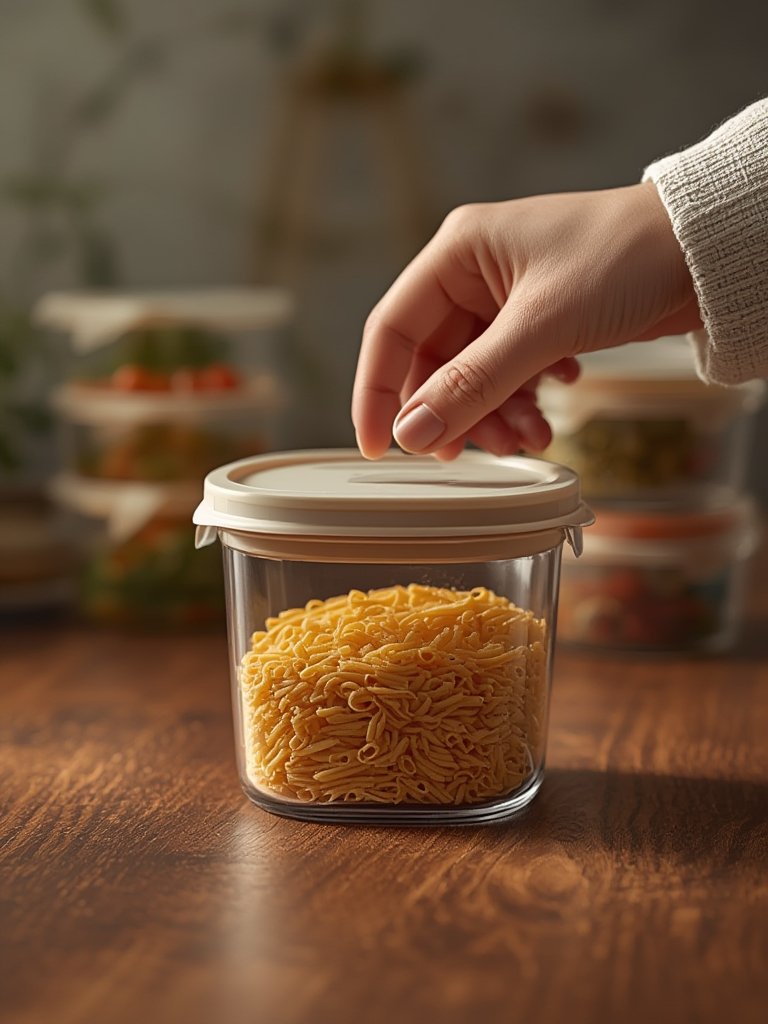
Smart containers also integrate well with broader kitchen tech. If you track ingredients for recipes or diet plans, combining them with a smart kitchen scale and pantry organization system adds an extra layer of efficiency.
Advanced Analysis: Pain Points, Comparison, and Realistic Pitfalls
Despite bold market predictions, smart food storage isn’t perfect. Here’s what you need to consider before overhauling your kitchen setup.
Missing Data Makes Buying Choices Tricky
Leading research reports clearly state that there’s no solid, segment-specific data on price, preservation improvements, or user complaints (like battery drain, poor seals, or connectivity failures) for smart or vacuum kitchen containers. You may find anecdotal reports or brand claims, but quantified performance differences versus standard BPA-free or vacuum-seal containers aren’t documented.
Common Pitfalls & Downsides
- Seal Failures: Smart and vacuum containers rely on good seals; if these break down, freshness is compromised regardless of tech features.
- Battery Life/Connectivity: Containers with digital indicators or apps may require battery changes or software updates. Malfunctions leave you with a regular container.
- Unclear Preservation Gains: Without controlled test data, don’t assume smart features alone keep food fresher longer than classic glass or silicone options (see silicone bag guide for alternatives).
- Lack of Universal Safety Standards: There’s no FDA or global certification specifically for smart or vacuum containers as of 2024. Verify “BPA-free” or safety claims individually.
- Premium Pricing vs. Utility: Some “smart” containers cost far more with limited proven benefit—avoid investing in sets until you validate their value for your habits.
| Feature | Traditional | Vacuum | Smart |
|---|---|---|---|
| Freshness Indicator | No | No | Yes (visual or digital) |
| Inventory Tracking | No | No | Yes (QR/app/manual) |
| Seal Quality | Varies | Stronger (air-tight) | Varies, often standard |
| BPA-Free Material | Some | Some | Some (must check label) |
| Preservation Duration | Standard | May be longer (by hours/days) | No clear advantage proven |
| Price Range | Low to medium | Medium to high | Medium to premium |
When organizing your kitchen or cutting down on food waste, weigh the trade-offs. Explore tried-and-tested organizational tools like fridge organizer bins and pantry storage solutions for added efficiency—sometimes traditional methods outperform new tech for less money.

Conclusion & Next Steps
Smart food storage containers offer impressive organization and can curb food waste, thanks to innovations like freshness indicators and inventory tracking. But beware: many claims aren’t yet backed by hard data, prices aren’t transparent, and “smart” features may add more complexity than value for some users.
Try a small set, compare results, and don’t hesitate to fall back on classic glass containers, silicone options, or proper food storage organization. If you want to optimize space and save time, consider pairing these with other smart kitchen gadgets for a holistic upgrade. When you’re ready, start experimenting, track food freshness, and share your experience—because the best smart food storage containers are the ones that actually work for your life.
Ready to level up your kitchen? Explore more organization tips or compare the latest containers to discover if smart food storage containers are truly right for you.
FAQ: Smart Food Storage Containers
Do smart food storage containers really keep food fresh longer than regular ones?
No reliable studies show dramatic preservation improvements for smart containers versus quality standard or vacuum options. Features like freshness indicators help you monitor spoilage, but they’re not a substitute for a good seal or correct fridge settings.
Are there safety concerns with smart or vacuum food storage containers?
There’s no specific FDA or global standard for smart containers as of 2024. Check for BPA-free labels and choose glass or certified plastics for peace of mind. Avoid containers with untested electronics coming into direct contact with food.
Do I need a companion app to use smart food storage containers?
No. Many containers use visual freshness cues or QR codes you can scan with any phone. App integration, where offered, is optional—and sometimes unreliable or limited in function.
How can I avoid common problems like dried-out seals or dead batteries?
Check and clean seals regularly. For battery-powered models, replace batteries every few months or as needed. If app syncing fails, label containers manually or take photos as backup.
Are smart food storage containers worth the extra money?
That depends. If you value organization or need reminders, they can help. But without clear evidence of better preservation, many home cooks are satisfied with traditional glass or vacuum-seal containers.