

rolling pantry cart solutions have taken modern kitchens by storm, offering a mobile answer to clutter and cramped spaces without requiring costly renovations or complex assembly.
Key Takeaways
- Rolling pantry carts are rising in popularity, driven by demands for flexible, portable storage in small or rental kitchens.
- Choosing the right cart involves considering size, material, mobility features, and how it fits your unique storage needs.
- Despite their benefits, buyers should watch for durability issues, maintenance requirements, and limited customization features.
- Understanding Rolling Pantry Carts: What and Why?
- How to Choose & Use a Rolling Pantry Cart
- Advanced Analysis & Common Pitfalls
- Conclusion
- Frequently Asked Questions
Understanding Rolling Pantry Carts: What and Why?
A rolling pantry cart is a mobile kitchen storage unit designed to maximize usable space, especially where cabinetry is lacking or kitchen layouts are tight. It’s typically fitted with wheels for easy repositioning and offers open shelves, closed compartments, or a mix of both. These carts address the growing need for versatile storage, particularly for renters, apartment dwellers, and anyone needing extra workspace that can adapt on the fly.
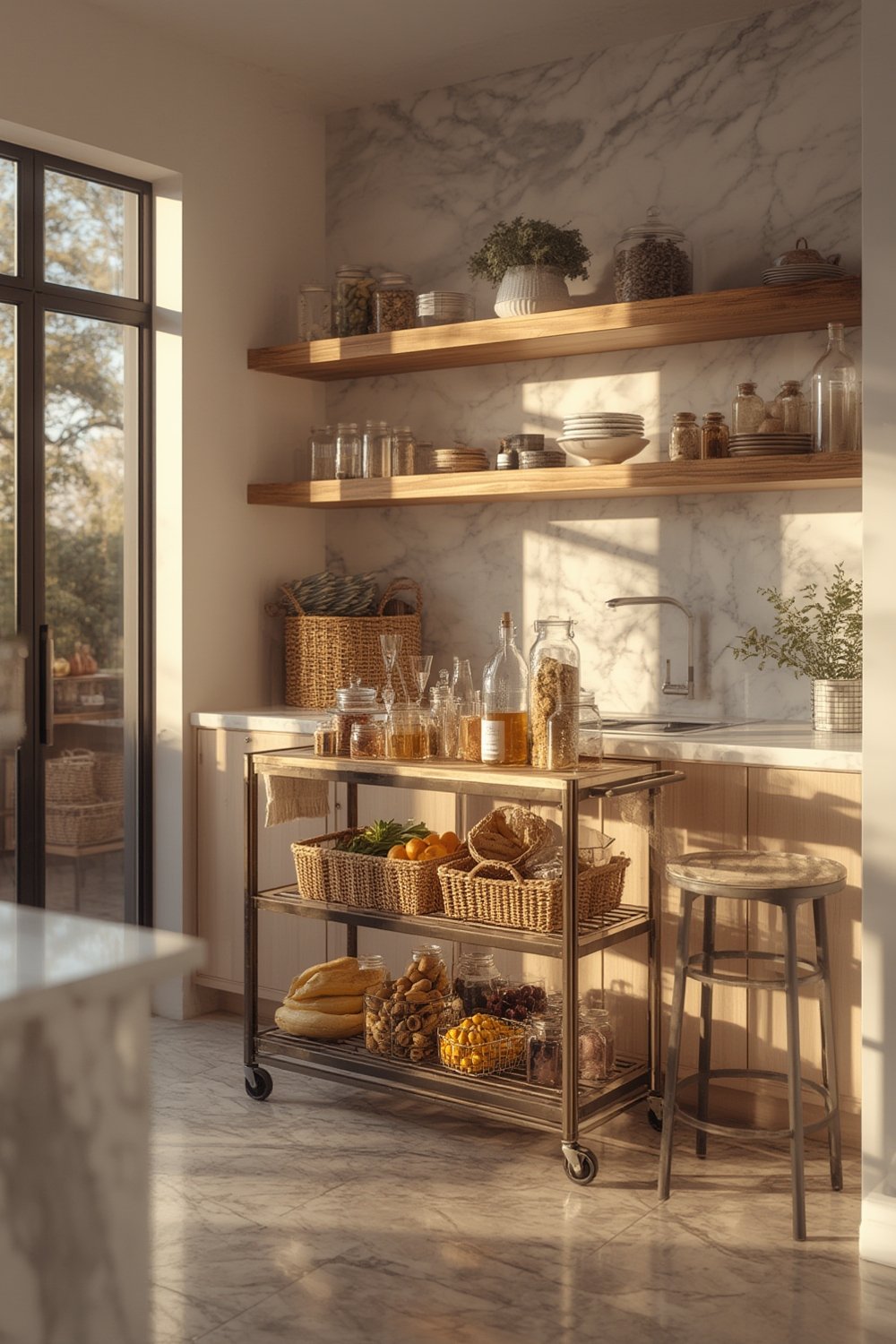
Market data underscores this trend. In 2024, the rolling storage cart market was valued between USD 4.2 billion and USD 2.95 billion. For portable kitchen carts, the value was USD 1.2 billion, projected to more than double by 2033. Much of this growth is thanks to urbanization—especially in Asia Pacific—and changing consumer habits like home cooking and frequent reorganizing.
Whether used for canned foods, baking supplies, small appliances, or as a mobile prep area, a rolling pantry cart brings flexibility and order, making it an attractive alternative to fixed storage solutions. The trend towards minimalist, multi-use, and space-saving kitchen gadgets aligns perfectly with the surge in rolling carts. For more tips to maximizing kitchen space, check out our related guide.
How to Choose & Use a Rolling Pantry Cart
Selecting and setting up a rolling pantry cart doesn’t have to be overwhelming. Here’s a clear step-by-step guide, with actionable advice for making the most of your new storage hero:
- Evaluate Your Space: Measure the area where you plan to use your cart. Account for door swings and walkways to avoid blocking access.
- Define Your Needs: Do you need more dry storage, a portable island, or extra pantry space for snacks? Identifying your primary goal will help narrow down models.
- Check Dimensions & Weight Capacity: Standard rolling pantry carts range from about 24 to 36 inches long, 12 to 18 inches deep, and 28 to 40 inches tall. Most support 25-75 pounds per shelf, but always review the specs, especially for heavy appliances or bulk food storage.
- Prioritize Material & Design: Metal carts are sturdy, great for heavy loads, and often have ventilated shelves. Wooden carts can blend with décor and offer warmth but may require maintenance. Plastic carts are lightweight and affordable but can be less durable.
- Focus on Wheels & Mobility: Look for carts with locking casters, shock-absorbing wheels, and smooth gliding. The best designs let you reposition the cart without it wobbling or marking the floor.
- Optimize for Organization: Adjustable or removable shelves, built-in baskets, hooks, and trays create more usable storage. Multi-tier designs help maximize vertical space, perfect for apartments or secondary pantries.
- Plan for Maintenance: Choose a finish that resists stains and is easy to wipe clean. Removable shelves or tray racks make deep cleaning easier—a key factor for long-term use.
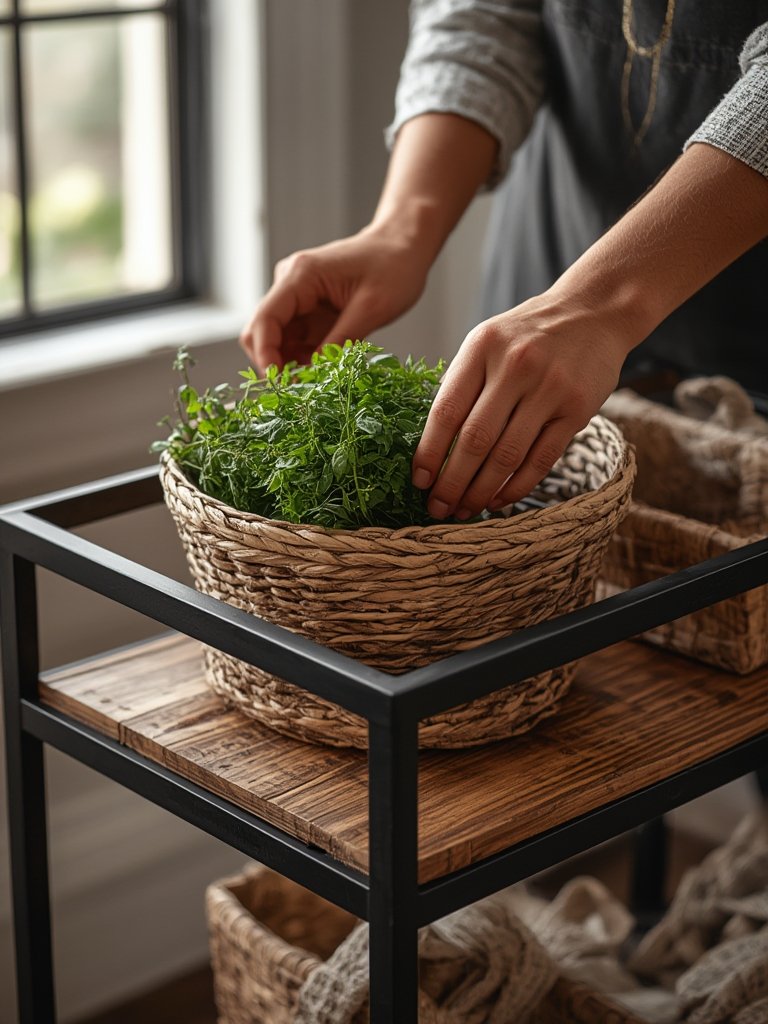
If your cart comes with adjustable shelving or modular pieces, experiment with different setups in the first week. Don’t forget to test the lock feature on the wheels frequently. Overloading even a premium cart can cause casters to loosen or shelves to bow—so regularly recheck stability, especially if you store heavy kitchen gadgets.
For renters and small-home dwellers, a rolling pantry cart can serve as a mini island, beverage station, or baking center that doesn’t crowd precious counter space. For more apartment-friendly solutions, see our essential kitchen gadgets list.
Advanced Analysis & Common Pitfalls
Rolling pantry carts solve major kitchen challenges, but they aren’t perfect. Here’s a look at practical issues and expert-level considerations before you buy:
- Lack of Detailed Specs: Many brands skip publishing detailed weight ratings or lifespan projections. If your cart will hold heavy items, look for models with reinforced shelves or consult manufacturer documentation.
- Durability & Materials: Newer carts highlight high-durability aluminum or polymer construction, but some plastic or lightweight designs may squeak or warp over time—especially with frequent moving or in humid climates. Wooden models look great but may require periodic tightening or refinishing.
- Limited Warranty Info: Warranty periods and coverage are often unclear. Budget carts may exclude coverage for wheels or hardware, so check details if you want long-term peace of mind. Maintenance needs vary—metal and plastic wipe down easily, but wood needs more care.
- Mobility Issues: Not all wheels roll smoothly. Low-quality casters stick, scrape, or mark floors, and uneven loading can make carts unstable. Prioritize carts with locking, shock-absorbing casters for daily use.
- Customization & Expandability: Most consumer models limit user-driven customization—adjustable shelves are common, but truly modular add-ons are rare. If you want to reconfigure your setup often, investigate commercial or semi-professional options.
- Price Transparency: Many retailers do not provide clear breakdowns by material, weight rating, or added features. Add up costs if you need accessories like shelf liners, bins, or replacement casters.
| Feature | Rolling Pantry Cart | Stationary Pantry Cabinet |
|---|---|---|
| Mobility | Portable, reposition anywhere | Fixed in place |
| Adjustability | Some adjustable shelves | Rarely adjustable |
| Load Capacity | 25-75 lbs per shelf | Higher – fixed shelves |
| Warranty Coverage | Often limited, varies by brand | Usually more robust |
| Customization | Low/moderate | Very limited |
Many competitor sites overlook ongoing maintenance or what to look for in resilient kitchen gadgets. It’s wise to wipe down surfaces weekly, test the wheels monthly, and avoid overloading or letting moisture sit—especially on wood—if you want your cart to last.
If you’re after even more space savers, review stackable storage ideas or check under-sink organizers as secondary solutions.

Conclusion
Rolling pantry carts provide flexible, affordable storage and organization for kitchens of all sizes. They’re ideal for renters, small spaces, and anyone seeking extra surface area or moveable storage. When carefully chosen and maintained, they can transform kitchen workflow without major renovations. Remember to assess your space, balance mobility and durability, and match features to your daily habits for best results. Ready to reclaim order in your kitchen? Consider adding a rolling pantry cart to your organizational toolkit today.
Frequently Asked Questions
What is the typical size of a rolling pantry cart?
Most consumer rolling pantry carts measure about 24 to 36 inches in length, 12 to 18 inches in depth, and 28 to 40 inches tall. Always check product details, as dimensions vary widely.
How much weight can a rolling pantry cart hold?
Weight capacities range from 25 to 75 pounds per shelf for most home models. For heavy appliances, look for reinforced shelves and consult manufacturer recommendations.
Do rolling pantry carts require assembly?
Yes, most arrive flat-packed and need moderate assembly. Expect to attach wheels and shelves using common tools. Some high-end models come pre-assembled.
How do I keep my rolling pantry cart clean and well maintained?
Wipe surfaces with a damp cloth weekly. Check and tighten screws or casters monthly. Avoid letting spills sit—especially on wood. Removable trays or shelves make deep cleaning easier.
What features should I prioritize for a small kitchen?
Choose a compact, narrow cart with locking wheels and as many tiers as possible. Adjustable shelves and slim designs maximize usefulness in tight spaces.