

Really cool kitchen gadgets are completely changing how we cook, clean, and organize our homes. Whether you’re aiming to save time, boost efficiency, or simply impress guests, today’s kitchen tools are smarter, more connected, and often surprisingly fun. This guide covers exactly what’s trending, how to choose the right gadgets, and the hidden pitfalls most blogs skip.
Key Takeaways
- The smart kitchen gadgets market is booming, with AI, voice control, and ecosystem integration leading innovation.
- Choosing the best gadgets requires balancing convenience, compatibility, and cost, while considering real installation and support needs.
- Common challenges include high upfront prices, learning curves, and potential smart home compatibility issues.
- What Makes Really Cool Kitchen Gadgets Stand Out?
- How to Make the Most of Really Cool Kitchen Gadgets
- Advanced Analysis & Common Pitfalls
- Conclusion
- FAQ
What Makes Really Cool Kitchen Gadgets Stand Out?
Today’s really cool kitchen gadgets are defined by their ability to merge convenience, efficiency, and design into seamless kitchen experiences. Unlike traditional appliances, these gadgets often include AI-powered features, voice control, and connectivity with smart home platforms like Alexa and Google Nest. Their popularity is reflected in the rapid growth of the smart kitchen market, projected to exceed $60 billion by 2030 (source).
Consumers are demanding more than just basic functionality. They want remote monitoring, integration into larger smart ecosystems, and devices that genuinely save time or reduce waste. For example, smart refrigerators now help track food freshness and minimize food waste—a direct response to daily kitchen frustrations. As design expectations increase, brands are investing in appliances that look as good as they operate, making sure they enhance rather than clutter modern kitchen spaces (source).

How to Make the Most of Really Cool Kitchen Gadgets
Getting the most out of really cool kitchen gadgets means more than just plugging them in. Here’s a clear step-by-step guide to evaluate, set up, and integrate these tools for maximum benefit:
- Assess Your Needs and Kitchen Size
Start by listing your top kitchen frustrations. Are you short on counter space? Struggling with meal prep time? If you’re looking to maximize space, check out these space-saving kitchen gadgets. - Prioritize Cross-Platform Compatibility
Before buying, ensure the gadgets play well with your existing smart home platforms. Interoperability issues are a hidden pitfall—especially for Alexa or Google Home users. Samsung leads in advanced smart home integration (source). - Research Setup, Installation, and Support Needs
Read reviews for long-term reliability and ease of installation. If you’re not tech savvy, opt for gadgets with strong customer support and straightforward setup. - Consider Long-Term Ownership Costs
Smart kitchen gadgets often cost more upfront. Account for app subscriptions, required accessories, and potential repair costs. Looking for essential kitchen gadgets that are actually worth it? See our worth buying kitchen gadgets guide. - Test, Adjust, and Automate
Leverage automation features—like programmable cooking or food waste tracking—rather than only using manual functions. The best results come from taking time to personalize automation settings. - Integrate Organizational Tools
Pair smart gadgets with physical organizers, like fridge or pantry organizers, to keep your space tidy and efficient. Our pantry organization system guide is a good place to start.
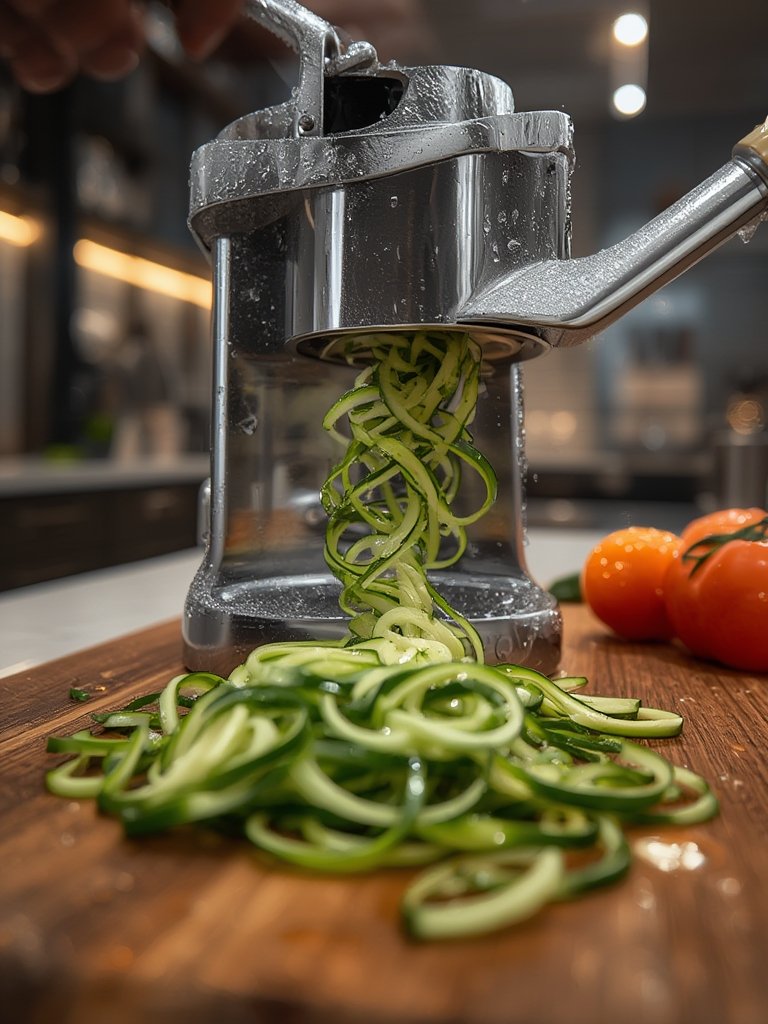
Don’t forget classic “manual” upgrades. The right vegetable chopper still outperforms most smart devices for slicing, so refer to our vegetable chopper review for well-balanced picks.
Advanced Analysis & Common Pitfalls
Despite market excitement and rapid innovation, even the most really cool kitchen gadgets come with trade-offs. Below is a summary of common pitfalls and real-world problems, based on industry data and recurring user themes:
- High Upfront Costs: Many smart gadgets are significantly more expensive than their conventional counterparts (source), deterring budget-conscious buyers.
- Setup and Learning Curves: Devices with advanced features may require lengthy initial setup, firmware updates, or app installations. Non-tech-savvy users can be left frustrated.
- Compatibility Gaps: Not all devices work seamlessly with every smart home platform. Integration issues can cause limited voice control or require juggling multiple apps.
- Reliability and Support: Limited data is available on long-term durability. When smart sensors or software fail, repairs are often less straightforward than with manual tools.
- Security and Privacy: Surprisingly, many competitor articles skip potential security vulnerabilities. Consider risks like data leaks, accidental recording, or unsupported software updates over time.
| Feature/Challenge | Smart Gadgets | Traditional Gadgets |
|---|---|---|
| Ease of Use | Requires setup, learning | Plug and play |
| Initial Cost | High | Low |
| Smart Home Integration | Usually included | None |
| Maintenance | Can require updates/support | Minimal |
| Data Privacy | Possible risks | No digital risk |
One way to balance advanced features with reliability is to pair smart devices with trusted manual tools. For example, see our trending kitchen gadgets for options that combine “smart” and traditional design.
Need an overview of the very latest kitchen upgrades for 2025? Browse our 2025 kitchen gadgets guide for cutting-edge picks, including top-rated smart air fryers and multi-cookers.

Conclusion
Really cool kitchen gadgets can dramatically simplify your cooking and organization, but it pays to think beyond the hype. Focus on genuine needs, prioritize compatibility, and mix smart tech with well-designed manual tools for the best experience. Ready to elevate your kitchen? Start by exploring essential must-have kitchen gadgets and make really cool kitchen gadgets work for you.
FAQ
What are the top features to look for in really cool kitchen gadgets?
Focus on voice control, smart home compatibility, automation features, and space-saving design. Ensure the gadget addresses a real problem in your kitchen.
Are smart kitchen gadgets safe?
Most smart gadgets undergo safety testing, but you should check for certifications. Be aware of potential data security risks, and keep device software updated.
How do I know if a gadget is compatible with Alexa or Google Home?
Look for compatibility logos on the packaging or the product description. When in doubt, check user reviews and the manufacturer’s site directly for details.
Do these gadgets save time compared to traditional tools?
When set up correctly, smart gadgets can automate repetitive tasks, saving time and reducing manual effort. That said, simple manual tools often outperform smart gadgets for single tasks.
What are some underrated kitchen gadgets to consider?
Manual tools like high-quality vegetable choppers, organizer bins, and stackable storage containers consistently deliver value and simplify daily routines. Check out our ultimate vegetable chopper review for tested picks.