

Pantry storage solutions can transform even the most chaotic kitchens into organized, efficient spaces. If your shelves are overflowing or you constantly lose track of ingredients, today’s market offers more options than ever—if you know what works and where to start. This guide explains realistic strategies, emerging trends, and measurable results so you can achieve a clutter-free, functional pantry that fits your actual needs and budget.
Key Takeaways
- The global pantry storage solutions market is growing, with innovative, modular, and smart systems making organization easier than ever.
- Common pitfalls include ineffective use of space, poor product durability, and failing to match storage solutions to real-life pantry needs.
- Strategic upgrades can reduce food waste and meal-prep time while boosting the visual appeal of your kitchen.
- The Core Concept: Pantry Storage Solutions Explained
- Step-by-Step Guide: How to Maximize Your Pantry Storage
- Advanced Analysis & Common Pitfalls
- Conclusion
- FAQ
The Core Concept: Pantry Storage Solutions Explained
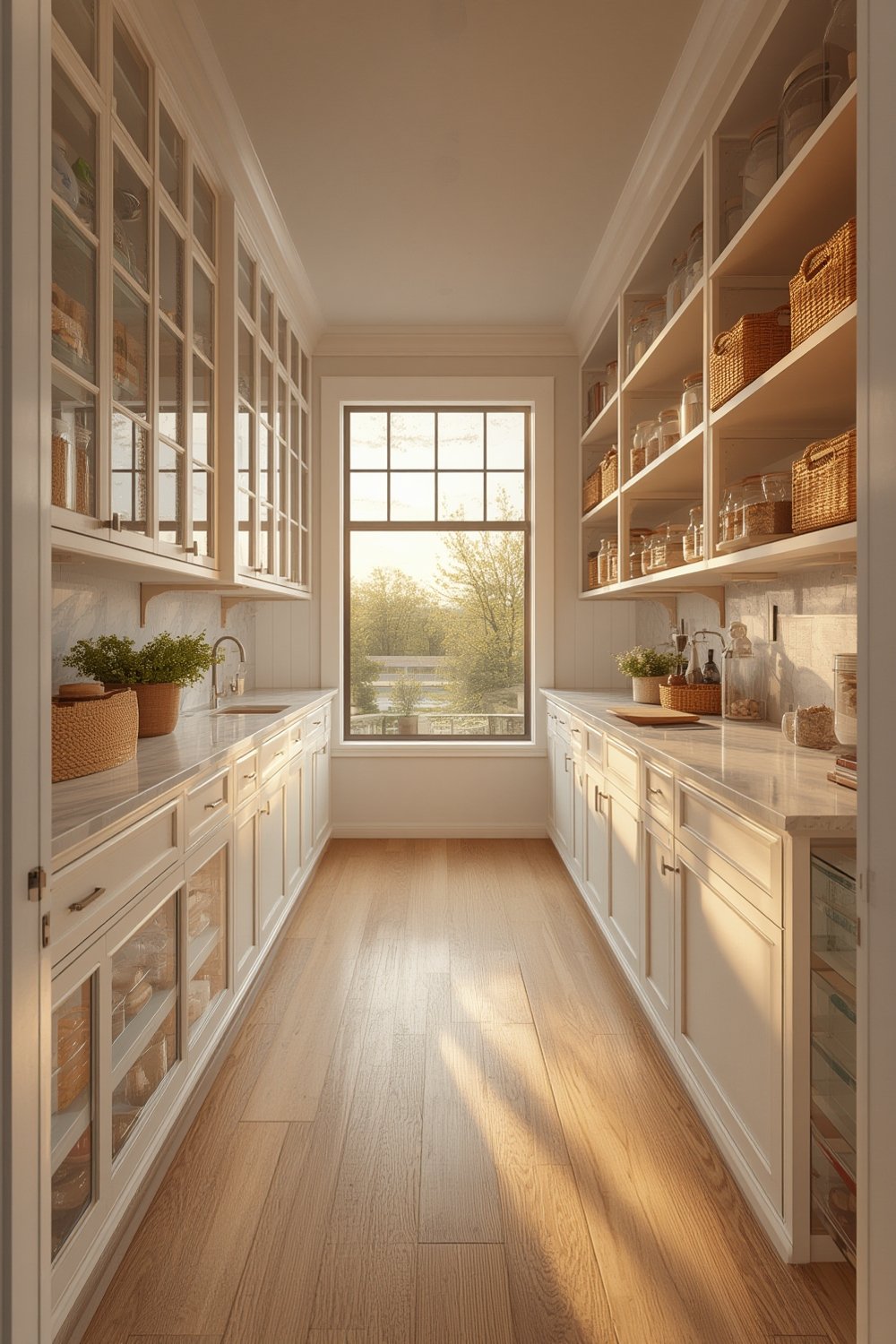
Pantry storage solutions are more than just bins and baskets—they’re an entire ecosystem of systems, containers, and shelving upgrades designed to maximize available space, reduce waste, and simplify cooking routines. This rapidly growing sector is projected to reach over USD 182 billion by 2030 as more households invest in efficient kitchen organization, responding to smaller living spaces and the surging popularity of bulk buying and meal prep.
What drives people to rethink their pantry? The most common pain points are wasted space (especially above or in corners), expired items lost in clutter, and frustration when containers or shelves simply don’t fit modern shopping patterns. Improvements in materials, modularity, and even smart technologies are beginning to resolve these issues, making it easier (and more affordable) to customize your pantry’s set-up.
Step-by-Step Guide: How to Maximize Your Pantry Storage
Taming your pantry is achievable—whether you have a closet, a cabinet, or open shelving. Here’s how to go about it in a way that gets real, lasting results:
- Audit what you have. Empty your pantry and group items by type: dry goods, snacks, baking, cans, jars, etc. Take note of out-of-date or duplicate items. The goal is to see your actual needs, not just what fits.
- Measure the space. Carefully measure shelf width, depth, and height. Pay special attention to vertical clearance—you may discover dead space above low items that’s begging for risers or additional shelving.
- Prioritize by access. Place most-used items at eye level and less-frequent ones higher or lower. Use deep drawers or pull-out baskets for heavy or rarely used bulk ingredients.
- Select the right containers and organizers. Choose bins, turntables, drawer dividers, or modular racks that fit actual product sizes (think tall cereal boxes, wide pasta bags, or small snack packs). glass food storage containers keep food fresh and highly visible, while metal racks increase load capacity and durability.
- Zone and label everything. Dedicate shelves or bins to pantry categories, and label clearly. This drastically reduces searching and helps the whole household keep things organized.
- Revisit and adjust. Seasonally or after any big lifestyle change (e.g., kids, dietary shifts), briefly repeat the audit and modify as needed. Your storage needs change—so should your solutions.

For even more optimization, you can add pantry organization systems designed for modular, pull-out, or vertical storage. Over-the-door racks are a great fit for renters or smaller kitchens, while lazy Susans can maximize hard-to-reach corners—see our detailed lazy Susan organizer buying guide for how to use these without wasting capacity. And don’t ignore drawer organizers for snacks or spice packets; find best practices in our drawer organizer inserts guide.
Advanced Analysis & Common Pitfalls
No system is perfect. Here are the top pitfalls and complaints users face, based on real review data and industry reports:
- Incorrect fit and wasted space: Not all pantries are alike. Many people buy generic organizers, only to discover that bulk items or tall boxes won’t fit, or that risers and baskets actually eat into available space. Custom measuring and modular options help avoid this.
- Poor durability: Cheap plastic bins or poorly made pull-outs often crack, warp, or lose latches, leading to frustration and wasted money. Investing in food-grade, durable materials (such as thick glass, metal, or high-grade plastics) is essential for longevity and safety. Look for glass containers or certified BPA-free options.
- Difficult installation and integration: Advanced solutions like sliding baskets or tall pull-out racks work best when sized and installed for your actual cabinets. DIY mounting often leads to wobbles or poor operation unless you follow precise instructions. Professional installation increases cost but pays off in feel and function.
- Messy upkeep and cleaning: Multi-component systems and wired racks can collect crumbs or are tricky to disassemble for deep cleaning. Opt for dishwasher-safe containers and easy-lift baskets whenever possible, or reference our dish drying rack guide for cleaning best practices.
- Lack of adaptability: Fixed shelving rarely accommodates lifestyle changes—think sudden influxes of bulk foods, baby needs, or new diets. Modular and adjustable systems solve this but may cost more initially.
- Style vs. function trade-offs: All-clear acrylic setups look great on social media but can require frequent cleaning and offer less privacy. Wood or opaque bins may look warmer but risk hiding forgotten items in the back. Pick the balance that works for you.
| Common Pitfall | Why It Happens | How to Avoid |
|---|---|---|
| Bins or racks don’t fit packages | Buying without measuring shelf height/depth | Measure first; choose multi-size, modular sets |
| Organizers break or warp quickly | Low-quality materials (thin plastic, weak hardware) | Look for durability specs; invest in sturdy brands |
| Hard to clean | Too many nooks, non-dishwasher safe items | Prioritize easy-clean designs, dishwasher compatibility |
| Fixed systems can’t adapt | No modularity, one-size-fits-all | Go modular; re-audit periodically |
For cost guidance, expect simple bins and racks to run $10–50 each, premium or modular solutions from $40–150+, and full custom cabinetry upgrades to easily exceed $1,500. Always compare specifications for load-bearing and food-safety certifications. For more on maximizing small spaces, see our actionable space-saving kitchen gadgets guide.

Conclusion
The world of pantry storage solutions is expanding quickly, blending smarter products with actionable strategies for every space and budget. The most effective results come from measuring, zoning, using the right-sized containers, and making regular adjustments. Avoid jumping straight for generic bins—understanding your pantry’s true needs is the best investment you can make.
Ready to revolutionize your kitchen? Start by applying the pantry storage solutions above, and bookmark this guide for regular tune-ups. For even more kitchen organization ideas and trending products, visit our guide to trending kitchen gadgets.
FAQ
What is the most cost-effective pantry storage solution?
Stackable clear bins, over-the-door racks, and modular adjustable shelves generally provide the best value and flexibility without requiring custom cabinetry. You can often overhaul a small pantry for under $100 by selecting the right mix for your actual needs.
Are glass pantry containers safer than plastic?
Glass containers are highly durable, stain-resistant, and lack chemicals like BPA, making them a very safe choice for dry goods. However, quality, certified food-grade plastics and silicone containers are also safe, lighter, and less likely to break if dropped.
How can I maximize a small or shallow pantry?
Use vertical space with risers or stackable bins, add a rolling cart in tight gaps, and choose pull-out baskets or slim sliding racks to utilize every inch. For more ideas, check out our rolling pantry cart guide.
How often should I reorganize my pantry?
It’s best to do a full audit seasonally or after big changes in your household. Even a quick monthly check to discard expired items and correct creeping clutter can keep your pantry efficient and easy to use.
Do smart or sensor-enabled organizers make a difference?
Smart pantry systems with inventory tracking and automated expiration alerts are emerging and may reduce waste and shopping time, but they’re generally pricier. Start with proven modular solutions, then add smart tech if you find value in tracking.