

Oil spray bottle technology has reshaped how both home cooks and health-conscious eaters control fats and flavor in the kitchen. Whether you want more precise portion control, easier meal prep, or greener kitchen habits, these small gadgets offer surprising impact with simple design.
Key Takeaways
- The oil spray bottle market is booming worldwide, driven by health and wellness trends and demand for reusable, eco-friendly products.
- Buyers should watch for common issues like poor spray mechanisms, clogging, and non-food-safe materials before making a purchase.
- Choosing the right oil spray bottle can maximize control, reduce waste, and support healthier cooking habits—if you avoid the typical pitfalls.
- What Is an Oil Spray Bottle & Why Use One?
- How to Use an Oil Spray Bottle: A Step-by-Step Guide
- Advanced Analysis & Common Pitfalls With Oil Spray Bottles
- Conclusion
- Frequently Asked Questions
What Is an Oil Spray Bottle & Why Use One?
An oil spray bottle is a small dispenser that sprays cooking oil in a fine mist, allowing you to cover pans, vegetables, or salads with a minimal, even coating. Unlike store-bought aerosol sprays, these bottles let you use your own oils—like extra-virgin olive oil—without added chemicals or propellants.
The market for oil spray bottles is expanding rapidly, valued at around USD 2.3 billion in 2024, with especially strong demand in eco-friendly, reusable products. Health-conscious consumers are a major driver, as portion control over fats continues to grow in importance. There was a remarkable spike in online search interest for “olive oil spray” in August 2025, as people increasingly look for more precise, mess-free cooking solutions.
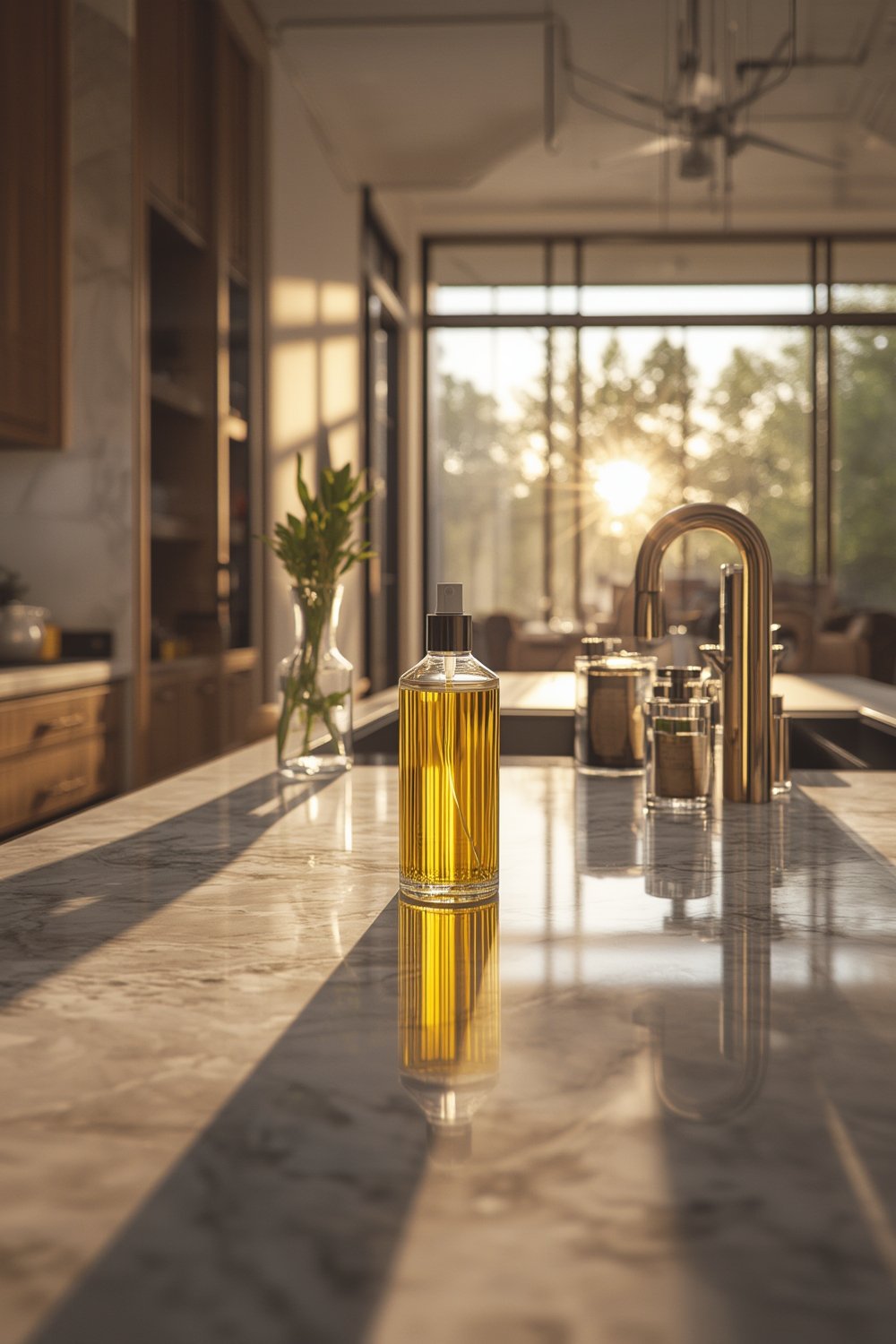
Oil spray bottles help avoid the heavy-handed “glug” of a typical oil pour. Every spritz is measurable—ideal for calorie tracking and ensuring just the right amount of coverage for air frying, grilling, or dressing greens. With the added bonus of cutting down on disposable aerosol cans, these bottles have become a must-have for modern and worth buying kitchen gadgets lists.
Beyond health, convenience is huge. They make meal prep faster, simplify non-stick cooking, and allow you to switch oils on the fly. If you live in a compact space, oil spray bottles pair perfectly with space-saving kitchen gadgets for a streamlined, organized kitchen.
How to Use an Oil Spray Bottle: A Step-by-Step Guide
Using an oil spray bottle properly maximizes both longevity and performance. Here’s a simple, actionable routine for daily use:
- Choose the right oil. Stick to liquid oils only (like olive, avocado, or canola). Avoid thick or solidifying oils, as these can clog nozzles.
- Clean the bottle before first use. Rinse the container with warm, soapy water and let it dry fully to avoid moisture causing spray issues later.
- Fill up to the recommended line. Never overfill—leave a small air gap so pressure builds for a fine mist.
- Test the spray mechanism. Before using on food, spray a few pumps into the sink to prime the tube and ensure an even mist.
- Spray 6-8 inches above the food. This maximizes even coverage and minimizes waste.
- Wipe the nozzle clean after use. Remove any oil drips to prevent clogging.
- Store upright in a cool, dry place.
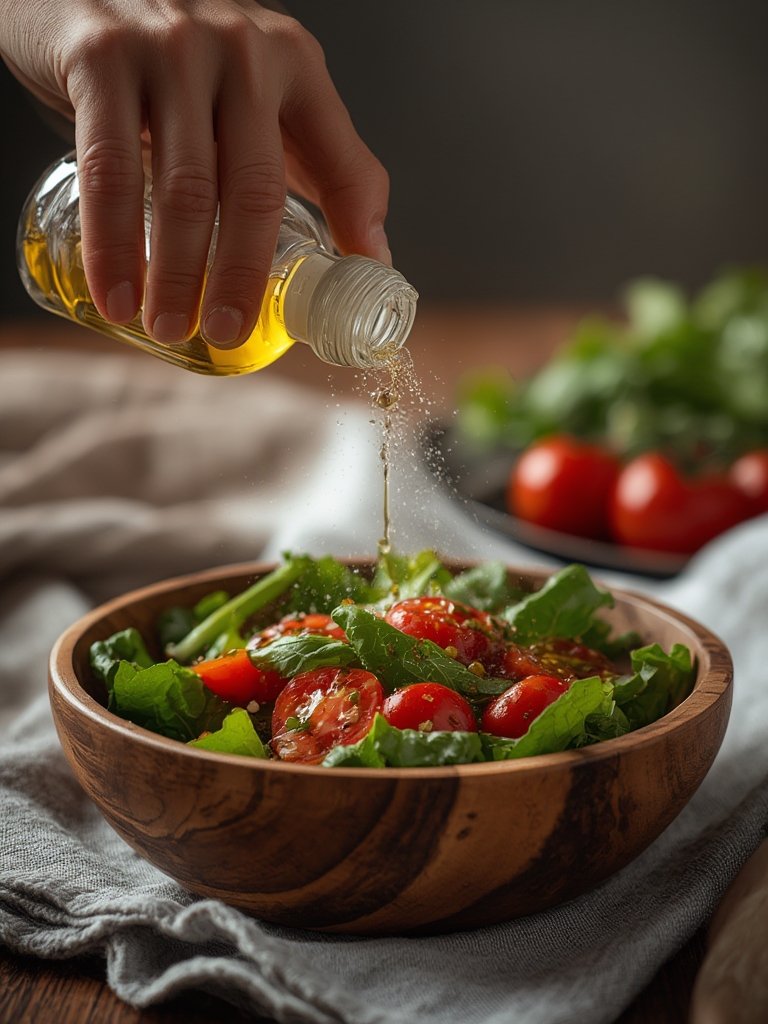
If you’re juggling prep and looking to save more time, pair your oil spray bottle with a vegetable chopper for quick, low-mess salad assembly. It’s one of the fastest ways to simplify cooking, especially for easy weeknight meals or batch prep.
For apartment dwellers and anyone challenged for cabinet space, this bottle also fits right into any apartment kitchen gadgets setup!
Advanced Analysis & Common Pitfalls With Oil Spray Bottles
While oil spray bottles can revolutionize healthy cooking, they’re not perfect. From technical issues to design flaws, understanding the downsides helps you buy smarter:
- Clogging & uneven spray: Oils with solid particles or using the wrong type of oil can cause blockages or spitting, making it difficult to get that fine “mist” effect. Thick oils or those that have begun to degrade (rancidity) also clog spray mechanisms.
- Material concerns: Many cheap models use plastics that are not BPA-free or food-grade. If you want to avoid chemical leaching or aftertastes, look for bottles made of glass or stainless steel for safety and recyclability.
- Durability: Some oil spray bottles lose their pressure quickly or the pump mechanism fails with repeated use—especially on budget models.
- Cleaning difficulty: Residual oil buildup is a major cause of clogging, but many bottles are not dishwasher safe or don’t come apart for full cleaning, which means more time spent on maintenance.
- Nozzle design: Poorly designed nozzles result in streams instead of mists—defeating the whole purpose for precise portion control.
| Feature | Glass/Metal Bottle | Plastic Bottle | Smart/Electric Sprayer |
|---|---|---|---|
| Food Safety | Typically high, inert | Check for BPA-free/food-grade | Varies, but more moving parts |
| Ease of Cleaning | Usually easy (dishwasher safe) | Some not dishwasher safe | Most not dishwasher safe |
| Durability | High for glass/metal | Moderate, may crack or discolor | Prone to malfunction |
| Spray Consistency | Stable mist | Varies widely | Consistent but can clog |
| Longevity | Years | Months to years | Highly variable |
Many consumers report dissatisfaction with low-cost, non-certified plastic bottles and “smart sprayers” with inconsistent performance. The market research suggests European buyers especially prefer glass or stainless steel for safety and recyclability.
If you’re in the market for durable kitchen tools, consider checking comprehensive kitchen gadget reviews so you don’t fall into the trap of prioritizing style over substance.

Conclusion
Oil spray bottles combine precise portion control, easy application, and eco-friendly design for healthier, cleaner cooking at home. While the market offers diverse choices, always check for food-safe certificates, easy-clean features, and durable materials. Steer clear of bargain plastics and test the spray before investing.
Looking to up your kitchen game? Pair an oil spray bottle with other advanced kitchen tools or cooking gadgets for efficient, delicious results. Ready to transform how you prep, cook, and eat? Invest in the right oil spray bottle—and see the difference in every meal.
Frequently Asked Questions
Do oil spray bottles really help cut calories?
Yes. By delivering a fine mist, they reduce the amount of oil used per application compared to pouring, especially helpful for calorie-conscious cooking. However, the exact calorie savings depend on your portioning. Always read spray metrics on your bottle for more accurate tracking.
What types of oils work best in these bottles?
Liquid oils like olive oil, avocado oil, and canola oil work best. Avoid thick, infused, or solidifying oils—they can clog the nozzle and result in uneven spray.
How often should I clean my oil spray bottle?
Ideally, rinse out the bottle every 1-2 weeks or at least when changing oils. Nozzle cleaning is key—soak it in hot water if spray performance drops.
Are all oil spray bottles food safe?
No, not all are built to food-grade standards. Look for bottles labeled BPA-free, food-grade, or made from glass or stainless steel for best safety.
Why does my spray bottle sometimes shoot a stream instead of a mist?
This often means the nozzle is clogged or there’s not enough air pressure. Clean the nozzle carefully and avoid thick oils or particles in the bottle.