

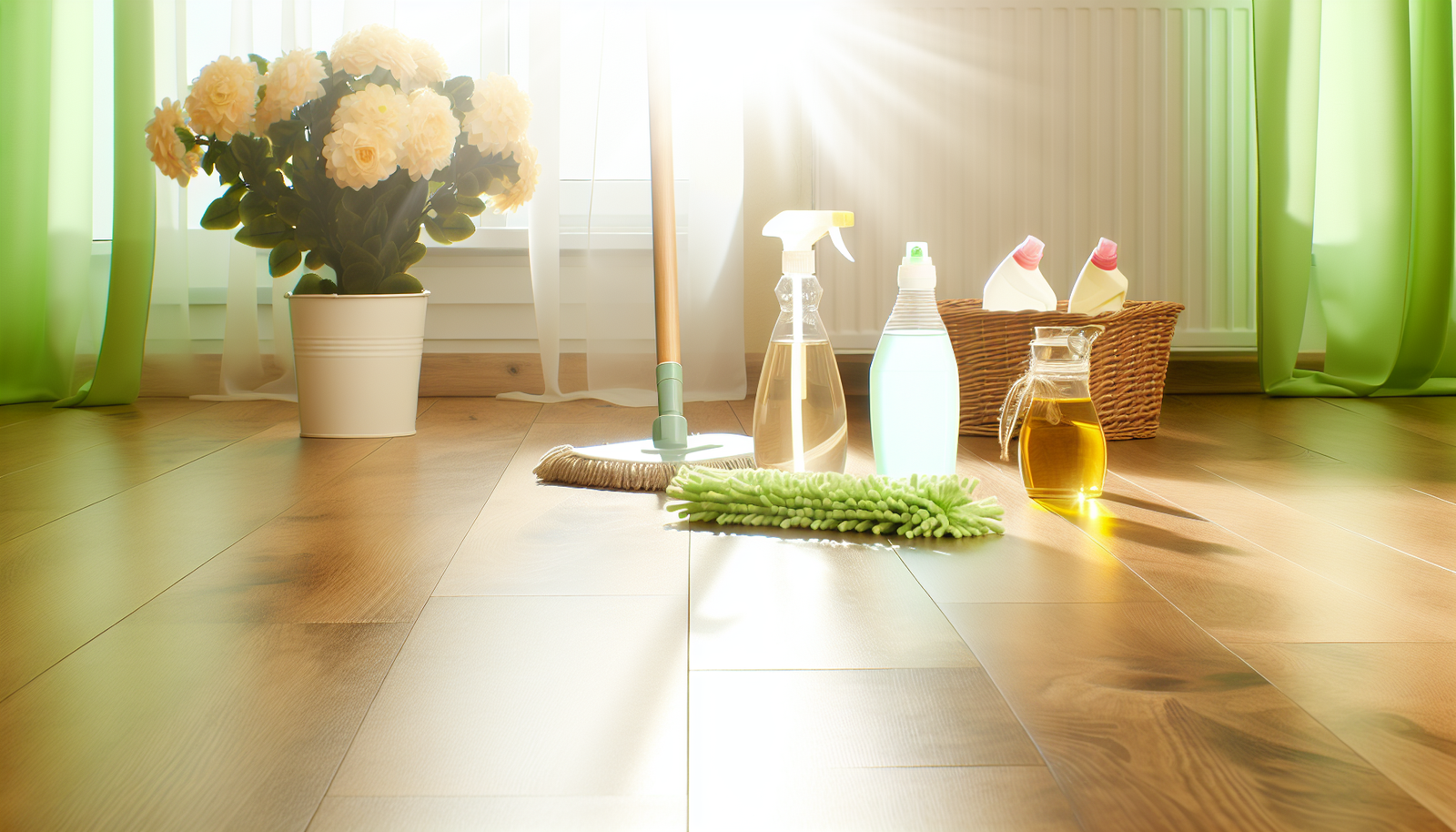
Maintaining the beauty of hardwood floors doesn’t have to rely on harsh chemicals. In this article, we explore natural methods to clean hardwood floors effectively, ensuring a safe and healthy environment for your family without compromising on cleanliness. From simple ingredients to practical techniques, discover how to rejuvenate your wood floors naturally.Natural Ways to Clean Hardwood Floors
Understanding Hardwood Floors: Natural Ways to Clean Hardwood Floors
Hardwood floors vary widely in species, construction and vulnerability, and those differences determine how you should clean them. Solid wood (oak, maple, walnut) is a single piece of lumber; engineered boards have a real-wood veneer over plywood and tolerate moisture and humidity shifts slightly better. Hardness, grain direction and porosity influence how stains set and how easily scratches show. Equally important is the finish: it is the barrier that protects the wood and dictates the safe cleaning methods.
Common finishes and how they behave
- Waxed finishes: Traditional paste waxes create a soft, sacrificial layer. They are porous, easily scratched and soluble in solvents. Water can bead but prolonged exposure will penetrate. Wax requires gentle maintenance (dusting, occasional buffing) and periodic re-waxing rather than aggressive wet cleaning.
- Oiled finishes: Penetrating oils (tung, linseed, hard oils) soak into the wood and leave a natural, matte look. They don’t form a film, so surface contaminants sit in pores; cleaning must avoid harsh detergents that strip oil. Maintenance entails cleaning with mild, oil-friendly solutions and periodic re-oiling to replenish protection.
- Polyurethane and modern film finishes: Water- or oil-based polyurethanes, UV-cured factory coats and aluminum-oxide factory finishes form hard, protective films. They are durable and water-resistant, allowing damp mopping, but are vulnerable to abrasion, chemical residue build-up and dulling from improper products (e.g., wax on polyurethane causes smearing and yellowing).Natural Ways to Clean Hardwood Floors2
Risks of improper care include moisture-induced swelling and cupping, finish haze or clouding from alkaline or acidic cleaners, stripping of oils or wax by solvents, and abrasive scratching from grit. To protect investment, match your cleaning approach to the finish, always test products in an inconspicuous spot, avoid overwetting, and treat signs of finish wear (patchy sheen, increased staining) as indicators for recoating or professional maintenance.
Preparing Your Space
Clear the area methodically. Start by removing smaller items first (rugs, lamps, plant pots) and then larger furniture. Instead of dragging heavy pieces across the floor, lift them or use sliders/soft felt gliders to avoid scratches. If a piece must be moved a long distance, enlist help or use a dolly with protective padding. Stack chairs and place protected furniture on a temporary runner to keep traffic off freshly cleaned areas.
Remove dust and loose debris thoroughly. Use a soft-bristled broom only for initial sweeping; a microfiber dust mop or a vacuum with a hardwood-floor attachment is far better for capturing fine grit that can abrade finishes. Work in sections moving toward a door or collection point. Pay particular attention to baseboards, corners, and under radiators where dust accumulates. Run the dust mop perpendicular to the plank grain as well as along the grain to pick up embedded particles.
Check for and address liquid or organic stains immediately. Blot—don’t rub—fresh spills with an absorbent cloth. For older stains, gently lift the surface with a clean, slightly damp cloth to see if residue comes free; if not, mark the spot for special treatment. Pet urine, deep water stains, ink, and dark, discolored patches often signal deeper penetration and may need professional attention rather than a routine natural clean.
Inspect the floor’s condition. Walk the area barefoot to feel for soft spots, gaps, or lifted edges indicating moisture-related issues. Note scratches, scuffs, or areas with build-up of dirt or old polish that could require targeted pretreatment (sanding, spot stripping) before applying any cleaners. Also check room humidity and temperature—avoid cleaning when the house is extremely humid or very dry.Natural Ways to Clean Hardwood Floors2
- Perform a spot test with any natural solution in an inconspicuous area before wide application.
- Protect trim and nearby woodwork by taping off or covering to prevent accidental wetting.
Once the space is prepared and problem areas identified, you’ll be ready to apply natural cleaning solutions safely and effectively.Natural Ways to Clean Hardwood Floors2
Natural Cleaning Solutions
Castile soap solution (degreaser and safe general cleaner)
Mix 1/2 cup (120 ml) distilled white vinegar per gallon (3.8 L) of warm water for most sealed polyurethane or urethane finishes. For delicate or older finishes, reduce to 1/4 cup (60 ml) per gallon. Test an inconspicuous area for 24 hours. Apply with a well-wrung microfiber mop or soft cloth and dry immediately—do not soak the floor. Avoid on waxed or unfinished/oiled floors (vinegar can strip wax and dull oil finishes).
Castile soap solution (degreaser and safe general cleaner)
Combine 1 tablespoon (15 ml) liquid Castile soap per gallon of warm water. For spot cleaning, use 1 teaspoon (5 ml) in a quart (1 L) of water. This mild soap is safe on sealed and oiled finishes when used sparingly. Use a damp — not wet — microfiber and rinse the cloth frequently to avoid soap buildup. Follow with a dry microfiber to remove residue.Natural Ways to Clean Hardwood Floors2
Essential oil boost (scent and antimicrobial support)
Add 8–12 drops of a pet-safe essential oil (lavender, eucalyptus*, or lemon) per gallon to either the vinegar or Castile mix for scent and light antimicrobial benefit. *Exercise caution: some oils (tea tree, citrus concentrated oils) can be toxic to pets; consult a vet before use and use no more than recommended.
Baking soda paste for scuffs
Make a paste of baking soda and water (about equal parts) and gently rub scuffs with a soft cloth. Wipe immediately with a damp cloth and dry. This mildly abrasive paste removes marks without harsh chemicals.
Oil-based refresh for oiled floors
For oiled floors, avoid acids and detergents. Use a damp cloth with a few drops of Castile soap in water for cleaning; periodically apply a thin coat of manufacturer-recommended maintenance oil. Always test first and avoid flooding the surface.
Always spot-test, avoid excessive moisture, and dry promptly to protect finishes and longevity.
Cleaning Techniques
Begin each cleaning session by removing loose grit—sweeping or using a dry microfiber dust mop prevents scratches caused by trapped particles. For routine wet cleaning, the key is *controlled moisture* and gentle motion. Use a well-wrung microfiber mop or a soft cotton cloth dampened with one of the natural solutions described earlier; the mop should feel barely damp to the touch. Work in small sections and always move with the direction of the wood grain to lift dirt from pores and avoid leaving streaks or cross-grain scratches.
Follow these practical techniques:Natural Ways to Clean Hardwood Floors2
- Two-bucket method: One bucket for the diluted cleaner and a second with clean rinse water. Rinse and wring the mop in the rinse bucket frequently so you’re not redepositing grime.
- Wringing and dampness control: Squeeze microfiber pads or cloths until almost dry. Excess water can swell boards and damage glue lines; if a mop head drips, re-wring before continuing.
- Spot cleaning: For sticky areas, use a soft sponge or microfiber cloth with a little cleaner—work gently along the grain and blot rather than scrub. For dried residue, soften with a damp cloth for a few minutes before wiping away.
- Edges and gaps: Pull debris from seams with a soft-bristled brush or an old toothbrush, then vacuum with a floor-attachment. Don’t force water into gaps.
- Drying: Immediately follow damp cleaning by buffing with a dry microfiber cloth along the grain to remove moisture and restore sheen.
Avoid steam cleaners, abrasive pads, and harsh scrubbing. Periodically launder microfiber heads to remove built-up residue, and always spot-test any method on an inconspicuous area to ensure compatibility with your floor’s finish.
Maintaining Your Hardwood Floors Naturally
Regular maintenance prevents the slow accumulation of grit, oil and invisible residues that shorten the life of hardwood finishes. Small daily habits and a predictable seasonal routine stop most problems before they require sanding or replacement. Keep a simple plan and act quickly on spills or pet accidents to avoid staining.Natural Ways to Clean Hardwood Floors2
Daily and weekly upkeep:
- Sweep or vacuum frequently with a soft-brush attachment to remove grit that abrades finish.
- Wipe up spills immediately with a soft, absorbent cloth — blot, don’t rub — and allow the area to dry naturally with good airflow.
- Use door mats and a no-shoes policy where possible; trim pet nails and use felt pads on furniture legs to reduce scratches.
- Rotate rugs and furniture occasionally to prevent uneven fading from sunlight and uneven wear.
Seasonal deep care:
- Once or twice a year, move furniture and clean under rugs; inspect for trapped moisture, pet stains or residue buildup.
- Perform a gentle deep clean using a natural wood-friendly cleaner (oil-based wood soaps or diluted Castile are good choices), then buff dry and allow the wood to rest so oils can penetrate.
- If finish feels dry, consider applying a thin coat of a natural maintenance oil (tung oil or a commercial plant-oil maintenance product) following manufacturer safety guidance.
Addressing scratches and finish wear naturally: Rub a shelled walnut or a little beeswax rubbed warm into fine scratches to darken and fill them. For deeper gouges, mix fine sawdust from the same wood with a bit of water-resistant glue or natural wood filler, fill, sand lightly and match stain with strong black-tea rinses for darker woods.Natural Ways to Clean Hardwood Floors2
Handling water damage: Act fast: blot moisture, increase air circulation, use fans and dehumidifiers. For white rings from moisture, try oil-based treatments (a tiny amount of mayonnaise or natural oil) worked gently to rehydrate the finish; persistent cupping or separation requires controlled drying and possibly professional sanding and refinishing.
Conclusions
Cleaning your hardwood floors naturally not only preserves their elegance but also contributes to a healthier home environment. By using simple, eco-friendly ingredients and techniques, you can keep your floors looking their best while protecting your family’s health. Embrace these natural methods for a sustainable cleaning routine that benefits both your home and the planet.Natural Ways to Clean Hardwood Floors2