


Meal prep kitchen tools can transform the way you save time, reduce stress, and eat healthier—even if your schedule feels impossible. But buying the wrong gadgets wastes money, leads to frustration, and can actually make meal prepping harder—especially for busy professionals.
Key Takeaways
- Meal prep kitchen tools save real time and energy, but buying poorly made gadgets often leads to leaks, breakage, and regret.
- Prioritizing durability, safety, and proven time-savings matters more than chasing every new feature or “smart” gimmick.
- There are hidden costs most buyers never consider, so smart choices can save you hundreds per year in avoided replacements.
- The Core Concept: What Are Meal Prep Kitchen Tools and Why Are They Rising?
- Step-by-Step Guide: How to Build a Meal Prep Toolkit that Pays Off
- Advanced Analysis & Common Pitfalls: What Tripwires Should You Dodge?
- Conclusion: Make Your Meal Prep Toolkit Work for You
- FAQ
The Core Concept: What Are Meal Prep Kitchen Tools and Why Are They Rising?
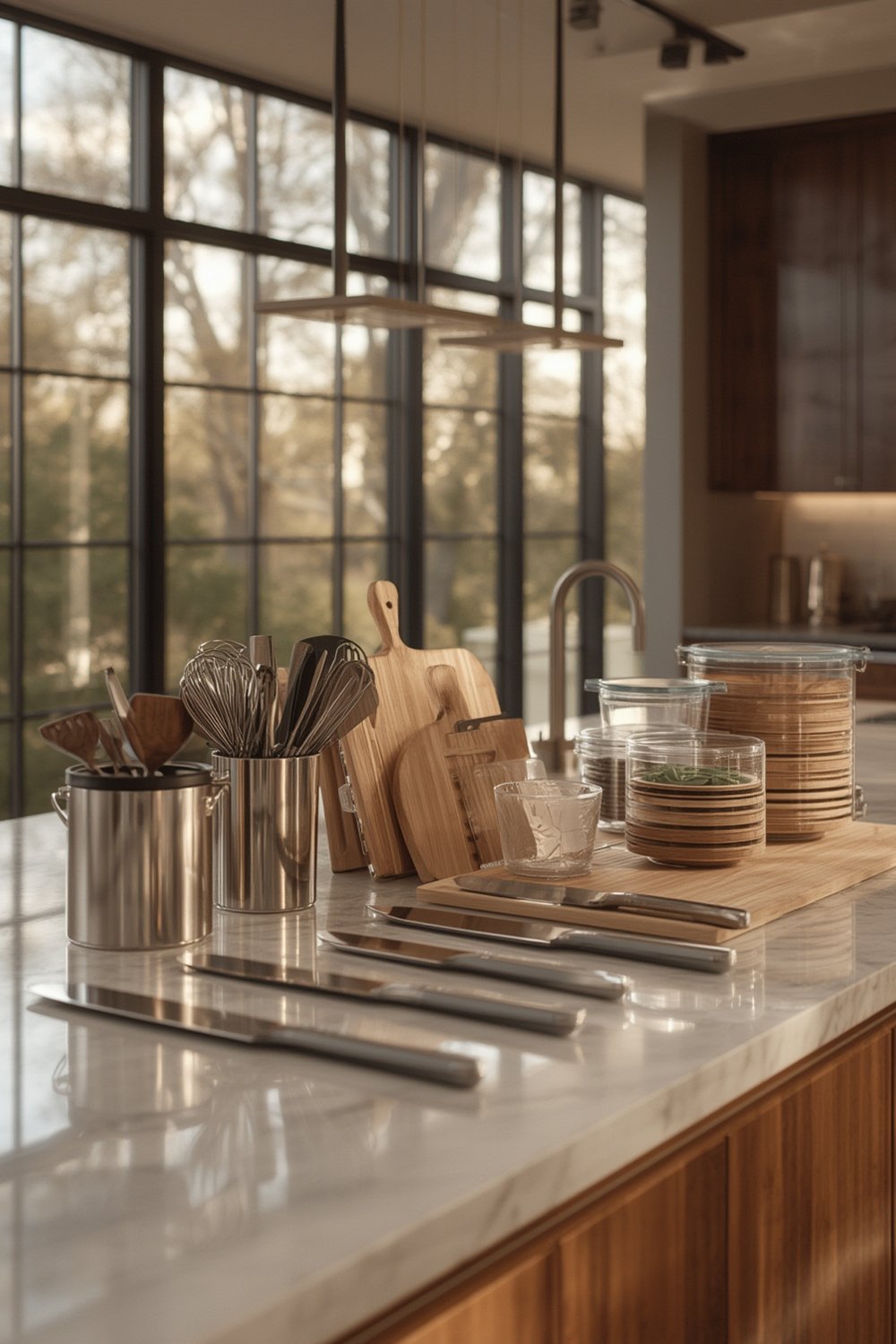
Meal prep kitchen tools are those gadgets and essentials specifically chosen to help you prep food ahead, portion meals, and streamline batch cooking. These tools include cutting and prep items (like chef’s knife and paring knife), cutting boards), electric food processors, slicers, blenders, multicookers, and all forms of sturdy storage containers.
The global kitchenware market is enormous—expected to reach USD 389.6 billion by 2025. Convenience, urbanization, and the demand for home-cooked, healthy food have driven demand for meal prep kitchen tools with features like stackability, smart automation, and speed.
Most busy professionals face the same pain: they’re short on time, want to eat better or save money, and need to make meal prepping realistic. The goal is not just to buy more gadgets, but to carefully select tools that will last, make batch cooking easy, and prevent headaches down the line.
Unfortunately, most top-10 lists on this topic gloss over pitfalls like long-term durability, replacement costs, and proven time savings. In reality, smart choices can mean the difference between an efficient, stress-free meal prep routine and a kitchen drawer full of unusable gadgets.
Step-by-Step Guide: How to Build a Meal Prep Toolkit that Pays Off
- Start with essentials. Don’t chase every trend. Instead, cover the basics:
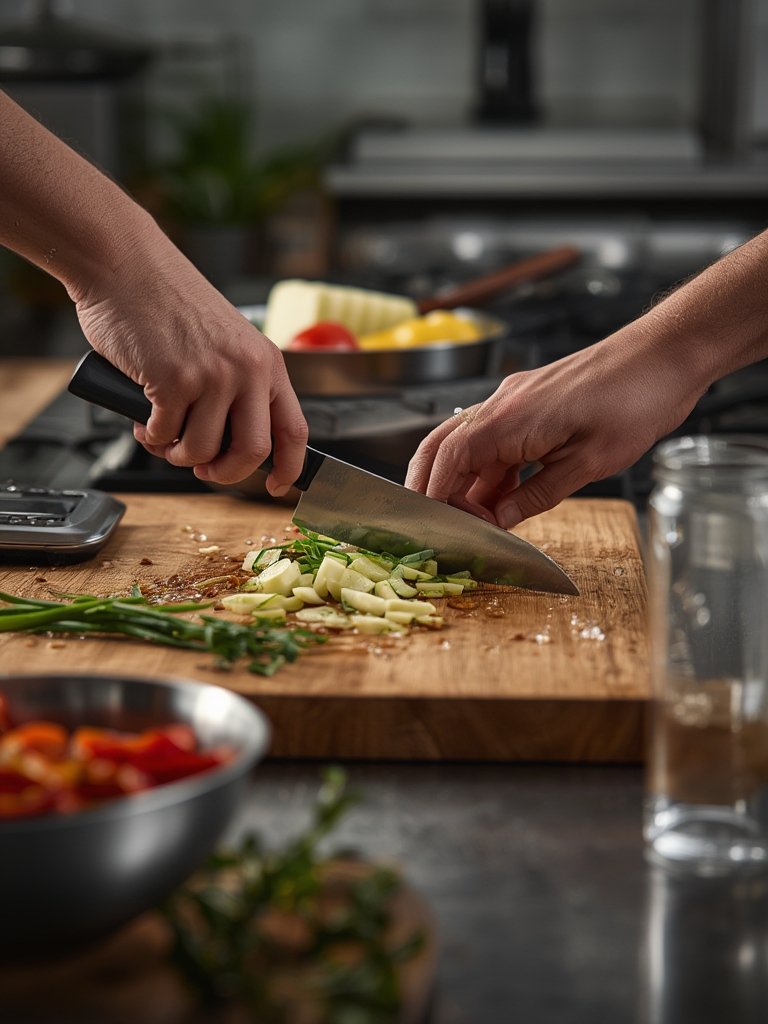
- Sharp, reliable chef’s knife and paring knife
- Large and small cutting boards
- Food processor (8–12 cup range) for fast chopping/slicing
- High-speed blender or immersion blender
- Instant-Pot-style pressure cooker
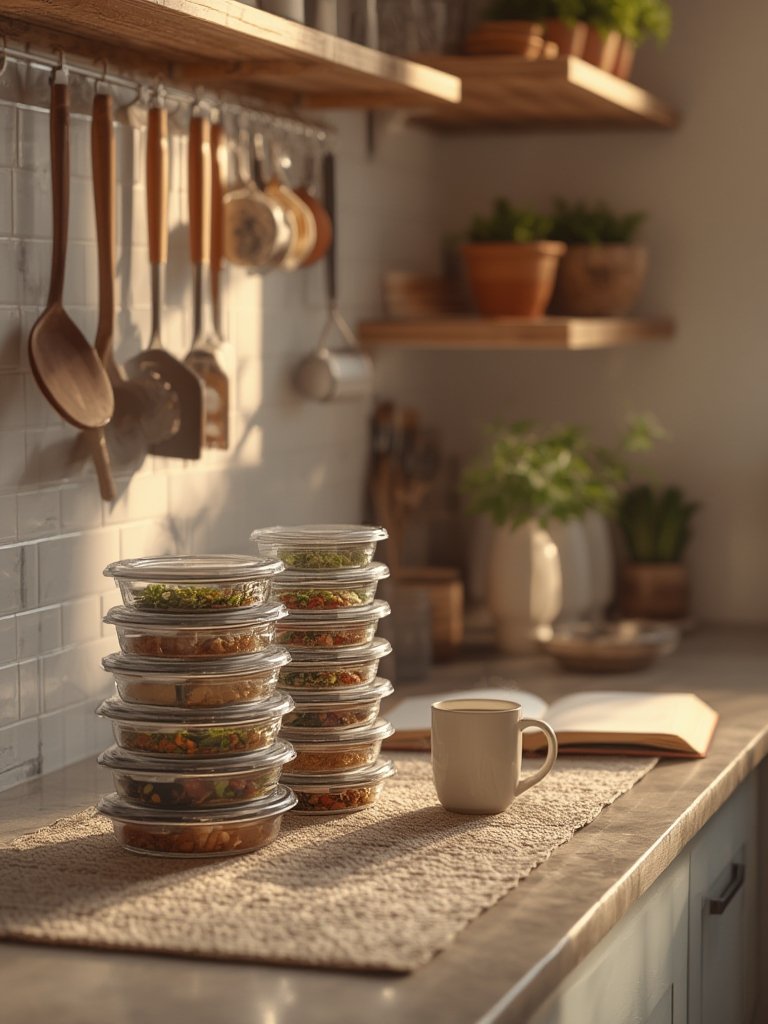
- Leak-proof meal prep containers (preferably glass or thick BPA-free plastic)
- Measuring cups/spoons, digital kitchen scale (for portioning)
- Choose durability and proven performance over “as seen on TV”. Look for independent reviews or measured test results that show time savings—such as:
- Multicookers cutting cooking time by up to 70%
- Food processors that halve or better your chopping and slicing time
- Prioritize ease of cleaning and actual leak-proofing. Dishwasher-safe is a start—but also look for removable gaskets and designs that prevent food debris buildup. Pay extra for containers and choppers that survive repeated use.
- Opt for modular, stackable, or compact designs. This not only saves storage space but also helps maintain organization for weekly prepping. For small kitchens, apartment kitchen gadgets make a big difference.
- Set a realistic budget based on your prepping needs. Expect an upfront range of $750–$1,700 for a durable, comprehensive meal prep kitchen tool kit (midrange brands), and budget $90–$240 per year for ongoing replacements and maintenance. Cheap sets will cost less up front—but likely lead to more frequent replacements, as outlined in our worth buying kitchen gadgets guide.
Want specific batch-saving advice? Stackable lunch containers can streamline work lunches and help you portion for an entire week in minutes. Check our stackable lunch containers guide for layout ideas.
When outfitting your kit, don’t forget:
- Knife sharpener (blunt blades are a leading cause of injury and inefficiency—see our knife drawer organizer piece for safe storage)
- Programmed multicookers can automate batch cooking for hours with no supervision
- Connected smart kitchen scales sync with apps for tracking portions and nutrition. Learn more in our smart kitchen scale guide.
Advanced Analysis & Common Pitfalls: What Tripwires Should You Dodge?
Even the best meal prep kitchen tools come with potential frustrations. Learning from common pitfalls will save money and headaches:
| Common Pitfall | Underlying Cause | How to Avoid |
|---|---|---|
| Plastic lids cracking/leaking | Low-quality materials or design flaws; repeated dishwasher/microwave use | Choose glass containers or reputable brands with strong warranty/recall history. Replace gaskets proactively every 1-2 years. |
| Food choppers/slicers breaking or dulling fast | Cheap metals, overloaded usage, or unclear assembly instructions | Invest in fewer but higher-grade items; sharpen/replace blades regularly. For selection tips, see our vegetable chopper guide. |
| Meal prep tools too bulky for small spaces | Not measuring storage before purchasing; buying full sets with unused gadgets | Prioritize space-saving kitchen gadgets and modular designs. Our space-saving kitchen gadgets roundup has practical examples. |
| Complicated cleaning/assembly | Multiple small parts or non-detachable gaskets; design prioritizes features over simplicity | Select tools with as few parts as possible, dishwasher-friendly, and removable seals. Clean and dry components after each use. |
| Safety risks (cuts, burns, electric shock) | Lack of blade guards, unstable slicers, uncertified electronics | Always seek safety certification and strong customer safety reviews prior to purchase. |
| Hidden replacement costs | Frequent breakdown of lids, seals, or cheap gadgets | See our breakdown of ongoing costs above—budget for $90 to $240 per year for maintenance to avoid surprise expenses. |
| Noise from processors/blenders | Motor quality, lack of insulation | Check product dB ratings and user reviews for noise issues, especially for shared spaces/early hours. |
Additional common issues not discussed in most best-tool lists:
- Few articles detail the total cost of ownership or durability of gear—a major pitfall for anyone who wants lasting value.
- Lack of attention to ergonomics (hand fatigue, accessibility) and actual safety record, which are crucial for daily, repetitive prep.
- “Smart” meal prep kitchen tools can be a double-edged sword: while Wi-Fi/app integration can automate reminders or tracking, they can also introduce bugs or setup headaches that don’t justify the hassle unless tied to proven savings or organization.
- Check recall history! Recent incidents include multicooker lid failures, blender blade assemblies breaking, and cheap choppers with poor hand protection. These can not only waste money but present real safety hazards.
For more analysis of whether a specific gadget is worth it, browse our deep dive: is a vegetable chopper worth it.
Conclusion: Make Your Meal Prep Toolkit Work for You
The right meal prep kitchen tools can save hours each week, slash food waste, improve your nutrition, and relieve daily stress. But random purchases usually lead to disappointment, clutter, and wasted cash. Instead, invest in durability, prioritize actual ease-of-use and proven time-savings, and keep an eye on annual maintenance costs and certifications.
Your ideal toolkit should fit your kitchen and your routine—not the influencer’s. Take a step today: audit your current setup, compare it with the steps above, and upgrade your essentials for long-term success. Explore more meal prep tools and smart upgrades by browsing our latest guides—get started with the ultimate must-have kitchen gadgets post.
Building your meal prep kitchen tools arsenal the smart way pays you back in time, safety, and satisfaction. Ready to take control? Start with your next prepping session—and let your tools do the work!
FAQ
What are the minimum essential meal prep kitchen tools for a beginner?
You’ll need a reliable chef’s knife, a large cutting board, at least one set of meal prep containers, and measuring cups/spoons. A food processor and multicooker make large-batch prep much faster but aren’t strictly mandatory to start.
Is it worth spending more on premium-quality meal prep containers?
Yes. While cheaper plastic containers can work short-term, they often crack, warp, or leak. Investing in heavy-duty glass or reputable BPA-free containers with strong warranties saves money and frustration over time.
How do I store meal prep kitchen tools in a small kitchen?
Opt for modular or stackable designs, and use drawer/cabinet organizers. Tools like collapsible colanders or stackable lunch containers help maximize space. See our space-saving kitchen gadgets post for practical ideas.
What features should I look for to ensure safety with meal prep gadgets?
For powered tools, verify UL, ETL, or CE safety certifications. Look for reliable blade guards on slicers and choppers, and always check recent safety recall history. Removable gaskets and handles with non-slip grips improve safety during repetitive use.
How much should I budget each year for maintaining my meal prep kitchen tools?
Expect to spend about $90–$240 annually on replacement lids/gaskets, sharpenings, and the occasional gadget replacement. Higher-quality purchases upfront often reduce these ongoing costs.