

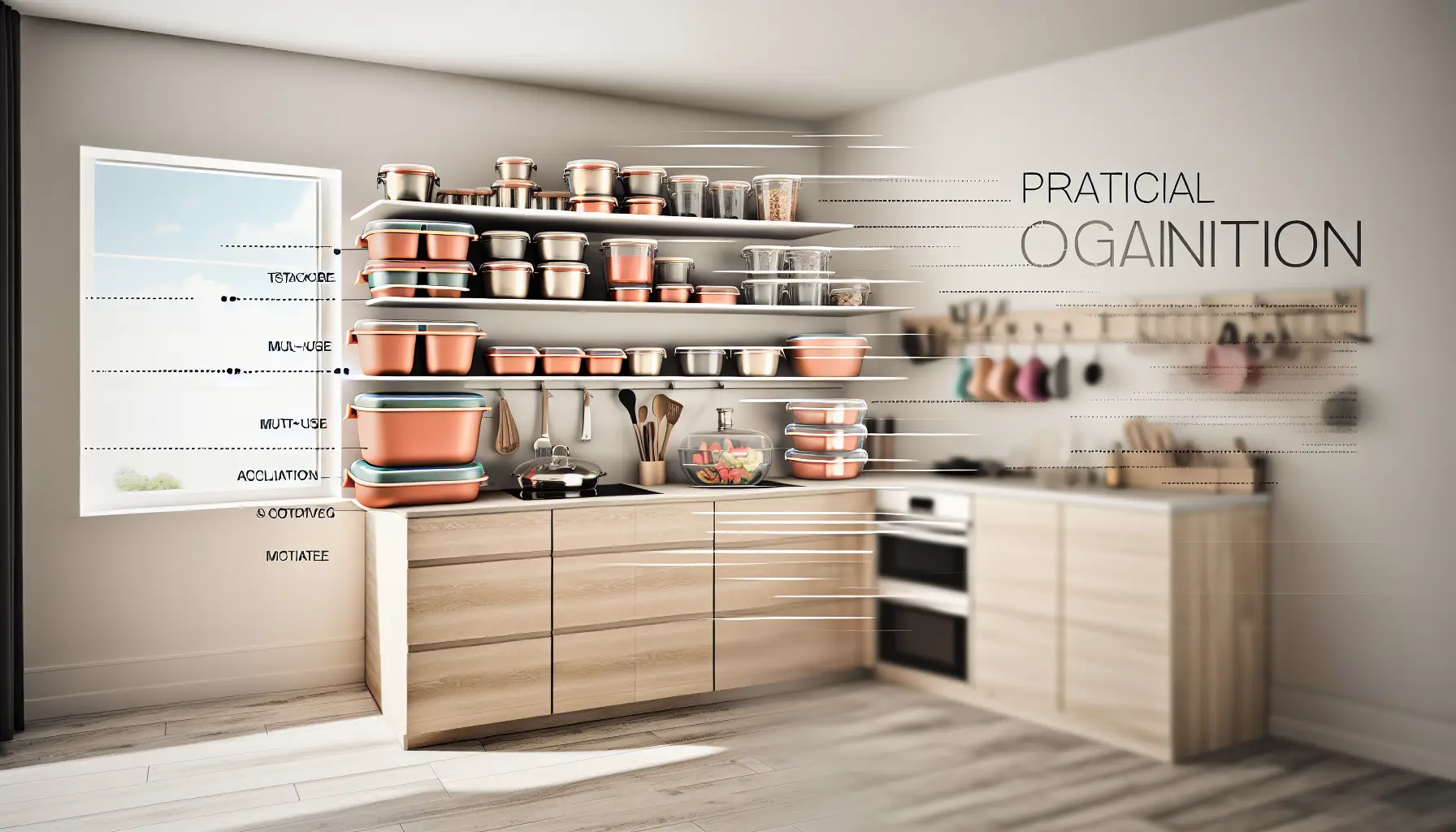
In today’s fast-paced world, effective kitchen organization is crucial. Space-saving kitchen gadgets not only enhance efficiency but also transform cluttered areas into organized, functional spaces. This article explores essential tools designed to maximize kitchen space without sacrificing functionality, ensuring that cooking becomes a joy rather than a chore.Maximizing Space in Your Kitchen Gadgets
Maximizing Space in Your Kitchen Gadgets
Modern kitchens are increasingly stretched thin — smaller footprints, open-plan living, and the expectation that the kitchen serves as a workspace, social hub and storage zone at once create real pressure on functionality. When counters disappear under appliances and prep tools, the result is more than inconvenience: inefficient mise en place, interrupted cooking flow, and even safety hazards from cramped work zones. Limited surface area forces cooks to juggle tasks, clear space repeatedly, or abandon recipes that require several simultaneous steps.
Inadequate storage compounds the problem. Shelves and cabinets that aren’t optimized cause items to be buried, duplicates to accumulate, and inventory to be forgotten. That leads to wasted food, impulsive repurchasing, and the frustrating hunt for a single measuring spoon. The physical clutter of utensils and small tools also steals mental bandwidth — visual chaos makes it harder to plan, improvise and enjoy the process of cooking.
Beyond physical constraints, space issues break the kitchen’s workflow: prepping, cooking and plating should feel like connected stages, but when tools and ingredients are poorly organized those stages fragment into awkward trips across cramped counterspace. This undermines experimentation — fewer tools at hand mean fewer techniques attempted, shrinking culinary creativity.Maximizing Space in Your Kitchen Gadgets
Space-saving gadgets aren’t a cosmetic fix; they’re targeted interventions that restore function. By emphasizing verticality, collapsibility and multifunctionality, the right tools reclaim usable surfaces, reduce visual clutter and keep essentials within reach. They preserve key work zones, protect fragile items, and simplify inventory visibility so cooks can focus on technique rather than logistics.
Choosing solutions thoughtfully matters — the goal is to enhance workflow and durability, not to trade one clutter for another. When selected to complement how you cook, space-saving gadgets transform restriction into an invitation to cook smarter and more creatively.Maximizing Space in Your Kitchen Gadgets
Innovative Gadgets for Storage and Organization
Smartly designed gadgets turn cramped cabinets and cluttered countertops into efficient working zones. Begin with **stackable containers**: choose a set with uniform base footprints and interlocking lids so they behave like LEGO bricks in pantries and fridges. Opt for clear or frosted BPA‑free plastic or tempered glass with silicone seals—glass resists staining and stays odor‑free, while lightweight plastics maximize shelf load. Measure shelf height and door clearance before buying; short, wide containers often stack more stably than tall narrow ones. Use stackable containers not just for dry goods but for prepped ingredients—label lids with contents and date so you can nest stacks in the refrigerator and immediately see what’s available during cooking.
Magnetic solutions reclaim vertical metal surfaces. A **magnetic spice rack** mounted to the side of the fridge or an exposed cabinet face moves spices to eye level and near the stove, shaving seconds off routine seasoning. For reliability, use strong neodymium-mounted jars with metal lids or add metal discs to existing glass jars; standardize jar sizes so the rack holds them securely. Extend the magnet concept to knife strips (safer than loose blocks), magnetic hooks for measuring spoons, and magnetic clips for recipes.
Over‑door and door‑mounted organizers multiply usable surfaces without altering footprint. A slim **over‑door pantry organizer** with shallow bins is ideal for foil, wraps, snacks, and small tins; for cabinet doors, install shallow racks for lids, cutting boards, and frequently used oils—pay attention to weight ratings and hinge clearance. Combine with under‑shelf baskets and tiered risers inside cabinets to create horizontal layers, and use adjustable drawer dividers for utensils so tools are visible and grab‑and‑go. These gadgets, when chosen for compatibility and placed by task, keep essentials within arm’s reach and reduce the friction of everyday cooking.Maximizing Space in Your Kitchen Gadgets
Multifunctional Tools to Save Space and Time
Multifunctional kitchen tools shrink clutter and speed workflow by combining tasks that used to require several single-purpose items. A well-chosen food processor, for example, can slice, shred, knead, and puree: swapping out a mandoline, box grater, dough hook and blender saves cabinet space and reduces cleanup. Look beyond brand names to assess bowl capacity, feed-tube size, and the variety and build quality of blades and discs; stainless steel attachments and a tight-fitting lid mean better performance and longer life. Handheld (immersion) blenders are another space-saver: with detachable shafts and accessories such as a whisk
All-in-one measuring tools—think adjustable measuring spoons, collapsible measuring cups that nest, and digital measuring spoons/scales—consolidate dozens of tiny pieces into one tool that still delivers precision. A digital measure-with-scale is particularly useful for bakers and portion-conscious cooks, eliminating the need for both bulky measuring cups and a separate scale. When evaluating multifunctional items, consider these practical criteria:
- Frequency vs. specialty: If you use a function daily, a multi-tool is ideal; for rare, demanding tasks, a dedicated tool may perform better.
- Cleaning and maintenance: Fewer parts that disassemble easily are worth more than a slightly cheaper, fiddly model.
- Storage footprint: Choose units with vertical storage options, cord wraps, or wall-mount brackets to save counter and cabinet space.
- Modularity: Replaceable parts and optional attachments extend usefulness without increasing clutter.Maximizing Space in Your Kitchen Gadgets
Used thoughtfully, multifunctional tools reduce the number of gadgets you own, streamline prep and cleanup, and leave room for compact appliances when you need more power or capacity.
Compact Appliances That Maximize Efficiency
Compact appliances are engineered to compress capability into a small footprint without sacrificing performance. Mini food choppers, for example, use optimized blade geometry and high-torque motors to process herbs, nuts, and small volumes of vegetables quickly. Their shallow bowls and snap-on lids are designed to nest inside cabinets or be stacked with other small tools, and many feature removable, dishwasher-safe parts for effortless cleanup. Because they excel at repetitive, short tasks, they change the rhythm of prep—encouraging batch mini-processes (chop, pulse, blend) that keep counters clear.
Single-serve coffee makers demonstrate how vertical design and smart water-routing can reduce counter real estate while delivering tailored results. Modern units incorporate adjustable drip trays, integrated grinders or reusable filters, and programmable brew sizes so you can brew a concentrated shot or a full mug without needing a separate coffee setup. Look for models with insulated thermal carafes or low standby power draws to minimize energy use and heat transfer to surrounding areas.Maximizing Space in Your Kitchen Gadgets

Countertop ovens and compact convection units offer genuine kitchen consolidation: they combine baking, broiling, toasting, and often air-fry functions in envelopes far smaller than full ovens. Their rapid convection cycles and efficient insulation reduce cook times and heat escape, making them suitable for small kitchens where minimizing residual heat is important. Removable racks, crumb trays, and modular pans mean the device can be reconfigured for sheet baking, roasting, or crisping while being stored on a high shelf when not required.
Consider these practical selection criteria:
– *Footprint vs. capacity:* choose an appliance sized to your typical batch, not peak occasions.
– *Modularity and storage:* collapsible, stackable, or detachable parts ease stowing.
– *Serviceability and materials:* durable components and replaceable parts extend lifespan.
– *Energy and noise:* efficient motors and insulation reduce utility and disturbance.
Investing in compact appliances smartly aligns tools to real kitchen workflows—minimizing clutter while preserving the range of tasks a home chef needs.
Implementing a Sustainable and Organized Kitchen
Adopting space-saving gadgets becomes truly transformative when paired with deliberate, repeatable routines and sustainability-minded choices. Start by mapping your kitchen workflow into zones — prep, cooking, cleaning, pantry — then assign each gadget a home in the zone where you use it most. Small, visible changes create big habits: keep collapsible colanders and nesting measuring cups in the prep drawer; mount magnetic knife strips near the stove; store stackable stainless bowls in the immediate prep area. These placement decisions reduce friction and encourage consistent use.Maximizing Space in Your Kitchen Gadgets
Prioritize durable, reusable items that minimize waste over single-use convenience. Choose high-quality stainless steel, cast iron, or certified food-grade silicone for collapsible storage; favor glass or aluminum for jars and bottles that can be sterilized and reused. Opt for beeswax wraps and silicone lids instead of cling film, and replace disposable sponges with compostable cloths or cellulose sponges. When selecting gadgets, evaluate repairability and warranties — long-lived tools lower lifecycle environmental impact and save money.
Make small system rules to keep space-saving measures effective:
- One-in, one-out: remove or donate an item when you add a new gadget.
- Monthly pantry audit: rotate older items forward, check seals, vacuum-pack bulky staples to reduce volume.
- Weekly reset: spend 10 minutes returning tools to their assigned spots after deep-cleaning or entertaining.
Integrate habit triggers: link a new habit to an existing one (e.g., after you unload the dishwasher, fold and store collapsible containers), label clear containers for easy identification, and use transparent stacking for quicker inventory. Consider secondhand marketplaces and bulk refills to reduce packaging waste. Finally, embed repair and donation in your routine — keep a small repair kit and a donation bin to ensure gadgets are mended or passed on rather than discarded, creating a sustainable, harmonious kitchen workflow.
Conclusions
In conclusion, embracing space-saving kitchen gadgets can dramatically enhance organization and productivity in your cooking area. By investing in multifunctional and compact tools, you not only create a clutter-free environment but also cultivate a joyful cooking experience. Transform your kitchen into a space that inspires culinary creativity and efficiency.Maximizing Space in Your Kitchen Gadgets
—