

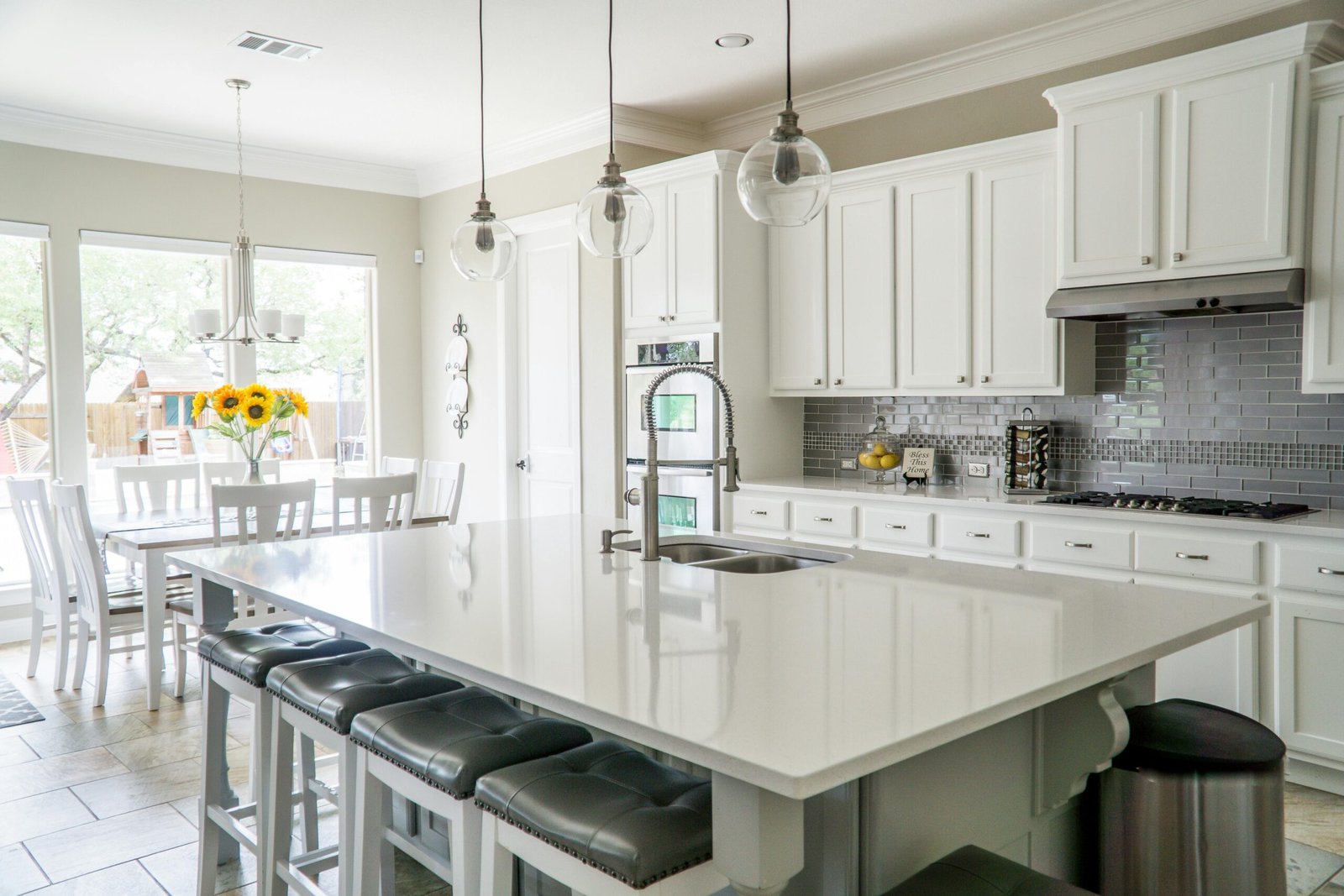
Painting kitchen cabinets can rejuvenate your cooking space, giving it a fresh and modern look. This article will guide you through the essential steps, techniques, and tips to achieve a professional finish. Whether you’re a novice or a seasoned DIYer, discovering the nuances of proper preparation and painting can elevate your kitchen to new heights.Mastering the Art of Painting Kitchen Cabinets
Mastering the Art of Painting Kitchen Cabinets
Begin by identifying the construction and surface of your cabinets—what looks like “wood” can be solid hardwood, plywood, veneered MDF, or a thin veneer over particleboard, and each behaves differently under paint. Materials differ in porosity, dimensional stability, and how they accept coatings. Solid woods take stain and paint predictably but expand and contract with humidity; MDF and veneered panels are dimensionally stable but can swell where edges are exposed; thermofoil, melamine, and laminate are non-porous and resist conventional coatings unless a specialized bonding approach is used; metal cabinets require corrosion protection and a primer designed for metal. Knowing the exact substrate informs paint selection and the scope of any repair work needed before coatings go on.Mastering the Art of Painting Kitchen Cabinets
Consider these common cabinet types and their painting implications:
– Solid wood / veneered panels: accept paint well but may show knots, grain, or seams; veneers can delaminate where boards were water-damaged.
– MDF and particleboard: smooth surfaces good for paint but vulnerable at edges; routed details may need fill.
– Thermofoil and laminate: smooth, glossy finishes that can be challenging for adhesion and sometimes require specific adhesion promoters.
– Metal: durable but prone to rust; requires coatings compatible with metal and attention to corrosion points.Mastering the Art of Painting Kitchen Cabinets
Cabinet style also matters. *Shaker* and *flat-panel* doors present large flat surfaces that highlight brush/roller marks and benefit from a very smooth final film; *raised-panel* and *traditional* styles have profiles, grooves, and crevices that demand more attention to fill, sealing, and possibly different application techniques to avoid pooling or buildup. The level of detail affects time, technique, and finishing choices such as semi-gloss for easy cleaning or satin for hiding imperfections.
Finally, assess condition: delamination, loose veneer, water stains, and previous coatings (oil vs. water-based) all influence the compatibility of new products. This assessment determines which products and preparation strategies are appropriate before moving into the hands-on preparation steps.Mastering the Art of Painting Kitchen Cabinets
Preparing for the Paint Job
Removing doors and hardware carefully is the first practical step. Work methodically: number each door and its corresponding hinge location with a simple numbering system (small sticker on the hinge side and matching mark on the cabinet frame), photograph each hinge position, and store screws in labeled bags or a magnetic tray so nothing gets mixed up. Lay doors flat on padded saw horses or a soft, clean surface to prevent dents and scratches. If you prefer, remove hinges and knobs and attach them to cardboard with tape and labels so reassembly is simple.
Cleaning is non-negotiable. Kitchens accumulate grease that defeats paint adhesion. Use a high-quality degreaser or a TSP substitute, scrubbing with a non-abrasive pad and rinsing thoroughly. For stubborn buildup, repeat cleaning and allow full drying; moisture trapped beneath paint causes adhesion failure. After drying, wipe everything with a tack cloth to remove dust and residues.Mastering the Art of Painting Kitchen Cabinets
Sanding creates the mechanical “tooth” paint needs. Start with 120–150 grit to remove finish irregularities, then progress to 180–220 grit for a smooth surface—hand-sand inset areas and use an orbital sander for flat panels. For glossy or non-porous surfaces, light scuff sanding or a liquid deglosser will improve adhesion without removing material. Feather edges where old paint meets bare wood to avoid visible ridges after finishing.
Patch and prime before any topcoat. Fill dents and screw holes with a quality wood filler, sand smooth, and clean off dust. Apply a bonding or stain-blocking primer suitable for your subsequent paint choice—use shellac- or stain-blocking primers when tannin bleed or strong stains are present. Apply thin, even primer coats and sand lightly between coats with 220–320 grit for the smoothest result.
Maintain a safe, organized workspace: ventilate well, wear a respirator rated for paint vapors when using solvent products, gloves and eye protection, and keep solvents and rags in a sealed metal container. Create separate zones for sanding (dust control with a HEPA vacuum) and painting to prevent contamination, and lay down drop cloths and painter’s pyramids to protect surfaces and maximize airflow.
Choosing the Right Paint and Tools
Paint chemistry and finish: For cabinets you’re choosing between traditional oil-based, modern latex (waterborne acrylic), and hybrid waterborne alkyds. Oil-based still offers excellent leveling and a very smooth factory-like laydown, but it has higher VOCs, longer drying and cleanup with mineral spirits, and a tendency to yellow over time. Latex cleans up with water, dries faster, resists yellowing, and the latest formulations level much better than older water-based paints. Waterborne alkyds are a true compromise: oil-like flow and durability with water cleanup and lower odor. Finish matters as much as chemistry: choose satin, semi-gloss, or high-gloss for cabinets—higher sheen makes cleaning easier and highlights details, but also shows surface flaws more readily.Mastering the Art of Painting Kitchen Cabinets
Essential tools and what to look for:
- Brushes: Use high-quality angled sash brushes. For water-based paints pick premium synthetic filaments (they hold shape and resist shedding); for oil-based, natural bristles give the best finish. Size 2″–2.5″ is versatile for doors and frames.
- Rollers: Foam or short-nap (3/16″–1/4″) microfiber rollers reduce texture on flat panels—mini rollers are excellent for door faces.
- Sprayers: HVLP systems are preferred for cabinets because they produce fine atomization and a thin, even coat; thin paint to manufacturer specs and practice technique to minimize runs. Airless sprayers work for large runs but require masking to control overspray.
- Supporting tools: high-quality painter’s tape, tack cloths, paint filters, mixing sticks, and a magnetic or padded cabinet-hanging system for easy spraying and drying.Mastering the Art of Painting Kitchen Cabinets
Choosing color and finish: Consider light, room size, and hardware. Trending palettes: warm off-whites and greys for perimeter cabinets, and deep navy or emerald for islands or accents. Two-tone schemes add depth. Remember sheen affects perceived color—gloss increases saturation and highlights imperfections. Always test full-size samples under your kitchen lighting and over the primer/undercoat to confirm undertones and coverage before committing.
Techniques for Painting Cabinets
- Work in logical sequence. Paint cabinet faces and doors flat on sawhorses or a table, then do frames and fixed boxes in place. Label each piece so reassembly is smooth.
- Thin, multiple coats beat one thick coat. Apply thin, even coats and allow recommended dry times — typically a few hours between coats for waterborne paints and longer for solvent-based. Thin coats reduce runs, sagging and brush marks and build a stronger, smoother finish.
- Brush technique. Use an angled sash brush for edges and detail. Load the brush only one-third full, cut in along corners with short, controlled strokes, then “tip off” (lightly drag the brush in the direction of the grain) to smooth. Keep a wet edge and work from wet into wet to avoid lap marks.
- Sprayer technique. Hold the gun 6–12 inches away, travel parallel to the surface, and overlap passes about 50%. Use light cross-coats: one thin pass, let it flash, then a perpendicular pass if needed. Immediately back-roll or back-brush sprayed coats on panels if required by paint to level texture.
- Roller leveling. For flat panels, use a fine-cell foam or short-nap roller to collapse brush strokes. Light, even pressure is key—avoid overworking or re-rolling once the paint has started to set.
- Sanding between coats. Lightly sand with 220–320 grit (or as manufacturer suggests) after each cured coat to remove dust nibs; clean with a tack cloth before the next coat to ensure adhesion and a glassy finish.Mastering the Art of Painting Kitchen Cabinets
- Avoid common pitfalls. Don’t overload tools, don’t paint in high humidity or extreme temperatures, and don’t skip drying/cure times. Watch for runs and drips—fix by gently rolling them out while still wet or sanding when dry.
Corners and edges: paint recessed corners first with the tip of a sash brush, then lay full passes from the center outward. For mitred edges, paint panels before assembly or back-brush the joint so paint flows into the seam. Take your time on bead profiles and grooves—thin lifts of paint, multiple passes, and light sanding between coats are what separate a DIY job from a professional finish.
Finishing Touches and Maintenance
Wait until paint is not just dry to the touch but sufficiently cured before reattaching hardware — typically 5–14 days for most waterborne paints and longer for oil-based finishes. When installing knobs, pulls and hinges, use these practices to protect the new finish and ensure longevity: clean hardware and replace any worn screws or backplates; use felt or rubber washers behind plates to prevent metal-on-paint abrasion; start screws slowly to avoid stripping and stop when snug rather than overtightening; support doors on a padded surface to avoid scuffs while you work. Adjust hinge alignment incrementally so doors close squarely without rubbing edges.
Choose the right protective topcoat for the level of use. For DIY projects, waterborne polycrylics provide clear protection with minimal yellowing and are easy to apply in thin, even coats, sanding lightly with 320–400 grit between coats. For kitchens with heavy traffic, consider a professional-grade conversion varnish or catalyzed lacquer for superior abrasion resistance; these often require professional application. Always test compatibility of topcoat and base paint on a scrap piece first and apply 2–3 thin coats rather than one heavy one.
Ongoing maintenance extends the life of the finish. Use a microfibre cloth with warm water and a drop of dish soap for routine cleaning; avoid bleach, ammonia and abrasive pads that dull sheen. For greasy build-up, a diluted TSP substitute works, followed by rinsing and drying. Wipe spills promptly and avoid prolonged exposure to steam and humidity—use range hoods and manage indoor moisture.
For touch-ups, keep a labeled sample of the original paint. Clean and scuff the area, apply paint with a small artist brush, feather the edges and let each thin coat cure fully. Fill deeper gouges with a compatible filler and prime before touching up. Periodically check hardware, tighten screws and lubricate hinge pivots with a silicone lubricant. Proper finishing and routine care will keep cabinet finishes looking fresh and delay the need for a full repaint.
Conclusions
In conclusion, painting kitchen cabinets is an effective way to transform your kitchen without a complete remodel. By following the outlined steps, including preparation, choosing the right materials, and applying the correct techniques, you can achieve stunning results. Embrace this DIY project to create a beautiful, personalized kitchen space that reflects your style and improves functionality.