


In the bustling world of culinary arts, a good vegetable chopper is essential for efficiency and ease. Whether you’re a seasoned chef or a home cook, having the right tools can elevate your cooking experience. This article explores the best vegetable choppers, their features, benefits, and how to select the ideal one for your kitchen needs.How to Choose the Best Vegetable Chopper
How to Choose the Best Vegetable Chopper
A vegetable chopper is a kitchen tool designed to simplify and speed up the process of cutting vegetables into uniform pieces, reducing the time and effort compared to manual chopping with a knife. These devices come in various types, primarily categorized into manual and electric models, each tailored to different user preferences and cooking needs.How to Choose the Best Vegetable Chopper
Manual vegetable choppers operate through simple mechanical action. Common designs include pull-cord choppers, push-button slicers, and lever-activated devices that use interchangeable blades to dice, slice, or julienne vegetables. For example, a pull-cord chopper typically contains a container with sharp blades inside; pulling the cord rotates the blades rapidly, chopping the contents within seconds. Lever-style choppers use downward pressure on a handle to force vegetables through blades, making them effective for precise cuts without electricity.
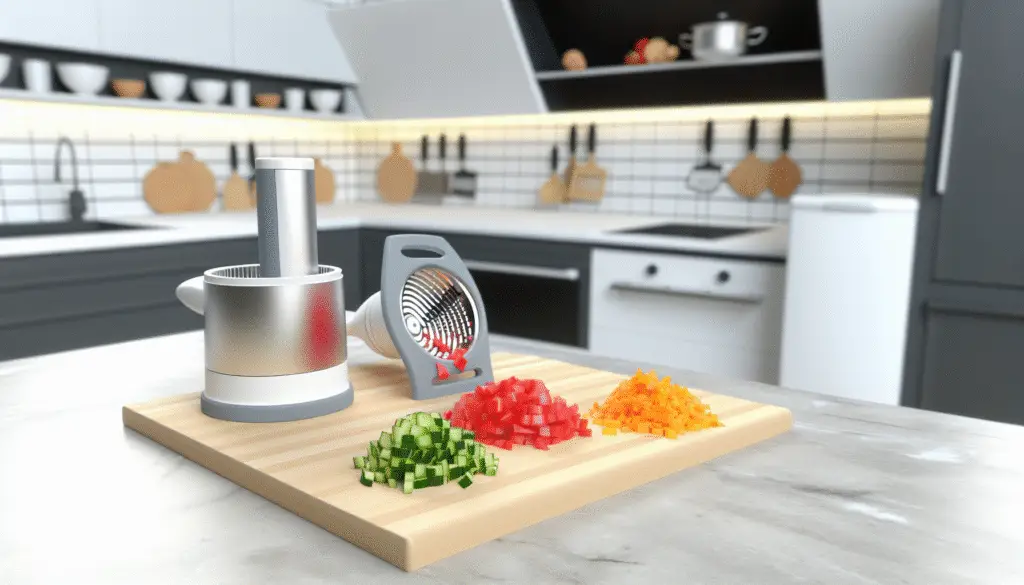
Electric vegetable choppers employ motorized blades that rapidly chop ingredients with minimal user effort. These models often feature multiple speed settings and blade attachments to accommodate various textures and sizes, from coarse chunks to fine mince. Users simply load vegetables into the bowl and activate the motor, allowing for consistent results with less physical exertion. Electric choppers are especially beneficial when handling large quantities or tougher vegetables such as carrots and potatoes.
Compared to traditional knife chopping, vegetable choppers offer several distinct advantages. They ensure greater uniformity in the size and shape of vegetable pieces, which promotes even cooking and enhanced presentation. The safety aspect is significant—using a chopper reduces direct contact with sharp blades, lowering the risk of accidental cuts. Additionally, these tools speed up meal preparation, making them invaluable for busy kitchens or those aiming to simplify cooking tasks without sacrificing quality.
Overall, understanding the operational differences and applications of manual versus electric vegetable choppers allows home cooks to select tools that best fit their kitchen style, workload, and culinary goals, optimizing efficiency while maintaining food quality.
Features to Look for in a Vegetable Chopper
When selecting the best vegetable chopper for your kitchen, several pivotal features deserve close attention to ensure efficiency, durability, and safety. One of the foremost considerations is blade quality. High-grade stainless steel blades not only provide sharpness that lasts longer but also resist rust and corrosion, crucial for repeated exposure to moisture and acidic vegetables. Look for blades that are designed to maintain their edge over time, as dull blades compromise both chopping precision and safety.

The material of the chopper’s body and container also greatly impacts its longevity and usability. Food-grade plastic is common due to its lightweight nature and affordability, but it may stain or absorb odors over time. In contrast, stainless steel bodies offer sturdiness and a sleek finish but can sometimes add to the weight and cost. A balance of materials—such as a stainless steel blade assembly paired with a BPA-free plastic container—often delivers the best combination of robustness and convenience.
Safety is another critical feature. Vegetable choppers should incorporate mechanisms that protect fingers from blades during use and cleaning. Examples include non-slip bases or suction cups that stabilize the device on countertops, locking systems that keep blades secured during operation and storage, and finger guards to prevent accidental contact. Devices with enclosed blades or removable blade units designed for safe handling enhance user protection significantly.
Versatility can elevate the utility of a vegetable chopper beyond simple dicing. Multiple interchangeable blades or inserts allow for various cuts—such as julienne, cubes, slices, or even waffle cuts—enabling diverse culinary tasks without cluttering your kitchen with multiple tools. Some choppers also feature integrated containers to catch chopped vegetables directly, minimizing mess and preparation time.
Lastly, ease of cleaning is indispensable. Tools with detachable blades and dishwasher-safe components simplify maintenance and encourage frequent use. Avoid designs with hard-to-reach crevices or complicated assemblies, which can harbor food particles and pose sanitation challenges.
By prioritizing superior blade craftsmanship, durable yet practical materials, comprehensive safety features, multifunctional design, and straightforward cleaning, you ensure your vegetable chopper not only performs well but enhances your overall kitchen experience.How to Choose the Best Vegetable Chopper
Top Vegetable Choppers Reviewed
Manual Vegetable Choppers: The Vidalia Chop Wizard stands out as a top manual option, prized for its sturdy, BPA-free plastic frame and razor-sharp stainless steel blades. Users appreciate its square design, which ensures even chopping and easy storage. Its simplicity and dishwasher-safe components make it a favorite for those who prefer a hands-on approach without complex mechanics. However, some note the pressing effort can be challenging with larger quantities or tougher vegetables.How to Choose the Best Vegetable Chopper
Another popular manual choice is the Mueller Austria Onion Chopper. This model excels with its interchangeable blades that allow for various cuts from dicing to slicing. Its lockable lid secures vegetables firmly for uniform chops, and the collection container minimizes mess. While praised for versatility and ease of cleaning, some users report the plastic container can stain over time, especially with beets or turmeric.
Electric Vegetable Choppers: For those seeking speed and convenience, the Cuisinart Mini-Prep Plus food processor merges compact design with powerful chopping performance. Its stainless steel blades handle onions, peppers, and leafy greens effortlessly, making it ideal for quick meal prep. The one-touch pulse feature provides precise control, though its smaller capacity may require multiple batches for large meals. Users highlight its ease of cleaning and durable build as strong points.
For a higher-capacity electric option, the Hamilton Beach 72850 Food Processor offers a 12-cup work bowl and multiple blade attachments for slicing, shredding, and chopping. Its stainless steel construction and safety interlocks enhance durability and user protection. While it’s more expensive and requires countertop space, many experts recommend it for families or avid cooks who demand versatility and efficiency.

Comparing these options reveals that manual choppers generally excel in affordability, ease of cleaning, and control over chopping size, making them suitable for smaller tasks and casual use. Electric choppers win for speed, volume, and multifunctionality but require more maintenance and storage space. User reviews consistently emphasize blade sharpness and safety features as decisive factors regardless of the type chosen. Selecting the best vegetable chopper hinges on matching these distinct advantages with your kitchen routines, volume of prep, and preferences for manual versus powered tools.
Maintaining Your Vegetable Chopper
Maintaining your vegetable chopper is essential to ensure it remains efficient, safe, and long-lasting in your kitchen. To start, thorough cleaning after each use is crucial. Most vegetable choppers come with removable blades and components—disassemble these parts carefully and wash them in warm, soapy water immediately after chopping. Avoid letting vegetable residue dry on the blades, as it not only makes cleaning harder but can cause rust or dullness over time. For those with dishwasher-safe parts, always check manufacturer guidelines before placing components in the dishwasher to prevent damage from high heat or harsh detergents.How to Choose the Best Vegetable Chopper
When cleaning blades, take particular care to avoid cuts by using a soft brush rather than your hands directly. Some choppers have nooks and crannies where food particles can hide; a small brush or toothbrush helps reach these areas effectively. Dry all parts thoroughly before storage to prevent moisture-related issues, especially rust formation on metal components.
Storing your vegetable chopper properly protects its delicate blades and ensures it’s ready for use. Store blades separately in blade guards or a padded container to prevent dulling and accidental injuries. If your chopper is compact and collapsible, keeping it assembled can save space, but be mindful that trapped moisture can lead to mildew or corrosion. Choosing a dry, elevated, and well-ventilated storage area is ideal, avoiding damp drawers or cramped cabinets.
Sharpening or replacing blades will maintain cutting performance. Over time, even the best blades lose their edge. For manual choppers, use a sharpening stone or honing rod designed for fine kitchen blades. Sharpen carefully, following the original blade angle to preserve the cutting surface. Some electric models require professional blade replacement or specialized tools—consult the product manual to avoid voiding warranties. When blades become visibly nicked, warped, or dull beyond sharpening, replacing them entirely is a smart choice to maintain safety and efficiency.How to Choose the Best Vegetable Chopper
Common mistakes to avoid include using inappropriate cleaning methods, such as abrasive sponges or harsh chemicals, which can damage blade coatings or plastic parts. Never force stubborn food through the chopper, as this stresses the mechanism and may cause breakage. Avoid submerging electric components or motorized bases in water, which risks electrical failure. Lastly, do not store the chopper with wet parts or assembled blades exposed without protection, as this accelerates wear and safety hazards.
By following these detailed maintenance tips, your vegetable chopper will remain a reliable and indispensable tool, seamlessly fitting into your daily kitchen routine and enhancing your meal preparation for years to come.
Enhancing Your Cooking with a Vegetable Chopper
A vegetable chopper can truly transform the way you prepare meals by making the process faster, more precise, and less labor-intensive. Whether you’re dicing onions, slicing peppers, or shredding cabbage, a reliable vegetable chopper delivers consistent cuts that enhance the texture and appearance of your dishes. This precision not only improves presentation but helps vegetables cook evenly, resulting in better flavor and texture in every bite.
To maximize its benefits, start by selecting the right blade attachment for your task. Many choppers come with interchangeable blades for dicing, slicing, or julienning. For example, use the grid blades to quickly dice onions or tomatoes for salsa, or opt for the shredding blade when preparing coleslaw or topping for tacos. Make sure to use a firm, even pressure when chopping to maintain control and produce uniform pieces.How to Choose the Best Vegetable Chopper
Vegetable choppers are especially useful for recipes that depend on finely or evenly chopped ingredients. Soups, stews, stir-fries, and salads all become quicker to assemble. For instance, make a wholesome ratatouille by dicing eggplant, zucchini, and tomatoes in minutes, or prepare a vibrant vegetable stir-fry by slicing bell peppers, snap peas, and carrots with minimal effort. The speed of chopping encourages you to include more fresh vegetables in daily meals, fostering healthier eating habits.
Beyond traditional recipes, get creative by incorporating chopped vegetables into unexpected dishes like vegetable fritters, omelets, or homemade veggie burgers. Chopped veggies also work great as toppings—sprinkle finely diced cucumbers and tomatoes over grilled meats or mix them into dips for added texture and flavor. By unlocking these creative uses, a vegetable chopper becomes an essential tool that inspires culinary exploration while cutting down meal prep time dramatically.How to Choose the Best Vegetable Chopper
Conclusions
In conclusion, investing in a quality vegetable chopper can significantly enhance your kitchen efficiency. With various models available, it’s vital to consider factors like material, usability, and cleaning ease before making a decision. The right chopper not only saves time but also makes meal preparation an enjoyable process. Happy chopping!How to Choose the Best Vegetable Chopper