

Home organization hacks can be the difference between a chaotic home and a haven of efficiency, but finding what truly works (and lasts) can feel overwhelming. Whether you’re tired of cluttered counters, overflowing closets, or just want to spend less time tidying up, the right approach can save you time, money, and stress in the long run.
Key Takeaways
- Investing in quality home organization hacks can add lasting value—market spending on storage solutions is set to reach $15.8 billion in the US by 2028 (source).
- Pain points with existing methods include short-term fixes, cost overruns, and supply chain issues that make some products hard to find or less affordable.
- New trends and underrated hacks are driving better, more personalized ways to organize—especially for home offices and small spaces.
- What Are Home Organization Hacks and Why You Need Them
- How to Organize Your Home: A Step-by-Step Guide
- Advanced Analysis and Common Home Organization Pitfalls
- Conclusion
- Frequently Asked Questions
What Are Home Organization Hacks and Why You Need Them
Home organization hacks are smart, often unconventional, methods and small tools that help you keep every area of your home neat and clutter-free. The main goal is to make daily life smoother by creating systems that last—so you’re not re-cluttering month after month.

The need has never been higher. The US home organization market hit $14.2 billion in 2023 and is projected to climb higher by 2028 (source). More people are working from home, buying in bulk, and living in smaller spaces—all factors pushing demand for smarter solutions.
But with so many hacks floating around social media and blogs, what truly works? Many households complain that hacks feel like temporary fixes. Others spend a lot only to find that prized products are out-of-stock due to supply issues, or they buy cheaply and regret it when things fall apart.
To get the most out of home organization hacks, focus on three things: proven efficiency, product longevity, and solutions tailored to your unique lifestyle and space.
For example, maximizing space in your kitchen is not just about adding organizers—it’s about picking the right ones for your storage needs. Our guide on space-saving kitchen gadgets shows how the right tool transforms cluttered counters into streamlined workspaces.
How to Organize Your Home: A Step-by-Step Guide
Here’s a realistic, actionable plan to overhaul your home organization—no matter your space or budget. This method can be scaled from a studio apartment to a large family home.
Step 1: Audit and Declutter
Set a timer for 20–30 minutes and choose a single area (drawer, shelf, or cabinet). Remove everything. Quickly make three piles: Keep, Donate/Sell, and Trash. If you haven’t used an item in a year, let it go.
For help with kitchen clutter, incorporate ideas from pantry organization systems to streamline food storage.
Step 2: Measure and Plan
Before buying any organizers, grab a tape measure. Measure your shelves, drawers, and closet spaces. Map out your space and list what you actually need (e.g., bins, drawer dividers, racks).
Step 3: Invest in Quality Tools
Don’t settle for the cheapest solution—low-quality organizers break and clutter quickly returns. Brands like Rubbermaid, ClosetMaid, and Organized Living offer modular systems tailored for kitchen, closet, and garage storage (source). See our deep dive comparing trending kitchen gadgets if maximizing storage in the kitchen is your main goal.
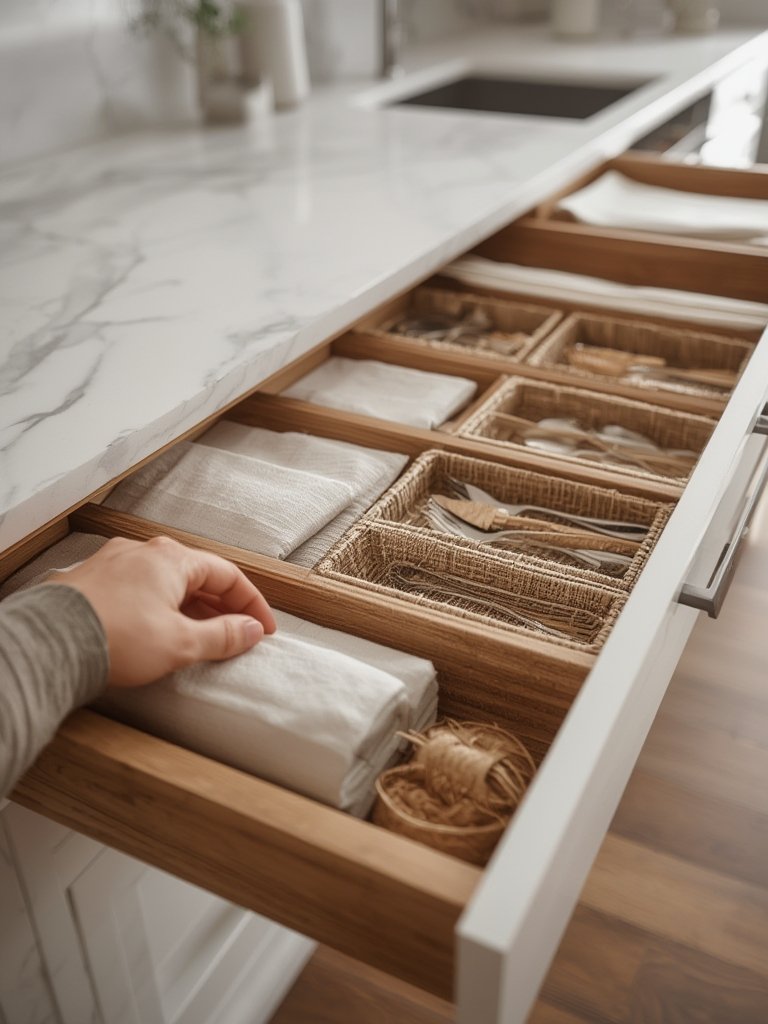
Step 4: Personalize Storage for How You Live
If you’re remote working or hybrid, your home office deserves attention. Adjustable shelves, cable organizers, and stackable containers are surging in demand (source). For kitchen workspaces or tiny apartments, use stackable fridge organizer bins or a rolling pantry cart to instantly reclaim valuable space.
Step 5: Maintain and Adjust Routinely
Lasting organization is about habits, not just products. Every week, spend 10 minutes returning things to their place and adjusting categories as needed.
If you cook often or want to corral kitchen clutter, our kitchen organization ideas for small spaces article is full of real-world inspiration.
Budget tip: Many organizers from Amazon or big-box stores start at $15–$30, but investing a little more upfront (around $40–$120 for robust closet or pantry systems) will save you in the long run because you won’t replace broken bins each year (source).
Advanced Analysis and Common Home Organization Pitfalls
Organizing has its challenges. Based on recent research, here’s what users run into most—and what to watch out for:
- Short-Lived Fixes: Many DIY hacks look great online but fall apart fast (think flimsy bins or sticky hooks that don’t stick long-term).
- Overbuying or Buying Wrong-Sized Organizers: Without measuring first, it’s easy to end up with bins that don’t fit or double up on organizers you never use.
- Supply Chain Delays and Higher Prices: Cost and availability for the most popular organizers fluctuate due to labor shortages and warehouse closures, forcing many to settle for less optimal alternatives (source).
- Lack of Long-Term Systems: Organization works best when tailored to your habits. Copy-pasting someone else’s “hack” without considering your own lifestyle leads to quick re-cluttering.
| Approach | Best For | Biggest Downsides | Estimated Cost (2024) |
|---|---|---|---|
| Modular Store-Bought Organizers | High-traffic kitchens, families | Supply, cost variation, sometimes generic fit | $15–$120 per unit |
| DIY/Repurposed Solutions | Budget projects, renters | Quickly break, limited fit, less durable | $5–$30 per area |
| Custom Closets/Pro Install | Closets, garages, long-term investments | Expensive, longer install, minimal flexibility | $500–$2,000+ |
Before investing, check if organizers are returnable—what works in one home doesn’t always work in another. Remember, the right solution is the one you’ll use and maintain.
There’s also growing interest in AI-powered and mass-customized storage for closets and garages, but these options are still quite new and may come with a higher price tag and steeper learning curve.

Conclusion
Effective home organization hacks are about more than TikTok trends. Choose proven, well-fitting solutions that match your lifestyle for lasting results. Measure before you buy, start in one area, focus on quality, and don’t be afraid to try new (even unconventional) ideas inspired by the latest online trends. If your kitchen is your biggest challenge, our guide to space-saving kitchen gadgets or a quick scan of the best kitchen gadgets on Amazon can give you a head start.
Stay intentional and you’ll turn chaos into calm. Ready for your first win with home organization hacks? Start your project today—your future self will thank you.
Frequently Asked Questions
What is the first step in organizing a cluttered home?
Start with a focused declutter—pick one small zone (drawer, shelf, or cabinet), empty it, sort everything, and only keep what you actually use. This reduces overwhelm and creates momentum.
How much does it cost, on average, to organize a home in 2024?
Basic store-bought organizers range from $15 to $30 per area, while more robust modular systems run $40 to $120 each. Full custom installs cost more, often $500 and up for closets or garages. Prices vary based on material quality and supply chain factors.
What should I avoid when trying popular organization hacks?
Don’t buy organizers before measuring your space. Avoid short-lived hacks that rely on low-quality products or materials, and beware of methods that don’t fit your lifestyle (like micro-organizing supplies you never actually use).
Are unconventional home organization hacks safe or effective?
Many hacks seen on platforms like TikTok or Reddit (e.g., using magazine files for pantry cans) are both safe and effective—just ensure they suit your space and are made from sturdy, nontoxic materials.
How often should I maintain my new organization system?
Check and tidy weekly for 5–10 minutes. Adjust systems if you notice clutter returning, and don’t hesitate to let go of items you no longer use.