
Fridge organizer bins are transforming how people store food and tackle kitchen clutter, but finding the right set can be tricky. Whether you want to reduce waste, save space, or finally see what’s in the back of your fridge, understanding bins—the features that matter, what real users struggle with, and how much to pay—leads to better results and fewer regrets.
Key Takeaways
- The global market for fridge organizer bins is booming, with modular and produce-saving bins leading the way.
- Most complaints center around sizing problems, brittle materials, and no real produce life extension—check those carefully before you buy.
- Premium bins justify their price only if you need features like venting, humidity control, or super-precise modularity.
- What Are Fridge Organizer Bins and Why Use Them?
- Step-by-Step Guide: How To Choose and Use Fridge Organizer Bins
- Advanced Analysis & Common Pitfalls
- Conclusion: Final Thoughts on Fridge Organizer Bins
- FAQ: Fridge Organizer Bins
What Are Fridge Organizer Bins and Why Use Them?
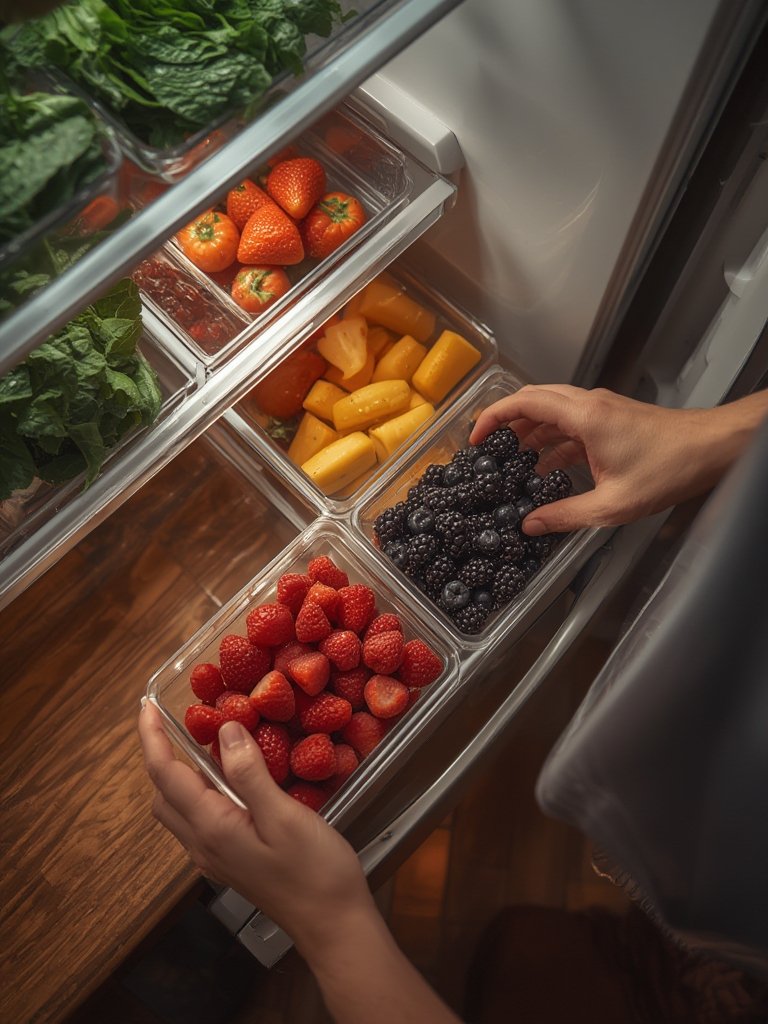
Fridge organizer bins are modular containers designed for the refrigerator. They group similar items—snacks, condiments, produce—making it easier to find what you need and preventing food from getting lost or wasted. The latest bins go beyond simple storage, featuring stackable designs, carry handles, built-in dividers, and even humidity control to help keep food fresh.
This trend is global and growing quickly. Estimated at $1.5 to $2.5 billion in 2025, the refrigerator storage bin market is surging at around 7–9% yearly according to Archive Market Research and Business Research Insights. Demand is highest for bins that are modular, sustainable, and that promise to keep produce fresher for longer.
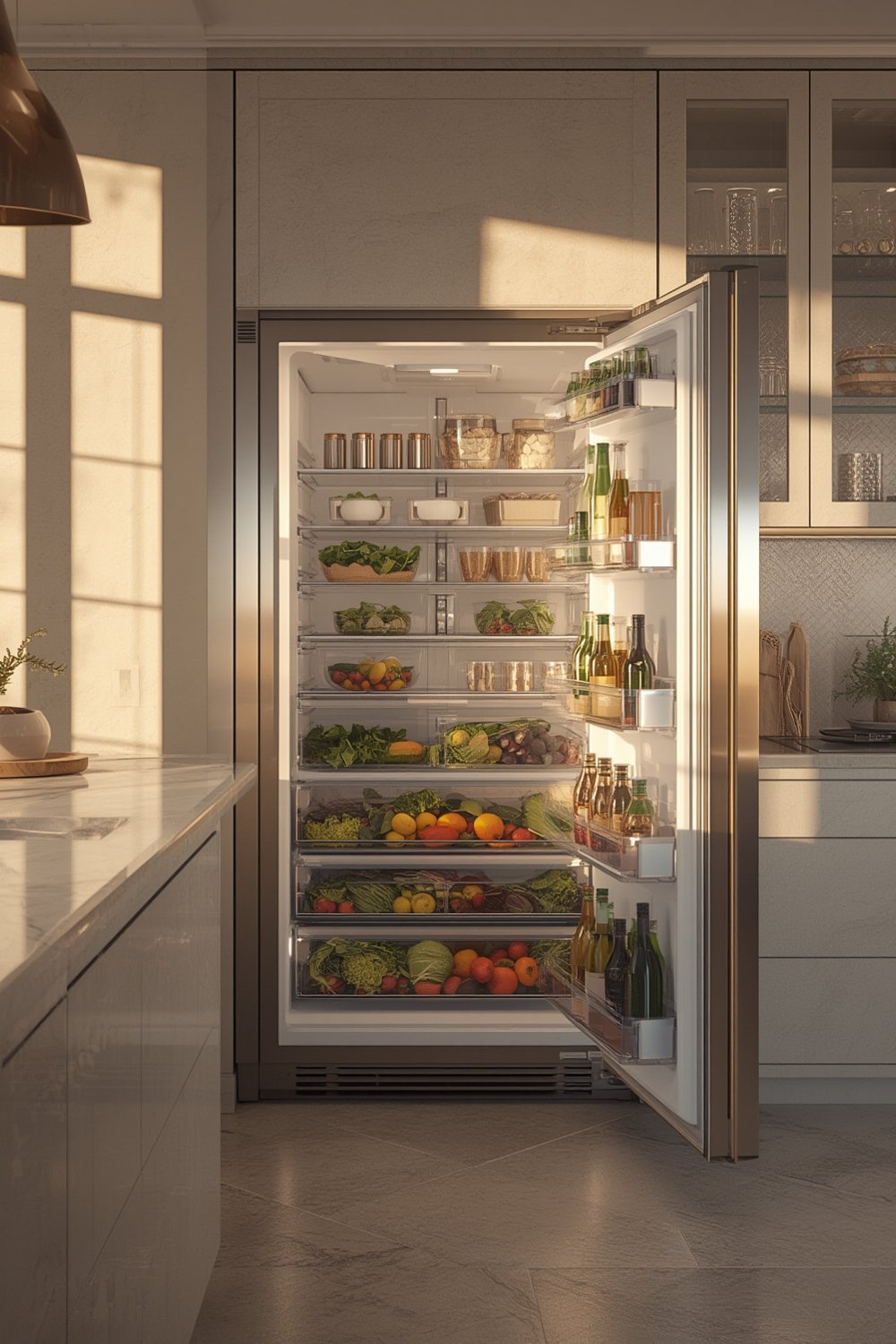
Using the right fridge organizer bin saves time searching, reduces spoiled food, and can even make your fridge look like those “satisfying” organization videos. But many sets don’t fit every fridge and some promise more than they deliver, especially in busy home kitchens or compact apartments.
Step-by-Step Guide: How To Choose and Use Fridge Organizer Bins
- Measure your refrigerator: Record shelf width, depth, and height (don’t forget ledges, door shelves, or crisper drawers). Compare these with internal bin dimensions, not just the product’s exterior listing.
- Map out your storage needs: List the items that keep getting buried—snacks, cheese, produce, sauces, lunchboxes—and assign each a bin size. Don’t default to multi-packs if you won’t use each piece.
- Look for the best materials: For durability, opt for BPA-free polypropylene, Tritan, or borosilicate glass. Thicker walls and reinforced handles last much longer than thin PET or PS plastics.
- Check for handles and stackability: Bins with handles and stackable lids work better in most fridges. Non-slip bases help prevent accidental sliding.
- Prioritize ventilation for produce: If storing fresh greens or fruit, choose bins with adjustable vents or drain trays. Standard clear bins do not extend shelf life versus a crisper drawer.
- Don’t rely just on “dishwasher safe” claims: Unless temperature ratings are listed, hand wash to avoid warping. Glass is safest for high-temp cleaning, but heavier.
- Organize for access: Place frequently used items at eye level and heavier bins on lower shelves. Don’t stack bins so high that you block lights or controls.
- Label or color-code as needed: dry-erase or clip-on labels avoid confusion and lower risk of food waste.
If you’re organizing a compact space—or an apartment kitchen—see further space-maximizing tips in our space-saving kitchen gadgets guide.
Advanced Analysis & Common Pitfalls
Plenty can go wrong with fridge organizer bins, especially if you skip research or fall for glossy marketing photos. Here’s what real users and experts say can trip you up:
- Sizing errors: The most common disappointment is bins that don’t fit. Most manufacturers list external dimensions but not the internal space you can use. Many multi-packs include “filler” bins that don’t fit on typical shelves or in door spaces. Side-by-side and compact fridges are especially tough to size—measure carefully before you buy.
- Poor durability under real conditions: Thin PET or PS plastic cracks, especially near handles and corners. “Dishwasher safe” claims on budget bins are unreliable and may result in warping or cloudiness after a few cycles.
- Miscalculated stackability: Some sets advertise stackable bins, but lids may be rounded, too thin, or lack enough surface area to keep bins from tipping.
- No improvement in freshness: Unless a bin has real humidity vents or built-in colander inserts, basic refrigerator organizer bins do not extend shelf life for produce compared to your fridge’s own crisper drawers.
- Cleaning frustrations: Intricate lids, permanent fasteners, and sharp bin corners trap liquids and odors. Many plastic bins stain from foods like tomato sauce, turmeric, or berries and may retain smells.
- Eco claims—buyer beware: Demand for sustainable bins is rising fast (up 49% in 2025), but recycled or eco-friendly claims often mean only the material, not that the bin is recyclable at end-of-life. Glass bins last longer but weigh more and cost more.
| Feature | Budget Bins | Mid-Range Bins | Premium/Produce-Saver Bins |
|---|---|---|---|
| Material | Thin PET, PS, generic plastic | Thicker PP, PET, some Tritan | Tritan, borosilicate glass, system designs |
| Stackability | Rarely true stackable, minimal rim/lid | Improved stacking, clearer sizing | Precisely modular, designed for shelf fit |
| Ventilation/Humidity | None | Basic holes/lids (rare) | Adjustable vents, drain trays, produce-focused features |
| Handles | May be missing or thin/flimsy | Integrated, reinforced | Reinforced, sometimes ergonomic |
| Food Safety | “BPA-free” (not always verified) | BPA-free, some labeling | FDA/LFGB/EU food contact, prop 65, premium labeling |
The best bins don’t just advertise “BPA-free” but mention certifications like FDA 21 CFR, EU 1935/2004, or even LFGB—which is worth checking if you plan direct food contact or are especially safety-conscious. If you want to dive into materials, our glass food storage containers guide unpacks the pros and cons of different plastics and glass types. See how fridge bin design interacts with other tools in pantry organization systems.
For general tips on kitchen tools that offer real value, visit worth buying kitchen gadgets—bin sets are often included, but not all are created equal.

Conclusion: Final Thoughts on Fridge Organizer Bins
There’s a huge range in quality and usefulness when it comes to fridge organizer bins. Most people benefit from careful measurement and picking materials that match their needs. Look for stacks, handles, and good food-safety labeling. Don’t expect every bin to extend shelf life—only those with humidity control and drainage features might, and even then, results vary. If you’re trying to maximize every inch, or want the most organized fridge on your block, start by considering your unique space and needs.
Ready to reclaim your fridge? Assess your shelf space, plan your categories, and pick a fridge organizer bins system that’s built to last. Shop smart—your food (and sanity) will thank you.
Want more space-saving help? Check out our apartment kitchen gadgets list for more solutions.
FAQ: Fridge Organizer Bins
Do fridge organizer bins keep food fresher than crisper drawers?
Basic bins do not. Only bins with real humidity vents or drain trays may help, and even then, effectiveness depends on the produce and fridge design.
Are all fridge bins truly dishwasher safe?
No—many thin PET or PS bins warp or cloud after repeated dishwasher cycles. Look for bins with specified temperature ratings or use glass for safest cleaning.
What’s the best way to avoid sizing mistakes?
Always measure your actual shelf width, depth, and height. Compare these to the internal dimensions of bins, not just the product listing.
Is it worth paying more for premium fridge organizer bins?
Only if you need advanced features like humidity control, true modularity, or brand-backed durability. For simple organizing, mid-range sets may be enough.
What certifications should I look for to ensure food safety?
Look for labels like “BPA-free,” “FDA food-safe,” “EU 1935/2004,” or “LFGB.” These show compliance with food-contact regulations and safer materials.