

Fridge organization tips can transform the way you store food, reduce waste, and streamline meal prep. If you’re tired of forgotten leftovers or squashed produce, you’re in the right place—this guide gives you proven steps to optimize your refrigerator for freshness, visibility, and easy access.
Key Takeaways
- Organized fridges reduce food waste and save money by making food easier to see and access.
- Use clear bins, labels, and zoning strategies to group items and maintain order over time.
- Common pitfalls include overstuffing, ignoring expiry dates, and using the wrong storage zones for certain foods.
- Understanding Fridge Organization: What and Why
- Step-by-Step Guide to Fridge Organization
- Advanced Analysis and Common Pitfalls
- Conclusion
- Frequently Asked Questions
Understanding Fridge Organization: What and Why
Fridge organization means arranging your food and kitchen staples in ways that maximize freshness, visibility, and space efficiency. When you organize your fridge, you’re not just making it look better—you’re reducing food waste, improving meal prep flow, and saving money. According to the 2024 U.S. Food Waste Report, American households throw out massive quantities of food every year. Better organization is a simple, realistic way anyone can help change that. The benefits go beyond saving food—you’ll waste less time hunting for ingredients, and your fridge will be more hygienic and easier to clean.
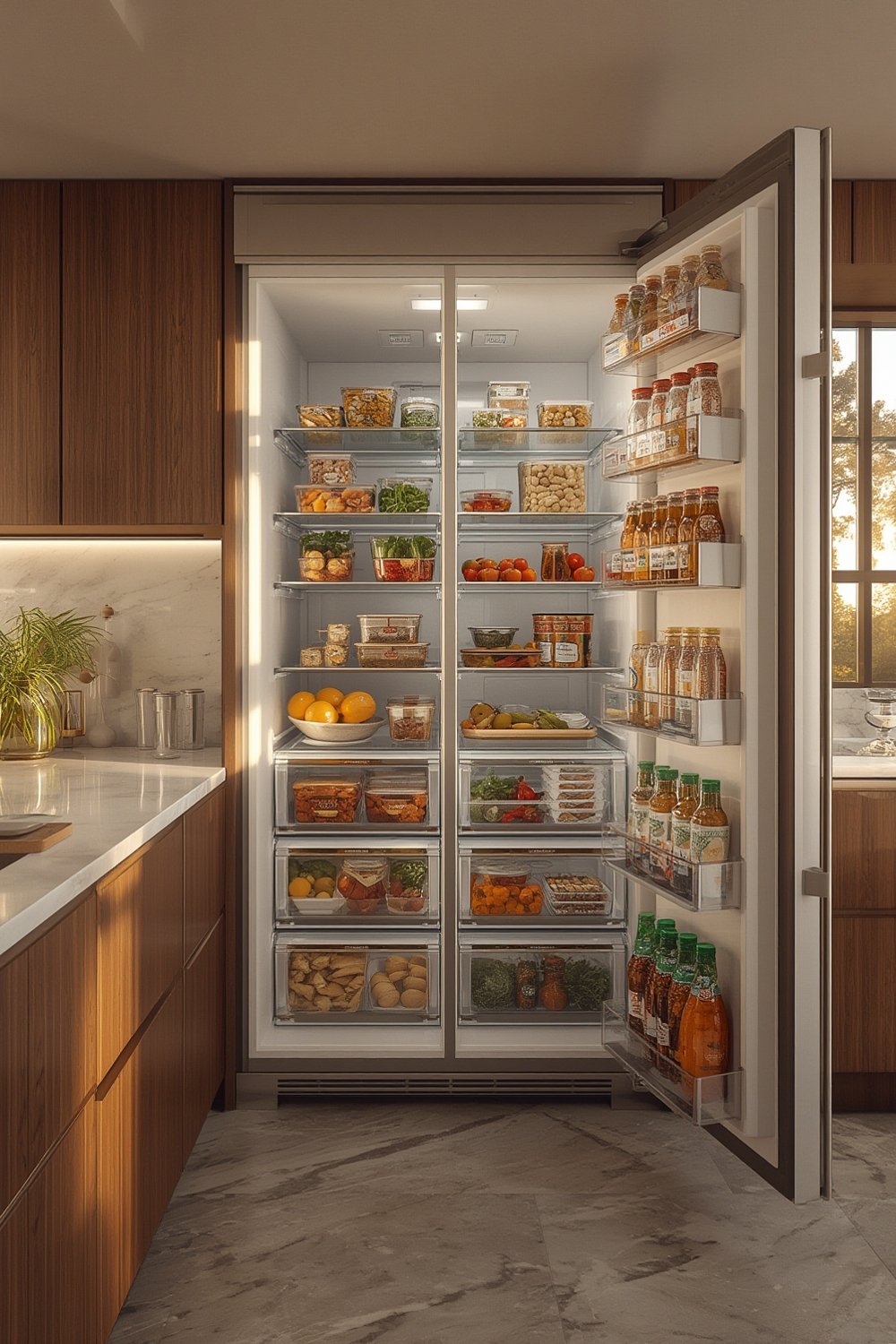
Step-by-Step Guide to Fridge Organization
Ready to tackle your fridge? Here’s a realistic, actionable guide you can follow in an afternoon.
- Empty and clean. Remove everything from your fridge. Toss expired or spoiled items. Wipe down shelves and drawers with a mild soap solution.
- Audit and sort. Group foods by type: dairy, condiments, leftovers, produce, drinks, snacks.
- Plan your fridge zones. Use the natural temperature gradients in your fridge to your advantage. The back and lower shelves are the coldest—ideal for meats and dairy. The upper shelves and the door are slightly warmer—use these for drinks, sauces, and items with preservatives.
- Use bins and containers. Invest in clear fridge organizer bins with handles. These make it easy to remove grouped items at once and contain messes. Label bins for items like cheese, snack packs, or meal-prep ingredients. For produce, use dedicated crisper drawers—but don’t just stash and forget. If you need more guidance on optimizing small kitchen spaces with smart storage, check out our space-saving kitchen gadgets guide.
- Assign a spot for leftovers & “use-first” foods. Designate a clear container or bin for leftovers and food nearing expiry (“Eat me first”). This increases the chances you’ll see and use them before they go bad.
- Store high-use items front and center. Everyday items like milk, eggs, or ready-made snacks should go at the front, at eye level, for easy access.
- Keep a running inventory. Stick a small whiteboard or dry-erase sheet on the fridge door or inside. List items or leftovers you don’t want to forget.
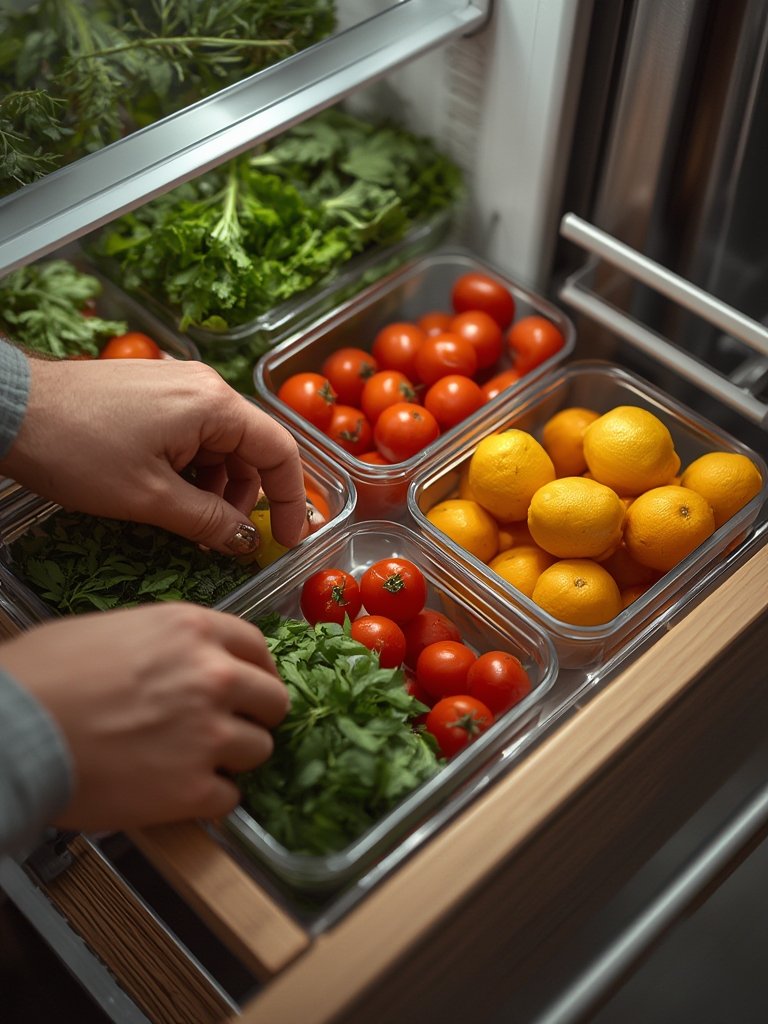
To further boost your organization, fridge-specific bins like these fridge organizer bins streamline everything from snacks to produce. Their modular design fits most standard fridges and maximizes usable space. If you’re working with very limited space or sharing a fridge (like in apartments), explore our roundup of the best gadgets for apartment kitchens.
Proper fridge organization pairs well with wider kitchen strategies. For full-house organization inspo, see our home organization hacks, or complement your efforts with a custom pantry organization system.
Advanced Analysis and Common Pitfalls
While organizing your fridge brings clear benefits, it’s easy to make mistakes that can undo your efforts or, worse, speed up food spoilage. Here are the most common pitfalls—plus a realistic analysis of advanced storage problems.
| Pitfall | Problem It Causes | How to Solve |
|---|---|---|
| Overfilling shelves and drawers | Cold air can’t circulate, causing uneven temps and faster spoilage | Keep “breathing room” between containers—never overstack. If necessary, rotate foods more frequently. |
| Ignoring expiry dates or FIFO method | Food waste from forgotten or spoiled items | Practice “First In, First Out” by moving older foods forward when restocking. Use a visible “Eat Me First” bin. |
| Poor bin or drawer choices | Moisture buildup or crushed produce | Use ventilated or specialty produce bins, and avoid overpacking. |
| Storing the wrong foods in the door | The door fluctuates in temperature; milk, eggs, or meats here spoil faster | Store condiments and drinks in the door only; reserve colder areas for sensitive foods. |
| Failure to adapt to lifestyle | Organizational system falls apart if it doesn’t fit your habits or cooking style | Customize zones for your real needs—snackers, meal-preppers, or bulk-buyers all require tweaks. |
| Not cleaning bins regularly | Old residue & spills create odors and bacteria risk | Make bin-washing part of your monthly kitchen reset. |
If you want to reduce food waste further, understand that at the macro level, Americans generated over 73 million tons of food waste in 2023 (ReFED), a significant chunk from households. International studies highlight that household-level changes, like fridge and pantry organization, are among the most effective routes to improvement (source). U.S. national policies aim to halve food loss by 2030 (EPA)—your fridge actions help push that number in the right direction.

Conclusion
Effective fridge organization isn’t about perfection. It’s about creating a flexible system that saves you time and money, while helping you eat better and waste less. Use clear bins, label zones, and organize your fridge for your actual lifestyle. With these fridge organization tips, you’ll boost your kitchen’s function and do your part to cut food waste. Start small—your next grocery haul is a perfect opportunity to try a bin, set up a leftover zone, or clear out old condiments.
Ready for a more efficient, easier kitchen—all starting with your fridge? Adopt just one or two of these actionable tips today.
Frequently Asked Questions
Is it safe to store raw meat on the top shelf?
No. Raw meat should be stored on the lowest shelf to prevent juices from dripping onto other foods and contaminating them.
How often should I clean fridge bins and drawers?
Ideally, clean bins and drawers once a month. Wipe up spills as they happen to reduce bacteria and odors.
What’s the best way to keep produce fresh?
Store leafy greens and herbs in humidity-controlled crisper drawers. Use breathable produce bins and don’t wash produce until you’re ready to use it.
Can I use regular plastic bins in my fridge?
Yes, but clear bins made for fridge use are typically BPA-free and designed to withstand cold temperatures. Ensure bins fit your fridge shelves without blocking airflow.
Does fridge organization really save money?
Yes. When you can easily find and use what you have, you avoid unnecessary purchases and reduce food waste—a win for your budget.