

Electric vegetable chopper usage in kitchens is booming—these appliances now save time, effort, and mess for millions worldwide. Whether you’re meal prepping for a week or dicing veggies for a family dinner, the right electric chopper makes a clear difference in your cooking routine.
Key Takeaways
- Electric vegetable choppers offer fast and consistent results, especially beneficial for busy or large households.
- Prioritize technical specs like power, blade material, cleaning features, and safety before purchasing.
- Corded models, quality components, and real capacity matter more than just brand or superficial features.
- What is an Electric Vegetable Chopper and Why Use One?
- Step-by-Step Guide: How to Select and Use an Electric Vegetable Chopper
- Advanced Analysis & Common Pitfalls
- Conclusion
- FAQ
What is an Electric Vegetable Chopper and Why Use One?
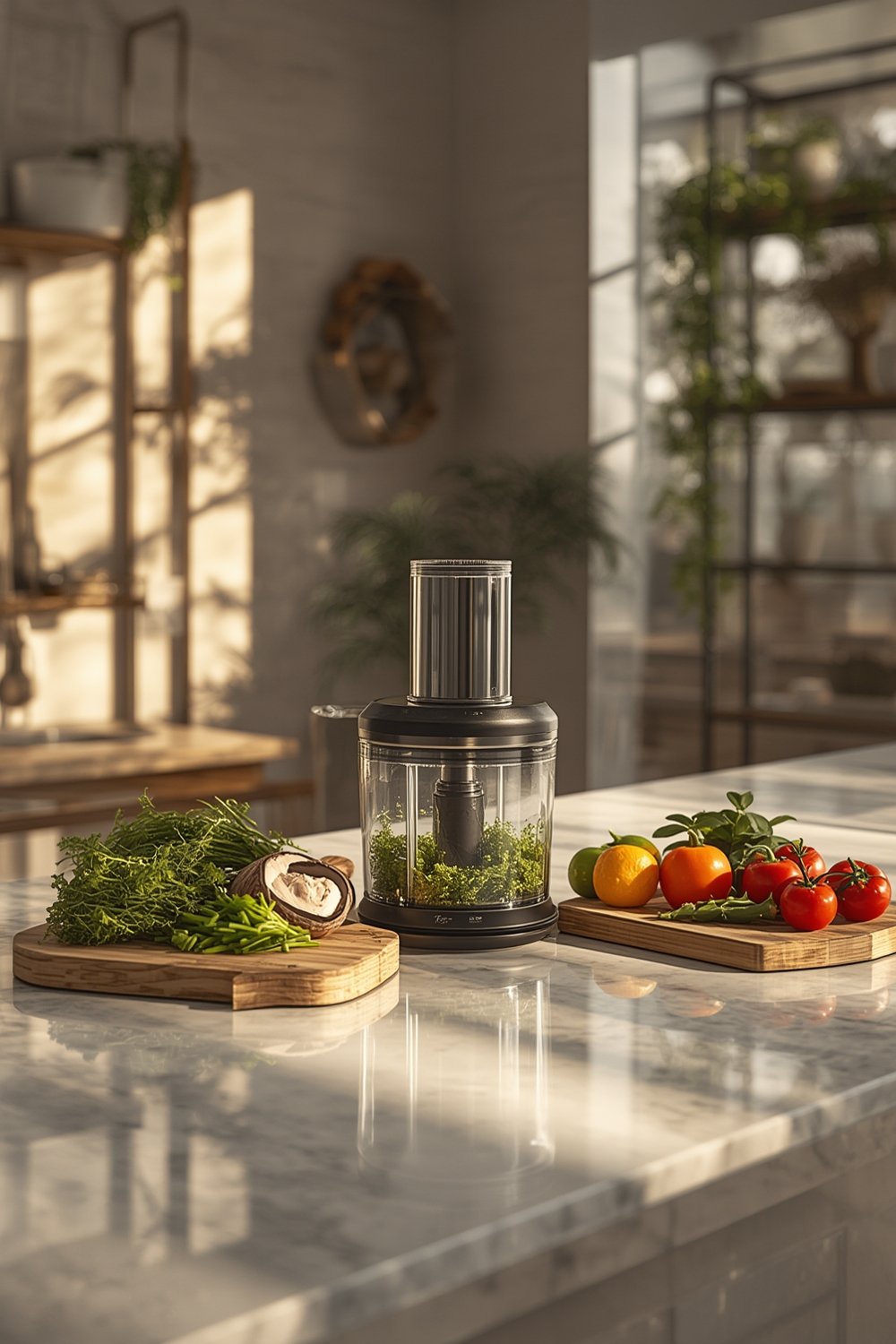
An electric vegetable chopper is a countertop kitchen appliance that automates the task of chopping, slicing, or dicing vegetables and other foods. With the press of a button, it uses motor-powered, rotating blades to quickly process ingredients into uniform pieces. These choppers help home cooks speed up food prep, reduce hand fatigue, and maintain consistent cut sizes—especially for large meals or batch cooking.
Global demand for electric vegetable choppers has skyrocketed. As of 2023, the worldwide market was valued between USD 1.23 billion and USD 1.3 billion, with predictions to surpass USD 2.6 billion by 2032 at a CAGR of 8% or higher (source). Busy lifestyles, urbanization, the surge of home cooking, and growth in e-commerce are fueling this trend—especially in Asia Pacific and North America.
Unlike manual choppers, electric versions handle bulk veggies with less physical effort. Corded electric vegetable chopper models dominate, delivering continuous power for both home and commercial kitchens. Multi-functional models with attachments for slicing, shredding, or pureeing are especially popular for health-conscious cooks seeking to streamline meal prep or experiment with recipes.
To go deeper into the differences between manual and electric models, see our guide to choosing the best vegetable chopper. For comprehensive reviews and head-to-head performance, visit our vegetable chopper review page.
Step-by-Step Guide: How to Select and Use an Electric Vegetable Chopper
Selecting the best electric vegetable chopper for your needs doesn’t have to be complicated, but attention to detail matters. Follow these actionable steps before making your purchase and when using your chopper.
- Define your needs.
- Are you prepping daily salad ingredients, meal-prep batches, or both?
- Will you need functions beyond chopping—like slicing, julienne, or shredding?
- Home cooks with small kitchens will want a compact, space-saving design (see our space-saving kitchen gadgets for ideas).
- Check the technical specifications.
- Motor power (watts): Look for motors above 200W for tough veggies or longer use.
- Blade material: Stainless steel blades are the gold standard for sharpness and easy cleaning.
- Bowl capacity: For one to two people, 0.5-1 liter may suffice. For families, aim for 1.5 liters or more.
- Speed settings: Variable or pulse settings let you control texture.
- Detachable parts: Detachable parts and removable blades and bowls make cleaning simpler.
- Safety features: Seek lid-locking mechanisms, overload protection, and non-slip feet.
Our electric food chopper guide covers the latest in safety and technology upgrades.
- Weigh corded versus cordless design.
- Corded: Delivers non-stop power; best for high-volume chopping or commercial use (source).
- Cordless: More portable and space-saving, but may run out of battery and often less powerful.
- Compare motor lifespan, battery charge time, and runtime for cordless options.
If you prioritize seamless workflow, corded is the safer bet. For flexibility in small apartments, consider top-rated compact or cordless units—a good entry in our apartment kitchen gadgets listing.
- Assess included accessories and attachments.
- Multi-purpose choppers can slice, shred, or puree—ideal for broader recipe use.
- Extra bowls or containers add value for meal preppers and bakers alike.
- Plan for easy cleaning and maintenance.
- Choose models with easily detachable parts and minimal hidden crevices.
- Read instructions for proper assembly or disassembly—improper cleaning leads to wear or lingering odors over time.
- Stainless steel and dishwasher-safe parts pay off in long-term durability.
Our list of easy cooking gadgets highlights low-maintenance tools for effortless cleanup.

- Follow best-practice usage tips for optimal results.
- Cut large vegetables into chunks so the blades chop evenly.
- Don’t overfill the bowl—smaller batches improve cut quality.
- Pulse rather than hold down the power button for better texture.
- Dry blades and bowl thoroughly after cleaning to prevent rust and odor retention.
Batch prepping for the week? Pair your chopper with other meal prep kitchen tools for streamlined efficiency.
Advanced Analysis & Common Pitfalls
Electric vegetable choppers aren’t flawless. Even leading models have recurring issues or mismatched expectations to watch for.
- Inconsistent chopping with overfilled bowls: Even with strong motors, jamming the bowl full leads to uneven bits. Always work in batches for best results.
- Motor overheating on cheaper or compact models: Extended use (5+ minutes without breaks) can cause the motor to overheat or even fail over time—especially if the wattage is low or the ventilation is poor (source).
- Cleaning hassles: Poorly designed choppers trap food in seams and under blades. Models with non-detachable or non-dishwasher-safe bowls can build up residue. Always review the design before buying.
- Noise: High-powered units can be surprisingly loud, which is a drawback when cooking early mornings or in apartments.
- Staining and odor retention: Plastic bowls often retain the smell of onions and garlic, and may also stain from beets or carrots—glass or high-quality polycarbonate resists this problem.
- Price confusion: Market data lacks transparent pricing tiers, so compare similar wattage, bowl size, and included accessories, not just brand name or appearance.
- Warranty coverage: Many budget electric choppers skimp on warranty, leaving you with a dead machine after heavy use.
| Feature | Electric Vegetable Chopper | Manual Vegetable Chopper |
|---|---|---|
| Chopping Speed | Fast (large volume in minutes) | Moderate to slow (manual labor limits batch size) |
| Result Consistency | Very uniform if not overfilled | Depends on technique; varies by user |
| Physical Effort | Minimal (just load, press, and wait) | High (manual force required) |
| Suitability for Batch Prep | Excellent (especially corded models) | Not ideal (tiresome for repeated use) |
| Energy Usage | Electricity needed; small per session | No electricity; energy is your effort |
| Cleaning & Maintenance | Can be easy with detachable, dishwasher-safe parts | Often easier, fewer parts |
| Noise | Moderate to loud | Silent |
For a critical look at whether these tools justify the cost for your needs, see Is a vegetable chopper worth it? For models praised for durability and real-world performance, our ultimate vegetable chopper review gives you user-vetted picks.
Conclusion
Electric vegetable choppers are reshaping the home kitchen—delivering unmatched speed, consistency, and convenience for all types of cooks. Focus on technical specs (power, blades, cleaning features) and match the chopper size to your routines for long-term satisfaction. Be realistic about potential downsides; cleaning and batch size matter as much as raw power. With the right choice, even busy weeknight meals become less work and more enjoyment.
Ready to find your ideal electric vegetable chopper? Read more in our detailed Best Vegetable Chopper 2024 guide or browse top-rated kitchen gadgets on Amazon for curated, tested picks.
Upgrade your prep, speed up your meals—your future self (and kitchen) will thank you.
FAQ
Do electric vegetable choppers work on all vegetables?
Most electric vegetable choppers can handle common veggies like onions, carrots, potatoes, and cucumbers. For root vegetables or harder foods, ensure the motor is 200W or higher. Some models may struggle with very dense items or fibrous greens—cut larger pieces smaller first.
Are electric vegetable choppers dishwasher-safe?
Many models feature detachable parts that are top-rack dishwasher safe. Always check the manufacturer’s manual; motors and bases must never be submerged.
Is a corded or cordless chopper better?
Corded choppers provide steady, continuous power—ideal for batches and tough vegetables. Cordless models offer portability but may need frequent recharging and usually have less chopping strength.
How do I maximize the durability of my chopper?
Avoid overfilling the bowl, clean blades and bowl promptly after use, fully dry all parts before storage, and follow recommended duty cycles to prevent motor overheating.
Do electric choppers save time compared to manual options?
Yes. Electric choppers typically process ingredients several times faster and with less effort, especially for large quantities or frequent use.