

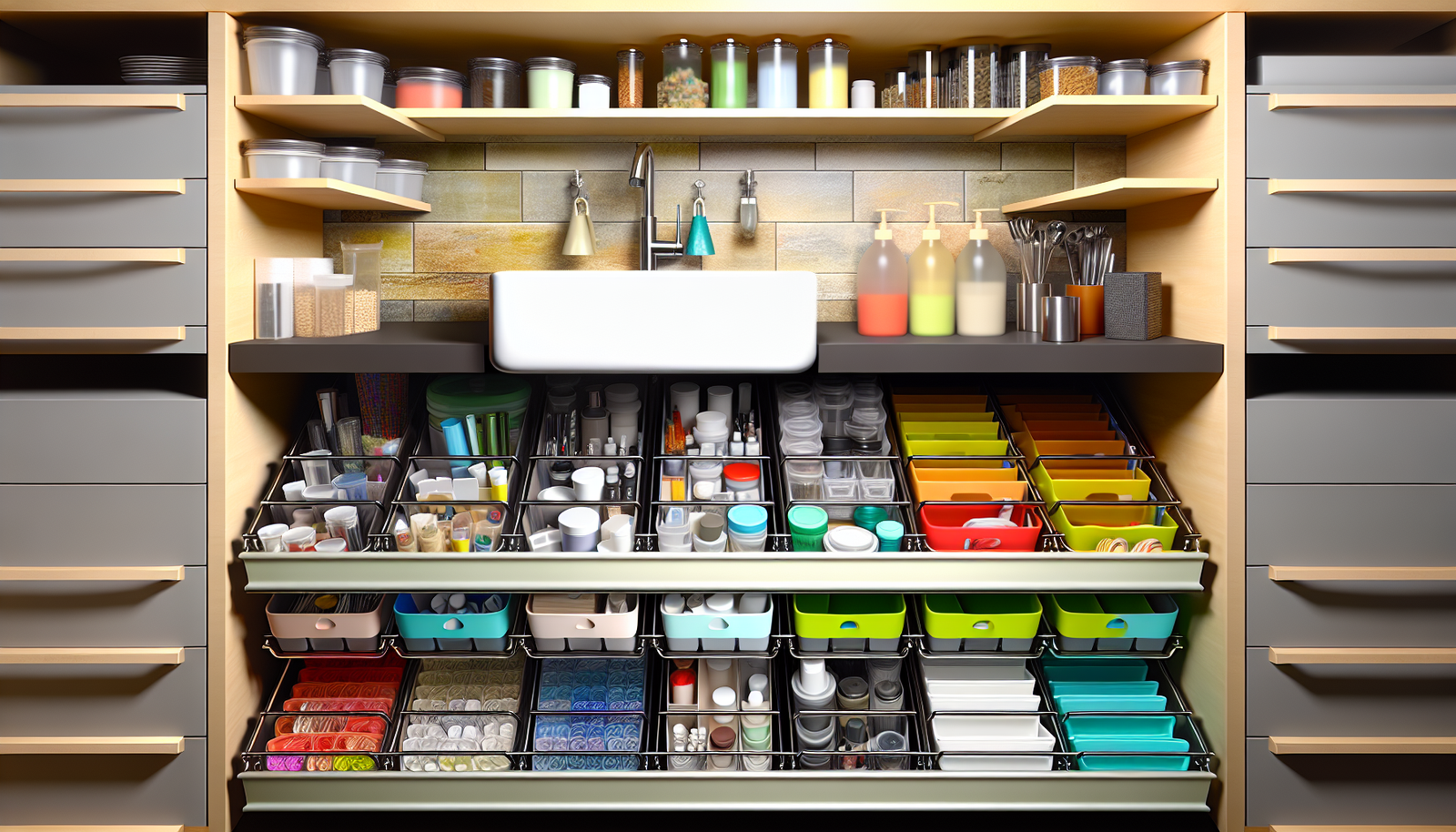
Discover clever DIY under sink storage ideas to maximize every inch of your cabinet space. From pull-out organizers to adjustable shelves, learn smart solutions that work around plumbing and keep your kitchen or bathroom neat and accessible.“Creative DIY Under Sink Storage Ideas: Kitchen & Bathroom Organization Hacks Kitchen & Bathroom Organization Hacks”
Understanding Under Sink Challenges “Creative DIY Under Sink Storage Ideas: Kitchen & Bathroom Organization Hacks”
Organizing the space under your sink can be tricky, but with smart planning, it’s completely doable. The main challenge is the plumbing—P-traps, tailpieces, trap arms, shut-off valves, and sometimes garbage disposals or dishwasher connections take up valuable cabinet space. These pipes not only limit storage options but also require occasional access for maintenance and repairs.
To make the most of your under-sink area, measure carefully and plan storage solutions that fit around the plumbing. Removable shelves, pull-out organizers, and adjustable baskets are ideal for keeping cleaning supplies, toiletries, or kitchen essentials neatly organized while maintaining easy access to pipes when needed.
Before installing any storage solutions, measure the area carefully and map out the exact location of each pipe. This ensures your cabinets, shelves, or organizers fit perfectly without obstructing plumbing. Consider removable or adjustable storage options so you can maintain easy access when needed. By planning around your plumbing, you can maximize under-sink storage while keeping everything functional and accessible.
Another persistent problem is moisture and hidden leaks. Condensation, slow drips, or unnoticed seal failures promote mold, mildew, and wood rot, which compromise stored items and cabinetry. Without proper airflow and inspection access, water damage can progress unseen. This is why routine checks and moisture-resistant preparations are non-negotiable.
Insufficient lighting makes all of these issues worse: poor visibility hides leaks, makes retrieval of items fiddly and increases the risk of knocking pipes or containers. Good lighting is about safety and maintenance as much as convenience—if you can’t easily see valves and seams, you won’t catch problems early.
Accessibility is often underestimated. Many under-sink areas are deep with low visibility and awkward reach zones; storing frequently used items in the back or under a trap creates daily frustration. Ergonomics matter—organizing by frequency of use, leaving room to access valves, and ensuring heavy items are supported and easy to lift prevents strain and cabinet damage. Equally important are safety concerns: housecleaning chemicals and flammables must be secured and separated from food or pet items, and childproofing should be considered.
All these constraints influence what storage strategies will work; addressing them first—by measuring, planning for access, mitigating moisture, improving visibility, and prioritizing safety—sets the groundwork for effective, long-lasting solutions.
Choosing the Right Storage Solutions
Choosing the right under-sink storage starts with matching the style of solution to the peculiar shape of the space and the way you use it. Consider these common categories and when each shines:
- Adjustable shelving: Ideal when pipes or irregular shapes require flexibility. Look for shelves with multiple bracket positions or modular peg systems so you can move levels around plumbing. Open shelves make spotting leaks easier; removable shelves allow full access for maintenance
Material and hardware choices make or break longevity: choose moisture-resistant materials—PVC, powder-coated steel, marine plywood or melamine—over raw plywood; stainless or zinc-plated hardware resists corrosion. Prioritize lightweight solutions where cabinet walls are thin, and use brackets that distribute load to studs or roomy side panels rather than back panels that may be compromised by plumbing access points.
Design tips: measure clearances top-to-p-trap and front-to-back, prefer removable or easily disassembled units for cleaning, and opt for modular pieces you can reconfigure as needs change. These choices set up practical DIY builds and installations covered next.
DIY Projects for Efficient Storage
Custom Pie-Cut Shelf to Work Around Pipes
- Tools & materials: 1/2″ plywood, circular saw or jigsaw, measuring tape, pencil, wood glue, 1-1/4″ screws, sandpaper, paint or sealant, small L-brackets.
- Steps:
- Measure interior cabinet width, depth and the exact locations of the drain and water lines from the back and floor.
- Draw a shelf outline on plywood that “pies out” around pipes — mark semicircles or notch shapes where plumbing intrudes
Pull-Out Drawer Using Side-Mount Slides
- Tools & materials: 1/2″ plywood for box, tape measure, drill, level, side-mount full-extension slides, screws, wood glue, saw.
- Steps:
- Measure cabinet interior height and depth, subtract 1/8″ from width to determine box width for side slides.
- Cut box pieces and assemble with glue and screws; ensure box is square.
- Mount slides to box and cabinet sides per manufacturer spacing — use a level for straight alignment.
- Insert drawer, test smooth operation and adjust mounting screws if binding occurs.
Tension Rod Hanging System for Spray Bottles
- Tools & materials: adjustable tension rods (cut to fit), S-hooks, small plastic bins or spray bottle holders.
- Steps:
- Measure side-to-side clearances; select rods that press between cabinet sides without hitting pipes.
- Install rods at staggered heights under the shelf; hang bottles from S-hooks or clamp small bins to rods for easy grab-and-go storage.
- Use rubber caps or padding where rod contacts wood to prevent slippage or dents.

Compact Lazy Susan for Deep Corners
- Tools & materials: two 12–16″ turntable bearings, round plywood disk, screws, finish.
- Steps:
- Cut a round disk slightly smaller than cabinet width, mount one bearing centered to top and one to base for stability.
- Fasten disk to bearings, place under sink away from plumbing, and load with cleaning supplies for 360° access.
Organizing Essentials and Maximizing Accessibility
Under-sink space becomes useful only when its contents are organized for both visibility and reach. Start by establishing functional categories—examples include everyday cleaning (all-purpose spray, sponges), heavy-duty cleansers, plumbing/repair items, trash/liners, and extras (replacement soap, spare brushes). Within those categories, sort again by size and frequency so small items don’t get lost behind large bottles.
Use these practical organizing strategies:
– Zone by frequency: keep the items you use daily in the front or in a dedicated “grab-and-go” caddy. Reserve the deepest recesses for seasonal or rarely used supplies.
– Uniform, stackable containers: choose bins of the same footprint so they stack neatly and slide in/out predictably. Clear bins make contents obvious; if appearance is a concern, use clear-front boxes so the sides stay tidy.
– Label smartly: apply waterproof labels to the long side and top of each container. Use short words and icons for quick recognition—especially useful for kids or guests. A small label color code (e.g., red for hazardous, green for everyday) speeds scanning.
– Visibility and access: favor open-front or low-profile bins for frequently used items so you can see and grab without moving other containers. Place back-facing labels or tag handles so items can be retrieved without turning boxes around.
– Contain spills and separate hazards: keep liquids in a tray or lidded tub to contain leaks and isolate chemicals from food-related items. Store corrosives and pesticides in a separate, clearly marked bin and consider childproofing latches.
– Quick inventory: tape a simple checklist or use a small notepad on the door for what needs restocking. A one-page inventory helps avoid overbuying and ensures high-use items are always reachable.
Together these methods reduce rummaging, protect supplies, and make the under-sink cavity a predictable, easy-to-maintain resource.
Maintaining Your Under Sink Storage
Weekly quick check: take 2–3 minutes to peek under the sink. Look for drips or dampness, remove any standing water with a paper towel, and push back anything that has shifted. Small spills attract mold and pests fast, so early removal prevents bigger problems.
Monthly deep-clean routine:
- Empty the cabinet: remove all items so you can inspect surfaces and plumbing.
- Inspect for leaks and rot: check pipes, P-trap, and the base for soft spots; tighten fittings or call a plumber if you see active leaks. Early detection saves costs.
- Clean and disinfect: wipe shelves and walls with a mild detergent, then a diluted vinegar solution or a bleach spray for mold-prone areas. Rinse and dry fully—moisture is the main enemy.
- Replace liners and absorbents: swap in fresh shelf liners and moisture absorbers (silica gel packs or small desiccant tubs) to protect wood and reduce humidity.
Quarterly reassessment: evaluate whether current containers and dividers still meet your needs. Rather than overhauling, tweak placement, add low-cost dividers, or repurpose a drawer organizer. Keep a simple inventory — a quick photo on your phone or a sticky note — so you know what to replenish or discard.
Annual purge and safety audit: dispose of expired chemicals safely (check local hazardous waste rules), consolidate half-full products, and test childproofing locks and latches. Replace worn hardware—loose hinges and warped shelves reduce longevity.
Adapting to life changes: when routines shift (new baby, pet, or hobby), plan a focused reconfiguration: add a locked box for toxic items or a dedicated bin for pet supplies. Small, regular maintenance prevents the under-sink area from reverting to clutter and keeps plumbing and storage functioning over time.

Conclusions
By employing the right DIY techniques, you can turn your under sink space from cluttered to organized. These creative storage ideas not only declutter your kitchen or bathroom but also enhance the functionality of your space. Embrace these solutions and enjoy a more efficient living area.
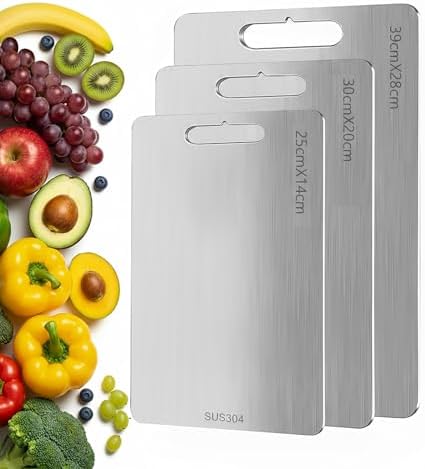
- What You Get: You will get a set of three stainless steel cutting boards in classic silver color, sizes include small …
- Material: Made from durable food-grade stainless steel, this material combination is safe for food contact, rust-resis…
- Size & Function: Multiple size options cater to different needs; the unique hole design allows easy hanging storage, a…