

Cordless electric kettle technology has rapidly become a kitchen essential for busy homes and workplaces, offering fast boiling and portable convenience you can’t get from corded models. In this guide, we break down the market trends, show you how to choose and use a cordless electric kettle wisely, and highlight what most articles miss about safety, energy, and durability.
Key Takeaways
- The global cordless electric kettle market is expanding fast—expect smarter and more efficient options to dominate through 2025 and beyond.
- Choosing the right model is about balancing speed, safety, and convenience, as well as watching for underdiscussed issues like limescale and induction base durability.
- Regulatory standards in markets like Europe push manufacturers to improve energy efficiency and recyclability in cordless electric kettles.
- What Makes Cordless Electric Kettles Essential?
- Step-by-Step: How to Choose and Use a Cordless Electric Kettle
- Advanced Analysis & Common Pitfalls
- Conclusion
- Frequently Asked Questions
What Makes Cordless Electric Kettles Essential?
Cordless electric kettles have surged in popularity due to their unparalleled ability to blend rapid boiling, portability, and design flexibility. Unlike traditional corded kettles, cordless units sit atop a 360-degree contact or Induction bases, freeing you from worrying about awkward cords and making pouring safer and easier. This design innovation, paired with advanced features like rapid-boil elements and variable temperature controls, has transformed daily tea, coffee, and instant meal prep routines worldwide.
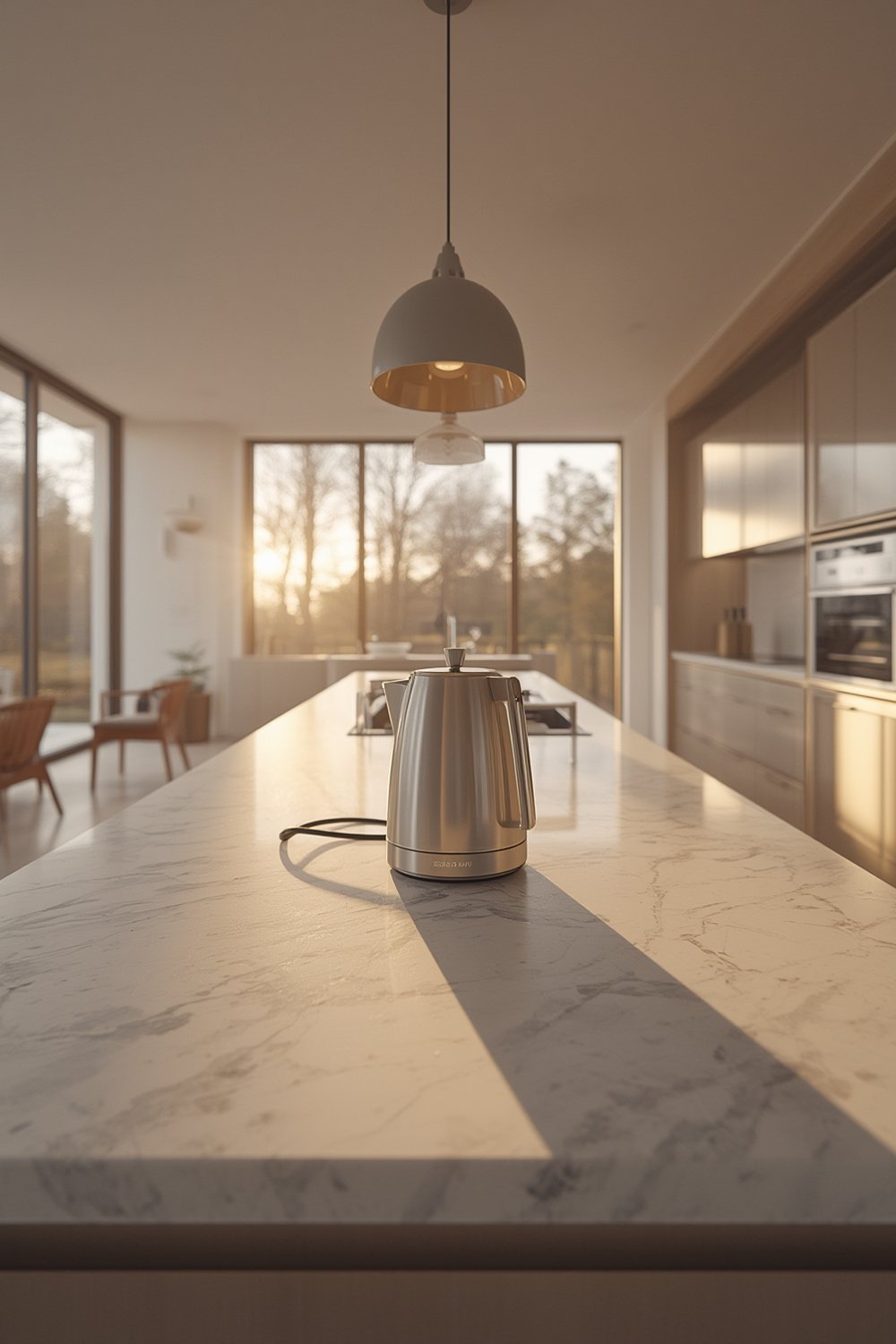
According to DataIntelo, the global cordless electric kettle market was valued at USD 1.6 billion in 2023, with forecasts pointing to even faster adoption across Asia-Pacific, where shifting urban lifestyles and demands for convenience are strongest (IMARC). Standout growth is also predicted in the United States, where the market is set to reach over $990 million in 2024 and keep growing thanks to hectic daily routines and increased hot beverage consumption (Statista).
Cordless electric kettles are more than a trend—they are reshaping expectations around countertop appliances. Design improvements have also included better ergonomics, auto shut-off safety, and smart integration, ensuring these kettles adapt to a range of needs from student apartments to busy family kitchens. They’re also central for space-saving kitchen gadget strategies.
Step-by-Step: How to Choose and Use a Cordless Electric Kettle
Picking the best cordless electric kettle isn’t just about style. Here’s how to choose and make the most of this modern kitchen staple:
- Assess Your Daily Usage: Consider how many cups you typically boil each session. Larger households or office settings may need 1.7 to 2-liter models, while solo users can save space with compact units. For comparison, many apartment kitchen gadgets are similarly sized for smaller spaces.
- Prioritize Safety Features: Look for kettles with auto shut-off, boil-dry protection, and cool-touch exterior surfaces. Standards in Europe now require energy-efficient standby, which indirectly boosts product safety.
- Check Boil Speed and Power: Higher wattage (usually between 1500–3000W) means faster boiling, but watch for reliable thermostats and well-designed bases. Induction bases are common in quality models for safety and even heating.
- Evaluate Build Quality: Stainless steel and BPA-free plastics are industry standards, but glass kettles offer easy cleaning. Make sure lids open wide for descaling since limescale can quickly build up in hard water areas.
- Think About Extra Features: Smart connectivity (timers, app integration), water level indicators, and precise temperature presets are becoming more common. Factor in your actual needs—don’t pay for features you’ll rarely use.
- Keep Price in Context: While there’s no exact global average, mid-priced models dominate the 2024 market, balancing cost with rapid boil and convenience (GMI Insights).
- Practice Regular Maintenance: Descale monthly (especially in hard water regions) and check the base for residue. A well-maintained kettle lasts longer and boils more efficiently.
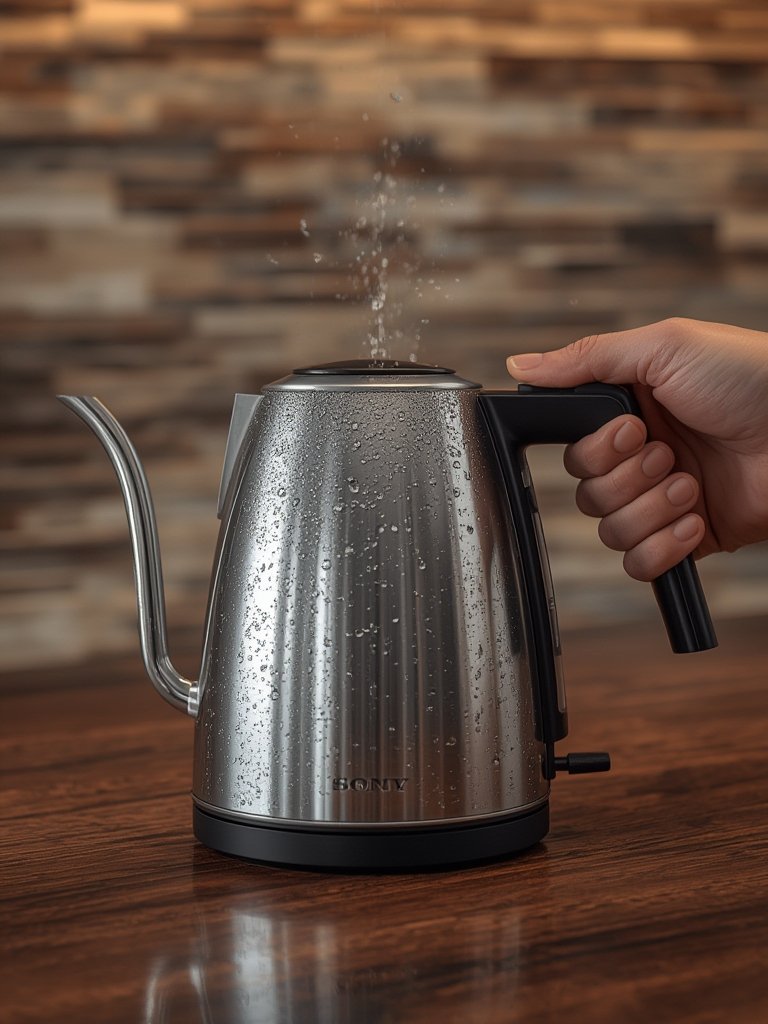
As with other handy appliances—such as those in our worth buying kitchen gadgets round-up—the value of a cordless electric kettle is in day-to-day reliability. For more about essential tools for the modern kitchen, don’t miss our guide to essential kitchen tools.
Advanced Analysis & Common Pitfalls
Even the best cordless electric kettles are not without shortcomings and overlooked issues. Here are the main pitfalls, realistic concerns, and a side-by-side comparison of the most relevant factors:
| Feature | Cordless Electric Kettles | Traditional Corded/Non-Cordless |
|---|---|---|
| Ease of Use | High (portable base, no dangling cord, easy pour) | Medium (must unplug to carry, cord can snag) |
| Safety | Good (induction or contact base, auto shut-off common) | Variable (risk of tripping, some lack auto shut-off) |
| Energy Efficiency | Improved (Europe’s 2023/826 standard) | Generally lower |
| Common Pitfalls |
|
|
Ongoing research and reviews do not point to any widespread design flaw or safety recalls as of 2024 (ResearchandMarkets), but gaps persist—especially regarding long-term wear of induction connections, which could affect both performance and user safety. Modern consumers should also consider the product’s recyclability and observe for future compliance with regulations like the Eco-design for Sustainable Products Framework in Europe.
For kitchens in hard-water regions, limescale isn’t just a performance issue. Scale deposits can impact the kettle’s safety shut-off mechanisms and make regular cleaning a non-negotiable habit. To rethink your full kitchen workflow, see our guide on gadgets to make cooking easier, which pairs well with efficient appliances like kettles for daily routines.

Conclusion
Cordless electric kettles have become a must-have for modern kitchens, combining speed, safety, and user-focused features that match today’s demand for convenience. The rapid growth of the global market—as well as tighter energy and safety standards—means that smart cordless options are only going to get better. Be realistic in your selection: prioritize automatic shut-off, choose the correct size, and maintain your unit regularly for lasting performance. For more ideas on integrating essential tools, check our review of the latest trending kitchen gadgets. Invest wisely in your next cordless electric kettle, and enjoy safer, faster boiling at your fingertips.
Ready to upgrade your kitchen? Compare features, take stock of what matters most, and bring home a cordless electric kettle that truly fits your workflow.
Frequently Asked Questions
Are cordless electric kettles as safe as corded versions?
Yes, modern cordless electric kettles typically include auto shut-off, boil-dry protection, and insulated handles. Their induction or contact base also eliminates the risk of cord-related spills. Always check for compliance with local safety standards.
How often should I descale my cordless electric kettle?
If you live in a hard water area, descale monthly using a mix of water and vinegar or a dedicated descaler. Regular cleaning helps prevent limescale buildup, which can impact both safety and performance.
Do all cordless electric kettles have the same boiling speed?
No. Boiling speed depends on wattage, element design, and the overall build quality. Higher wattage (above 1800W) generally means faster boiling, but efficiency also matters.
Can I boil milk or other liquids in my cordless electric kettle?
Most models are designed for water only. Boiling milk or other liquids can cause overheating, residue build-up, and potential safety hazards. Always check the manufacturer’s instructions for your model.
What features should I look for in a cordless electric kettle?
Focus on auto shut-off, easy cleaning, a clear water level gauge, and a comfortable grip. Extras like temperature presets or smart integration may add convenience if you need them.