

Cabinet shelf risers are the most efficient way to double your storage in cluttered cabinets, but most people overlook critical details that can make or break your kitchen organization. If you want to maximize every inch inside your cupboards without wasting money on products that don’t last, you need to know what works—and what to avoid.
Key Takeaways
- Cabinet shelf risers instantly create new levels of storage for plates, cups, cans, and more—no installation needed.
- Choosing the right material, weight capacity, and shelf depth prevents frustration and wasted money.
- Common pitfalls include risers that wobble, fit poorly, or warp over time—avoid them with practical buying criteria outlined here.
- What Are Cabinet Shelf Risers & Why Bother?
- Step-by-Step Guide: How to Use Cabinet Shelf Risers for Maximum Efficiency
- Advanced Analysis & Common Pitfalls
- Conclusion
- FAQ
What Are Cabinet Shelf Risers & Why Bother?
Cabinet shelf risers are simple, stackable platforms designed to maximize vertical space inside your cupboards or pantry. By creating an extra level inside a cabinet, risers allow you to stack plates above bowls, split cans from condiments, or keep mugs and glasses visible and accessible. Instead of tall piles and wasted air above your items, shelf risers create an organized, double-decker layout that’s easy to reconfigure whenever your storage needs change.
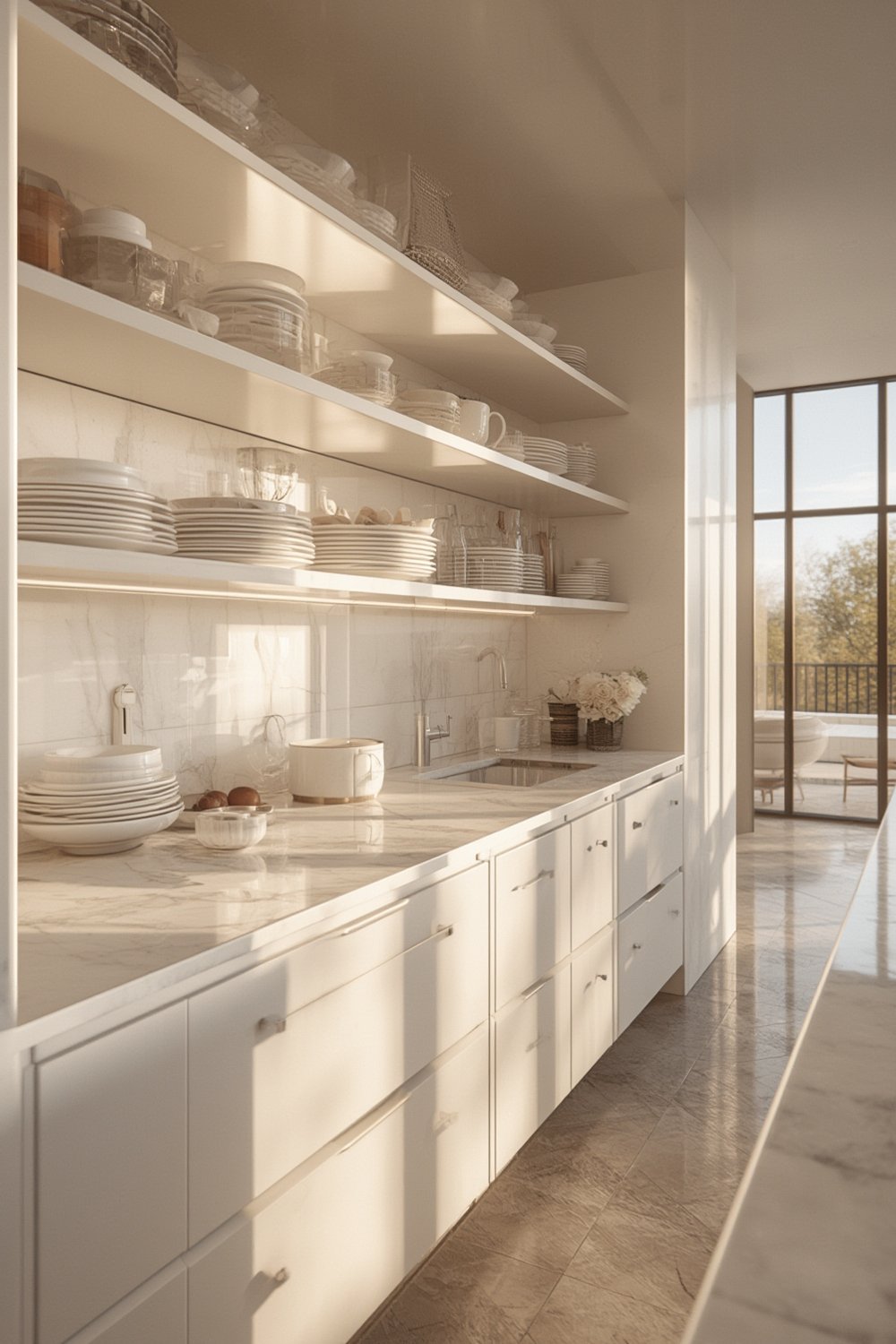
The genius of a cabinet shelf riser is its simplicity: no tools, holes, or permanent changes to your cabinetry. Most risers come in metal, wood, or plastic and start at just a few dollars—a low-risk investment with an immediate impact.
Unlike built-in shelves or custom cabinetry, risers can move as often as your habits change. If you move apartments, downsize, or reorganize, they go with you. This makes them both one of the most valuable space-saving kitchen gadgets and a favorite among renters and minimalists alike.
If you’re short on cupboard space, tired of rummaging through haphazard stacks, or want to unlock hidden vertical storage without hiring a contractor, cabinet shelf risers are a direct solution that actually works.
Step-by-Step Guide: How to Use Cabinet Shelf Risers for Maximum Efficiency
Setting up cabinet shelf risers is straightforward, but small details can make a huge difference. Here’s how to choose, position, and use risers for maximum storage and functionality:
- Empty and Clean Your Cabinet: Remove all items from the intended cabinet. Wipe down the shelves to remove crumbs, stains, or dust before introducing new organizers.
- Assess Available Space: Measure the width, depth, and height of your shelf and note any hinges, lip edges, or supports that could interfere with a riser’s fit.
- Choose the Right Type of Riser:
- Metal risers offer great strength and are ideal for plates, glassware, or cans. Look for models with coated legs to avoid scratching cabinet surfaces.
- Plastic risers are lightweight, affordable, and easy to clean—but check reviews for wobbling or warping issues over time.
- Wood risers look stylish but are heavier and can absorb odors or stains if not sealed well.
If you need to accommodate stacked bowls or tall bottles, consider an adjustable riser with telescoping or extendable legs.
- Test Placement Before Loading Items: Place the riser in your cabinet. Adjust its position to ensure doors can close and that each level will be reachable. Stack a few items first to check fit and wobble.
- Load Heavier Items on the Bottom: Place heavier dishes or cans directly on your cabinet shelf. Use the upper tier of the riser for lighter, less frequently used items.
- Group Similar Items Together: Keep cups with cups, and plates with plates—no more digging through mismatched piles!
- Regular Maintenance and Reorganization: Every month, do a quick check for sagging or stains, and tweak your setup as new products and seasonal dishes come and go.
- Consider Other Organizers for Maximum Effect: Pair risers with Lazy Susan organizers, under sink organizer trays, or drawer organizer inserts for a seamless, multi-pronged organization strategy.
- For more inspiration, see our apartment kitchen gadgets guide for small space tips.
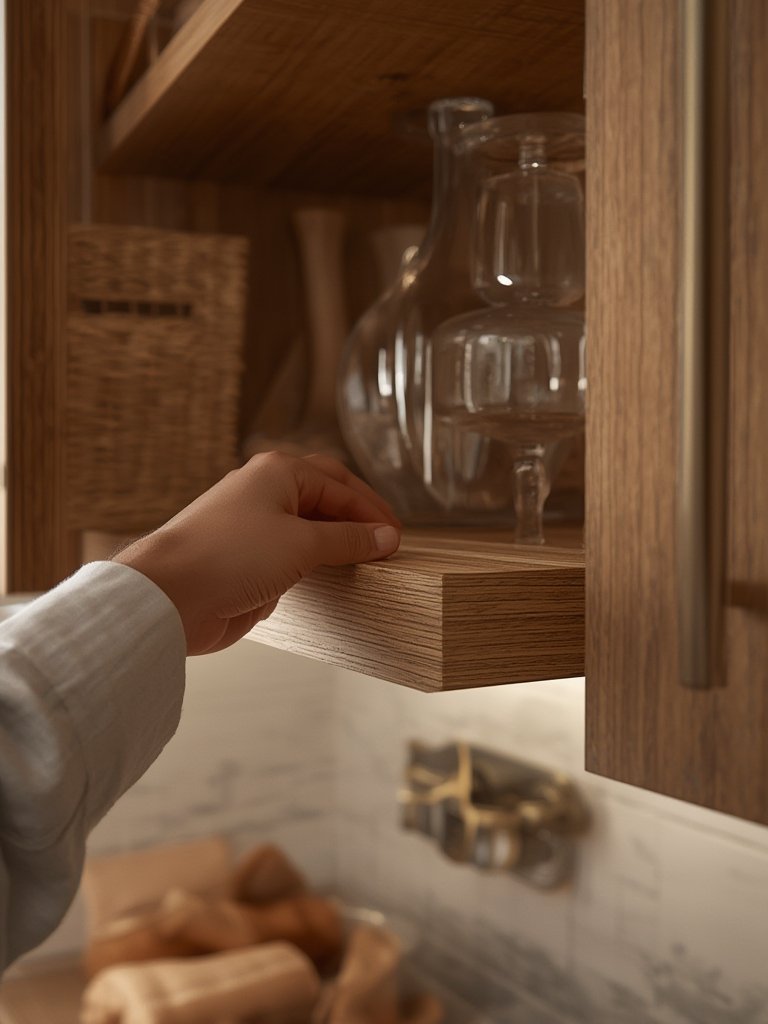
If you want to take your kitchen decluttering even further, check out these actionable tools for pantry organization and discover additional ways to control chaos.
Advanced Analysis & Common Pitfalls
Cabinet shelf risers sound simple, but real-world use reveals a few persistent issues you must plan for:
- Stability issues: Many plastic risers wobble if the shelf is uneven, or if the cabinet base isn’t perfectly flat. This can be a safety hazard—especially for glasses or mugs.
- Poor fit: Non-adjustable risers may not maximize all available space, especially if your cabinet depth is unstandardized or you have a tall shelf with little side clearance.
- Weight limitations: Low-quality models (especially bargain plastics) can sag or collapse after a few months if overloaded with heavy dishware or canned goods. Always check weight ratings before purchase.
- Warping and durability: Both plastic and unsealed wood risers can warp with humidity or heat exposure. Look for reinforced construction, especially if you store shelf risers near the stove or in the bathroom.
- Slipping and sliding: Without a grippy coating, risers can slide on slick melamine shelving—and items placed on top may shift during opening and closing. Add non-slip pads or shelf liners to fix this.
- Visual clutter: Multiple stacked risers may create a visually busy look and make it harder to keep track of what you own. Only add as many levels as you truly need.
| Feature | Metal Risers | Plastic Risers | Wood Risers |
|---|---|---|---|
| Weight Capacity | High (10+ lbs typical) | Low to Moderate (3-8 lbs typical) | Moderate |
| Durability | Rust-resistant when coated, very durable | Prone to cracking/warping over time | Prone to moisture damage unless sealed |
| Stickiness/Grip | Often rubber or silicone feet | Can slip unless textured | Stable if heavy, can scratch shelves |
| Cleanup | Easy to wipe clean | Dishwasher safe; sometimes stains | Can stain, needs gentle cleaning |
| Main Drawback | Can scratch; costlier | May sag; short lifespan if cheaply made | Absorbs odors if unsealed |
For more in-depth organizer best practices, read about stackable containers and how they pair with shelf risers to minimize food clutter.
Some buyer pain points remain underexplored online due to limited market research. For example, there’s little public data on riser market sizes, exact weight tests, or long-term durability studies. Most industry reports lump risers in with general cabinetry or organization products rather than breaking them out as a distinctive category. For more research limitations and gaps, see detailed external summaries like this vegetable chopper guide comparing research approaches.
Conclusion
When used intentionally, cabinet shelf risers turn wasted vertical space into user-friendly storage, helping you create order in your kitchen, pantry, or even bathroom. They solve a universal household problem with no need for renovation or technical skill—just smart choices. Remember to check dimensions, test load capacity, and consider practical upgrades like non-slip liners for the best results. Take control of your cabinets today: invest in quality cabinet shelf risers for instant, mess-free organization.
Ready to take your kitchen game to the next level? Explore more essential upgrades in our ultimate kitchen gadgets guide and never run out of clever space-saving ideas.
FAQ
Do cabinet shelf risers damage my cabinets?
Most quality risers have rubber or silicone feet that are gentle on surfaces. However, metal risers without coated legs or heavy wood versions can scratch some finishes over time. Using a shelf liner is a smart preventive step.
Can I stack multiple risers to create triple or quad storage tiers?
Some riser designs are stackable, while others are not intended for more than one level. Always check manufacturer instructions, and don’t exceed recommended weight capacity to avoid collapse or instability.
Are cabinet shelf risers washable?
Plastic risers are usually dishwasher safe. Metal and sealed wood risers can be wiped down with a damp cloth. Avoid soaking wood risers, as moisture can warp or split the material.
What other kitchen tools work well with cabinet shelf risers?
Pair risers with fridge organizer bins, under-sink trays, or lazy Susans for even more streamlined storage. You can find more space-maximizing gadgets here.
Do risers work outside the kitchen?
Absolutely. Use them in desk drawers, bathrooms, craft rooms, garages, or anywhere small items tend to stack up. Just match material and height to your shelf and contents.