

Blog Post:
Home storage solutions are more essential than ever as homes get smaller and possessions seem to multiply. Whether you live in a tiny apartment or a busy family house, smart storage can transform clutter and chaos into order and calm.
Key Takeaways
- The global home storage market is booming, driven by more compact living spaces and rising demand for multifunctional, space-saving solutions.
- E-commerce and AI customization are influencing how people choose and buy storage products—from modular units to eco-friendly containers.
- Optimizing home storage can dramatically improve daily organization and ease, but common pitfalls can lead to wasted space or frustration.
- The Core Concept: Why Home Storage Solutions Matter
- Step-by-Step Guide: How to Optimize Home Storage
- Advanced Analysis & Common Pitfalls
- Conclusion
- FAQ
The Core Concept: Why Home Storage Solutions Matter
Home storage solutions are strategies, systems, and products designed to help you maximize space, find your belongings easily, and keep your home clutter-free. Their importance is only growing:
- By 2035, the global home storage market is expected to reach $135.7 billion, with consumers looking for products that merge functionality, style, and sustainability.
- Urbanization and smaller living spaces fuel demand for space-efficient and multifunctional organizing solutions.
- Modular storage units, AI customization, and sustainable materials are top trends, with e-commerce making it easier to access innovative storage tools.

Step-by-Step Guide: How to Optimize Home Storage
You don’t need a huge budget or an interior designer to make the most of your space. Follow these action steps to build effective home storage solutions that truly fit your routine.
- Assess Every Area—Room by Room
Take inventory of every space, from closets to the kitchen sink cabinet. Mark pain points: overloaded shelves, overflowing drawers, or clutter hotspots. Identify what actually needs to be stored versus what you can donate or discard.For kitchens, resources like kitchen organization ideas or pantry storage solutions can reveal overlooked opportunities.
- Choose the Right Storage Tools
Match your storage needs to dedicated products: stackable bins for closets, drawer organizer inserts for utensils, lazy susans for corners, or under-sink racks.
Look for modular systems if your storage needs change often. - Maximize Vertical Space
Wall shelves, tall cabinets, and hanging organizers multiply usable area—especially in narrow rooms or small kitchens. Countertop bread boxes and shelf risers are easy, affordable ways to add layers in cabinets and on counters. - Label and Zone
Group similar items and label containers. Break areas into “zones”: cleaning supplies in one spot, snacks in another. This reduces daily search time and makes it clear where new items should go. If you like a minimalist style, check out minimalist home organization for more streamlined approaches. - Maintain and Adjust Regularly
Set a calendar alert to review storage every few months. Purge obsolete items and swap organizational tools if something’s not working.
For high-traffic spaces like kitchens and bathrooms, focus on storage that’s easy to clean and move. Under sink organization can completely change how you use awkward spots.
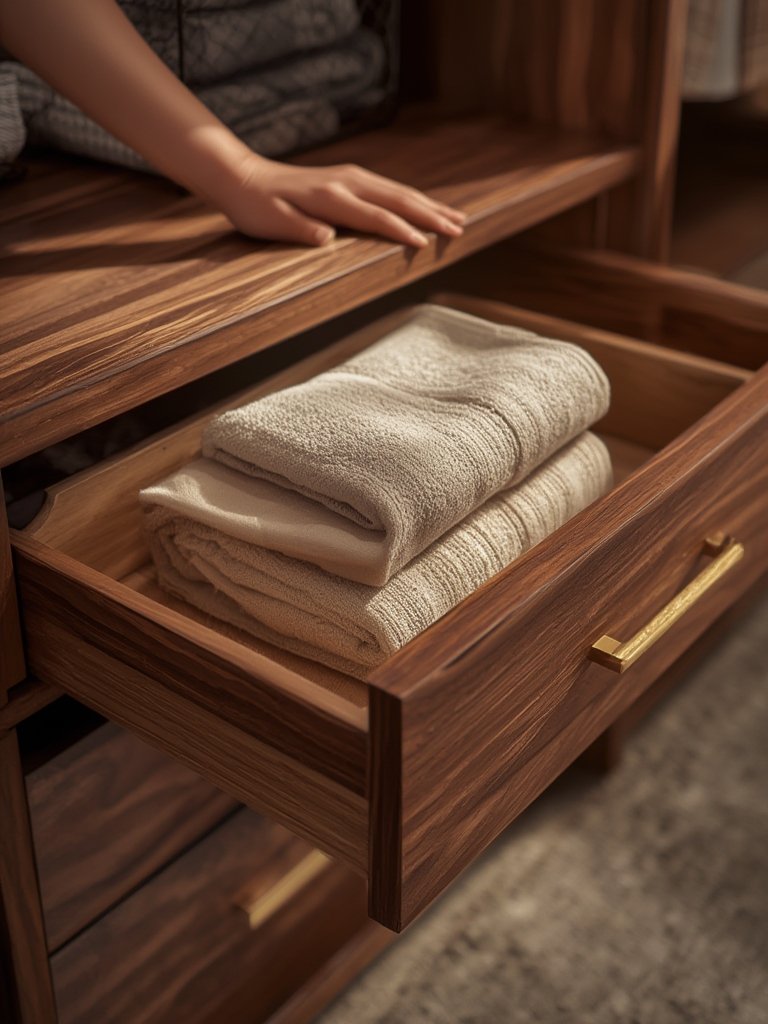
If you’ve got very limited floor space, utilize inside-cabinet doors with hooks or caddies and try multi-purpose furniture—think storage ottomans, beds with drawers, or rolling carts.
Lastly, don’t neglect areas like entryways or laundry rooms: Entryway organization ideas and laundry room organization offer specialized tips to keep these overlooked spaces functional and tracked.
Advanced Analysis & Common Pitfalls
Even if you follow the basics, several challenges can derail your storage strategy. Here’s what often trips people up, and how you can avoid these mistakes.
- Too Many Storage Containers: Buying lots of bins without a plan just creates new clutter. Always measure and plan zones before shopping for containers or shelves.
- Ignoring Vertical and Hidden Spaces: Underutilized wall zones, under-bed areas, and inside-closet doors can be goldmines for extra storage, but are often ignored.
- Underestimating Accessibility: Storing everyday items in hard-to-reach spots slows you down and increases daily frustration. Reserve high shelves and deep cabinets for rarely used goods.
- Sticker Shock on Custom Solutions: Although modular and AI-custom storage is trending (and growing at 5.91% CAGR per US market research), costs can add up quickly. Balance wish lists with your real needs; sometimes DIY options are more cost-effective.
| Storage Solution Type | Best For | Potential Downside | Ease of Installation |
|---|---|---|---|
| Modular Shelving Units | Customizable closets, utility rooms | Can be costly, complex for renters | Varies (moderate to hard) |
| Stackable Boxes and Bins | Living rooms, bedrooms, toys | Hard to see contents unless clear/labeled | Easy |
| Over-the-Door Racks | Bathrooms, pantries | Can dislodge with heavy use | Very easy |
| Multi-functional Furniture | Small apartments, multi-use rooms | High upfront cost, less flexibility | Moderate |
| Drawer Organizers | Kitchens, offices | Require correct sizing | Easy |
Older homes or small apartments can pose added challenges. Sloped walls, poorly placed electrical or plumbing, and a lack of built-in storage demand creative fixes. In rentals, permanent installations may be off-limits, making removable or non-damaging solutions—like rolling carts or adhesive organizers—practical choices.

Conclusion
The right home storage solutions can make even a small space feel bigger and more organized. Start by assessing, then invest in the tools and products that work for your home and lifestyle. With some planning and regular maintenance, you can maintain order without major renovations.
Ready to transform your home? Explore related guides on home organization hacks and small apartment organization for hands-on inspiration. With a clear strategy, home storage solutions are within reach for any household—start today.
FAQ
What is the first step to improving home storage?
Start by decluttering. Go room by room and remove anything you no longer use. This will make organization much easier and help you see what storage products will actually be useful.
How can I optimize storage in a small kitchen?
Use vertical space with shelf risers and wall-mounted racks. Drawer organizers and under-sink storage can also maximize every inch. Check out our space-saving kitchen gadgets guide for more ideas.
Are there affordable storage solutions for renters?
Yes, opt for removable organizers, over-the-door racks, and rolling carts. These can be installed without drilling or damaging walls—perfect for leased homes.
How often should I review my storage systems?
Do a quick review every three to six months. Purge what you no longer need, and rotate storage if your routine changes (like with kids, pets, or hobbies).
Are custom built-ins worth the investment?
Custom built-ins maximize difficult spaces and can boost home value, but they are expensive and not ideal for renters. Weigh your budget and how long you plan to stay before deciding.