

Blog Post:
Automatic soap dispenser technology is changing the way we think about hygiene at home and in public spaces. Whether you want to cut down on germ transmission, boost bathroom convenience, or just keep your kitchen counters cleaner, understanding these devices is key before you buy. This guide breaks down what really matters with buying and using an automatic soap dispensers, from technical specs to cost, maintenance, and real user complaints—so you can make the right call.
Key Takeaways
- Automatic soap dispensers offer substantial hygiene benefits but aren’t without maintenance and reliability challenges, especially concerning sensor function.
- Buyers should scrutinize sensor type, refill design, and battery life—these impact long-term convenience and cost.
- Price and technical features vary widely; bulk-fill and PIR sensor models suit most homes and budgets, while premium units target high-traffic or commercial needs.
- How Do Automatic Soap Dispensers Work and Why Choose One?
- Step-by-Step Guide to Choosing and Using an Automatic Soap Dispenser
- Advanced Analysis and Common Pitfalls
- Conclusion
- FAQ
How Do Automatic Soap Dispensers Work and Why Choose One?
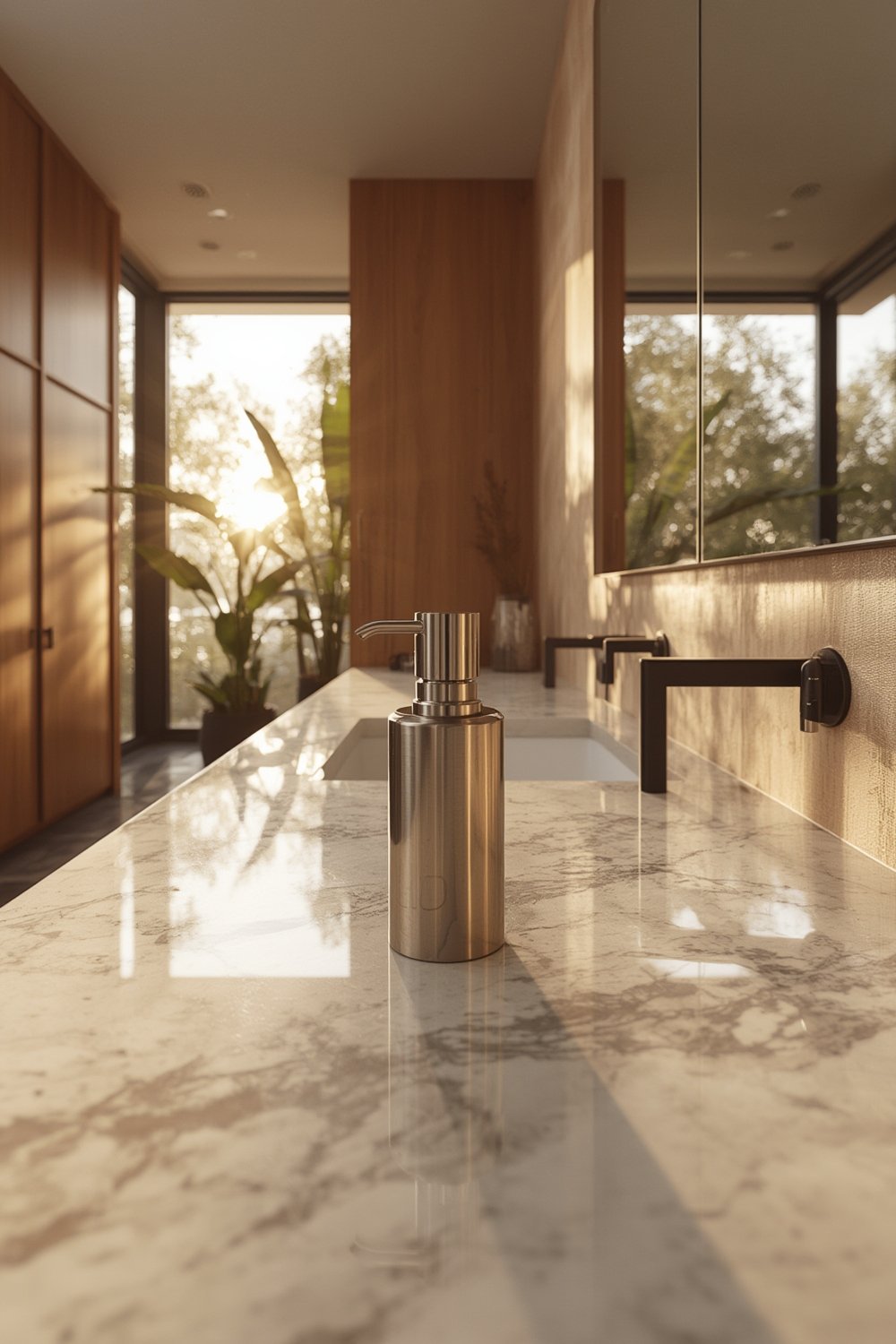
Automatic soap dispensers use motion sensors—typically passive infrared (PIR) sensors or similar technology—to detect your hand and dispense the right amount of soap without direct contact. This not only streamlines the washing process but also dramatically reduces the risk of cross-contamination, as you no longer need to touch handles or levers that might harbor bacteria or viruses.
Interest in these devices surged after the COVID-19 pandemic, with both homes and commercial spaces adopting touchless solutions. According to recent market research, the global soap dispenser market—dominated by automatic and touchless models—was valued at $2.48 billion in 2024, and demand is only growing. Hygiene-focused businesses and institutions, such as hospitals and restaurants, lead adoption, while homeowners are increasingly interested due to ease and peace of mind.
Automatic dispensers aren’t just about sanitation—they add convenience by eliminating messy handles and can optimize soap usage with portion control. If you care about keeping your home or workspace cleaner and safer, these gadgets easily stand alongside other modern kitchen essentials like touchless trash cans or smart organization gadgets.
Step-by-Step Guide to Choosing and Using an Automatic Soap Dispenser
Choosing the right automatic soap dispenser involves more than just picking the cheapest or most attractive model. Follow these steps to match a dispenser with your household or workplace needs:
- Decide on Location and User Volume
Is it for a kitchen, bathroom, school, or office? High-traffic areas may need more robust commercial models with bigger soap tanks and longer battery life. - Check Sensor Technology
The vast majority of recommended units use PIR sensors for hand-detection, providing a 4-8 inch sensing range. This offers a sweet spot between convenience and accidental activation. - Evaluate Soap Compatibility
Look for dispensers compatible with bulk liquid soap for lower refill costs, or spray types (especially useful for kitchens with greasy hands). Verify viscosity requirements to avoid clogging. - Battery Life and Power Source
Battery-powered models usually run on AA or AAA cells, though details vary. Seek units known for at least several months’ battery life per refill. - Ease of Refilling and Cleaning
Models favoring bulk refill rather than proprietary cartridges are simpler and eco-friendly. Removable soap tanks speed up cleaning and prevent build-up. - Safety and Durability
Opt for polymer or ABS plastic casings: they’re cost-efficient and shatter-resistant, suitable for homes with kids. - Compare Price vs. Feature Set
Entry-level models with basic PIR sensors and bulk fill cost less. Premium units might feature adjustable volume, spray mechanisms, and advanced anti-drip valves. - Install and Test Correctly
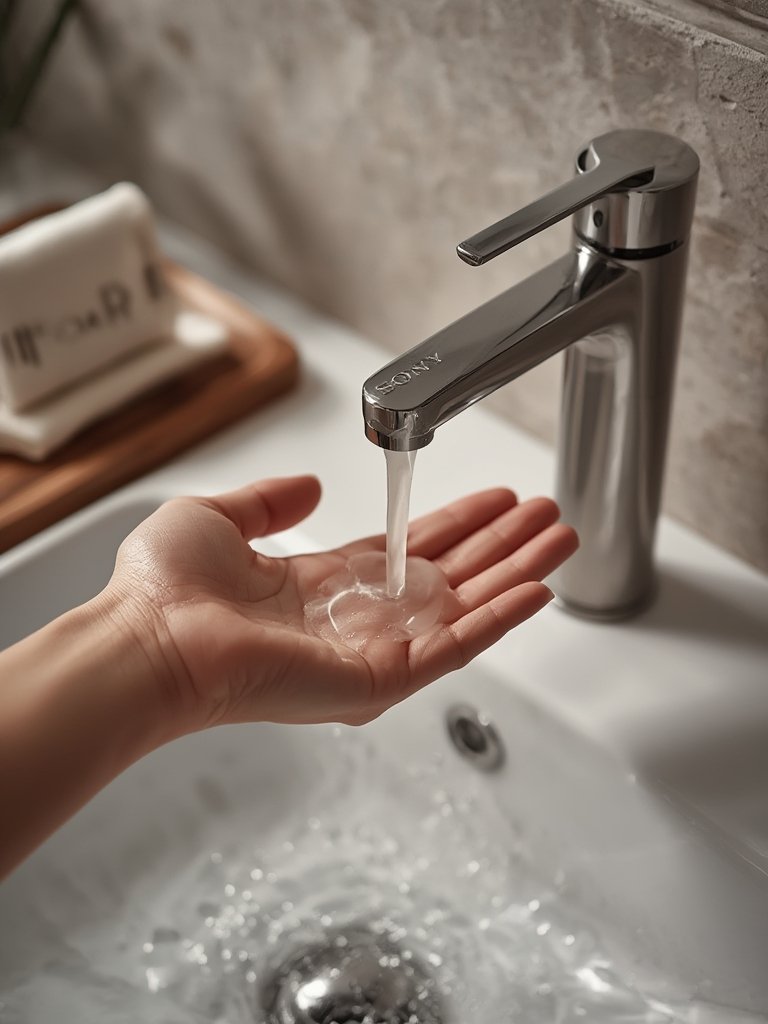
Follow mounting instructions. Calibrate the sensor if needed—too high may waste soap; too low reduces convenience. Test with different hand speeds and angles.
If you value gadgets that simplify kitchen chores, you’ll find these tips pair well with smart tools reviewed in our cooking gadgets guide and effortless meal prep recommendations.
Advanced Analysis and Common Pitfalls
Despite their appeal, automatic soap dispensers have some pain points that buyers often overlook. Here’s a breakdown of issues—from recent research and user trends—that buyers should weigh before committing.
Common Pitfalls
- Sensor Malfunctions: Motion sensors sometimes misfire, especially with wet, greasy, or soapy hands. High-traffic installations see more failures than home models, raising concerns about reliability over time. Long-term failure rates are rarely disclosed by brands, so expect periodic troubleshooting.
- Refill Frustrations: Dispensers designed for proprietary (single-use) cartridges not only cost more but generate more plastic waste. Models allowing bulk refill with standard liquid soap are better for the environment and your wallet.
- Battery Life Variation: Specific data is thin, but frequent sensor triggers and use of foaming mechanisms can drain batteries faster. Owners sometimes find themselves changing batteries more often than expected, especially in busy homes or offices.
- Compatibility Hiccups: Using soap with the wrong viscosity (too thick or too thin) leads to clogging or leaking. Always check the manual before refilling with specialized soaps.
- Initial Setup Mistakes: Incorrect positioning or mounting (too close to sinks, in direct sunlight, or in drafty areas) can cause false triggers or disrupt sensor calibration.
Comparison of Dispenser Types
| Attribute | Automatic | Manual | Semi-Automatic |
|---|---|---|---|
| Hygiene Level | Very High (contactless) | Moderate (frequent contact) | High (reduced contact) |
| Maintenance | Moderate to High (sensor + battery care) | Low | Low to Moderate |
| Long-term Cost | High (batteries + replacement parts + premium price) | Low | Moderate |
| Refill Options | Bulk, spray, cartridge | Bulk | Bulk |
| Sustainability | Varies (cartridge waste possible) | Better (fewer single-use parts) | Better |
| Common Issues | Sensor errors, battery drain, clogs | Drips, cross-contamination | Drips |
Tips for Avoiding Problems
- Choose models with well-reviewed PIR sensors—the most reliable for consistent detection.
- Favor refillable tanks, not disposable cartridges, to cut down on waste and costs.
- Test the sensor range with multiple users and at different times of day; adjust location if needed.
- Consider battery-powered units for easy swaps, but weigh frequent changes for busy spots.
For homes especially interested in hygiene, complements like glass food storage containers and other must-have kitchen gadgets amplify the upgrade.
Market research clearly shows automatic dispensers dominate hygiene-focused environments, while manual dispensers remain preferred in price-sensitive markets. For deeper commercial insights, refer to the Soap Dispenser Market report.
Conclusion
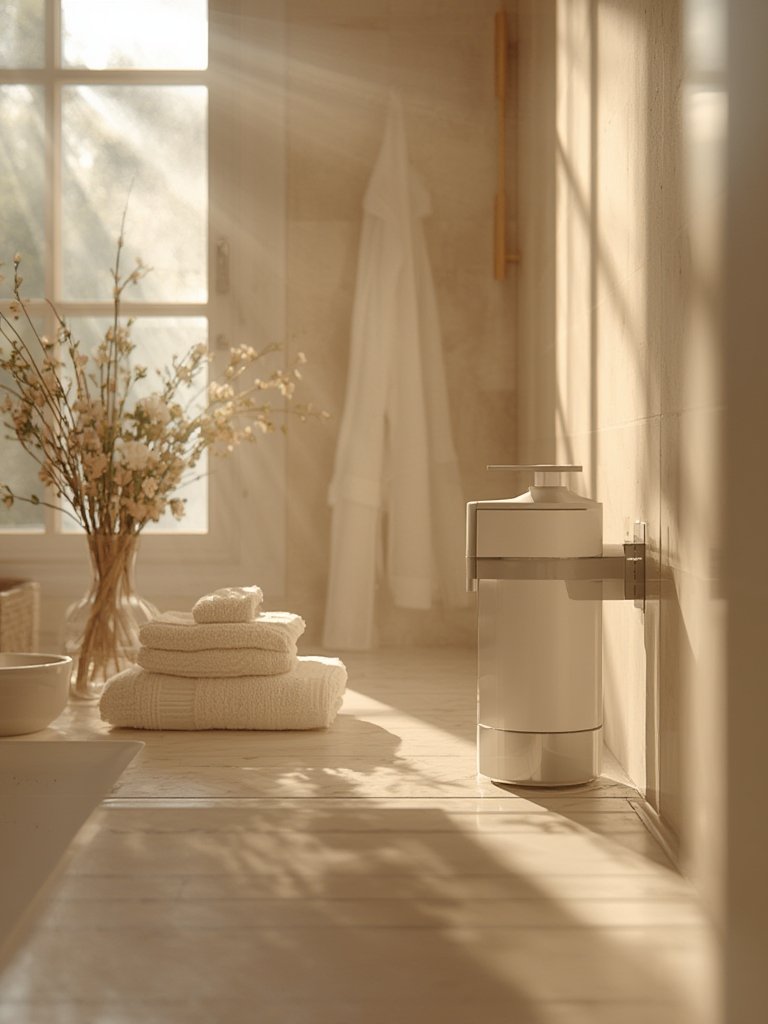
Automatic soap dispensers deliver major convenience and hygiene benefits, especially in high-traffic bathrooms and kitchens, but buyers should stay aware of potential downsides like sensor reliability and cartridge waste. Prioritize models with trusted PIR sensors, straightforward refill systems, and battery efficiency. In today’s market, the demand for these devices is expected only to grow, making it worth your time to choose wisely. For the cleanest, most convenient routines, an automatic soap dispenser is a smart investment—ready to take your kitchen or bathroom hygiene to the next level? Shop wisely, compare features, and revisit our guides if you want to maximize every upgrade.
FAQ
How often do I need to replace the batteries in an automatic soap dispenser?
Battery life varies by model and usage, but most home units last between three and six months on a set of AA or AAA batteries. High-traffic commercial units may require more frequent changes.
Which soaps are safe to use with most automatic soap dispensers?
Most dispensers are compatible with standard liquid hand soap. Avoid thick gels or exfoliating soaps, as they may clog the mechanism. Always check the manufacturer’s compatibility guidelines.
Is a more expensive automatic soap dispenser always better?
Not necessarily. Higher-priced models often come with advanced features—like adjustable dispense volumes or sprays—but basic PIR models can be perfectly effective for most households if you select for reliability and refilling options.
Are automatic soap dispensers hygienic in family settings with young children?
Yes, automatic soap dispensers are much more hygienic than manual versions, especially for children who may not wash their hands thoroughly after touching regular pump tops. They minimize shared contact points and are easy to operate.
How do you reduce waste from soap cartridge refills?
Choose a dispenser that accepts bulk liquid soap refills rather than proprietary cartridges. This not only saves money but significantly reduces plastic waste over time.
—