

Automatic jar opener gadgets have become essential for those who struggle with stubborn lids, arthritis, or simply value convenience in the kitchen.
Key Takeaways
- Automatic jar openers offer hands-free solutions, making kitchen tasks more accessible for seniors and those with limited hand strength.
- Battery-powered designs focus on convenience, but consumers should be aware of possible durability and performance issues in lower-end models.
- While market data is robust on growth, specs and comparisons are limited, so users should prioritize ergonomic and effortless operation when choosing a device.
- What Is an Automatic Jar Opener and Why Use One?
- How to Use an Automatic Jar Opener: Practical Guide
- Practical Analysis, Pitfalls, and Choosing the Right Model
- Conclusion
- FAQ
What Is an Automatic Jar Opener and Why Use One?
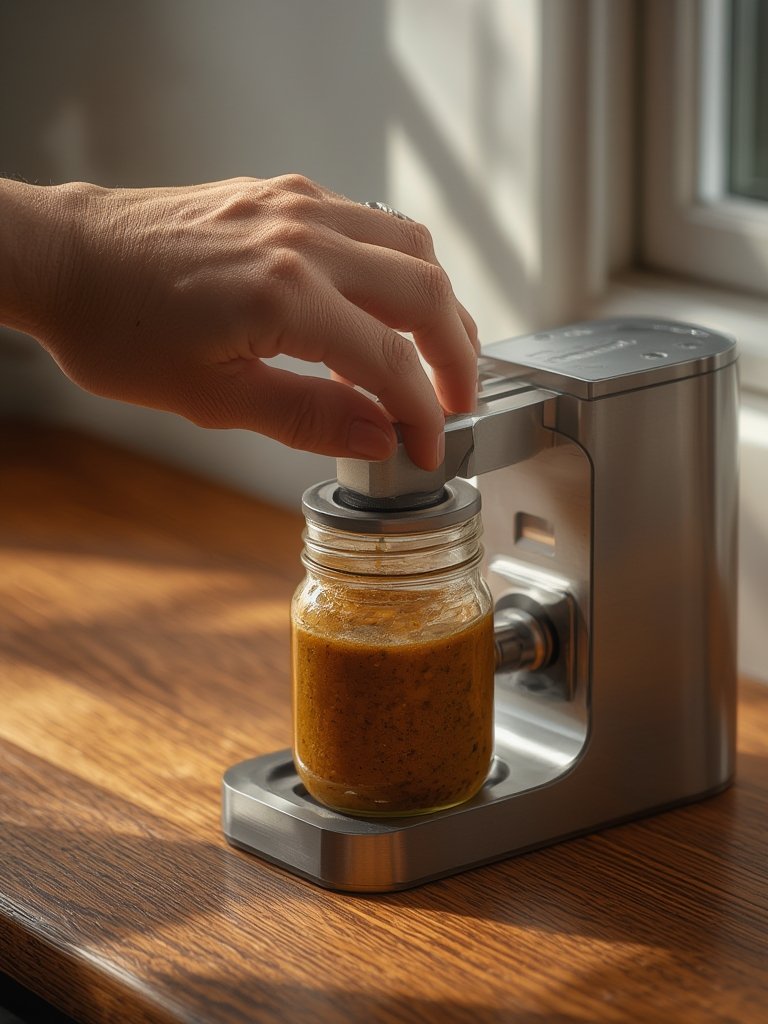
An automatic jar opener is an electric, battery-powered kitchen gadget designed to open jars with minimal manual effort. It clamps onto a jar lid and twists it loose with a press of a button, eliminating the need for grip strength or twisting motion.

These openers are particularly helpful for seniors, persons with arthritis, or anyone seeking time-saving ease in food prep. With the growing trend of accessible kitchen gadgets, automatic jar openers are featured alongside electric food choppers and easy cooking gadgets.
Unlike manual jar openers, which require grip strength and technique, automatics are operated with a single button. The device’s clamps or arms adjust to fit various lid sizes, delivering consistent torque. As a result, this gadget supports aging populations and users with hand strength limitations, driving its popularity and projected market growth of 60% among jar openers by 2025.Source
However, the decision to invest depends not just on convenience—awareness of current limitations and real user experiences is crucial. Let’s break down how to use these devices, tips for getting the best experience, and how to avoid common frustration points.
How to Use an Automatic Jar Opener: Practical Guide
Set up and operation are generally straightforward, but following the right steps improves effectiveness and keeps your device in good shape.
- Insert or check batteries: Remove the battery cover and load the required batteries (usually AA). Ensure correct polarity.
- Position the opener: Place the device on top of the jar so the clamps align with the lid edges and the arms rest securely against the jar body.
- Activate: Press the power button—most units require only a light touch.
- Observe as it operates: The arms will grip the lid and body, rotating to unscrew the lid automatically.
- Remove both opener and loosened lid: Wait until the device stops fully, then lift off the opener and remove the jar lid.
- Wipe clean: Use a damp cloth to clean the arms and clamps if needed, especially after messy items like jam or sauce.
It’s also smart to keep your device near other frequently used kitchen gadgets. For organizational tips, explore space-saving kitchen gadgets and learn how good layout improves daily efficiency.
For seniors or anyone with arthritis, opt for models emphasizing large, easy-to-press buttons and wide clamp arms. Many users find that automatic jar openers pair well with other hands-free gadgets—see automatic soap dispensers for improved kitchen hygiene with similar accessibility benefits.
If portability matters, verify battery type and size before purchasing. Some models have longer-lasting power, perfect if you open many jars in short bursts—key for meal prepping or batch cooking.
Practical Analysis, Pitfalls, and Choosing the Right Model
Market enthusiasm for automatic jar openers is real, but reviews and verified data highlight several practical issues. Here’s what you need to know before purchasing:
Common Pitfalls and Downsides
- Durability concerns: Lower-end models may suffer from weak motors or brittle arms, leading to breakage—particularly with tough or oversized lids.Source
- Performance inconsistency: Not all jars are compatible. Tall jars, tapered bodies, or extremely tight vacuum seals sometimes defeat even high-rated models.
- Lack of technical transparency: Market data does not provide specifics on maximum supported jar diameters, motor torque, battery life, or energy use across brands.Source
- High price point: Premium features like stronger motors, wider clamps, or smart design mean these gadgets can be expensive compared to manual openers.Source
- No energy or noise data: Users cannot compare noise levels or battery efficiency, which may matter for those in noise-sensitive homes or seeking green kitchen gadgets.
- Not always necessary: For users without hand strength issues, a trusty manual jar opener or classic kitchen hack may suffice for occasional lids.
Comparison Table: Automatic vs Manual Jar Openers
| Feature | Automatic Jar Opener | Manual Jar Opener |
|---|---|---|
| Operation | Battery-powered, push-button | Manual grip, twisting motion |
| Accessibility | Ideal for limited hand strength, arthritis, seniors | Requires grip and wrist strength |
| Maintenance | Batteries needed; arms may require cleaning | No batteries; minimal cleaning |
| Size Compatibility | Most adjust to standard jars, but some fail on irregular shapes | Manuals often fit more lid sizes with effort |
| Lifetime Cost | Higher—device may wear out or need replacement parts | Lower—can last years with no parts |
Accessibility is a major improvement in newer designs. Push-button operation, improved grips, and ergonomic shapes cater to the needs of seniors and individuals with disabilities.Source
Before buying, consider how often you open jars, kitchen space, and whether other gadgets—like a smart kitchen scale or trending kitchen gadgets—already meet your needs. Adoption rates for small kitchen automatics are rising, though still less than 16% of US households for major appliances as of 2024.Source

Looking for a broader toolkit or maximizing counter space? Find recommendations for Amazon kitchen gadgets and must-have kitchen gadgets to complement your automatic jar opener.
Conclusion
Automatic jar openers simplify one of the most frustrating kitchen tasks. For seniors, people with joint pain, or anyone valuing time and ease, these gadgets offer unmatched benefit—if you choose a model with real ergonomic value and reasonable durability. However, the market still lacks transparent specs and detailed comparison data, so take your time, read manufacturer documentation, and compare carefully.
Investing in an automatic jar opener can change your cooking routine for the better, but only if it fits your needs and kitchen habits. For more ways to streamline your kitchen, check out our guides on vegetable chopper review and beginner kitchen tools—and start making meal prep easier today.
FAQ
Can an automatic jar opener handle all jar sizes?
Most models adjust for standard jar lids but may struggle with tiny condiment jars or extra-large lids. Always check the manufacturer’s size compatibility.
Do I need strong hands to use an automatic jar opener?
No. These devices are designed specifically for limited hand strength and require only a button press.
How long do the batteries last?
Batteries typically last for several months with moderate use. Usage pattern, battery type, and device efficiency can influence lifespan.
Are automatic jar openers noisy?
Most operate with moderate noise similar to an electric can opener. No industry data compares decibel levels between models.
Is it worth investing in an automatic jar opener if I only open jars occasionally?
If you rarely struggle with jar lids or don’t have mobility issues, a manual opener might be more cost-efficient. However, if convenience is a priority, an automatic model can still be a smart addition.