

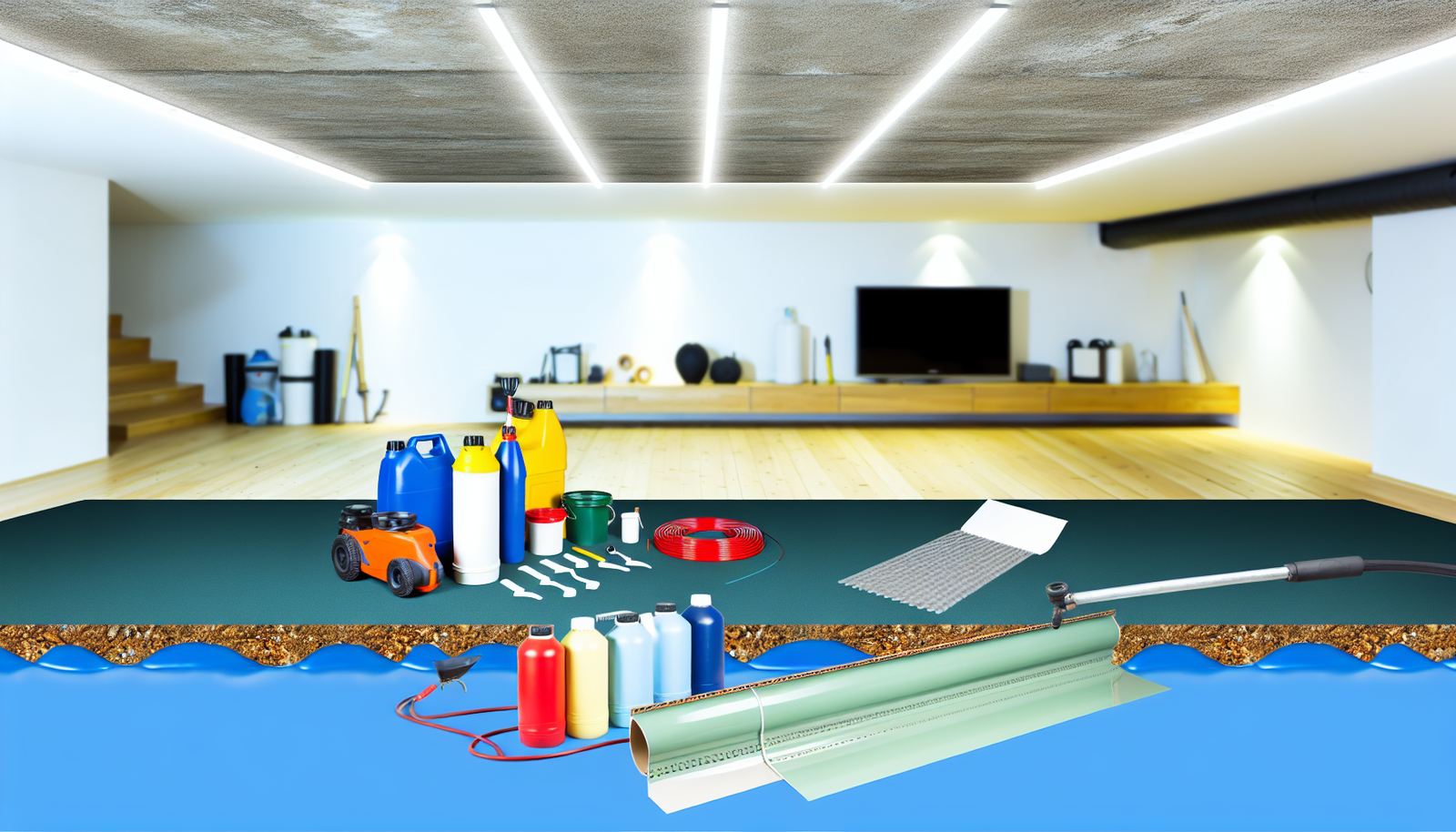
Waterproofing your basement is crucial for preventing water damage and maintaining a healthy living environment. In this article, we will explore effective DIY basement waterproofing tips, covering essential techniques, materials, and practical steps to keep your basement dry and safe from water intrusion.Essential DIY Basement Waterproofing Tips
Essential DIY Basement Waterproofing Tips
Basement waterproofing is the set of methods and materials used to keep water out of below-grade spaces and to manage any water that reaches those areas, protecting the home’s habitability and structural integrity. At its core, waterproofing is about interrupting the routes water uses to enter—whether by redirecting it away from the foundation,Essential DIY Basement Waterproofing Tips blocking its passage through concrete and masonry, or collecting and expelling it once it has breached the interior. It’s not merely cosmetic; effective waterproofing preserves air quality, prevents accelerated material decay, and reduces long-term repair costs.
Water finds its way into basements through predictable mechanisms. Key drivers include:
– Heavy rainfall that overwhelms surface drainage and increases runoff toward foundation walls.
– Rising groundwater and extended soil saturation, which raise hydrostatic pressure against the foundation.
– Inadequate site grading, clogged or poorly directed gutters and downspouts, and failing or absent exterior drainage systems that channel water toward rather than away from the home.
– Foundation cracks, poorly sealed joints, and porous masonry that allow water penetration under pressure or through capillary action.Essential DIY Basement Waterproofing Tips2
The consequences of ignoring basement moisture can be severe and progressive. Typical outcomes include:
– Mold and mildew growth, which compromise indoor air quality and can trigger health problems.
– Degradation of wood framing, insulation, finishes, and stored possessions.
– Corrosion of metal components and electrical hazards when water reaches mechanical systems.
– Compromised masonry and concrete from freeze-thaw cycles and sustained hydrostatic stress, potentially leading to costly structural repairs.
Understanding the physics—hydrostatic pressure, permeability of materials, and how surface and subsurface water behave—is essential when choosing interventions. Waterproofing is both preventative and remedial: the best results come from addressing the root water sources and combining exterior measures, proper site drainage, and reliable interior systems where needed.
Assessing Your Basement’s Needs
Begin with a methodical walkthrough: inspect the entire perimeter and center of the basement with a bright flashlight, working clockwise so you don’t miss areas. Look closely at the floor-to-wall joints, wall seams, window wells, rim joists and around any penetrations (pipes, cables). Use a screwdriver or awl as a probe to check for soft spots in wood or crumbling concrete. Note any bowing, bulging, or horizontal cracks that may indicate pressure issues.
Identify common signs of moisture and distinguish their likely origins:
- Damp spots and water stains: trace the highest point of staining to determine where water is entering and whether it’s recent or recurring.
- Musty odors and visible mold: localize odor sources; surface mold often marks chronic dampness.
- Efflorescence and peeling paint: white mineral deposits and bubbled paint show prolonged moisture migration through concrete.
- Condensation vs. intrusion: cold surface condensation appears as uniform dampness on pipes or walls; localized wet patches suggest leaks or seepage.Essential DIY Basement Waterproofing Tips2
Examine the exterior foundation and surrounding landscape:
- Check grading — soil should slope away from the foundation; note any low spots or areas of standing water.
- Inspect gutters, downspouts and extensions for clogs or short discharge that dumps water by the foundation.
- Scan for visible foundation cracks, deteriorated mortar, or failed window wells and seals.
Perform simple tests: run a hose on suspect exterior sections for 20–30 minutes and observe the interior over 24–48 hours; run the dehumidifier and record baseline humidity with a hygrometer (above 60% indicates chronic moisture issues). Create a clear record: take dated photos, mark stain heights with a tape measure, log locations, frequency, severity, and any tests performed. Maintain this map and timeline to guide targeted repairs and to compare conditions seasonally.
Choosing the Right Waterproofing Techniques
When selecting a waterproofing approach, match the method to the cause and severity of water intrusion. For light seepage through porous concrete or hairline cracks, interior sealers are an economical first line of defense. Common options include cementitious coatings (easy to apply, bond well to masonry), epoxy and polyurethane coatings (more durable and chemical-resistant), and crystalline sealers (penetrating products that react to moisture to block pores). These products are applied with rollers, brushes or sprayers and work best on clean, sound surfaces; they reduce vapor transmission and block minor leaks but cannot reliably stop water pushed by high hydrostatic pressure.
Exterior waterproofing targets the source before it reaches the foundation. Two main routes are membrane systems and drainage assemblies. Membranes come as sheet-applied (rubberized asphalt, peel-and-stick) or liquid-applied membranes that form continuous barriers. A drainage board or protective board is often paired with the membrane to prevent backfill damage and to channel water down to a drain. Exterior methods typically require excavation around the foundation — manageable for small sections as a DIY weekend project but often labor-intensive and, depending on depth and soil conditions, better left to contractors.Essential DIY Basement Waterproofing Tips2
Interior water management is crucial when exterior fixes aren’t feasible. Interior French drains (perimeter trench with perforated pipe) intercept incoming groundwater and direct it to a sump. Sump pumps (submersible or pedestal) remove collected water; choose a pump with adequate capacity, include a check valve on the discharge line, and consider a battery backup for power outages. These systems relieve hydrostatic pressure and make basements dry even when exterior solutions are impractical.
Balance cost, physical scope, and long-term performance: sealers for minor issues, interior drainage and sump systems for persistent infiltration, and exterior membranes/drainage for root-cause remediation. When excavation, structural repairs, or heavy hydrostatic pressure are present, consult a professional.
Implementing DIY Waterproofing Solutions
Once you’ve selected the waterproofing approach that fits your basement, follow these practical steps to implement it safely and effectively.
- Gather tools and materials: shop vacuum, wire brush, mortar trowel, circular saw with diamond blade (for interior drains), trenching tools, perforated pipe wrapped in filter fabric, clean gravel, hydraulic cement, polyurethane or epoxy crack injection kit, masonry cleaner or diluted muriatic acid, masonry primer, waterproofing paint or elastomeric sealant, sump basin and pump, concrete mix, and PPE (goggles, gloves, respirator).
- Surface preparation: remove loose paint, efflorescence and dust with a wire brush and vacuum. For stubborn deposits, use a masonry cleaner or diluted acid rinse—always ventilate and neutralize afterward. Allow surfaces to dry to the extent recommended by the product you’ll use (many sealers tolerate damp concrete but not active leaks).
- Seal cracks and joints: widen hairline cracks to a V-shape for better adhesion. For active leaks use hydraulic cement or a polyurethane injection which expands to stop flowing water. For structural cracks consider epoxy injection (if level of repair suits your skillset) or consult a pro.
- Apply coatings: prime any bare concrete if required, then apply waterproofing paint or elastomeric coating with a brush into corners and a roller across flat areas. Do at least two coats per manufacturer instructions, maintaining recommended temperature and humidity for curing.
- Install interior drainage and connect to a sump pump: cut a perimeter trench along the slab edge, slope it 1/8″–1/4″ per foot toward the sump hole, bed with gravel, lay the perforated pipe wrapped in fabric, route it into the sump basin, backfill with gravel and finish with concrete patch.
- Testing: flood-test the area to ensure proper flow into the sump and watch pump cycling for 24–48 hours.Essential DIY Basement Waterproofing Tips2
Execution tips: work in manageable sections, keep materials dry, allow full cure before finishing floors, use GFCI for power tools, and always wear PPE. If you encounter structural movement or large volumes of water, pause and consult a professional.
Maintaining Your Waterproofed Basement
Regular maintenance is what preserves the work you did during waterproofing and prevents small problems from becoming costly repairs. Establish a routine inspection schedule: a quick visual check monthly, a more thorough interior and equipment check quarterly, and a full exterior-and-systems review annually. Use a simple log with dates and photos to track changes over time — trends often reveal issues before they become obvious.
Know the signs of moisture trouble: look for efflorescence (white powder), peeling or blistering paint, dark or discolored patches, musty odors, and new mold growth. Use a handheld moisture meter or room hygrometer to monitor wall and air humidity levels; sustained relative humidity above about 60% indicates the need for improved ventilation or dehumidification.
Pay attention to mechanical systems that keep your basement dry. Test the sump pump monthly by pouring several gallons of water into the pit to ensure it activates and discharges properly; check the float, check valve and discharge line for clogs or leaks. Maintain any battery backup by doing a periodic load test. Keep dehumidifiers clean and set to maintain 40–50% RH; empty condensate lines or verify the pump/auto-drain works.Essential DIY Basement Waterproofing Tips2
Routine exterior and drainage tasks:
- Clean gutters and downspouts at least twice a year (spring and fall); more often if trees are nearby.
- Ensure downspouts discharge at least 6 feet from the foundation or into a functioning storm drain.
- Inspect grading annually and correct any soil settling that directs water toward the house.
- Check exterior sealants and window wells for deterioration; reseal as needed based on manufacturer lifespan.
For interior drainage systems like French drains, run water tests to confirm flow and flush lines if debris is present. Address any new cracks or seepage promptly — even minor dampness is a warning sign. Consistent attention keeps your waterproofing effective and extends the life of every component.
Conclusions
In summary, effective basement waterproofing involves a combination of preventive measures, sealants, and drainage systems. By applying these DIY tips, you can significantly reduce the risk of water damage, protect your home’s foundation, and enhance your living space. Start your waterproofing project today for a safer and drier home.Essential DIY Basement Waterproofing Tips2