

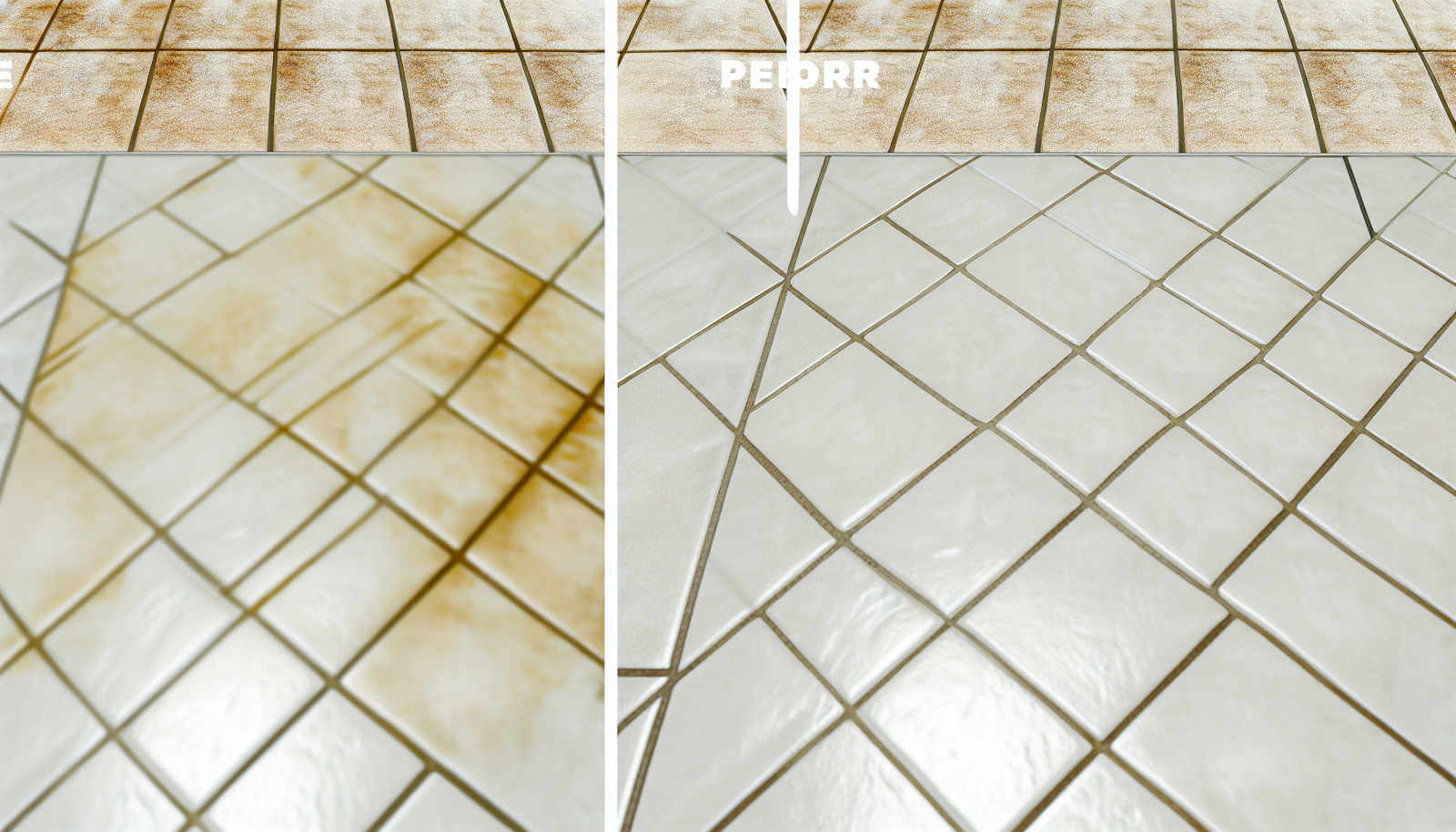
Cleaning grout between tiles can be a daunting task due to its porous nature, which easily absorbs dirt and stains. This guide delves into efficient methods and cleaning agents to restore your tiles to their pristine condition. With the right techniques and tools, you can achieve a beautifully clean and hygienic surface in every corner of your home.The Ultimate Guide to Cleaning Grout between Tiles
The Ultimate Guide to Cleaning Grout between Tiles
Grout is not a single material but a family of bedding compounds whose composition determines strength, porosity, flexibility and vulnerability to staining. The most common base is cementitious grout—cement, sand and additives—available in two principal forms: sanded and unsanded. Sanded grout Guide to Cleaning Grout contains fine silica sand that reduces shrinkage and cracking in wider joints, increases compressive strength and gives a slightly rough surface texture. Unsanded grout omits the sand, producing a smoother paste ideal for thin joints (generally under 1/8″ or 3 mm) and delicate surfaces where scratching is a concern, such as polished porcelain, glass or soft natural stone.The Ultimate Guide to Cleaning Grout between Tiles2
Beyond cementitious systems there are polymer-modified grouts and fully non-porous epoxies. Polymer-modified grouts add latex or other polymers to improve flexibility, adhesion and reduced permeability; they bridge small tile movement without cracking and accept sealers more readily. Epoxy grouts are two-part, chemically cured systems that are virtually impervious to water, oils and many stains—excellent for wet environments, commercial kitchens and chemical exposure— Guide to Cleaning Grout but they are harder to work and repair.The Ultimate Guide to Cleaning Grout between Tiles2
Porosity and surface texture drive how grout interacts with dirt and stains. Cementitious grouts have microvoids and capillaries that wick moisture and soluble soils into the body of the joint; a rougher sanded surface also traps particulate grime, mold spores and soap residues. Organic soils and oils penetrate pore networks and bind to pigments or dirt, while alkaline cement chemistry can react with acidic cleaners, weakening the matrix. Efflorescence (salts leaching to the surface) and biological growth accelerate discoloration. Sealers—penetrating versus topical—reduce surface absorption but are not permanent barriers: they slow, rather than eliminate, stain ingress and wear away with traffic, so periodic maintenance is necessary to prevent deep-set discoloration and eventual grout deterioration. Guide to Cleaning Grout
Essential Tools and Materials for Grout Cleaning
- Basic household cleaners: baking soda (for abrasive paste), distilled white vinegar (diluted for soap scum/mineral deposits but not on natural stone), hydrogen peroxide (spot-brightening and safe alternative to chlorine), and household bleach (sodium hypochlorite) reserved for mildew—use sparingly and with ventilation.
- Oxygen-based cleaners: products containing sodium percarbonate (often labeled “oxygen bleach” or “oxiclean”) are effective on organic stains, safe on most tiles/grouts, and less corrosive than chlorine.The Ultimate Guide to Cleaning Grout between Tiles2
- Specialized grout cleaners: enzymatic cleaners for organic buildup, alkaline cleaners for grease and soap scum, and mild acid descalers for hard-water deposits (use cautiously and never on marble/limestone). Always read label pH and tile compatibility.
- Hand tools for scrubbing: a mix of brushes for different tasks—soft/medium nylon toothbrushes for tight grout lines and delicate tiles; medium-stiff nylon grout brushes or shoe-brush-sized scrubbers for robust grout; avoid metal-bristled brushes and steel wool, which scratch tiles and loosen grout.
- Power and removal tools: small rotary brush attachments or oscillating tools with nylon brush bits for large areas, and a grout saw/grout rake or oscillating grout blade for damaged grout removal when regrouting is needed.
- Application and finishing tools: spray bottles for even cleaner application, plastic scrapers, grout float and caulk gun for repairs, microfiber cloths and squeegee for wiping and drying to prevent re-soiling.The Ultimate Guide to Cleaning Grout between Tiles2
- Protective gear and prep items: chemical-resistant gloves, eye protection, a respirator when using strong chemicals, ventilation fan, painter’s tape for protecting tile edges.
- Additional items: tile-safe sealers and applicator sponge for post-clean protection; test tiles in an inconspicuous spot before full use.
Choosing the right combination—gentle cleaners and appropriate bristle stiffness—prevents tile damage while maximizing grout restoration. Match tools and products to the tile material and the nature of the stain, and always test first.
Step-by-Step Grout Cleaning Techniques
Begin by prepping the work area: sweep and mop to remove surface grime, then open windows and run an exhaust fan. Always wear chemical-resistant gloves and eye protection; for strong products use a respirator. Test your chosen cleaner on an inconspicuous patch to confirm it won’t discolor the grout or tiles.The Ultimate Guide to Cleaning Grout between Tiles2
1. Natural-cleaner method: make a thick paste, apply into grout lines, and let it sit 10–15 minutes. Scrub with short, firm strokes at a slight angle to lift soils rather than gouging the grout. Wipe away residue with a damp microfiber cloth, then rinse the area thoroughly with clean water. Repeat for stubborn sections.
2. Acid-based quick-clean (for soap scum and mineral deposits): apply a diluted acidic cleaner sparingly and only on ceramic or porcelain — not on natural stone. Allow a short dwell time per manufacturer directions, agitate, then rinse thoroughly. Do not use acids and oxidizers together.
3. Commercial-strength approach: follow label directions exactly. Apply, allow the recommended dwell time (this softens grime and kills mold), then scrub using a stiffer brush or powered rotary brush for large areas. Rinse twice to remove chemical residues; residual cleaner can attract dirt and shorten the time between cleanings.
4. Tackling tough stains and mold: for deep-set discoloration use an oxygen-based soak or a poultice applied directly to the grout. For biological growths, use a diluted bleach solution only when safe for surrounding materials — ventilate thoroughly and never mix bleach with acids or ammonia. Steam cleaning is an effective non-chemical option for killing mold and lifting embedded dirt.
Finally, dry the grout completely and inspect for damage. If stains persist after repeated, careful cleaning, targeted regrouting may be necessary. Always prioritize safety and proper ventilation when using strong products.The Ultimate Guide to Cleaning Grout between Tiles2
Maintaining Clean Grout: Tips and Tricks
After you’ve returned grout to good condition, small, consistent habits extend that clean look and prevent common setbacks. Start with a sensible maintenance rhythm: *light* wiping or mopping with a pH-neutral cleaner once or twice weekly in bathrooms and kitchens, a more thorough attention (spot-checks + targeted steam or peroxide spotted treatments) every 1–3 months, and a deeper inspection/cleaning every 6 months. High-traffic floors may need weekly spot-cleaning and resealing sooner.
Proactive measures protect grout from staining and wear:
– Use absorbent mats at exterior doors and rugs in high-traffic zones to trap grit and oils that abrade and discolor grout.
– In showers, squeegee or towel-dry tile walls after each use to reduce standing moisture and mildew growth.
– Control indoor humidity with exhaust fans and dehumidifiers to keep grout drier and less hospitable to mold.
Sealing is the most effective preventive strategy:
– Choose an appropriate sealer for your grout type: water-based penetrating sealers for interior grout, silicone- or silane/siloxane-based sealers for stronger water repellency, and topical acrylic sealers for exterior or decorative needs.
– Perform the simple drop test (a water droplet on grout should bead) every 6–12 months; reapply penetrating sealer when water no longer beads. Typical reapplication intervals: 1–3 years for natural grout, longer for higher-quality sealers and epoxy grout which may not require sealing.
Avoid discoloration and premature wear:
– Do not use abrasive pads or overly alkaline/bleach-based cleaners repeatedly; they can etch tiles and degrade grout.
– Test new products in an inconspicuous area first.
– Consider grout colorants or pens for restoring appearance instead of repeated harsh cleaning on severely stained grout.The Ultimate Guide to Cleaning Grout between Tiles2
Finally, keep a small maintenance kit (pH-neutral cleaner, grout pen, soft brush, microfiber mop, sealer) handy so upkeep is quick, targeted, and effective.
Troubleshooting Common Grout Issues
When grout develops visible problems it’s important to identify the root cause quickly so the right fix is used. Common issues include mildew and mold, cracking and loss of adhesion, efflorescence (white powder), and color fading or staining. Look for these early signs: persistent dark/black spots that reappear after cleaning (mildew), hairline or wider cracks, soft or powdery grout that flakes away, and grout that looks washed-out or uneven in tone.
Mildew and mold
– Identification: black or green colonies, musty odor, surface softening in severe cases.
– Treatment: use a targeted biocide such as hydrogen peroxide (3–6%) applied and left 10–15 minutes, or an oxygen bleach (sodium percarbonate) poultice for porous grout. For non-porous ceramic/porcelain, diluted bleach can work but avoid on colored grout or natural stone. After treatment scrub with a stiff nylon brush, rinse, and dry thoroughly.
– Prevention tip in repair context: address leaks or moisture sources immediately.
Cracking, loss of grout or adhesion
– Diagnosis: cracks that widen, grout crumbling or coming loose indicates movement or improper original install.
– Repair technique:
1. Remove failed grout with a grout saw or oscillating tool to at least 2–3 mm depth or until solid substrate is reached.
2. Clean dust and vacuum; wipe with alcohol or a manufacturer-recommended primer for better bond.
3. Regrout with the correct type (sanded for >1/8″ joints, unsanded for narrow joints). For heavy-use or stubborn stain/moisture areas choose epoxy grout (e.g., SpectraLOCK) — more durable but less forgiving to work with.
4. Tool joints, clean excess, cure fully.
Color fading, staining and efflorescence, Guide to Cleaning Grout
– Color restore: after thorough cleaning, use a grout colorant or stain (Polyblend Grout Renew, Miracle Sealants Grout & Tile Colorant) applied per instructions; test in inconspicuous area first.
– Efflorescence: dry-brush loose powder then use a dedicated efflorescence remover or cautiously applied diluted muriatic/citric acid product designed for tile — follow safety guidelines and manufacturer instructions.
– For persistent stains, removing and regrouting may be the only reliable fix.
Safety and products
– Always wear gloves, eye protection and ventilate. Avoid acidic cleaners on natural stone.
– Test cleaners/colourants on a hidden spot first.
Addressing problems early—and choosing the right removal and repair method—prevents deterioration of tiled surfaces and reduces the need for full reinstallation.
Conclusions
In conclusion, regular cleaning and maintenance of grout is crucial for the longevity and appearance of tiled surfaces in your home. By understanding the types of grout and employing effective cleaning methods, you can keep your grout looking fresh and vibrant. Remember to take preventive measures to minimize staining and prolong cleanliness for the best results.