

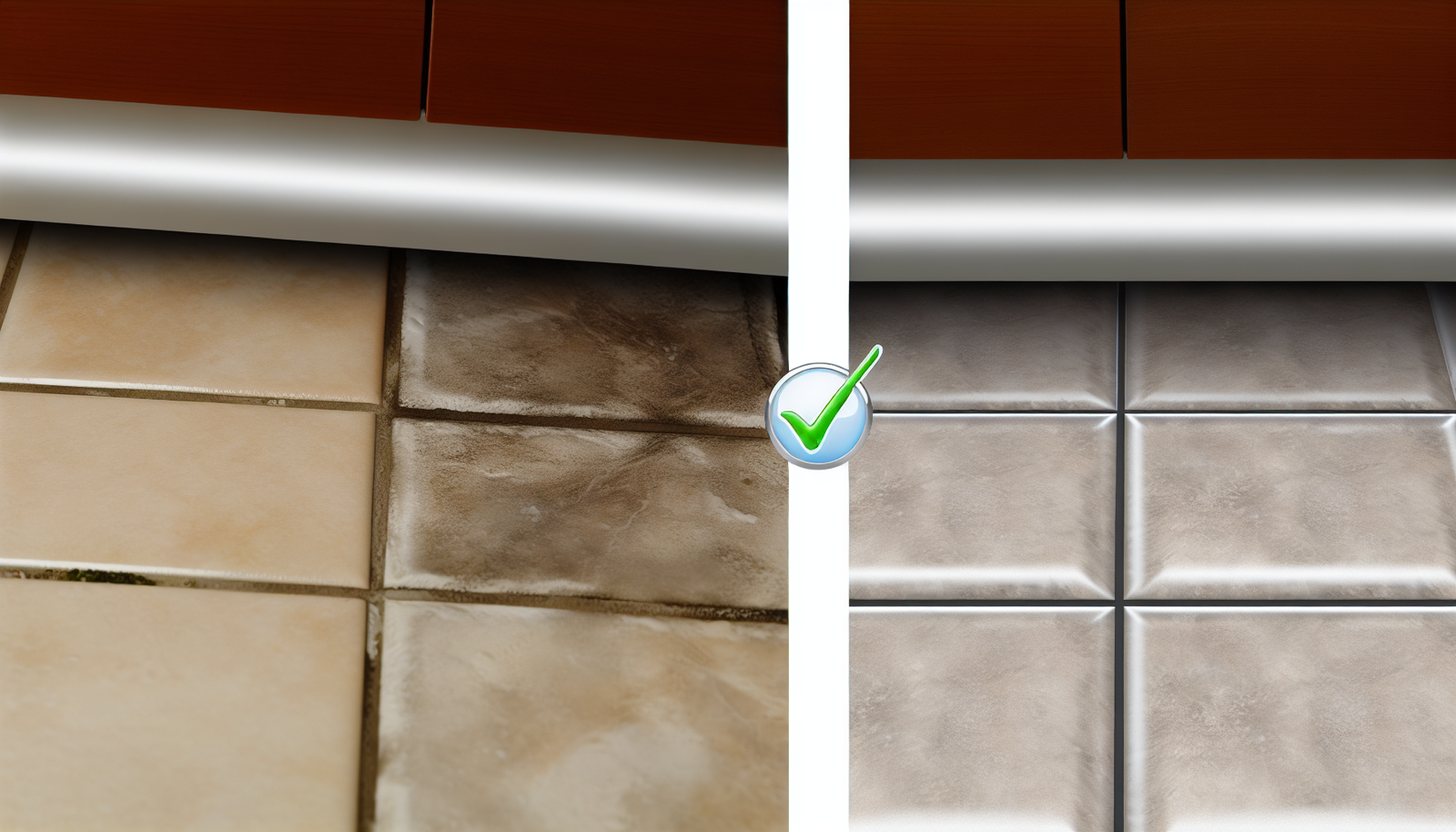
clean, grout, between tiles. can be a challenging task for many homeowners. clean, grout, between tiles.Over time, grime and mildew can build up, clean, grout, between tiles. making your beautiful tiles look dull. This article will explore effective methods and tips to restore your grout to its original beauty,How to Clean Grout Between Tiles ensuring that your tiled surfaces remain clean and inviting.How to Clean Grout Between Tiles1
How to Clean Grout Between Tiles
Grout is more than a cosmetic filler; clean, grout, between tiles. it is a engineered joint material that performs mechanical, environmental and aesthetic roles in a tiled surface. Unlike mortar or thinset — which are bonding beds used to adhere tiles to a substrate — clean, grout, between tiles. grout fills the spaces between tiles. Mortar provides adhesion and load transfer beneath the tile; grout stabilizes tile edges, protects the substrate from direct ingress and creates a uniform plane between pieces.
Compositionally, most traditional grouts are cementitious blends of Portland cement, graded silica sand (in sanded varieties), clean, grout, between tiles.pigments and water-retention or polymer additives that improve bond and flexibility. Modern alternatives include two-part epoxy grouts (resin plus hardener with fillers) and pre-mixed urethane/ polymer grouts. Each class has distinct mechanical and moisture-handling characteristics: cement grouts are porous until sealed, epoxies are dense and chemically resistant, and polymers offer convenience and improved stain resistance.
Understanding sanded vs. unsanded grout is critical for correct application:
- Sanded grout contains sand aggregate to increase compressive strength and reduce shrinkage; it’s recommended for wider joints (typically 1/8″ and above) and heavy-traffic floors. clean, grout, between tiles.
- Unsanded grout lacks sand, has a smoother texture, and is used for narrow joints (under 1/8″) and delicate glazed surfaces where sand could scratch the finish.How to Clean Grout Between Tiles
Grout contributes to a water-resistant assembly by filling capillary pathways between tiles and the substrate. clean, grout, between tiles. Properly packed, cured and—when specified—sealed grout slows water penetration; dense grouts and epoxy formulations are inherently less permeable. Correct grout selection, joint profiling (concave joints shed water better than flush joints), mixing ratios and curing prevent hairline cracking and maintain flexibility for thermal and substrate movement. Inadequate grout or wrong type compromises tile alignment, edge support and the long-term integrity of the tiled surface. clean, grout, between tiles.
Common Grime and Stains
Grout lines collect a surprising variety of contaminants — each with distinct appearance, behavior, and long-term risks. Understanding what you’re dealing with helps choose the right cleaning approach.
- Mildew and mold: Often encountered in damp areas, mildew appears as powdery or patchy discoloration while mold can be darker and penetrate more deeply. These organisms use organic residues as food, produce odors, and can stain the grout substrate. Left unchecked, colonies can migrate behind tiles and damage adhesives or backing materials.
- Organic food stains: Coffee, tea, wine, tomato sauce, and berries deposit tannins and dyes that can be absorbed into porous grout and produce persistent brown, red, or purple marks. The longer they remain, the deeper they set.
- Grease and oils: Cooking oil, cosmetics, and body oils bind to grout, darkening it and attracting more airborne dirt. Oils resist water-based cleaning and often require degreasing chemistry.
- Mineral deposits and soap scum: Hard water leaves calcium/magnesium films; combined with soap they form scummy residues that mask grout color and trap bacteria. Mineral crusts can physically block pore structure.
- Rust and chemical stains: Iron from nails or metal fixtures oxidizes into reddish-brown stains. Harsh chemicals or chlorine exposure can bleach or weaken grout over time.
- Efflorescence: White powdery salts indicate moisture migration through the substrate; while not mold, it signals water intrusion that can degrade grout bonds and show structural moisture problems. clean, grout, between tiles.How to Clean Grout Between Tiles
Environmental drivers include high humidity, poor ventilation, frequent wet/dry cycles (showers, outdoor freeze-thaw), cooking aerosols, heavy foot traffic, and nearby vegetation or pets. Stains that penetrate pores or alter grout chemistry can cause long-term discoloration, physical erosion, loss of water integrity, tile loosening, and hidden mold growth — increasing health risks and repair costs if not addressed promptly. Detecting stain depth clean, grout, between tiles. (for example, by wetting an area) and recognizing the stain type will guide the cleaning choices that follow.
clean, grout, between tiles.
- Baking soda + vinegar (easy, fizzy lift)
- Make a thick paste of baking soda and water; force into grout lines with a spatula or toothbrush.
- Spray white vinegar lightly until it fizzes; let react 5–10 minutes (do not use on natural stone).
- Scrub with a stiff nylon grout brush in a back-and-forth motion, then rinse with warm water and dry with a microfiber cloth.
- Baking soda + hydrogen peroxide (for stubborn discoloration)
- Mix hydrogen peroxide with baking soda to a paste; apply to grout and let sit 10–15 minutes.
- Scrub with a nylon brush, rinse thoroughly. Safer on colored grout than chlorine bleach; test a hidden area first.
- Oxygen bleach (sodium percarbonate) — deep, tile-safe whitening
- Dissolve per label directions in warm water, apply to grout, and allow to soak 15–30 minutes.
- Agitate with a brush, then rinse. Good for large areas and mildew without chlorine fumes.
- Chlorine bleach (sparingly for mold on white grout)
- Use a 1:10 bleach-to-water solution, apply to affected areas, wait up to 10 minutes, scrub and rinse well.
- Do not use on colored grout or natural stone. Never mix bleach with vinegar or ammonia — toxic gases can form. clean, grout, between tiles.
- Commercial grout cleaners and enzymatic products
- Follow label instructions and safety warnings. Some contain acids or surfactants that cut grease and residue quickly. clean, grout, between tiles.
- Good for heavy buildup; ensure adequate ventilation and wear gloves/goggles.
- Steam cleaning (chemical-free)
- Use a grout nozzle and move slowly to loosen grime; follow with brushing and wiping to remove residue.
- Not recommended for fragile or heat-sensitive tile and some natural stones.
Application tips and tools: always test products in a hidden spot first. Work in small sections, keep grout wet during treatment, and use nylon grout brushes, old toothbrushes, microfiber cloths, spray bottles, and a bucket of clean water. Avoid wire brushes on delicate tiles. Wear gloves and eye protection, ensure good ventilation, and never mix cleaning agents. Proper dwell time and agitation are as important as the cleaner chosen for optimal results. clean, grout, between tiles.
Preventative Measures and Maintenance
Seal grout proactively. Choose a penetrating sealer for porous cement grout or a membrane sealer where surface protection is needed; penetrating sealers repel liquids while allowing breathability, and membrane sealers create a thin protective film. Apply according to manufacturer directions and reapply on a schedule — typically every 1–3 years for low-traffic areas and annually for floors and wet zones. Use the simple water-drop test: if water beads, the sealer is still working; if it soaks in, reseal. clean, grout, between tiles.
Establish a predictable maintenance routine. Quick, frequent actions prevent heavy soiling and staining. Wipe splashes and spills immediately, squeegee shower walls after each use, and run a light, pH-neutral cleaner weekly to remove surface film and body oils (avoid harsh acid or bleach-based products on sensitive surfaces). Inspect grout monthly for hairline cracks or loss of sealant and address minor damage before it expands. Keep a short, scheduled deep-inspection every six months to note wear patterns and high-traffic discoloration.
Choose cleaning and protection products wisely. Prefer cleaners labeled safe for grout and compatible with the tile material; clean, grout, between tiles. for colored grout, avoid oxidizers that can fade pigment. Use mold- and mildew-resistant silicone caulk at transitions (tub-to-wall, countertop joints) instead of grout to allow movement and prevent water intrusion. When selecting mats and rugs, pick breathable, quick-drying materials with secure non-slip backing to avoid trapping moisture under the mat.
Control moisture and traffic. Proper ventilation is critical: run exhaust fans (or open windows) for 20–30 minutes after bathing, target indoor humidity under 50% clean, grout, between tiles., and use dehumidifiers in basements. Place absorbent entry mats outside and inside exterior doors to trap grit, and use bathroom mats only when they can dry quickly. These steps reduce dirt, mold, and water exposure and substantially extend the life of your grout.
When to Seek Professional Help
There are clear moments when grout cleaning moves beyond a homeowner’s toolkit and warrants professional attention. Typical scenarios include: extensive staining that resists multiple DIY methods, persistent mold or mildew that returns quickly, grout that is crumbling, missing or structurally compromised, large floor areas (hundreds of square feet), historic or delicate tiles that require specialized handling, and situations where time constraints demand a quick, reliable turnaround (real estate prep or commercial spaces). If prior DIY attempts have left residue, haze or uneven color, professionals can correct those issues safely. clean, grout, between tiles.Clean Grout Between Tiles
Professional services offer access to deep-cleaning technologies and specialized expertise not usually available to the average homeowner. clean, grout, between tiles. These include powerful steam and hot-water extraction systems, high-speed orbital scrubbing machines with rotary heads designed to reach grout grooves, industrial-grade, balanced chemistries that emulsify embedded oils and biofilms, and controlled pressure systems that avoid tile damage. Technicians can also perform grout recoloring, targeted grout replacement (regrouting), and apply restoration techniques that revive porous, aged grout without harming surrounding materials.
When choosing a reputable service, verify these items: How to Clean Grout Between Tiles
- Credentials: industry certifications (e.g., IICRC), proper licensing, and proof of insurance.How to Clean Grout Between Tiles
- Experience: specific tile/grout experience, references, and before/after photos of similar projects.
- Transparent scope: written estimates, clear explanation of methods, chemicals (request MSDS), and any guarantees.
- Site visit: a trustworthy company will inspect your space before quoting. clean, grout, between tiles.
Expect a professional appointment to include an initial inspection and testing, containment/protection of adjacent surfaces, pre-treatment, the primary deep-clean using appropriate equipment, rinsing/neutralizing, and a follow-up evaluation. Ask about drying time, post-care instructions, and warranty terms. Red flags: extremely low bids, refusal to provide references or insurance proof, and insistence on high-pressure blasting that risks tile damage.
Conclusions
In conclusion, . maintaining clean grout between tiles is essential for a polished appearance in your home. By choosing the right cleaning methods and regularly caring for your grout, you can keep your tiles looking fresh. Apply these tips to enjoy bright, clean surfaces that enhance your living space for years to come. clean, grout, between tiles.How to Clean Grout Between Tiles
How to Clean Grout Between Tiles