

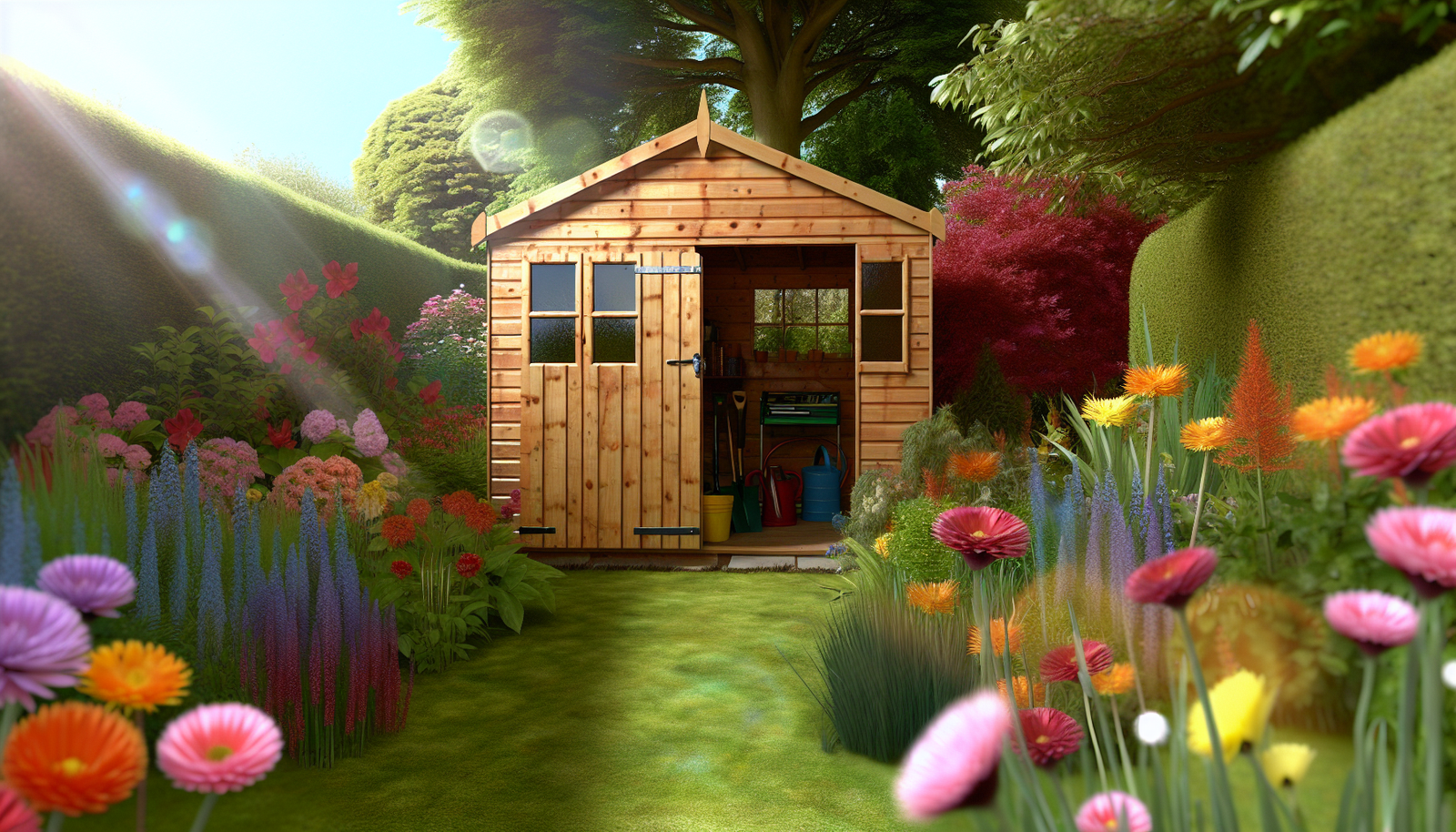
Building a garden shed is an exciting project that can provide you with additional storage, a workspace, or even a cozy retreat. This article explores everything from planning and design to construction and finishing touches, Building Your Dream Garden Shedensuring you have the information you need for a successful build.
Building Your Dream Garden Shed
Begin by refining the visual language you want the shed to speak: choose a style that complements your home and garden—cottage, modern minimalist, rustic barn, or a converted greenhouse—and let that choice determine materials, proportions, and trim details. Consider exterior cladding (timber, composite, metal), roof finish (shingles, metal, EPDM), and color palette so the shed reads as intentional, not an afterthought. Roof type is a major design decision: a gable roof gives classically pitched lines and attic storage; Building Your Dream Garden Shed
Door and window choices directly shape use and comfort. Decide door type by function: hinged double doors for moving large equipment, sliding doors to save swing space, French doors for a studio feel, or a single secure entry for a storage shed. Factor threshold height and ramping for wheelbarrows or garden tractors. For windows, prioritize daylight and cross-ventilation: operable casements or awnings above a workbench, high transoms for privacy, or skylights for even top light. Use security glazing or bars where theft is a concern, and choose shutters or shades for temperature control.
Translate ideas into a working blueprint. At minimum include:
– a scaled floor plan with all dimensions and clearances
– exterior elevations showing finishes and roof pitch
– a roof plan with drainage and overhangs
– a foundation/footing layout
– sections through critical areas (door, window, loft)
– materials list and basic construction notes
– basic electrical/lighting layout if required
Annotate every measurement, clearance, and material decision so the design is buildable, costed, and ready for permits or contractor bids.
Designing Your Garden Shed,Building Your Dream Garden Shed
Design begins with a clear, measured sketch that translates ideas into buildable reality. Start by drawing a simple floor plan to scale—use graph paper or a digital tool like SketchUp—and include exterior walls, door swings, window openings, and any built-in workbenches or shelving. Add elevations (front, back, sides) showing roof pitch, eave overhangs, and relative heights so you can visualize how the shed sits next to existing structures. Annotate each drawing with exact dimensions, materials for walls/roof, framing layout, and a door/window schedule so nothing is left to guesswork.Building Your Dream Garden Shed
Choosing a style means balancing aesthetics and proportion. Aim for architectural cues that echo your home—roof pitch, trim profiles, siding lines and paint palette create cohesion. Keep scale in mind: a shed too tall or ornate can dominate a garden; a simple rule is to keep ridgeline and eave heights lower than the house and scale door/window sizes to human proportions to avoid a toy-like appearance.
Roof types dramatically affect form and function. Consider:
– gabled: classic, good attic space and rain-shedding
– lean-to (shed roof): simple, ideal against fences or walls
– gambrel: more headroom/storage loft, more complex framing
– hip/flat: modern looks but require attention to drainage
Door placement influences workflow and accessibility. Position doors to allow easy access for wheelbarrows, lawnmowers, and furniture; account for swing radius or choose sliding/bi-fold for tight spaces. Think about security (locks, clear sightlines) and threshold heights—add a small ramp if needed.
Window choices determine light and ventilation. Use operable windows on opposing walls for cross-ventilation; place higher windows for privacy or workbench illumination. Consider glazing type, muntins for style, and shutters or awnings for sun control.Building Your Dream Garden Shed
Finally, turn sketches into a working blueprint: floor plan, elevations, roof framing diagram, and a materials/parts list with measurements. This disciplined planning saves time, money, and surprises once construction begins.
Choosing the Right Materials
When choosing materials, think beyond appearance—consider longevity, climate, intended use, and how the material will interact with your foundation and the fasteners you’ll use. Below are the practical trade-offs for common options.
Wood (cedar, redwood, pressure‑treated pine, plywood/OSB)
- Pros: excellent aesthetics, natural insulation, easy to modify and repair, strong load capacity for shelving or lofts.
- Cons: susceptible to rot and insects without treatment, requires periodic sealing/painting, quality and cost vary widely (cedar/redwood costly; treated pine economical), plywood/OSB edges can delaminate if exposed to moisture.
Use kiln‑dried framing lumber with moisture content under ~15%; specify exterior-grade plywood (CDX or better) for sheathing. For sill plates and ground contact areas choose pressure‑treated lumber and pair with corrosion-resistant screws.
Metal (galvanized steel, aluminum)
- Pros: very low maintenance, fire and pest resistant, long service life if properly coated, often cost‑effective for prefabricated kits.
- Cons: poor insulation and condensation issues unless panels are insulated, vulnerable to dents and, if cheap, corrosion where coatings are thin; can be noisy in heavy rain.Building Your Dream Garden Shed
Select hot‑dipped galvanizing or ASTM‑rated coatings; for workshops plan on insulated panels or interior framing for thermal control.
Vinyl and composites
- Pros: rot‑proof, low maintenance, easy cleaning, stable dimensional performance (no warping like wood).
- Cons: limited structural strength, can fade or become brittle in extreme UV/heat, harder to repair locally, limited finish options.
Look for UV‑stabilized formulations and manufacturer warranties.
Sourcing tips: buy from reputable lumberyards, inspect for straightness and knots, ask for mill tags or treatment certificates, purchase stainless or hot‑dipped galvanized fasteners, order slightly extra material for waste, and consider reclaimed wood only after confirming no hidden rot or pests. Match material choices to how you’ll use and insulate the shed to ensure decades of service.Building Your Dream Garden Shed
The Building Process
Begin by establishing a flat, level foundation suited to your site and shed design. For small sheds, concrete pier blocks or pressure-treated skids permit airflow and are faster to install; for heavier builds, a poured concrete slab provides permanence. Use a long level and string lines to set grades, compact subgrade, add a crushed stone base for drainage, and anchor the foundation to resist uplift and lateral movement. Check local codes for frost-depth requirements and anchoring specifics.
Once the foundation is true, assemble the floor frame on top, ensuring joists are square and fastened with hurricane ties or joist hangers. Sheath the floor with exterior-grade plywood or tongue-and-groove decking, sealing seams with construction adhesive and corrosion-resistant screws.
Frame walls flat on the floor, marking stud locations for doors and windows before raising. Use consistent stud spacing (typically 16″ on center), double top plates, and cripple studs where needed. Sheath walls with exterior sheathing and install temporary bracing; raise walls with at least two people, check for plumb and square, then secure to the floor and to each other with through-bolts or structural screws.
For the roof, choose a rafter or truss system appropriate to the span. Lay a continuous ridge, install rafters or trusses with correct spacing and metal connectors, then add roof sheathing. Apply underlayment, drip edge, and flashing at all penetrations. Leave space for ventilation—ridge vents plus soffit intake prevent moisture build-up.
Install doors and windows into framed openings with proper flashing tape, sill pans, and shims to achieve a consistent gap for weatherstripping. Fit hardware, locksets, and thresholds, and seal exterior joints with high-quality exterior sealant.
Throughout the build, prioritize safety: eye and ear protection, gloves, dust masks for cutting, safe ladder and scaffolding practices, and lockout for power tools. Keep fasteners, appropriate bit sizes, a framing square, and a chalk line within reach to maintain accuracy and speed.Building Your Dream Garden Shed
Finishing Touches and Maintenance
Before you move tools in, protect and personalize the exterior. Thoroughly clean and sand any rough or mill-scale areas, then apply a high-quality exterior primer (oil- or acrylic-based depending on the siding). For paint, choose exterior acrylic latex for durability and UV resistance; for a natural look, use a semi-transparent or solid exterior stain and reapply on the schedule the manufacturer recommends. Apply at least two thin coats in dry conditions, paying attention to joints and end-grain. Seal trim, corners and around windows/doors with exterior-grade caulk and install or inspect flashing to prevent water intrusion. Consider adding gutters and a downspout to control runoff, and paint or stain the underside of overhangs to protect rafters.
Landscape to protect the shed and make it look integrated. Grade the soil to slope away from the shed 6″ over the first 10 ft, install a gravel perimeter or crushed stone base to keep splash-back off siding, and add a paved or gravel path for clean access. Use low-maintenance plants and groundcovers at least 2–3 ft from the structure to allow airflow and discourage pests. A small rock or mulched border helps with weed control; avoid planting shrubs or vines against the siding. Install subtle lighting, a rain barrel on the downspout, and stepping-stones for mud-free entry.
Organize the interior for efficiency and longevity:
- Create zones (lawn care, gardening, potting, tools).
- Use vertical space: shelves, pegboard, overhead racks for seasonal items.
- Keep heavy items low and secure shelving to studs; use labeled bins.
- Control moisture with vents, a small dehumidifier or vented ridge; install a durable floor mat.
- Include a fold-down workbench to save space.
Maintenance schedule highlights: perform quick inspections monthly and thorough seasonal checks. Inspect roof, flashing and gutters; touch up paint or stain where it cracks or peels; re-caulk gaps; look for rot, insect activity and loose fasteners; clear debris and vegetation from the base; lubricate hinges and locks. Re-stain every 2–5 years and repaint every 5–10 years depending on exposure. Keep a maintenance log and address small issues immediately to ensure long life and low-cost upkeep.
Conclusions
Constructing a garden shed involves careful planning and execution, from selecting the right materials to adding final touches that reflect your style. With the guidance provided, you can create a functional and beautiful addition to your outdoor space that meets your needs for years to come.