

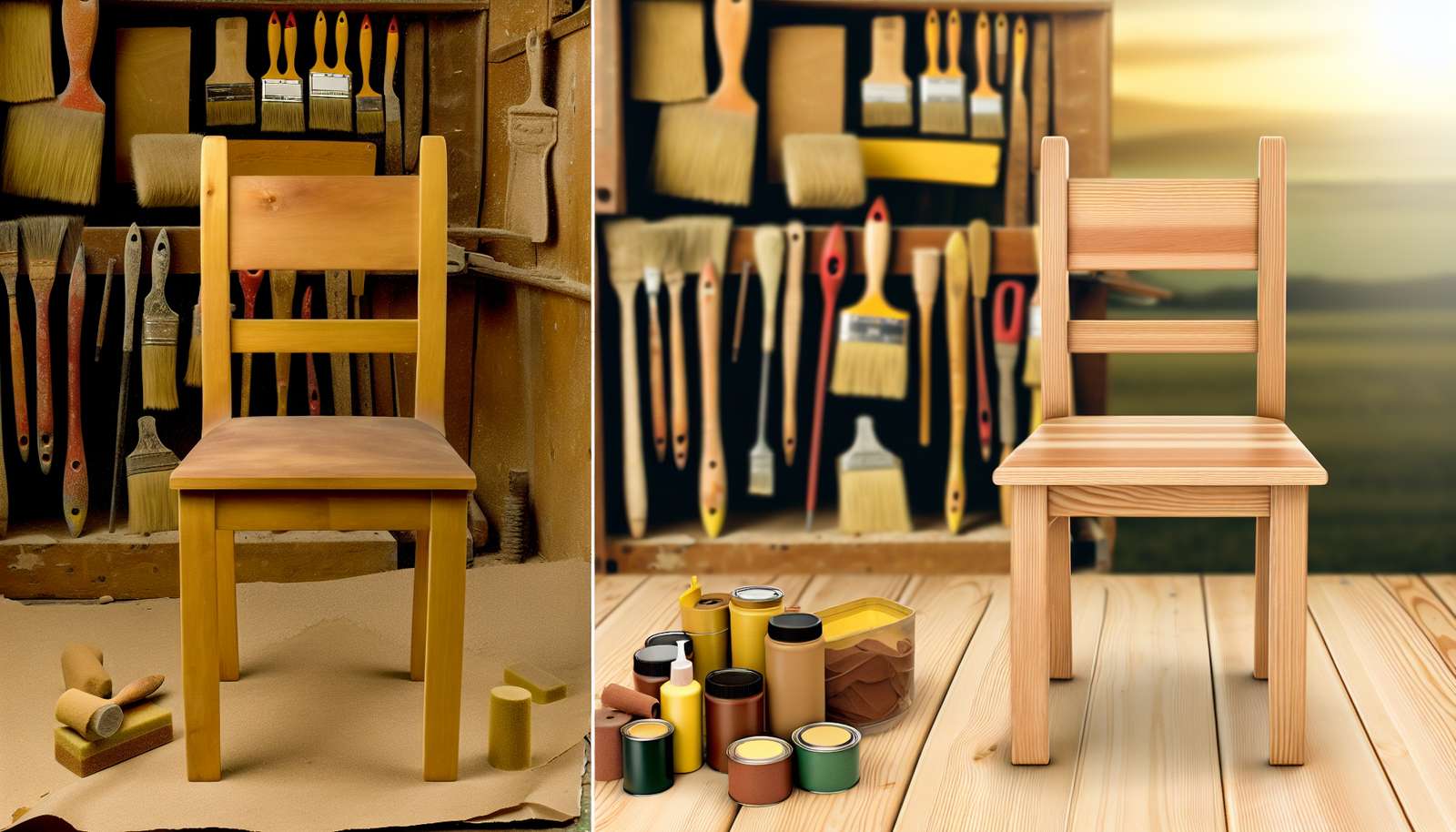
Refinishing old furniture is a rewarding process that breathes new life into pieces that have seen better days. Whether you want to enhance their appearance or restore their functionality, understanding the techniques and materials involved is essential. This article will guide you through the refinishing process, from preparation to application, ensuring your cherished furniture looks as good as new.The Art of Refinishing Old FurnitureThe Art of Refinishing Old Furniture
The Art of Refinishing Old Furniture Refinishing
Refinishing in woodworking is the deliberate process of renewing a piece’s surface to restore beauty, protect the substrate, and adapt its performance to contemporary use. At its core, refinishing addresses three aims: create a clean, uniform surface; enhance or alter color and grain; and apply a protective topcoat that resists wear. Understanding the function of each technique helps you make choices that honor the furniture’s character while delivering lasting results.
Sanding is not merely about making wood smooth; it controls texture, removes blemishes or old surface films, and prepares pores to accept stains and finishes. The choice of abrasive type and grit progression matters: coarse grits remove old material or level imperfections, mid-grits regularize scratches, and fine grits refine the surface for clear finishes. Be especially cautious with veneers and edge profiles—over-sanding can thin or destroy delicate surfaces.
Staining modifies color and depth. Options include dye stains that penetrate and accentuate figure, pigment stains that sit closer to the surface for uniform color, and gel stains that behave like a paste for uneven woods. Stains can emphasize grain, tone down blemishes, or harmonize repaired areas, but they also react differently with species and previously treated woods—test first on an inconspicuous area.
Polishing and finishing build the final protective layer and determine sheen and hand-feel. Waxes, oils, shellac, lacquer, and modern polyurethanes differ in hardness, repairability, and appearance. Some create nourishing, satin surfaces that are easy to touch up; others form hard films that resist heat and chemicals but are harder to repair sympathetically.The Art of Refinishing Old Furniture
It’s critical to distinguish refinishing from restoration. Refinishing typically replaces a surface to renew function and look; restoration aims to conserve original finishes, patina, and historical integrity. For antiques, aggressive refinishing can irreversibly reduce provenance and market value—conservation techniques that prioritize reversibility and minimal intervention often better preserve longevity and worth. The right approach depends on the piece’s age, historical significance, and intended use.
Preparing Your Furniture for Refinishing
Before you touch a new finish, prepare the piece thoroughly — this is where a successful refinish is won or lost. Start by clearing a well-ventilated, well-lit workspace and protect the floor with cardboard or drop cloths. Photograph the furniture from all angles and label removable parts (drawers, pulls, hinges) so reassembly is straightforward. Remove all hardware and store small items in labeled bags. Check the construction: gently rock the piece to reveal loose joints, missing screws, or cracked supports. Tighten or mark areas that need regluing or replacement; fix structural problems before any cosmetic work.
Clean the surface to remove dirt, oils, and old waxes that block strippers or finishes. Use a mild detergent for general grime, mineral spirits for greasy residues, and dedicated wax removers if needed. Test solvents in an inconspicuous spot to ensure they won’t harm veneer or original patina you may wish to preserve.
Decide how the old finish should be removed — mechanical, chemical, or a combination — based on wood type, presence of veneer, and historical value. For veneer, avoid heavy sanding; chemical strippers or careful solvent-softening and scraping are safer. When using chemical strippers or a heat gun, work in small sections, remove softened finish with a plastic scraper, and neutralize residue per product directions. For painted pieces, multiple coatings may require repeated treatments.The Art of Refinishing Old Furniture
Address damage revealed during prep: regluing loose joints with hide or PVA glue, clamping until cured; fill small cracks or screw holes with a compatible wood filler; consolidate flaking veneer with adhesive and backing paper; treat any signs of insect activity before finishing.
Essential tools and materials:
– List: chemical strippers, plastic and metal scrapers, heat gun, various sanders (random-orbit, detail), sanding blocks and papers (assorted grits), mineral spirits, tack cloths, wood glue and clamps, wood filler, masks and gloves, safety goggles, drop cloths, small brushes, labeled bags for hardware.
Use protective gear at all times and perform a small test area to determine the safest and most effective preparatory method for your specific piece before proceeding.
Choosing the Right Finish
Understanding the properties of each finish will help you choose one that fits the piece’s use and aesthetic. Varnishes and polyurethanes form a clear, protective film. Oil-based polyurethanes are extremely durable and build a warm amber tone over time — ideal for dining tables and high-traffic pieces — but they take longer to dry and yellow slightly. Water-based polyurethanes dry faster, remain crystal clear, and are better for light woods or modern finishes; they are slightly less forgiving to apply. Marine or spar varnishes add UV and moisture resistance for outdoor or sun‑exposed pieces.The Art of Refinishing Old Furniture
Lacquer and conversion varnish are film-formers prized for fast drying and a very smooth, hard surface; they’re typically sprayed and favored by professionals for cabinetry and heirloom restorations. Shellac is a traditional finish that seals and adds warmth, is easily repaired and compatible with many topcoats, but is alcohol‑sensitive and less durable on surfaces exposed to water or heat.
Oils — tung, boiled linseed, and blended penetrating oils like Danish oil — soak into the wood, enhancing grain and offering a natural, low-luster look. They’re easy to apply (wipe-on) and repairable, but provide less surface protection than film finishes, so pair them with periodic maintenance or a topcoat for tabletops. Waxes (beeswax/paste wax) give a soft, tactile sheen and are best as a final layer over an oil or shellac; alone they lack durability for heavy use.
Paints (milk, chalk, latex, or enamel) completely change color and texture. Use primer for adhesion on bare or previously finished surfaces. Chalk and milk paints suit rustic or shabby styles, while enamel gives a hard, washable surface. To match color and sheen:
- Always test on an inconspicuous area.
- Match stain with sample boards and adjust with toning coats or diluted stains.
- Choose sheen to either hide flaws (matte/satin) or emphasize grain and depth (semi-gloss/gloss).
- Consider use: high-sheen is easier to clean; low-sheen hides scratches.
Also consider compatibility — some finishes need sealers or specific primers and require particular application methods (brush, wipe‑on, spray) and drying times, all of which will affect the step-by-step process that follows.The Art of Refinishing Old Furniture
Step-by-Step Refinishing Process
Start by setting up a clean, well-ventilated workspace and remove all hardware and drawers; label parts so reassembly is effortless. Evaluate the surface—test a small hidden area to see if old finish comes off with a chemical stripper or if gentle sanding will suffice. For stubborn coatings, apply stripper in thin layers and scrape with a plastic scraper to avoid gouging. Neutralize residues per product instructions and rinse thoroughly.
Sand in progressive grits: begin with 80–120 grit only where you must remove heavy finish or level repairs, then move to 150–180 for shaping, and finish with 220–320 to smooth the surface for finishing. Always sand with the grain, use a sanding block for flats and a random-orbit sander for larger panels, and hand-sand curves and corners. Vacuum and wipe with a tack cloth or a lint-free rag dampened with mineral spirits to remove all dust; dust is the most common finish killer.
Repair cracks and loose joints with appropriate glue and clamps; fill small voids with a color-matched, sandable filler. When staining, test color on scrap or an inconspicuous area, apply evenly with the grain, wipe excess promptly for an even tone, and let it dry fully before sealing.The Art of Refinishing Old Furniture
Apply topcoats in thin, even layers—thin coats dry smoother and reduce runs. Use the correct applicator (brush, foam, or spray) and maintain a wet edge to avoid lap marks. Lightly sand between coats with 320–400 grit or use fine steel wool for oil finishes; remove dust before the next coat. Follow product label for recoat windows and expect frames to be touch-dry but not fully cured: water-based finishes often allow quicker recoats (hours) while oil-based systems require longer (often 24+ hours) and full cure can take days to weeks. Control temperature and humidity to prevent clouding and bubbles.
Common pitfalls: don’t over-sand through veneer, avoid thick coats that run, don’t rush curing, and always practice techniques on scrap. Small details—edges first, consistent stroke length, and patience between coats—produce a salon-quality result.
Maintaining Your Newly Finished Furniture
Regular care preserves the work you invested in refinishing. Start with a disciplined cleaning routine: dust weekly with a soft microfiber or a natural-hair duster to remove abrasive grit. For periodic cleaning, use a solution of warm water and a few drops of mild dish soap on a barely damp cloth; immediately follow with a dry cloth to avoid moisture penetration. Never use cleaners containing ammonia, bleach, or silicone — they can degrade finishes and leave residues that attract dirt.
Different finishes need different maintenance. For *oil-finished* surfaces, refresh by rubbing in a thin coat of the original oil (tung or boiled linseed) and buffing with a soft cloth every 12–24 months, depending on wear. For *waxed* surfaces, apply a paste wax sparingly and buff every 6–12 months. For cured *polyurethane, lacquer,* or *shellac* surfaces, avoid abrasive cleaners; when scuffs appear, lightly scuff-sand (320–400 grit) and spot-recoat using the same finish in thin layers to blend.The Art of Refinishing Old Furniture
Preventive strategies are crucial: use coasters, placemats, and trivets; install felt pads under legs; keep furniture out of direct sunlight or use UV-filtering window film to prevent fading and finish breakdown; maintain indoor relative humidity around 40–50% to minimize cracking or joint loosening. Lift, don’t drag, when moving pieces.
For small touch-ups: clean the area, use color-matched markers or wax repair sticks for minor scratches, then buff. For deeper chips, gently sand the area, apply a matching stain or dye, let it dry, and feather in a thin topcoat. For shellac, denatured alcohol cleans and re-dissolves the finish for seamless blending; for lacquer, use lacquer thinner cautiously. Always test touch-up materials in an inconspicuous spot first.
Schedule inspections every few months to catch wear early. Consistent, appropriate maintenance will keep your refinished furniture looking its best and extend its life for decades.
Conclusions
In conclusion, refinishing old furniture is more than just a cosmetic update; it’s a way to preserve the history and craftsmanship of beloved pieces. With the right techniques and materials, anyone can transform their furniture into stunning showcases. Embrace the art of refinishing to not only enhance your decor but also to cherish the stories held in each piece.