

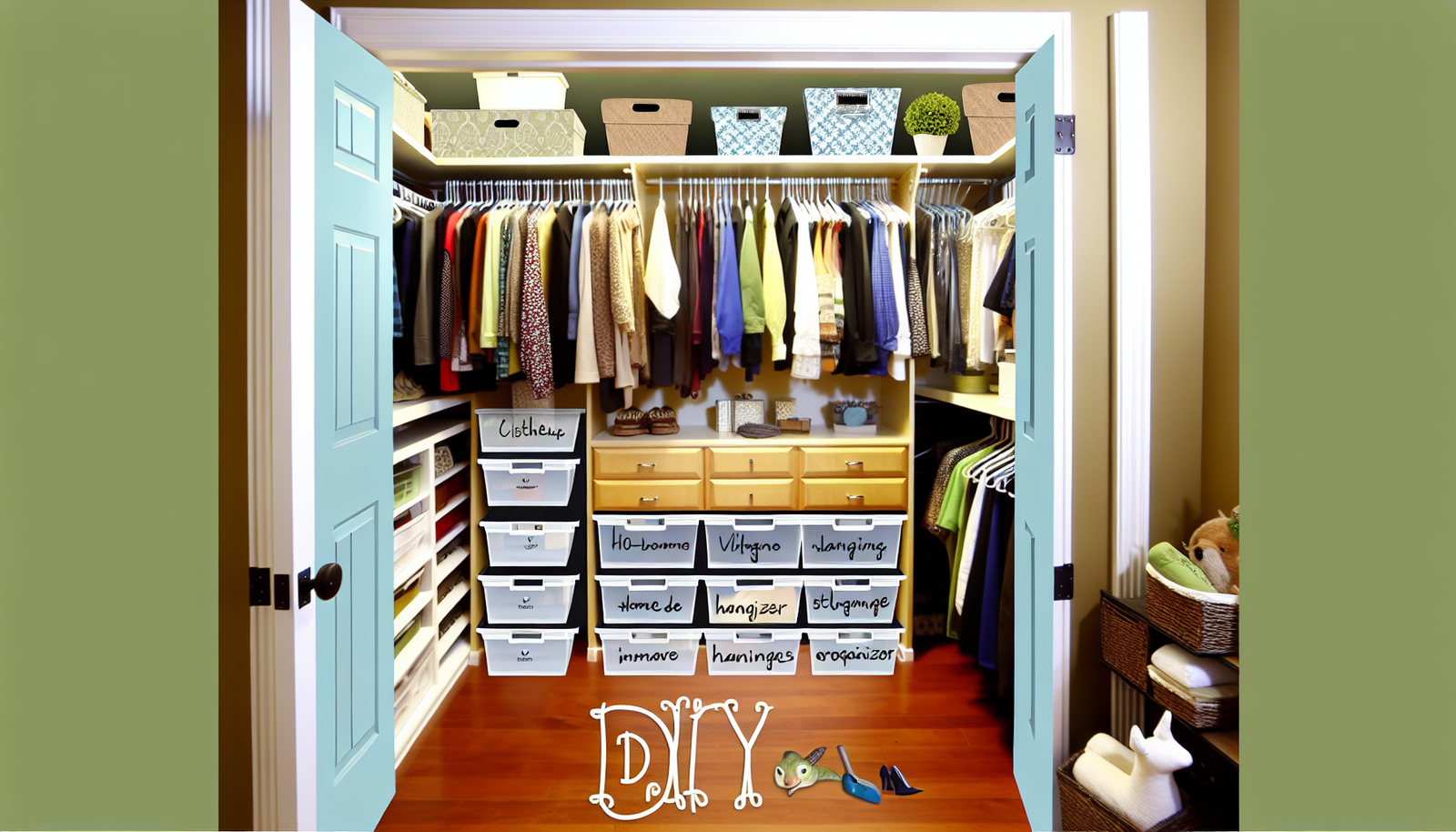
Organizing your closet can transform your space from chaotic to serene. With simple DIY projects, you can create an organized system that not only maximizes space but also enhances your daily routine. From using custom shelving to innovative storage solutions, this article explores various ideas to make your closet both functional and aesthetically pleasing.Creative DIY Closet Organization Ideas to Maximize Space
Creative DIY Closet Organization Ideas to Maximize Space
Closets come in many shapes and each serves a different purpose: reach-in closets for everyday clothing, walk-ins for wardrobe systems and dressing, coat closets for outerwear and shoes, linen closets for towels and bedding, utility closets for cleaning supplies and seasonal items, and freestanding wardrobes or armoires for overflow. Understanding function matters because storage solutions should follow use — coats need vertical hanging and hooks, linens need flat breathable shelving, bulky winter gear needs deep shelves or bins.
Before building or buying anything, measure and map your space precisely. Use a tape measure or laser to record:
– width, depth and full ceiling height;
– door swing and clearances (including bifold, sliding or pocket doors);
– fixed features (moldings, baseboards, HVAC vents, electrical outlets, light fixtures);
– current shelf depths and rod heights.
Sketch a simple diagram and annotate dimensions — this blueprint will guide shelf depths, rod placement and modular sizing.Creative DIY Closet Organization Ideas to Maximize Space
Next, audit the contents. Empty the closet and sort items into categories; count typical pieces and note oversized items (boots, long coats, comforters). Keep an inventory list that records quantity and average width/height of items. This makes it possible to calculate needed linear hanging space and shelf surface.Creative DIY Closet Organization Ideas to Maximize Space

Categorize by:
– type (tops, bottoms, dresses, outerwear, shoes, linens, tools);
– frequency (daily, weekly, seasonal, rarely);
– size/shape (flat stacks vs hanging, long vs short, small accessories);
– care/storage needs (foldable, breathable, brittle, heavy).
Use practical rules: place daily items at eye level, seasonal items higher or lower; allow ~40–45″ vertical for long coats, ~30–36″ for dresses, and 36–48″ for a double-hang configuration. Plan zones for quick access and allocate a margin (10–20%) for growth. This measured, categorized foundation ensures any DIY shelving, hanging or repurposing you build next will be functional and efficient.
DIY Storage Solutions for Every Closet Type
Walk-in Closet — Custom Adjustable Shelving (step-by-step)
Materials: 3/4″ plywood or melamine, shelf standards and brackets, wood screws, edge banding, wood filler, paint or stain.
Steps: Cut shelves to fit. Apply edge banding for a finished look. Attach vertical shelf standards to studs at planned intervals (use a stud finder) so brackets can be repositioned. Install brackets and rest shelves, checking level. Fill screw holes, sand, and finish with paint or stain. Use shallow bins and labeled baskets on lower shelves for seasonal shoes and accessories.
Personalize: Paint the interior a contrasting color, add decorative molding to shelf fronts, or swap standard brackets for brass or matte black for a boutique look.Creative DIY Closet Organization Ideas to Maximize Space
Coat Closet — Pegboard Backing and Repurposed Cubby
Materials: 1/4″ pegboard, wood cleat, drywall anchors, assorted peg hooks, repurposed wooden crate or small shelving cube, adhesive felt pads.
Steps: Mount a horizontal cleat across the back wall to carry weight, then screw pegboard to cleat and wall. Insert hooks at needed heights for coats, scarves, and umbrellas. Place a repurposed crate or cube at floor level for shoes — secure to wall for safety. Add a small shelf above the pegboard for hats and gloves.
Personalize: Paint the pegboard, use patterned fabric liners inside crates, and install a slim LED puck light for visibility.
Linen Closet — Repurposed Dresser to Pull-out Storage
Materials: Old dresser or thrifted chest, drawer slides (ball-bearing), baskets, labels, caster wheels (optional).
Steps: Remove unwanted drawers or reconfigure by adding basket inserts. Fit drawer slides to create smoother pull-outs for stacks of towels and sheets. Add caster wheels under the dresser for easy access. Use uniform baskets for smaller items and label fronts.
Personalize: Refinish drawer faces, add decorative knobs, or line drawers with scented sachets for a boutique linen feel.Creative DIY Closet Organization Ideas to Maximize Space
Across all projects, use quality anchors, match hardware finishes, and incorporate fabric bins, labels, and trim details to align the storage with your style while keeping functionality front and center.
Maximizing Vertical Space
Utilizing the full height of a closet multiplies usable space without expanding footprints. Think vertically as tiers of purpose: frequently used items live at eye level, occasional items above, and rarely used—seasonal gear, keepsakes—near the ceiling. Small design choices keep that vertical volume accessible and visually calm.
Install a high shelf run across the closet’s perimeter to hold soft, compressible items in breathable containers; place a slim, labeled step stool beneath it (or one that tucks into the base) so the top shelf is reachable without a ladder. For narrow ceilings or odd angles, consider a ceiling-mounted open rack for flat items like garment bags, hats, or storage tubs—these racks free up wall real estate and keep bulk off hanging bars. A pull-down closet rod is a compact upgrade that lets you use the highest hanging space safely.
Hooks and vertical hardware turn tiny strips of wall into accessory galleries. Mount staggered hooks for bags, belts, and necklaces to avoid tangles; combine short hooks for bracelets and long hooks for scarves. Attach a vertical pegboard or slotted rail so you can rearrange hooks and small baskets as needs shift. Magnetic strips for metal tools or small jewelry are low-profile and visually tidy.
Stacking solutions must balance height with stability and access. Use uniform, stackable cubes or clear modular bins so stacked edges align and you can slide a top box forward to reach the one below. Add shelf dividers to keep vertical piles from toppling and use shallow front-facing trays on upper shelves to slide out seasonal items without disturbing the stack.Creative DIY Closet Organization Ideas to Maximize Space
A cohesive aesthetic helps vertical storage feel intentional: match hangers, maintain aligned box fronts, and limit visible colors. Finally, secure tall shelving to studs and avoid overloading upper tiers—safety and neatness together make vertical organization sustainable.
Incorporating Organizational Aids
Incorporating the right organizational aids transforms a closet from messy to methodical. Bins and boxes create tidy zones: choose clear plastic containers for visibility and stackability, fabric bins for soft items that need breathability, and shallow boxes for accessories. Uniform sizes matter — they make stacking predictable and create tidy sightlines. Drawer dividers turn drawers into mini-systems: adjustable wooden slats, foam-core inserts, or simple corrugated board partitions can be cut to fit any drawer depth and prevent items from migrating.
Benefits of labeling and transparency go beyond aesthetics: they cut search time, reduce duplicate purchases, and keep systems consistent when others help put things away. Transparent containers let you spot contents at a glance; pair them with visible labels so similar-looking boxes don’t become guessing games. For delicate or seasonal fabrics, opt for breathable cotton bins with an external clear tag pocket — protection plus clarity.
Practical DIY tricks for custom labels:
– Printable photo labels: take a phone photo of the box contents, crop to thumbnail, print on sticker paper or standard paper and laminate with clear packing tape, then affix. Visual cues are ideal for kids or mixed households.
– Chalkboard fronts: paint a strip of chalkboard paint on the front of fabric bins or reusable crates. Use chalk markers for neater, erasable tags.
– Laminated index cards: design labels in a simple template, print, cut, and laminate. Use removable Command strips or binder clips to attach; swap labels seasonally.
– Tag pockets: repurpose clear business card sleeves stapled or glued onto boxes so labels slide in/out.
DIY drawer dividers:
– Measure drawer interior, subtract 1/8″ clearance, cut foam board or thin plywood strips, wrap in contact paper, and secure with hot glue. For reconfigurable dividers, add Velcro anchors so sections can shift.
Finally, enforce a “home for everything” rule: outline item shapes in drawers, assign one category per bin, and note exceptions on your labels. Clear containers plus durable, flexible labels make upkeep intuitive and keep the organization system resilient over time.
Maintaining Your Organized Closet
A well-designed closet is only as good as the habits that keep it functioning. Establish simple, repeatable maintenance practices that prevent clutter from creeping back in. Start with a micro-routine: a weekly five-minute sweep to return stray items to their homes, refold any soft goods, and spot-empty the floor. Pair that with a monthly 15–30 minute audit: scan shelves and hanging zones, remove anything that hasn’t been worn in the last 90 days, and set aside repair or laundering tasks.
Seasonal reviews are your chance to reset. Block 1–2 hours at the change of seasons to try on outfits, swap seasonal pieces, mend damaged items, and launder or professionally clean what will go into long-term storage. During this session, make decisive choices—create immediate piles for donate, consign, sell, repair, and recycle. For “maybe” items, use a dated bag or box; if it’s untouched by the review date, it goes out.
Revisit your original organization system periodically and measure its effectiveness. Ask objective questions: Do high-use items require less reach? Are pockets of underused space emerging? Is the system intuitive for everyone who uses the closet? Adjust by relocating zones, changing hang lengths, or simplifying categories rather than adding complexity. Keep a small repair kit and a donation bag accessible so maintenance steps are frictionless.Creative DIY Closet Organization Ideas to Maximize Space
Create household agreements for shared closets: a quick end-of-day reset, a policy for shopping new items (consider a one-in, one-out rule), and clear responsibility for seasonal swaps. Use calendar reminders or a simple checklist taped inside the door to build consistency. Track progress visually—take a quarterly photo to compare and stay motivated.
Sustainability comes from iteration: treat your closet as a living system, tweak it when life changes, and reassess priorities as your wardrobe and needs evolve.
Conclusions
Effective closet organization not only enhances the efficiency of your space but also contributes to a calmer home environment. By implementing these DIY ideas, you can achieve a well-structured closet that saves time and reduces stress. Embrace your creativity to keep your closet organized, making it a reflection of your personal style and practicality.Creative DIY Closet Organization Ideas to Maximize Space