

temperature control kettle technology is changing the way people prepare coffee, tea, and more—making precise water heating easy for any home cook or beverage enthusiast.
Key Takeaways
- Temperature control kettles are rapidly gaining popularity for their precision, convenience, and energy savings compared to traditional kettles.
- Models range from basic digital setups to advanced smart kettles with app controls, but pitfalls like reliability and interface complexity can impact satisfaction.
- Shopping for a temperature control kettle requires careful consideration of features, daily habits, and price tier for the best long-term results.
- What is a Temperature Control Kettle? (The Core Concept)
- How to Choose and Use a Temperature Control Kettle
- Advanced Analysis & Common Pitfalls
- Conclusion
- FAQ
What is a Temperature Control Kettle? (The Core Concept)
A temperature control kettle heats water to a precise temperature you set, instead of just boiling it. This allows you to unlock better flavors in coffee, tea, and other hot beverages. These kettles often include presets for common drinks, digital displays, and (in smart models) app connectivity or scheduling options.
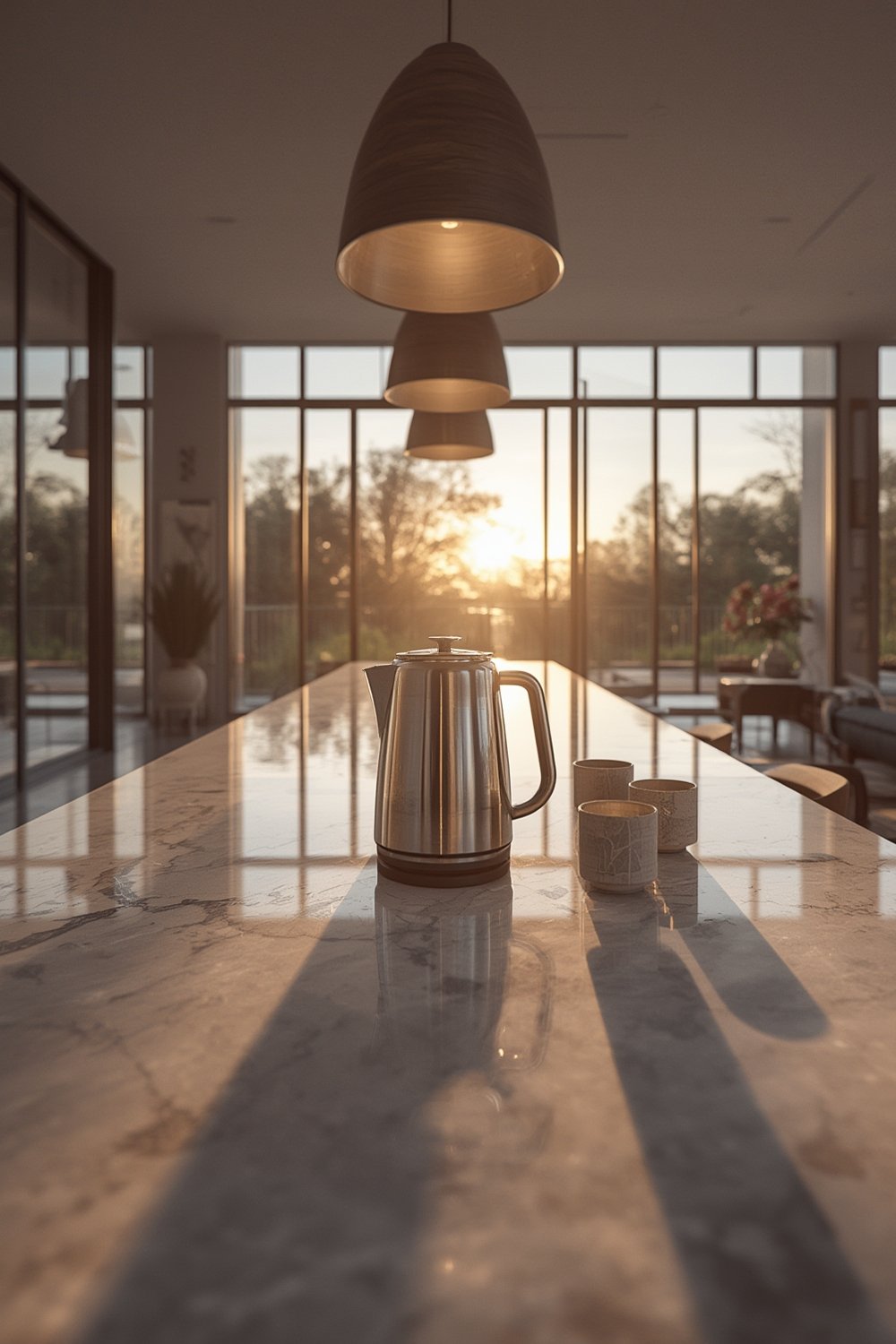
The global demand for temperature control kettles is rising quickly, valued at USD 4.9 billion in 2024 and expected to grow steadily through 2035. Mid-priced models dominate the market, while premium smart kettles with WiFi or Bluetooth controls are finding fans among tech-savvy buyers.
Why is this shift happening? Beverage enthusiasts want precise extraction temperatures for each tea or coffee style, while busy households and apartments value programmable convenience and energy savings. For a look at other smart kitchen trends, see our Smart Kitchen Gadgets Buying Guide.
How to Choose and Use a Temperature Control Kettle
Finding the best temperature control kettle starts with understanding your daily routine and recognizing small technical differences that make a big impact.
Step 1: Pinpoint Your Beverage Priorities
Do you mostly brew green tea, oolong, pour-over coffee, or herbal teas? Each drink shines at its ideal range—green tea (70°C to 80°C), coffee (90°C to 96°C), herbal teas (95°C to boiling). Many kettles include quick-select presets for these, saving guesswork and reducing energy waste from repeated boiling.
Explore top-rated space savers and smart kitchen upgrades in our space-saving kitchen gadgets guide.
Step 2: Choose Control Type
You’ll find two major types:
- Basic temperature control kettles: Simple digital or dial controls, preset temperature options, audible alerts.
- Smart electric kettles: Connectivity (WiFi or Bluetooth), app control for remote heating or scheduling, custom programs.
Both can get you precise hot water, but smart kettles suit users who want to upgrade their whole kitchen ecosystem—as discussed in our smart kitchen scale guide.
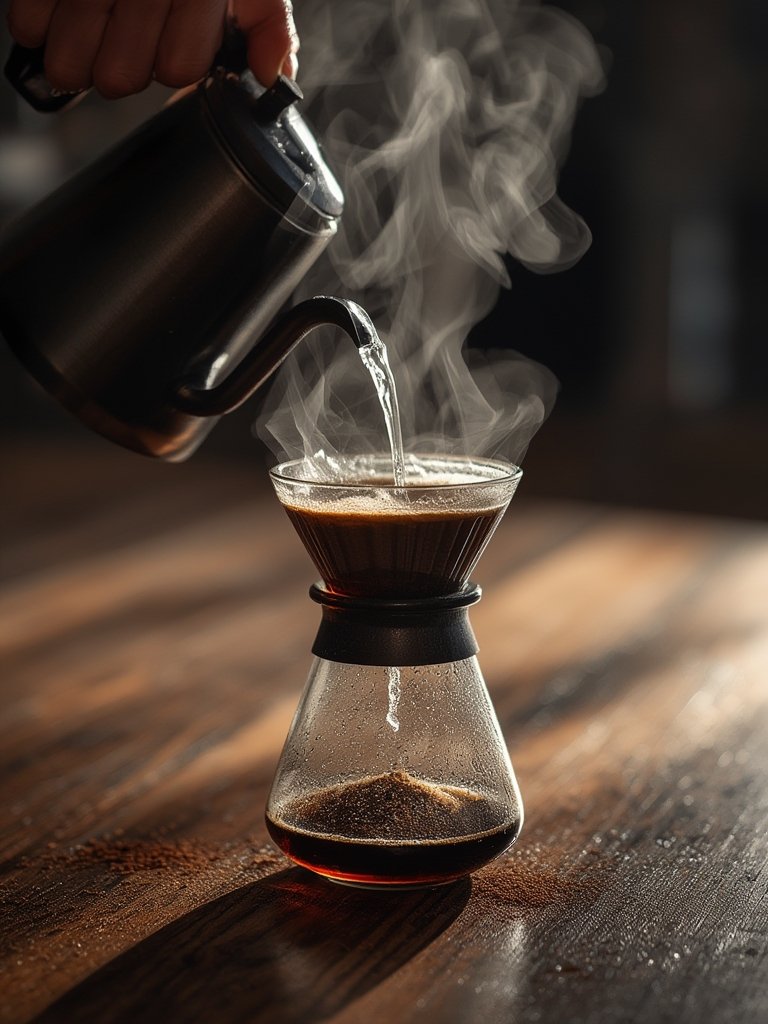
Step 3: Check Materials and Build Quality
Stainless steel is preferred in Europe for durability and resistance to limescale, while glass or BPA-free plastic options offer more affordable or lighter-weight choices. Double-walled models keep water hot longer and reduce exterior heat, minimizing accidental burns.
Step 4: Pay Attention to Increment Range
Good kettles offer increments of 1°C or 2°F for precision. Models with only wide-step choices (e.g., 80°C, 90°C, 100°C) are less versatile. Confirm that advertised accuracy is achieved in real use; some displays are +/-2°C off the actual water temperature.
Step 5: Balance Price Tier with Your Needs
Actual prices as of 2024 vary by region, but the mid-priced segment dominates sales and represents the best value for home users.
If maximizing kitchen organization is also on your list, check out our kitchen organization ideas for small spaces.
Step 6: Set Up and Maintain Your Kettle Correctly
Read the manual for the first cycle (usually an initial full boil and clean), select your temperature, and pour only the water you need for faster results. Regular cleaning and descaling keep sensors accurate.
Kettles with keep-warm features are convenient, but leaving water hot for many hours can develop off-flavors. Use quick reheat modes or timed scheduling for better taste.
Advanced Analysis & Common Pitfalls
Even top-rated temperature control kettles aren’t perfect. Learn what can go wrong, where technical differences matter, and what manufacturers don’t always admit.
| Feature | Basic Kettle | Temperature Control Kettle | Smart Electric Kettle |
|---|---|---|---|
| Temperature Accuracy | ±5°C to boiling | ±2°C to preset | ±1°C, user configurable |
| Control Method | Simple on/off switch | Digital display or manual dial | App integration, scheduling |
| Smart Features | None | Keep-warm, presets | Remote start, custom profiles |
| Material | Plastic or basic stainless steel | Stainless, glass, BPA-free options | Often stainless with premium finishes |
| Price | Low ($15–$30) | Medium ($40–$90) | High ($100+) |
| Reliability Concerns | Low—few features | Sensor accuracy, limescale issues | App bloat, firmware updates, WiFi drops |
Common Pitfalls
- False Display Readings: Many models are off by 2 to 4°C. Always test using an external thermometer if accuracy is critical.
- Firmware/App Issues: Smart kettles may lose connection or require buggy updates, causing frustration.
- Sensor Limescale Build-Up: In hard water areas, accuracy drops quickly unless you descale monthly.
- Interface Overload: Too many options can make daily use less intuitive than a traditional kettle.
If you prefer ultra-fast convenience, an electric food chopper or other smart gadgets might also streamline your kitchen workflow.
While in-depth user complaints are underreported in published research, many reviewers online mention reliability issues and learning curves for app-based models. For advanced technical users, look for models that enable manual calibration or firmware rollback options.

Conclusion
Temperature control kettles elevate daily beverage routines—offering flexibility, energy efficiency, and convenience for all types of users. Whether you need pinpoint accuracy for artisan coffee or just want the flexibility to brew different teas at their best, today’s options have you covered.
Choosing the right temperature control kettle means balancing price, performance, and technical complexity. Before you buy, weigh the essential features against realistic trade-offs for your needs. If you’re interested in pairing your new kettle with other must-have tools, explore our must-have kitchen gadgets guide.
Ready to upgrade? Investing in a temperature control kettle can revolutionize your kitchen—start by matching features to your lifestyle and enjoy beverages at their absolute best.
FAQ
What is the main benefit of a temperature control kettle over a regular kettle?
Temperature control kettles let you heat water to the ideal temperature for each beverage, improving flavor and preventing over-extraction. They also save energy and reduce wait times by avoiding unnecessary boiling.
Do temperature control kettles really provide accurate temperatures?
Accuracy varies by model. While some smart kettles are accurate within 1°C, others can be off by 2–4°C. Regular calibration and cleaning improve reliability.
Are smart kettles with WiFi or Bluetooth worth the extra cost?
Smart features like remote scheduling and app controls are most useful for busy users or smart home setups. For basic hot drinks, classic temperature control models often offer similar results with less complexity.
How do I clean and maintain my temperature control kettle?
Descale the kettle every 1–2 months with a water-vinegar solution. Avoid harsh abrasives on sensor components, and follow the manufacturer’s instructions for cleaning exterior parts and screens.
What price should I expect to pay for a quality temperature control kettle in 2024?
Most quality kettles fall in the mid-priced range, typically between $40 and $90. Premium smart models with advanced features may cost $100 or more.