

Electric spice grinder USB models are quietly transforming how home cooks and chefs prep fresh spices, offering cordless convenience with USB charging in compact designs.
Key Takeaways
- USB-rechargeable electric spice grinders bring plug-free grinding to modern kitchens but come with distinct battery and customization tradeoffs.
- Most popular models use lithium-ion batteries and are growing in market share due to eco-friendly appeal, despite limited official data on battery specs and durability.
- User complaints typically revolve around battery performance issues, limited grind customization, operational noise, and higher cost — so choose carefully.
- What is an Electric Spice Grinder USB & Why Consider One?
- How to Use & Get the Most from a USB Electric Spice Grinder
- Real-World Analysis: Problems, Pitfalls & The Hard Truths
- Conclusion: Should You Buy an Electric Spice Grinder USB?
- FAQs on Electric Spice Grinder USB Models
What is an Electric Spice Grinder USB & Why Consider One?
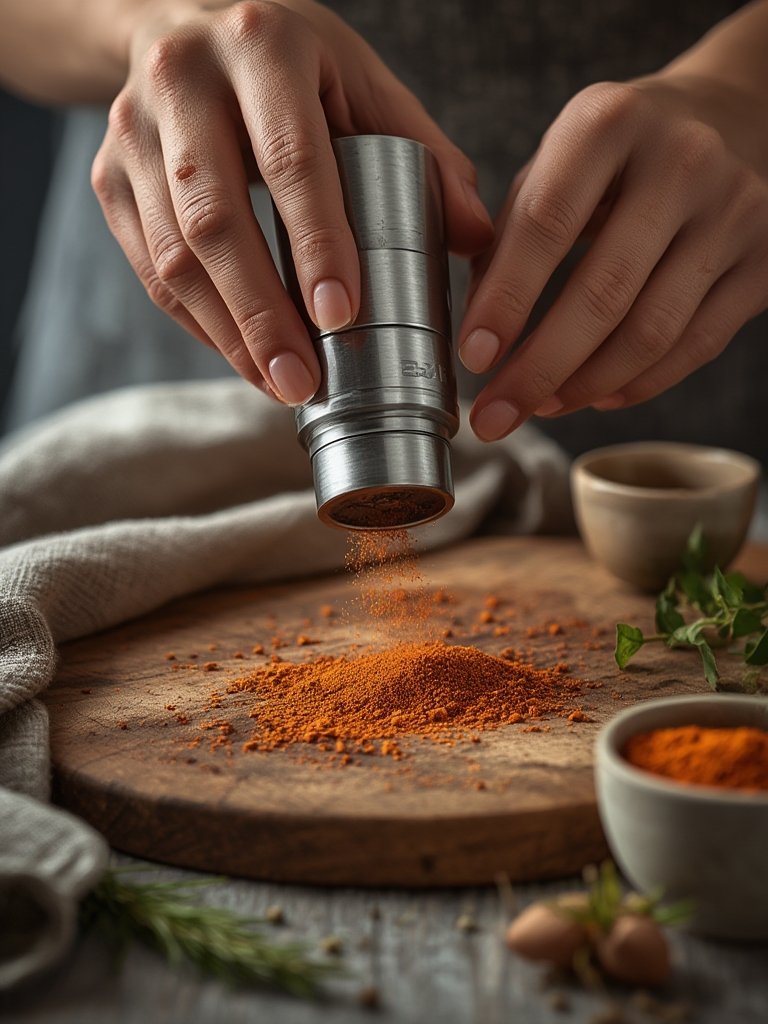
An electric spice grinder USB is a compact, motorized kitchen gadget that lets you grind and mill spices with the push of a button — untethered from power outlets thanks to built-in rechargeable batteries. Unlike plug-in units, these grinders use USB (sometimes USB-C, other times Micro-USB) for charging, offering modern portability.
If you’re working in small kitchens, want to avoid replacing disposable batteries, or need to grind spices at the table or on the go, they offer undeniable convenience. Their popularity has grown with the wider electric spice grinder market, which reached $750 million in 2023 and is set to approach $1.2 billion by 2032, reflecting a 5.5% CAGR. USB-rechargeable models ride this wave, especially among eco-conscious buyers and busy cooks seeking cordless options.

Curious about other handy kitchen time-savers? See our vegetable chopper guide for more shortcuts.
How to Use & Get the Most from a USB Electric Spice Grinder
Getting consistent, fresh flavor from your USB electric spice grinder is simple with the right approach. Here’s the process professional users recommend.
- Charge Properly: Use the provided USB cable. If the device supports USB-C, use it for faster and more reliable charging versus Micro-USB connectors.
- Choose Spices Carefully: Only fill with dry, non-gummy spices (peppercorns, dried herbs, etc.). Moisture or sugar can clog and damage the grinding mechanism.
- Do Not Overfill: Overfilling can strain the motor and drain the battery more quickly. Follow maximum fill lines indicated inside the grinder compartment.
- Adjust the Grind: If your model allows, set the grind fineness. Many basic USB grinders only offer limited levels, so manage expectations if you’re after ultra-fine or very coarse results.
- Need a gadget for other prep jobs? Our vegetable chopper review covers versatile choppers for small kitchens.
- Grind in Bursts: Pulse rather than running the grinder continuously — this extends battery life, avoids overheating, and gives spices a more even texture.
- Clean Often: Brush out spice residue after each use or use the dry rice method for “deep cleaning”. Never immerse the motor base in water.
For even more space-saving kitchen tools, check our top-rated space-saving kitchen gadgets list.
- Keep your grinder charged alongside gear like an automatic spice dispenser for a full spice station setup.
- Want smarter kitchen tools? Explore smart kitchen gadgets trending for 2025 and beyond.
Real-World Analysis: Problems, Pitfalls & The Hard Truths
While the appeal of a USB-charged spice grinder is clear, users consistently report some realistic pains and limitations. Here’s a realistic look based on current research and user feedback trends.
1. Battery Life & Charging Convenience
Most USB models promise “weeks of use per charge,” but actual battery life varies with spice hardness, charge cycles, and usage patterns. Many grinders use basic lithium-ion cells — details like mAh or voltage are rarely published. Poor battery quality leads to a common complaint: grinders that lose capacity in under a year or require frequent recharging.
2. USB-C vs Micro-USB: What Matters?
| Charging Port | Pros | Cons |
|---|---|---|
| USB-C | Faster charging, more durable, reversible design, future-proof | Slightly higher initial cost; fewer models as of 2024 |
| Micro-USB | Common, low cost, compatible with old cables | Slower charging; prone to wear and damage; less future-proof |
Current product listings rarely specify max charging current or exact charging times, making direct comparison tricky for buyers.
3. Limited Grinding Customization
Most USB grinders offer only a few grind settings — sometimes just coarse and fine — which may frustrate anyone who craves precise control over spice texture. High-end plug-in grinders usually perform better on this front.
4. High Price Sensitivity
With retail price differences often being small between rechargeable and plug-in models, consumers sometimes balk at paying a premium for USB. This is especially true where durability and battery lifespan remain in question. The broader electric grinder market has faced adoption challenges due to price sensitivity as well.
5. Durability & Food Safety Concerns
Details on food-safe construction materials or certifications are lacking. Some models advertise BPA-free or stainless steel grinding burrs, but official certifications (like FDA or LFGB compliance) are rare or not shown in specs. This can make it hard to gauge long-term safety and resilience.
Rechargeable models tout eco-friendliness by reducing battery waste, but there’s untapped opportunity for those using recyclable or sustainable plastics, according to industry data.
6. Noise & Power Consumption
Compared to manual grinders (and even plug-in heavyduty models), USB electric grinders tend to be noisier — especially with hard spices or nuts — and may draw more power than expected, impacting runtime and usage satisfaction.
For those wanting the quietest or most efficient kitchen, plug-in or high-end manual grinders might still win.

If you’re dedicated to maximizing functionality in limited spaces, see space-saving gadget solutions — some combine grinding, chopping, and storage in one.
Conclusion: Should You Buy an Electric Spice Grinder USB?
USB-rechargeable electric spice grinders offer clear wins in portability and convenience, especially for those obsessed with fresh flavors. They align well for everyday cooks, small apartments, and eco-minded buyers ready to accept some quirks.
However, accuracy in grind size, battery consistency, and the question of long-term value (given price sensitivity and scarce published specs) remain hurdles. If you value portability above all, a electric spice grinder USB is an easy choice. For true performance or ultra-long life, supplement with classic manual or premium plug-in models.
Ready to upgrade your spice game? Research your options, and consider pairing your new grinder with our apartment kitchen gadgets roundup for a streamlined cooking space.
FAQs on Electric Spice Grinder USB Models
What’s the average battery life for a USB electric spice grinder?
While most brands claim 30-40 uses per charge, actual battery life depends on spice type and use patterns. Expect 2-4 weeks of light use before needing a recharge.
Is USB-C always better than Micro-USB for spice grinders?
USB-C offers faster charging and is physically more robust. For future-proofing and everyday ease, USB-C is preferable, but not all models feature it as of 2024.
Are these grinders safe for all types of spices?
Most electric spice grinder USB models work best with dry, non-gummy spices. Wet spices, aromatics with oils, or sticky blends can clog grinders and reduce lifespan.
Why do users complain about limited grind settings?
The motor and design constraints of compact USB grinders mean fewer grind options — typically only coarse or fine. If precise texture is vital, consider plug-in or manual models.
Can I use my grinder for nuts or seeds?
Grinding hard nuts or seeds can overwork small USB motors and drain batteries rapidly. Stick to soft or medium spices unless your model explicitly supports harder foods.