

Decluttering kitchen tips can transform your cooking space from a daily frustration to an efficient, stress-free zone. Ignore this, and you’ll keep losing time, food, and money—sometimes without even realizing how much. What’s worse is that most people don’t know where to start or how to maintain an organized kitchen for more than a week. This guide dives into exactly what works, what often fails, and how to make thoughtful changes that actually last.
Key Takeaways
- Disorganized kitchens cost families hundreds of dollars in wasted food and lost time each year—simple steps can drastically reduce both.
- Implementing intuitive storage, regular inventory checks, and the right organizers cuts daily frustration while optimizing your kitchen for real-life routines.
- Watch out for overlooked areas like drawers, upper and lower cabinet spaces, and the risk of “out of sight, out of mind” clutter traps.
- What Does Kitchen Decluttering Really Involve?
- Step-by-Step: How to Declutter Your Kitchen for Good
- Advanced Analysis & Common Pitfalls
- Conclusion
- FAQ
What Does Kitchen Decluttering Really Involve?
Decluttering your kitchen is more than just tossing out old Tupperware or clearing your countertops. At its core, it’s about reclaiming control: knowing exactly what you have, being able to find what you need fast, and preventing waste and frustration. According to recent studies, the average American spends nearly 17 hours a year searching for items lost in cluttered kitchens. This added confusion leads to $1,500 in annual food waste for a family of four and adds up to $2.7 billion spent nationally on replacing lost kitchen items.sourcesource
Having an organized kitchen reduces wasted time, prevents duplicate purchases, cuts food spoilage, and genuinely lowers stress—confirmed by both research and household experience. It also means every tool, pantry item, and utensil has an intentional place, letting you cook, clean, and shop with confidence.

Step-by-Step: How to Declutter Your Kitchen for Good
Here’s how to approach kitchen decluttering—not as a weekend cleanout, but as a series of practical steps that permanently change how your kitchen looks and works.
- Start with a real inventory check.
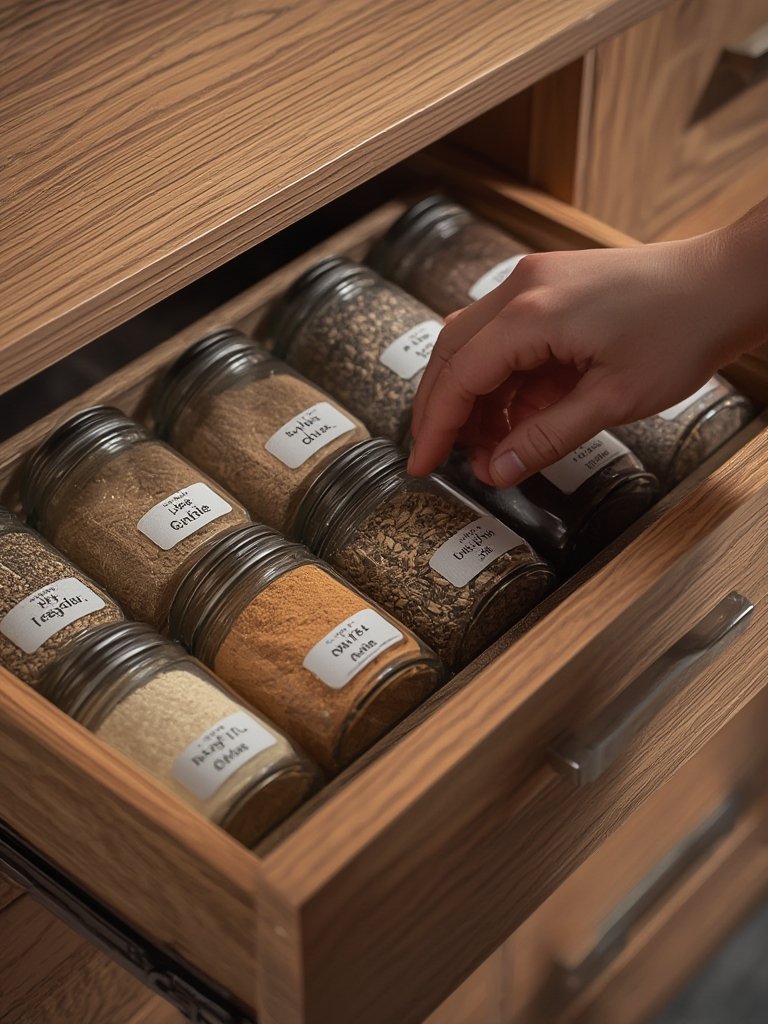
Empty one area at a time—like a drawer or a shelf. Take everything out, wipe down surfaces, and group items by type. Discard expired food and anything you haven’t used within the last year. If you find gadgets you never use (such as a rarely-touched vegetable chopper, consider donating or recycling them. For consistent, practical organizers, see our space-saving kitchen gadgets guide. - Assign a “home” for every item.
Store items where you actually use them. Pots and spatulas near the stove; baking sheets in lower cabinets; spices close at hand or on a magnetic spice rack. Designating these homes prevents the daily game of hide-and-seek (which eats up about 16 minutes every time an item is misplaced). - Streamline food storage and meal prep tools.
Place everyday items at eye level and rare-use items up high or in deep cabinets. Invest in simple upgrades like fridge organizer bins, drawer dividers, and pull-out shelves. These are the fastest-growing organizational segments and have a big impact on daily efficiency.source See our full kitchen drawer organization guide for examples. - Implement a weekly “reset” routine.
Once a week, quickly check perishable items and update your grocery list. This is proven to help families slash food waste by up to 50% and shave 20% off grocery bills.case study If you need ideas to streamline your pantry further, this pantry organization system guide walks through proven systems. - Set up accountability triggers.
Keep a donation bin in your kitchen or nearby for duplicates, gadget fails, or containers without lids. You’ll keep clutter from creeping back.
Schedule reminders to review problem areas monthly, or after big events like holidays.
Looking to simplify meal prep even further? See which vegetable chopper best suits your needs, or explore the best kitchen tools for apartment living if space is tight.
Advanced Analysis & Common Pitfalls
Most kitchen decluttering efforts start strong, then stumble due to underestimating these real-life challenges:
- Time Drain: People often underestimate the time it takes, especially when sentimental items or family members are involved. Many try to tackle everything at once and burn out.
- Space Creep: Larger kitchens still get cluttered—one-third of people with big kitchens still complain about not enough space.source
- Out-of-Sight Storage: Drawers, upper/lower cabinets, and the backs of deep shelves are often neglected in declutter checklists, making these common “black holes” for duplicate items and expired food.
- Sustainability Overlooked: Hospitality trends show compact, sustainable organizers are rising in demand, but most residential checklists ignore them—an especially relevant gap for renters or small homes.source
- DIY vs. Professional Solutions: DIY systems save money up front, but can be hard to maintain without habits and reminders. Professional organizers cost more, but can cut search time by 17 hours per year and halve your food waste almost immediately.case study
| DIY Decluttering | Professional Organizer |
|---|---|
| Low cost (just organizers) | Higher cost (but includes labor, expertise) |
| Flexible schedule, DIY pace | Quick turnaround, tailored solutions |
| May lack maintainability, easy to fall back into clutter | Sustainable routines, ongoing support and reminders |
For an in-depth look at kitchen zones commonly missed and maintenance routines that actually stick, visit our full kitchen organization ideas guide.
Conclusion
Investing the time in real, sustained decluttering pays dividends: less stress, less wasted money, and recaptured hours for what matters most. Whether you choose DIY or professional help, focusing on the routines—inventory, storage, weekly resets, and accountability—makes the biggest difference. In the end, decluttering kitchen tips are only effective if you consistently apply and adjust them for your space and habits. Ready to reclaim your kitchen? Start by picking ONE hotspot area this week—and build from there.
Want more advice on efficient gadgets, food storage, or maximizing every inch of your space? Browse our full collection of must-have kitchen gadgets and organization guides.
FAQ
How often should I declutter the kitchen?
Review clutter hotspots (countertops, pantry, fridge, main drawers) at least once a month. For best results, do a quick reset every week and a deeper purge every season.
Are there any tools that make decluttering easier?
Yes, choose organizers like drawer dividers, fridge bins, and pull-out shelves. See our drawer organizer guide and pantry storage solutions for ideas.
What’s the main benefit of kitchen decluttering?
You save time (up to 17 hours per year), prevent food waste, and reduce daily stress from searching for items.
Is there a downside to DIY kitchen decluttering?
DIY can lead to inconsistent results if you don’t set habits or reminders. It’s also easy to underestimate maintenance or forget problem areas—professionals bring structure and accountability.
How can I prevent food waste in an organized kitchen?
Implement a weekly inventory check and use transparent storage containers. Regularly rotate older foods to the front and list perishables somewhere visible.