

Cleaning supply organization is the key to creating a safe, efficient, and clutter-free home, no matter your available storage space.
Key Takeaways
- Cleaning supply organization makes everyday chores faster, safer, and less stressful.
- Simple tools such as caddies, racks, and bins can transform even small spaces and prevent accidents in busy homes.
- With some planning and a few easy steps, anyone can achieve a streamlined, frustration-free storage system for their cleaning supplies.
The Core Concept
Cleaning supply organization means creating a dedicated, logical place for every cleaner, tool, and refill in your home. This system is not about perfection but about making it easy to find what you need, when you need it. With cleaning product sales reaching over $18 billion in 2024 according to Statista, modern households are likely to have a wide variety of supplies stashed in different rooms. Unless organized, these supplies can lead to wasted time, dangerous accidents, spills, damaged surfaces, and crowded storage areas.

Organizing your cleaning supplies prevents accidental mixing of chemicals, keeps products out of reach of kids and pets, and gives you instant visibility of what you need to restock. It also eliminates the stress from digging through overstuffed cabinets or mystery containers under the sink. Whether you live in a studio or a spacious house, the core concept stays the same: consciously control the who, what, and where of all your cleaning tools and solutions.
For broader ideas on maintaining organized spaces, see our guide on home organization hacks.
Step-by-Step Guide
Here’s a realistic system to organize your cleaning supplies from chaos to streamlined order—no matter your starting point.
- Inventory & Purge: Lay out every cleaning supply you own. Toss empty, expired, or never-used products. Dispose of hazardous waste responsibly. Donate unopened but unwanted products to community centers (if allowed).
- Sort by Category & Frequency: Divide supplies into broad types: daily use (all-purpose sprays, dish soap), specialty cleaners (wood polish, stainless-steel wipes), and tools (sponges, brushes, dusters). Keep essentials accessible; store seasonal or rarely used items higher, lower, or more out of the way.
- Choose Your Storage Method: Pick what fits your space and habits. under-sink organizers, wall-mounted racks, caddies, portable cleaning caddy, Rolling carts add flexibility in apartments with limited cupboards. For space-maximizing ideas, check our space-saving kitchen gadgets guide.
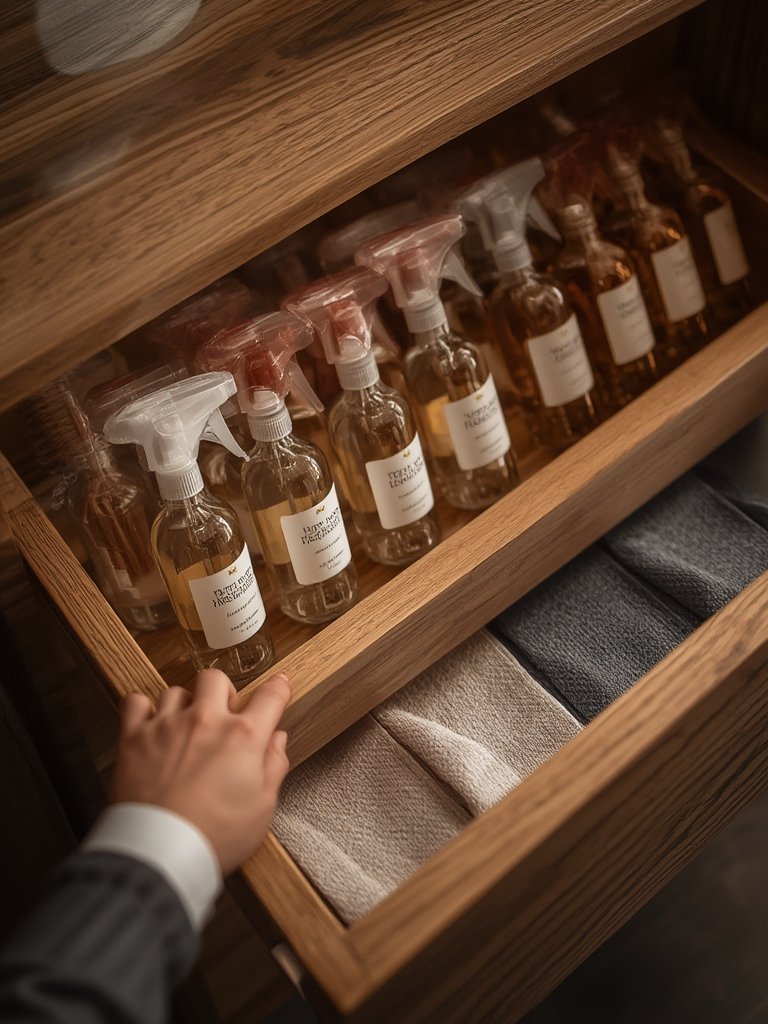
- Label & Zone: Use clear labels and dedicate each area for a category (e.g., “floor,” “bathroom,” “kitchen”). If you have children or pets, keep spray bottles in high or locked spaces.
- Maintain Regularly: Schedule a five-minute tidy-up every week or month. Quickly toss empty bottles, refill containers, and reset kits. This habit prevents the slow decline back into disarray.
For extra inspiration on organizing small spaces, see the latest small apartment organization tips.
If you’re looking to maximize every inch in your pantry, our readers love this pantry organization system guide. These approaches also work well for cleaning closet setups!
Advanced Analysis & Common Pitfalls
No organizing system is perfect. These are the real-world pitfalls to expect, along with practical advice on how to avoid them:
| Common Pitfall | Why It Happens | Prevention/Remedy |
|---|---|---|
| Outgrowing Your System | New products, family growth, or changes in cleaning habits. | Review and adjust every quarter. Donate/rotate unused items. |
| Overbuying & Duplicates | Unclear inventory, lost items in clutter. | Label and keep a simple running list taped inside the cabinet or on your phone. |
| Mixing Incompatible Chemicals | Poor separation of bleach, ammonia, etc., leads to toxic gas risk. | Always zone and never store incompatible products together. Reference guides from CDC guidelines for details. |
| Unsafe Storage | Supplies stored within reach of kids or pets. | Install simple cabinet locks or store items in secure containers at height. |
| Improper Container Choices | Glass jars break, baskets tip, lids mismatch. | Choose containers that suit both the products and your use habits. Stack sturdy bins or opt for locking caddies. |
| Forgetting About Expiration | Certain products lose potency or become hazardous when old. | Mark purchase dates or expiration on each bottle with a permanent marker. |
| Lack of Maintenance | Busy months lead to clutter and loss of system discipline. | Set calendar reminders and stick to fast, regular resets. |
Pay special attention to safety: Most cleaning product accidents are preventable with clear labeling, routine checks, and by securing dangerous items. The Consumer Product Safety Commission provides up-to-date poisoning and injury data for further reading.
If you want to go beyond supply storage, explore advanced kitchen organization with our curated kitchen organization ideas.
Conclusion
A cluttered cabinet or overcrowded shelf slows you down and can even put your household at risk. Cleaning supply organization is not about achieving Pinterest-level perfection—it’s about making your everyday life easier, safer, and less stressful by ensuring you can find and manage the tools you need. Start small, be consistent, and enjoy the benefits. If you’re ready to take the next step, take a look at our practical under sink organization strategies, or upgrade your pantry using these pantry storage solutions.
Get organized today—your future self will thank you every time you clean. To streamline your other kitchen routines, check out these essential kitchen tools recommendations.
FAQ
What is the most important rule for cleaning supply organization?
The most important rule is to keep cleaning products clearly grouped by category and always out of reach of children and pets. Safety and easy access come before aesthetics.
How often should I review and reorganize my cleaning supplies?
A quick check every month—and a deeper clean-out at least twice a year—will prevent overcrowding and help you identify expired or near-empty bottles in time.
What is the best storage option for small spaces?
Under-sink organizers, wall-mounted racks, or a portable cleaning caddy are ideal for tight quarters. See our guide for maximizing under-sink space for more ideas.
Are there risks in storing different cleaning chemicals together?
Yes, mixing chemicals like bleach and ammonia can be very dangerous. Always zone incompatible cleaners apart, and check labels for specific warnings.
How can I make sure my cleaning system actually lasts?
Keep it simple and easy to put supplies back after every use. Labeling zones, performing regular maintenance checks, and using visible containers all help.