
Food storage organization is the secret weapon behind a clutter-free kitchen, reduced food waste, and meals that stay fresher longer. Whether your pantry is spilling over or your fridge is a black hole for leftovers, learning how to organize food storage can save time, money, and stress.
Key Takeaways
- Proper food storage organization reduces waste, saves money, and makes daily cooking easier.
- Choosing the right containers, labeling, and strategic placement are critical for a sustainable system.
- Plastic lids may crack and stain, while glass containers and stackable solutions offer longer-term usability (source).
- The Core Concept: What Is Food Storage Organization and Why Does It Matter?
- Step-by-Step Guide: How to Organize Food Storage for Maximum Freshness and Space
- Advanced Analysis & Common Pitfalls
- Conclusion
- FAQ
The Core Concept: What Is Food Storage Organization and Why Does It Matter?
Food storage organization is the process of structuring how you store perishable and non-perishable foods across your kitchen and pantry. It goes beyond buying some containers; it’s a system for labeling, arranging, and maintaining your food so you always know what you have, what needs to be used first, and how to keep everything safe and fresh. Poor organization can lead to forgotten leftovers, expired goods, wasted money, and even food safety issues.
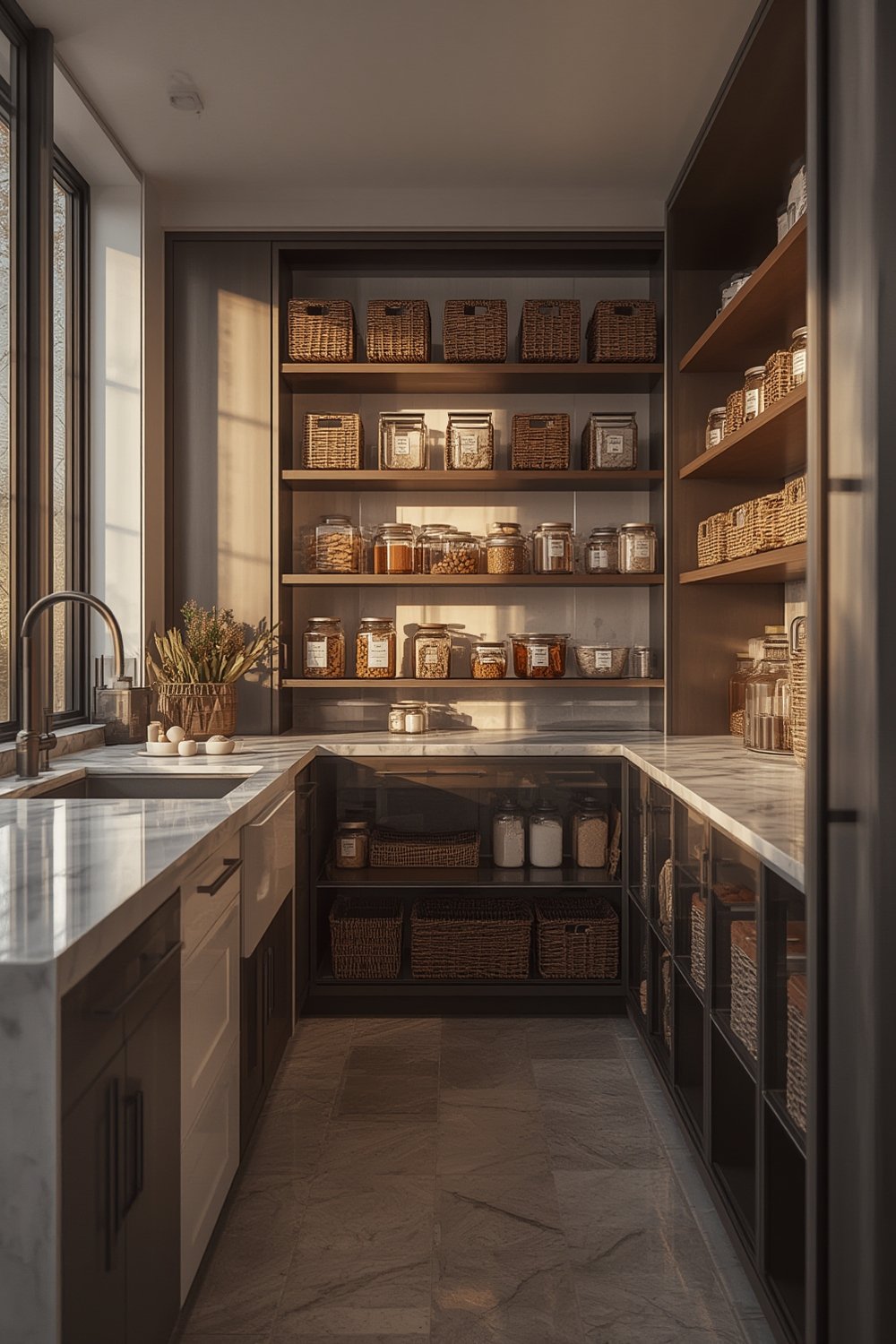
Good organization matters because:
- It extends the life of your groceries by reducing spoilage and waste.
- Your kitchen looks tidy and works more efficiently.
- Meal prep and cooking become less stressful when you can quickly find what you need.
Want even more ideas for maximizing your kitchen? Check out our Kitchen Organization Ideas for Small Spaces.
Step-by-Step Guide: How to Organize Food Storage for Maximum Freshness and Space
- Empty and Sort: Completely empty your fridge, pantry, or cupboard. Group items by category (grains, snacks, condiments, leftovers, etc.). Toss expired or questionable foods.
- Choose the Right Containers: Invest in containers suited for your needs. Glass containers are durable and don’t retain odors, but plastic containers are light and usually stack well. Air-tight containers keep food fresher, but as reviewers report, some plastic lids can crack or deform in the dishwasher over time (source).
- Label and Date Everything: Use masking tape or pre-printed labels to add names and dates. This is especially important for freezer storage—labels prevent mystery meals from haunting your next dinner.
- Zone Your Storage: Divide your fridge and pantry into “zones” by function. Keep similar items together—snacks in one place, breakfast foods in another, and so on. Tools like fridge organizer bins and pantry organization systems make this easy.
- Implement FIFO (First-In, First-Out): Move older items to the front when adding new ones. This method prevents forgotten cans, jars, or leftovers from expiring at the back.
- Stack and Align: Use stackable bins or lunch containers for vertical space efficiency. Consider stackable lunch containers if you meal prep or pack lunches regularly.
- Audit Regularly: Once a week, check for expiring items or half-used leftovers. Build this into your meal planning routine.
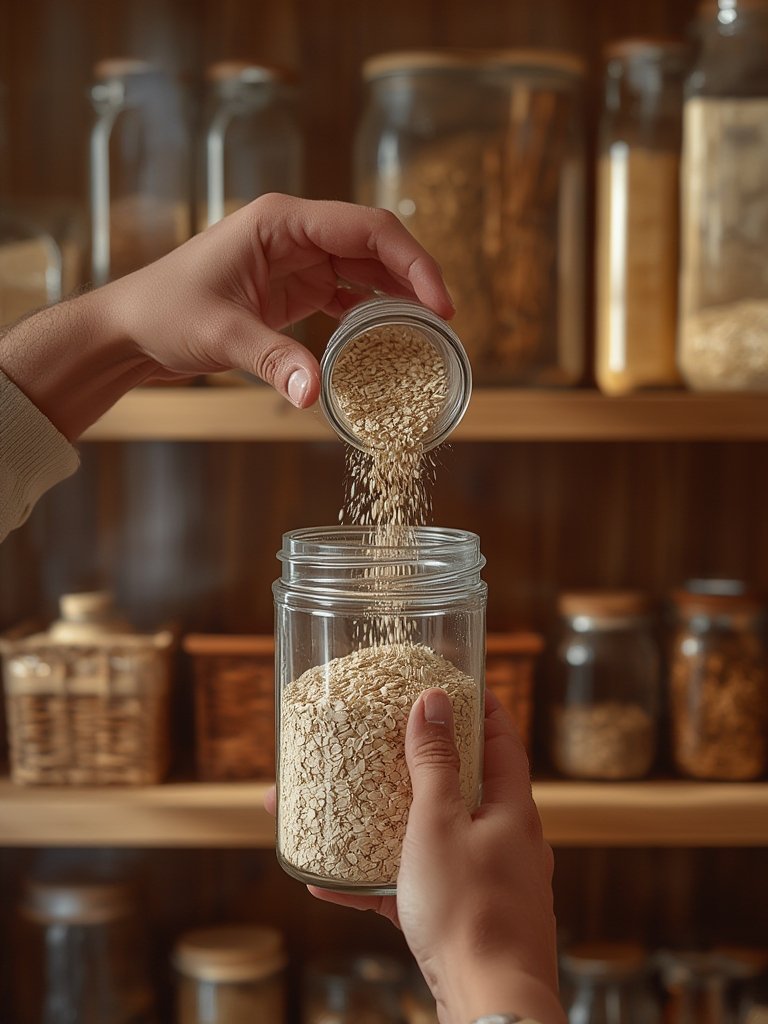
Need more space? Use space-saving kitchen gadgets or add drawer organizer inserts to unlock new storage in old spaces.
For organizing small pantries, our Pantry Storage Solutions Guide is packed with actionable advice.
Advanced Analysis & Common Pitfalls
Even with the best intentions, food storage organization comes with challenges. Here are the most common pitfalls that trip up new (and even experienced) home organizers, with a focus on findings from product testing and user reviews.
- Container Quality Issues: Some plastic storage container lids (such as those from popular brands) are prone to cracking after repeated dishwasher cycles or heavy microwave use. Staining from tomato-based sauces and lingering odors is common with certain plastics (source, source).
- Improper Sealing: Not all air-tight claims live up to real-world leaks, especially with off-brand or worn containers. Liquids may seep out in lunch bags or during storage. Testing often shows that glass containers with snap-lock lids outperform pop-top or “twist” designs (source).
- Over-stocking & Forgotten Leftovers: Cramming your fridge or pantry too full makes it hard to see what you have. Items get buried and forgotten, leading to unnecessary waste.
- Unlabeled Mystery Items: Skipping labels leads to food safety risks and guesswork—especially if you freeze precooked meals or frequently swap ingredients into reusable jars.
- Poor Placement: Storing high-turnover items in hard-to-reach places results in duplicate purchases. Baking soda behind the slow cooker? That’s how you end up with five boxes!
| Storage Type | Pros | Cons | Best For |
|---|---|---|---|
| Glass Containers | No odor retention, microwave/oven safe, durable, clear for visibility | Heavy, more expensive, breakable | Meal prep, leftovers, bulk storage |
| Plastic Containers | Lightweight, affordable, often stackable, many sizes | Lids may warp or crack, can stain, may retain odors | Snacks, dry storage, kid lunches |
| Silicone Bags | Flexible, reusable, eco-friendly, space-saving | May be harder to clean, can leak if not sealed tightly | Freezer, sous vide, travel |
| Stackable Systems | Maximizes vertical space, keeps shelves tidy, visually appealing | Not always versatile with odd-shaped foods, can be pricey | Pantry, grains, dry goods |
If you often find yourself running out of space, see our Kitchen Shelf Organization Guide for shelf hacks, or Fridge Organization Tips to boost freshness.
Conclusion
Organizing your kitchen with a food storage organization system pays off with less mess, less waste, and fresher food. Choose quality containers, label rigorously, and use zones and stacking to make the most of your space. Remember, even the best containers can have downsides, so invest carefully and review your system as your needs change.
Ready to transform your kitchen? Review your own food storage organization system today and try one new idea from this guide.
FAQ
What is the best container for food storage organization?
Glass containers are widely recommended for storing leftovers and meal prep due to their durability and lack of odor retention, while stackable plastic containers can be good for dry items. Long-term, glass tends to outlast plastic but costs more upfront (source).
How can I keep my pantry organized and clutter-free?
Use clear, stackable containers for grains and snacks. Label everything, implement a first-in-first-out rotation, and regularly check for expired goods. Zone your pantry by category, and use shelf risers or baskets for added organization. See more in our pantry organization ideas guide.
Are there any drawbacks to using plastic food storage containers?
Yes. Many plastic lids can deform or crack after repeated washing, especially in dishwashers. Some plastics may also stain from acidic foods and retain odors. Glass containers largely avoid these issues, though they’re heavier and breakable (source).
What should I do with leftovers to avoid waste?
Store leftovers in clear, air-tight containers and label them with the date. Place them where you can easily see them in the fridge. Plan to use them within a few days and add them to your meal plan. Find more fridge tips in our fridge organization tips guide.
Are there gadgets that help with food storage organization?
Absolutely. Drawer organizer inserts, fridge bins, stackable pantry containers, and even magnetic spice racks can maximize space and make food easier to find. For innovative solutions, see our space-saving kitchen gadgets guide.