

Minimalist home organization is rapidly becoming the go-to method for those seeking a calmer, more efficient living environment. Clutter piles up quickly, but by stripping away what’s unnecessary—and finding smart, sustainable ways to store what’s left—you unlock more space, less stress, and a home that feels intentional.
Key Takeaways
- Minimalist home organization focuses on cutting clutter and investing in quality storage to maximize both space and peace of mind.
- Demographic trends and market data show huge demand for flexible, eco-friendly, and tech-assisted storage solutions—especially among millennials, remote workers, and urban dwellers.
- Consistent maintenance, intentional purchasing, and adapting solutions for unique spaces are key to long-term success.
The Core Concept
Minimalist home organization is all about intentionally reducing the number of your possessions and creating a space where every item has a purpose and place. The goal? Fewer distractions, easier cleaning, and more room for what truly matters. Millennials are leading this shift by choosing streamlined, multi-use furniture and storage, while rising numbers of remote workers and urban renters want their homes to be adaptable and clutter-free. Market research shows Americans now see a tidy home as a critical factor for success. In 2025, seven out of ten people say a clutter-free home is their top priority—a mainstream shift, not a passing trend. Source.
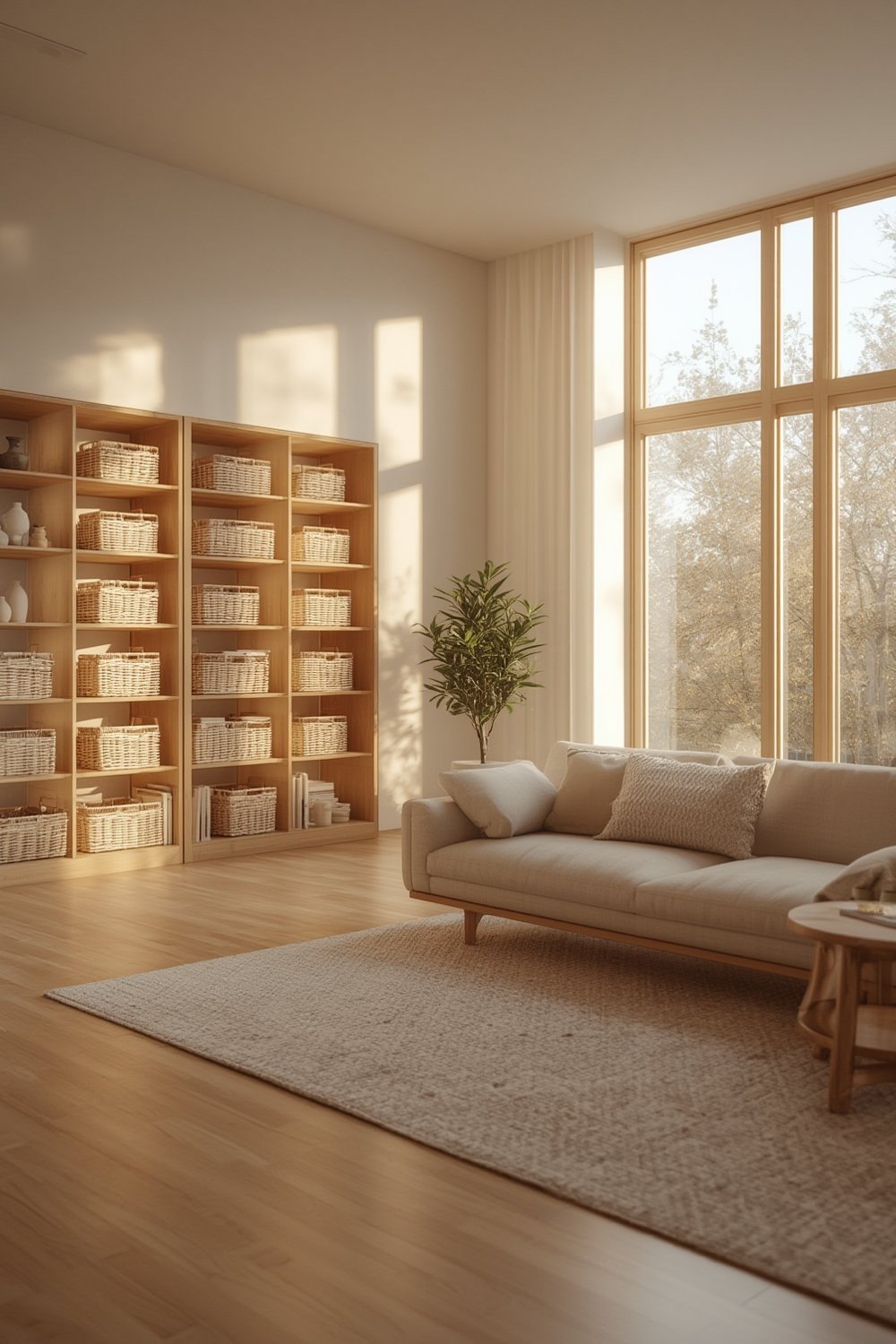
The minimalist approach means being selective—choosing quality over quantity. You cut back on impulse purchases, invest in better storage systems, and rethink every flat surface. The benefits include reduced stress, more efficient routines, and a neutral color palette that transforms even small apartments into calming retreats. To dive deeper into organizing smaller kitchens, see our kitchen organization ideas guide.
Step-by-Step Guide
Ready to get started? Here’s how to approach minimalist home organization in practical steps—no perfection or pricey makeovers required.
- Start With a Blank Slate — Empty one small area at a time—a drawer, a shelf, a countertop. Seeing it empty helps you visualize what’s essential. If you need extra encouragement, check out simple home organization hacks for getting started.
- Group & Edit — Place similar items together. Review each group and ask: Do you use this weekly, monthly, or only once a year? Keep daily and weekly items within reach; move rarely used ones to remote storage or donate them.
- Choose Smart Storage Solutions — Use stackable clear bins, modular shelving, or under-bed organizers to maximize space. Look for products that serve more than one function, like ottomans with hidden storage. For kitchens, tools like drawer organizer inserts or under sink organizers can make a world of difference.
- Label Everything — It might seem tedious, but clear labels on boxes or shelves make maintenance easier, especially for shared or family spaces. This step drastically cuts down search time and excuses.
- Establish a Maintenance Ritual — Set a 10-minute daily or weekly “tidy time.” Reset surfaces and high-traffic storage zones before mess piles up. Consistency matters more than marathon organizing sessions. Pro tip: Block the time in your digital calendar so you don’t forget.
- Adapt as You Go — Minimalist home organization is not set-and-forget. Revisit systems seasonally: swap out decor, rotate wardrobe items, and tweak storage setups for life changes.
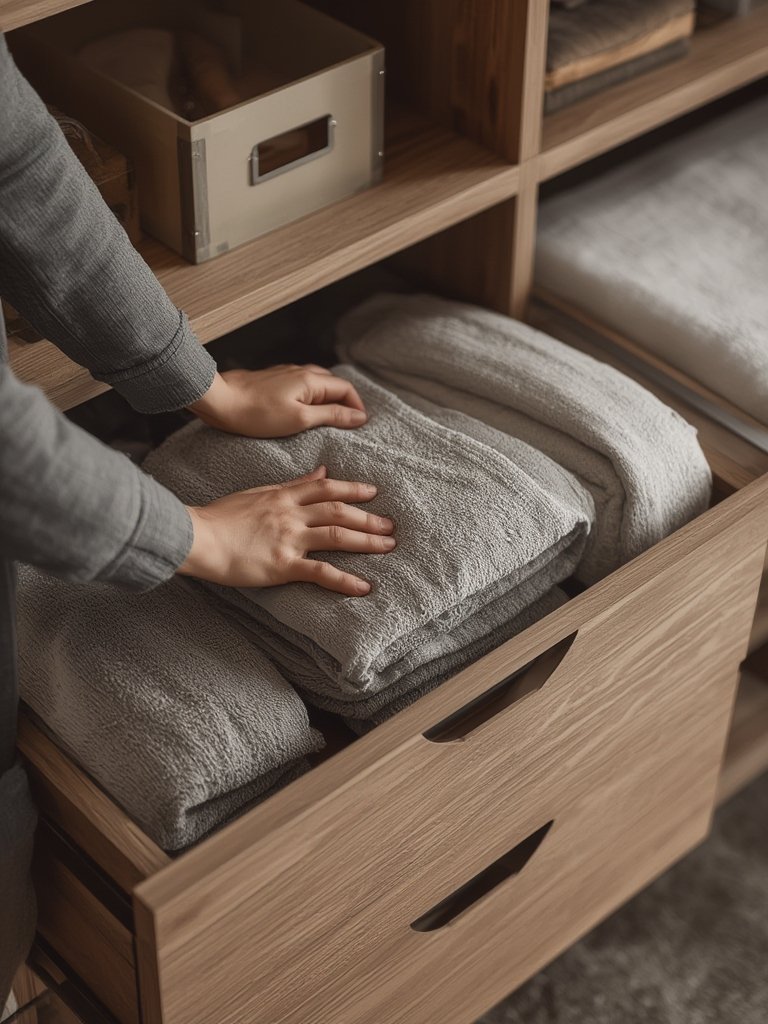
If you find kitchens and pantries especially tricky, you’ll appreciate specialized guides: see our pantry organization system and pantry storage solutions resources for more space-saving ideas.
For extra motivation, try timing yourself on small projects using a smart kitchen timer, or use vacuum storage bags for seasonal rotation in bedrooms and closets.
Advanced Analysis & Common Pitfalls
Even the best minimalist home organization tactics can run into problems. Here’s what market research—and real-world feedback—reveals as the biggest stumbling blocks:
- Maintenance Inconsistency — The biggest challenge is staying organized after the initial cleanup. Without routines, clutter slowly creeps back.
- Poor Storage Infrastructure — Cheap, flimsy boxes or overcrowded shelves defeat the purpose. Stats show 30% of Americans plan to upgrade their storage in 2025, pointing to widespread dissatisfaction with current solutions. Source
- Impulse Buying — Only 38% of people regularly limit purchases. That means most still bring home items they don’t truly need, making minimalism hard to sustain.
- One-Size-Fits-All Solutions — Off-the-shelf organizers don’t always suit unique spaces. There’s a demand for mass personalization and AI-assisted layouts, but these solutions are just emerging.
- Over-Decluttering or Extreme Minimalism — Some regret going too far and end up rebuying essentials. Minimalism should fit your lifestyle, not a rigid aesthetic standard.
- Lack of Adaptability — Life changes—new job, remote work, kids—can quickly outpace static setups. Modular and adjustable furniture wins here.
- Lack of Measurable ROI — There’s still little data on how much time or stress is actually saved weekly. This makes it hard for people to see the practical returns on their investment.
| Strategy | % of People Using | Common Pitfall | Simple Fix |
|---|---|---|---|
| Regular Organizing | 43% | Lapses over time | Set calendar reminders for short resets |
| Only Buying What’s Needed | 38% | Impulse shopping | One-in, one-out rule, or cooling-off periods |
| Better Storage Systems | 30% | Poor fit or low durability | Invest in modular and sturdy options |
| Keeping Stuff Together | 24% | Poor labeling, disorganization returns | Clear labels; color coding for families |
| Flat Surface Organization | 24% | “Drop zones” persist in entries/kitchens | Use trays and limit what’s stored out |
Many solutions exist but still lack eco-friendly focus, full customization, or dedicated office/remote work options—highlighted by the slow market adoption of sustainable and AI-supported designs (see demographic trends and market report for details).
Conclusion
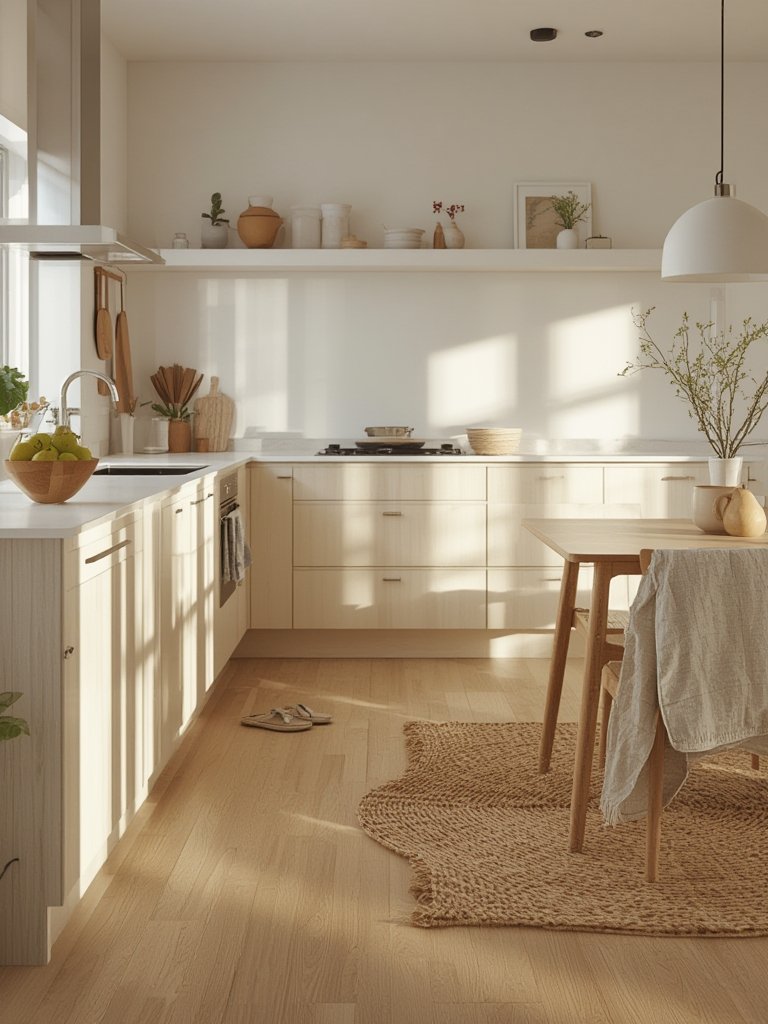
Minimalist home organization delivers both calm and control—if you make it fit your real life. Upfront work matters, but so does maintenance. Start small, invest in quality (not quantity), and adapt solutions as your home or habits change. Don’t chase perfection; aim for progress you can sustain. For more hands-on tactics, see our full home organization hacks breakdown, or explore inventive space-saving strategies in kitchen zones.
Ready to experience the benefits of minimalist home organization? Start now with one small space, and don’t be afraid to seek out custom solutions that truly fit your needs—your future self (and your living space) will thank you.
FAQ
Is minimalist home organization expensive to start?
No. You can begin with basic decluttering and use containers or boxes you already own. While premium modular storage can get pricey, many budget-friendly solutions—like stackable bins or repurposing existing furniture—work well for most homes.
How do I keep my home clutter-free long-term?
Set up daily or weekly reset routines (even just 10 minutes), stick to mindful purchasing habits, and make sure everything in your home has a dedicated place. Simple rules like “one-in, one-out” make habits stick.
Do I have to get rid of all my stuff to be ‘minimalist’?
No. Minimalism is about intentionality, not deprivation. Only let go of items that no longer serve you. Keep what you use or love, and store it in a way that makes life easier.
What are storage must-haves for small kitchens?
Look for under-sink caddies, drawer organizers, and vertical shelving. Our kitchen drawer organization and under sink organizer guides feature top product picks and space-maximizing layouts.
Which rooms should I organize first?
Prioritize areas with the biggest daily impact—kitchens, entryways, or whichever space causes the most stress. Small wins build momentum to tackle larger rooms later.