

Laundry room organization is a game-changer for keeping your home functional and clutter-free, especially when space is tight. Whether you’re working with a dedicated laundry room or making the most of a multipurpose closet, practical strategies can dramatically reduce stress and wasted time.
Key Takeaways
- Smart laundry room organization saves time, prevents clutter, and streamlines daily routines even in small or multipurpose homes.
- Most homeowners struggle with limited laundry space, traffic bottlenecks, and awkward layouts more than with lack of ambition or motivation.
- Efficiency gains often depend on creative, budget-friendly solutions—custom cabinetry is not always necessary for dramatic improvements.
- Understanding Laundry Room Organization
- Step-by-Step Guide: Maximizing Your Laundry Space
- Advanced Analysis & Common Pitfalls
- Conclusion
- FAQ
Understanding Laundry Room Organization
Laundry room organization is more than stacking baskets or folding towels. It’s about arranging tools, cleaning products, and appliances so that every inch serves a clear purpose. This is especially important when you don’t have much room or when your space doubles for storage, utility, or other tasks.
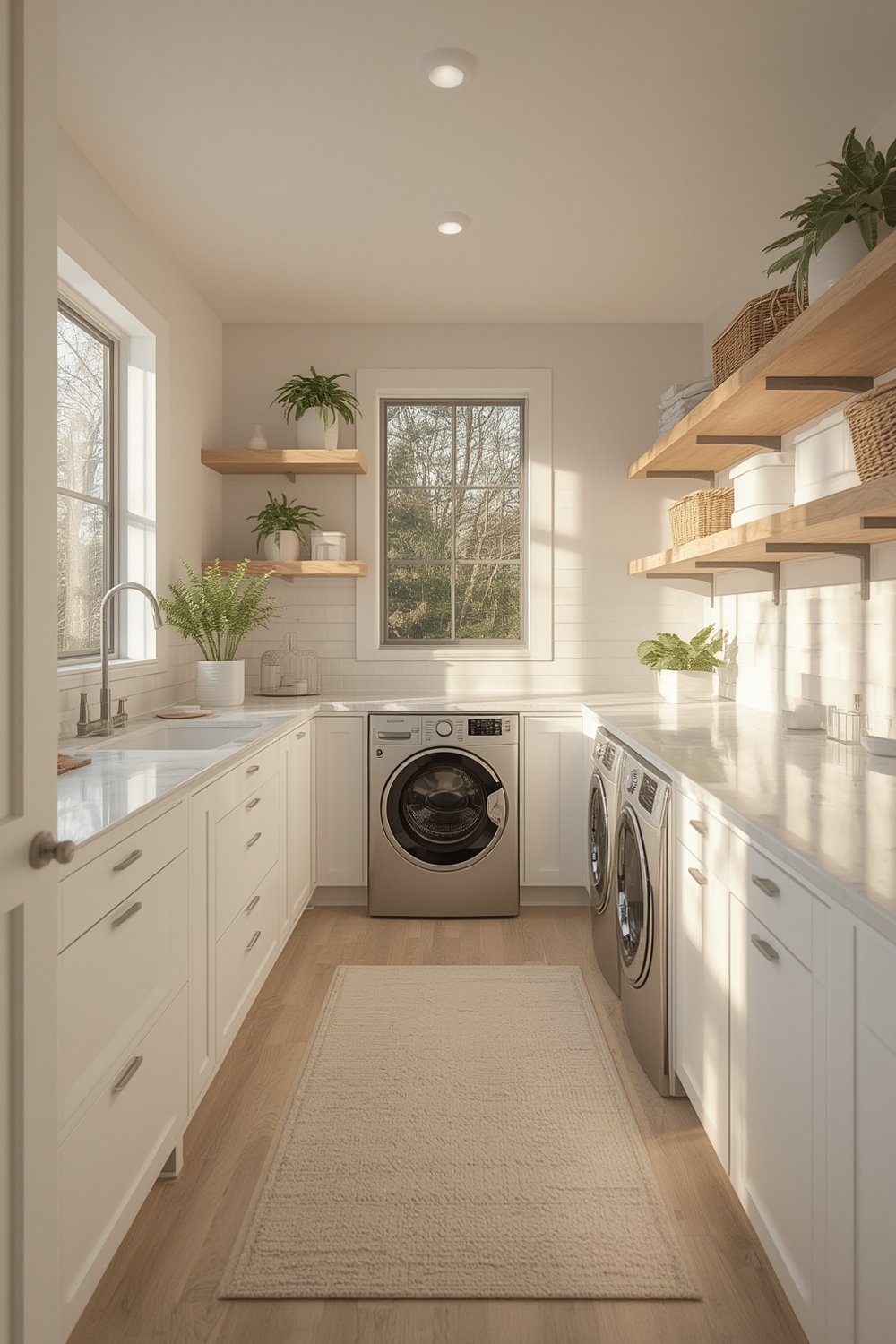
Why does it matter? Organized laundry areas save time and ease stress. According to UK surveys, almost half of households now have a designated laundry space, and interest is highest amongst younger adults. But simply having a laundry room doesn’t mean it’s efficient—or even usable—if clutter takes over, or if organization systems don’t fit your family’s needs.
Optimizing this space isn’t just about looks or fancy cabinetry. Practical, well-thought-out storage lets you sort, wash, dry, fold, and store with as little backtracking as possible. This applies whether you’re dedicating a closet, a part of your mudroom, or a full-sized room.
Step-by-Step Guide: Maximizing Your Laundry Space
- Assess your existing layout. Map out what’s working and what isn’t. Look for traffic bottlenecks, awkward corners, or areas where dirty and clean laundry mix. Multifamily homes often face issues with layout and machine placement, as highlighted by laundry system analytics.
- Declutter ruthlessly. Get rid of empty bottles, mystery socks, or excess hangers. If it’s not used weekly, reconsider its place.
- Zone your space. Use baskets or bins for “sort,” “wash,” “dry,” and “fold.” If space is tight, invest in vertical storage—stacked shelves, wall hooks, or over-door racks.
- Choose efficient storage solutions. Custom cabinetry can be pricey but isn’t necessary for big improvements. Wall-mounted shelves or wire baskets increase access while freeing floor space. For truly tiny spaces, try rolling carts or slim organizers that fit between appliances.
- Label everything to speed up the process and prevent items from getting lost. Simple, clear labels (or even a chalkboard wall) do the trick.
- Keep laundry essentials close. Store detergents, stain removers, and dryer sheets within arm’s reach of the machines.
- Regularly revisit your system. Adapt your organization as your family grows or routines change. What works with toddlers may not fit with teenagers or roommates.

Want to extend your organizing mindset? Ideas like those in our kitchen organization guide often apply just as well to a tiny laundry nook—think stacking bins, adjustable shelving, or slim rolling carts.
Even simple upgrades like drawer organizer inserts or under-sink organizers are perfect crossovers for maximizing awkward laundry room corners. These tools can also spark organization inspiration for other utility spaces.
Advanced Analysis & Common Pitfalls
Despite the appeal of aspirational laundry makeovers, real-life organization efforts can run into several common roadblocks:
| Pitfall | Why It Happens | How To Fix |
|---|---|---|
| Cramped Workflow | Trying to cram too much—detergents, bins, baskets—in a footprint that can’t handle it | Edit ruthlessly and use stackable/vertical items. See kitchen stacking in cabinet shelf risers for inspiration. |
| Dirty and Clean Items Mix | Lack of defined zones; overflow from other storage areas | Use clear bins with labels; keep dirty and clean storage physically separated |
| Traffic Bottlenecks | Appliance doors block paths or shelving hinders movement; seen in shared/multifamily layouts* | Opt for sliding or bi-fold doors; rethink shelf placement. Consider traffic flow carefully when rearranging. |
| Overspending on Custom Solutions | Belief that only custom cabinetry will fix the mess | Mix inexpensive solutions—wire baskets, modular shelves, repurposed kitchen storage—for equal impact; focus funds on durable essentials. |
| Neglecting Sustainability | Ignoring energy-efficient appliances or eco-friendly systems | Prioritize high-efficiency washers/dryers when upgrading; consider energy-saving laundry tech for long-term savings. |
Current research reveals that while an organized laundry space streamlines routines, no clear data links laundry organization itself to higher home prices or significant water/energy efficiency improvements. The gains come more from upgrading to high-efficiency appliances than storage tweaks alone*.
Homeowners get creative in the absence of standardized products. Trends like using woven baskets for aesthetics and modular racks for adaptability dominate, but detailed durability reviews are rarely published. If you’re worried about durability, focus on metal wire, quality plastic, or solid wood over fashionable, lower-quality pieces.
For renters or those with evolving needs, flexible solutions (like portable carts or over-the-door racks) will spare you regrets later—and can move with you.

Conclusion
Organizing your laundry area doesn’t require a massive budget or a full renovation. Simple decluttering, focused storage solutions, and clever hacks—like labeling or using stackable bins—deliver outsized benefits. Remember, the goal isn’t perfection: it’s making daily chores easier and more efficient. When you’re ready to tackle other clutter zones, our pantry system guide and home organization hacks deliver equally actionable advice.
Take the first step in your laundry room organization journey today. Tackle one bin or one shelf—big transformations start small.
Ready for a smarter, more organized home? Explore our space-saving kitchen gadget guides for more ideas you can implement right now.
FAQ
What’s the best way to organize a laundry room in a small space?
Work vertically: wall-mounted shelves, stacking bins, and hanging rods make a huge difference. Use over-the-door organizers for detergents, and slim carts for supplies. Borrow ideas from small apartment organization solutions.
Do I need custom cabinetry for effective laundry room organization?
No. While custom cabinetry looks great, modular or wire shelving, portable carts, and labeled bins can be just as effective—and much more cost-friendly for renters or those with changing needs.
Are there any products that increase both laundry storage and sustainability?
Energy-efficient washers and dryers are the most impactful for sustainability. When it comes to storage, choose durable materials—metal, recycled plastic, solid wood—that can be repurposed. For more, see industry trends on sustainable laundry tech.
What’s a common pitfall in laundry room organization?
Overcrowding—too many items in not enough space leads to chaos. Start by editing down your essentials, then use labeled, zone-based storage. For further help, our under sink organization guide offers good crossover tips.
How often should I reorganize or reassess my laundry room setup?
At least every six months, especially if your living situation or family needs change. Declutter seasonally and be open to shifting layouts or storage systems.