

Blog Post:
Countertop organization ideas can completely transform kitchen chaos into seamless, productive cooking spaces. When countertops double as junk drawers or get overwhelmed by appliances, not only does your kitchen look messy, it also makes meal prep stressful and cleaning a hassle. Clear, intentional countertop organization is essential for every kitchen—whether you own a home, rent an apartment, or want a low-maintenance and sustainable routine. Let’s go step by step, identify common mistakes, and give practical ideas you can actually use without fuss or frustration.
Key Takeaways
- Effective countertop organization focuses on minimizing clutter and maximizing usable prep space.
- Avoid costly mistakes: keep only daily-use items on display and invest in storage solutions that fit your kitchen and lifestyle.
- Simple changes—like reducing decorative items and adding small tools—save time and reduce cleaning loads.
- The Core Concept: What Makes Countertop Organization Work?
- Step-by-Step Guide: How to Organize Your Kitchen Counters
- Advanced Analysis & Common Pitfalls
- Conclusion
- Frequently Asked Questions
The Core Concept: What Makes Countertop Organization Work?
The heart of any successful countertop organization idea is all about functional clarity. Countertops are prime real estate in your kitchen—where you prep, cook, and sometimes store daily essentials. The problem? Many people turn their counters into “catchall zones” for unrelated clutter, rarely used appliances, and even desk supplies. This disrupts both the look and efficiency of your kitchen, making quick workflows impossible and daily cleaning harder.
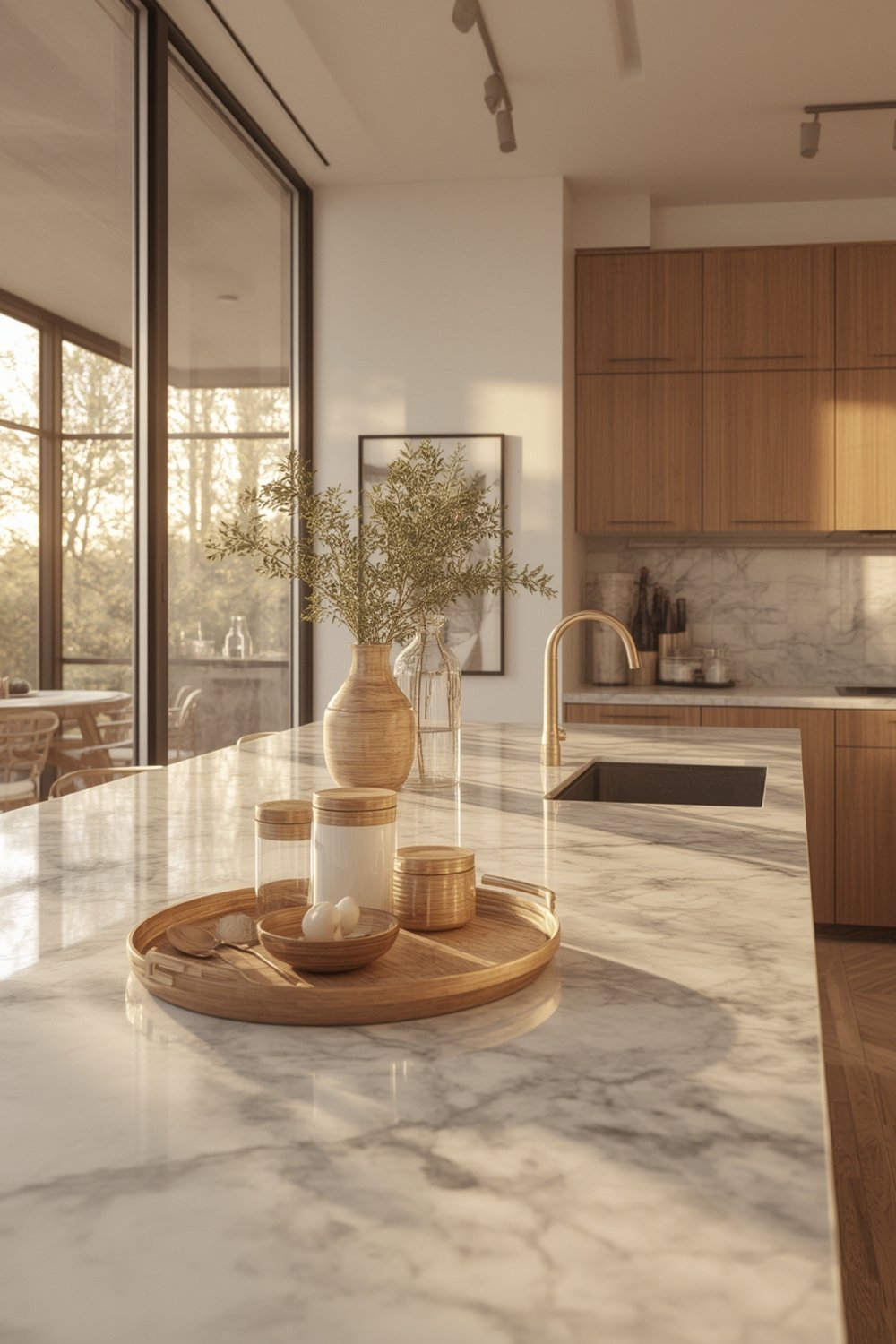
Intentional countertop organization means:
- Keeping only what you use every single day (think: coffee maker, toaster, or cooking oil) within arm’s reach.
- Storing everything else out of sight in deep drawers, appliance garages, cabinets, or drop zones.
- Eliminating non-kitchen items like mail, gadgets, and paperwork from your prep area completely.
This approach improves workflow, creates instant visual calm, and keeps maintenance simple. Designers consistently warn that treating your counters like a coffee table or storage shelf is the quickest path to kitchen chaos. If you want real, lasting results, think of your counter as a workbench: it should stay clear, actionable, and minimal by design.
Step-by-Step Guide: How to Organize Your Kitchen Counters
Ready for a reset? Use these actionable countertop organization ideas, whether you’re renovating or just tackling a weekend project:
- Clear Everything Off: Start with a blank slate. Remove every item from your counters—even decor and appliances. Wipe down all surfaces.
- Sort by Daily Use: Set aside only the items you absolutely use every day (like your coffee pot or tea kettle). Everything else—think slow cookers, stand mixers, blenders—should be relocated to cabinets, deep drawers, or freestanding utility shelves.
- Create Logical Prep Zones: Dedicate counter sections for key tasks—such as a coffee station or a meal prep zone. Store all related items together for fast access. For inspiration on gadgets that help streamline prep, check out solutions like the best space-saving kitchen gadgets.
- Limit Decor & Avoid Catchalls: Only display a maximum of 1-2 decorative items—ideally those that have double-duty function (like a pretty stoneware utensil crock that can go in the dishwasher). Avoid trays of trinkets, books, and open jars as they quickly turn into clutter magnets and collect dust.
- Make Use of Vertical Space: Consider adding shelves just above counter height (within easy reach), wall-mounted racks, or under-cabinet holders for items like paper towels. For renters, an under cabinet paper towel holder is simple to install and easy to remove.
- Contain and Divide: Use drawer organizer inserts, stackable bins, and clear countertop containers for the essentials. This is especially critical if you’re short on space—see these drawer organizer inserts for a clutter-free look.
- Do Weekly Mini-Resets: Every week, quickly reassess your counter space. Remove buildup, check for new clutter, and stow anything that’s migrated out of place. Treat it like a five-minute ritual to ensure long-lasting results.
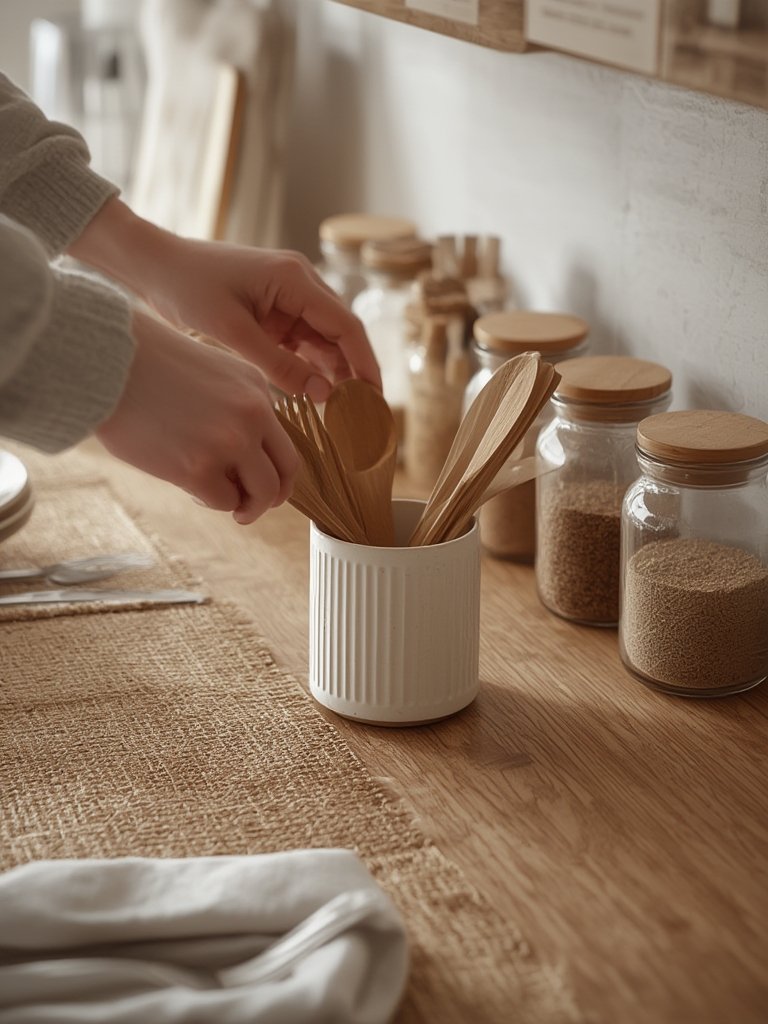
Looking to streamline meal prep further? Consider integrating a vegetable chopper to minimize countertop mess during cooking. For more renter-friendly options or small kitchens, explore our apartment kitchen gadgets guide.
Advanced Analysis & Common Pitfalls
Even the best countertop organization ideas can stumble due to these widespread mistakes. Here’s what the pros repeatedly warn about, based on recent reports and design interviews:
| Common Mistake | Why It Fails | Better Alternative |
|---|---|---|
| Treating counters as “coffee tables” | Leads to decorative clutter, dust, and lost prep space | Minimal decor, only functional items displayed (source) |
| Overloading with small appliances | Blocks workspace and increases cleaning needs | Store in deep drawers, use only daily on the counter |
| Open shelving over counters | Collects grease, steam, and dust—needs constant cleaning | Use enclosed cabinetry or appliance garages (source) |
| Turning counters into mail or device charging zones | Disrupts workflow and quickly attracts random clutter | Create a dedicated drop zone off the kitchen or use utility drawers |
| Ignoring material-specific care (e.g., tile with grout lines) | Grout attracts grime, making cleaning tedious | Use trays or mats for high-mess areas; avoid storing food items on tile counters (source) |
| Adding built-in desks/command centers in the kitchen | They attract paperwork, gadgets, never stay tidy, and consume essential prep space | Relocate home office features to non-cooking zones |
- Small kitchens demand even greater discipline. Stick to essentials—tools like a comprehensive set of cooking gadgets or a compact countertop microwave shelf can make a real difference.
- In rentals where drilling is off limits, favor adhesive shelves, movable carts, and over-the-sink cutting boards like these for no-damage upgrades.
- If sustainability is important, prioritize long-lasting materials such as glass, solid metal, or recycled stoneware for organizers. Skip plastic bins or containers if possible.
Experts agree that the benefit of an organized counter isn’t just about looks—it’s about time saved, less food wasted, and fewer headaches day-to-day. One designer’s case found that after just six months, a homeowner requested closed cabinetry for her open-shelf kitchen due to impossible cleaning demands and dust.
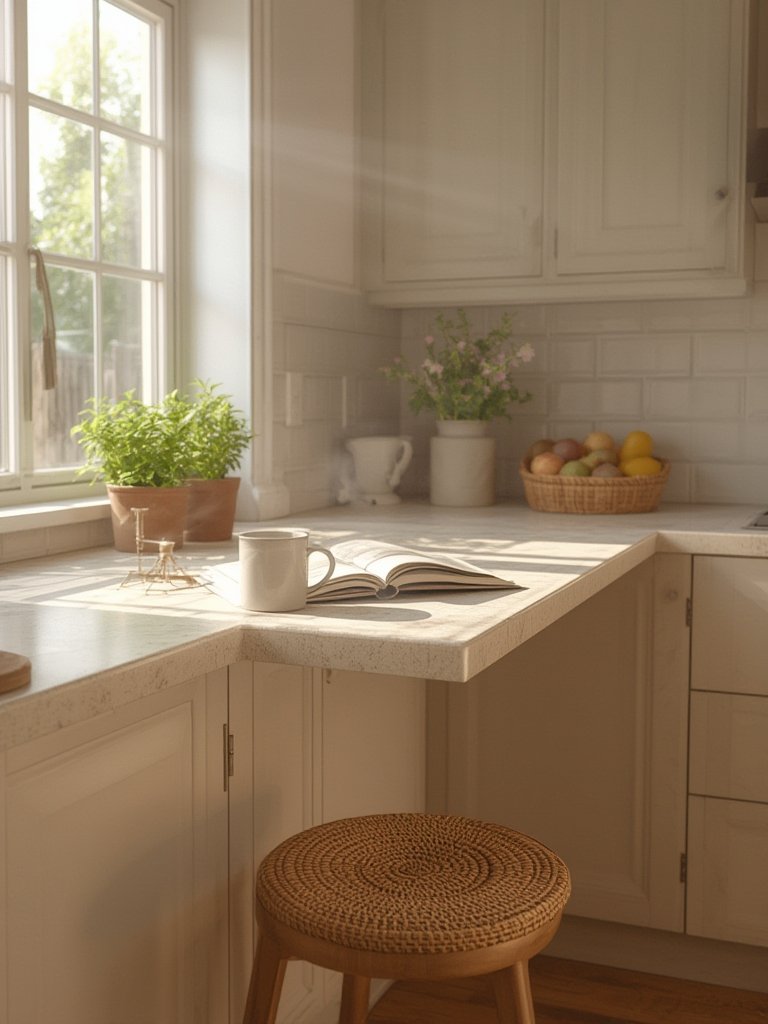
If you’re building a more advanced system, consider integrating these ideas with other kitchen organization ideas for small spaces or syncing your new layout with an existing pantry organization system to keep every surface working in harmony.
Conclusion
The real secret to countertop organization ideas that last isn’t expensive products or trending storage hacks—it’s being ruthless about what lives on your counters, choosing enclosed storage where possible, and doing regular resets to keep mess at bay. Skip trendy but high-maintenance open shelving and excessive decor. Start with daily use, work towards minimalism, and your kitchen will not only look better—it’ll work better too.
Ready to put these countertop organization ideas to use? Start your reset today, and explore the linked guides above for the best tools to maintain your space for the long term.
Frequently Asked Questions
How do I keep my countertops clutter-free every day?
Only leave out items you use daily, and make it a habit to do a quick five-minute reset before bed—wipe surfaces and put stray objects away.
What’s the best way to store small appliances I use occasionally?
Use a deep drawer, a cabinet with a pull-out shelf, or invest in an appliance garage—these options keep bulky items within reach but out of sight.
Are there rental-friendly countertop organization ideas that won’t damage the kitchen?
Yes. Try stick-on hooks, portable storage carts, over-the-sink cutting boards, and under-cabinet paper towel holders. No drilling required and everything is removable.
How do I organize my counters in a small kitchen?
Edit down to essentials, make use of vertical space with wall-mounted or under-cabinet storage, and keep only one small appliance out at a time. Stackable bins and organizer inserts also save space.
Should I use open shelves above my counters?
Avoid open shelving for everyday kitchen items near cooking and prep zones. They collect dust and grease, requiring frequent cleaning—a closed cabinet is much easier to maintain.
—