

Blog Post:
Spice rack organization is a kitchen upgrade that pays off every single meal, making it easy to find what you need fast and keep your counters clutter-free. If you constantly dig through crowded cupboards or lose track of expiration dates, it’s time for an actionable, modern organization system. Here’s exactly how to make it happen—with zero fluff.
Key Takeaways
- Effective spice rack organization maximizes visibility, accessibility, and freshness for all your seasonings—no matter the size of your kitchen.
- The best systems for 2024-2025 are flexible, renter-friendly, and account for space constraints, installation issues, and environmental factors.
- Failing to organize spices can waste both money and time, but a smart approach fixes common problems like overcrowding, lost items, and stale ingredients.
The Core Concept
Spice rack organization is more than just lining up jars. It’s about building an intuitive, space-efficient storage system that fits your kitchen, supports your cooking habits, and keeps your spices fresh longer. When done right, it prevents the daily scramble for the right jar, reduces waste from expired or redundant spices, and transforms spice storage from a headache into a highlight of your kitchen design.
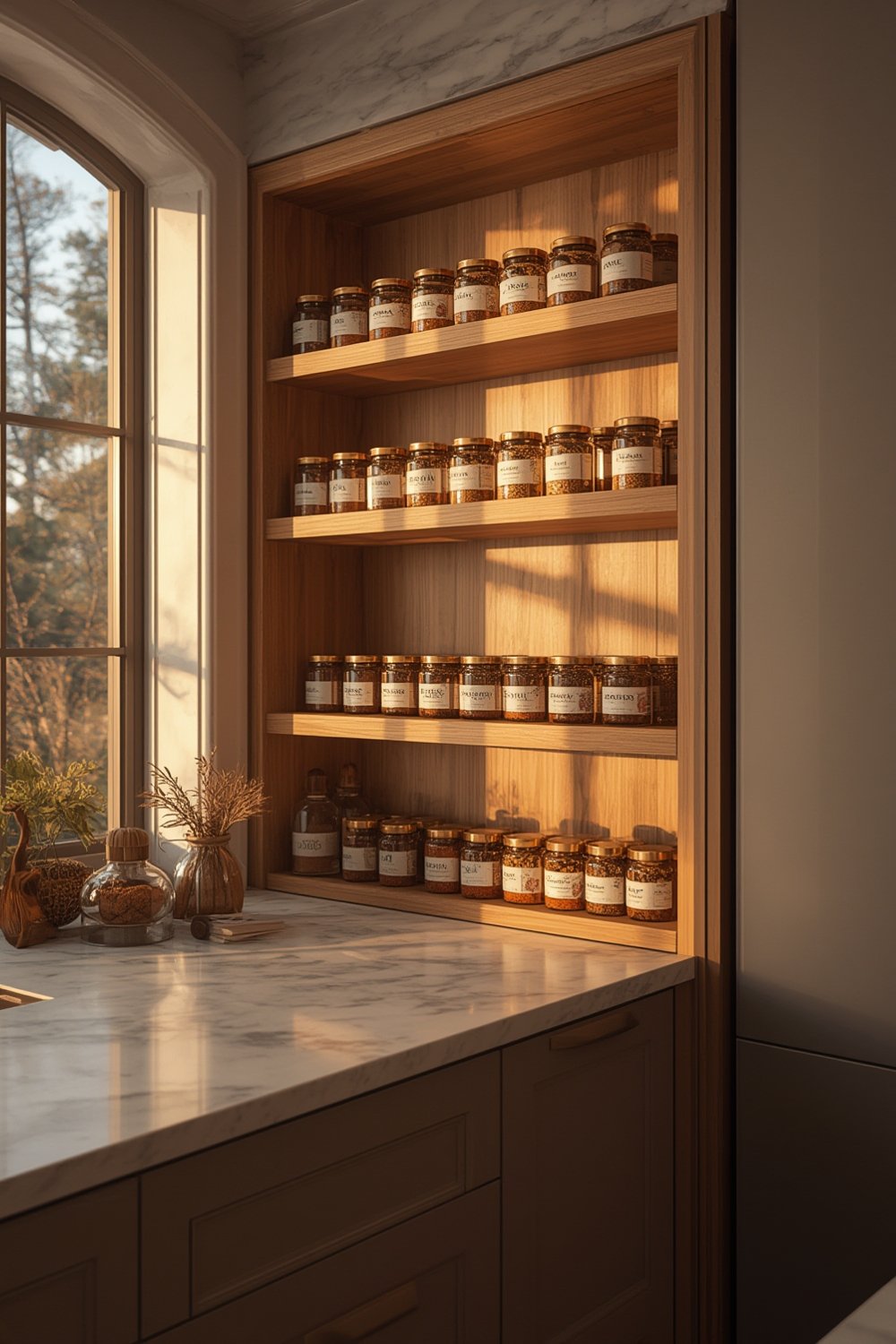
Whether you have a small apartment kitchen or a walk-in pantry, the fundamentals are the same: maximize visibility, ensure easy access during meal prep, and adapt systems for your available space. The latest trends—like modular carousels and no-drill racks—are now designed to fit even the trickiest setups and meet the needs of renters.
If you’re looking to tackle bigger kitchen organization projects, check out these small-space kitchen organization tips for more ideas.
Step-by-Step Guide
- Take Inventory and Declutter
Remove all your spices and group them by type, frequency of use, and expiration date. Toss old or duplicate jars. If you have specialty blends or rarely used seasonings, set them aside or store them on a higher shelf.
- Choose the Right Organizer System
Match your kitchen’s layout and your cooking style with the best modern organizer:
- Space-saving carousels maximize vertical space—ideal for tight counters or small cabinets.
- Pull-out racks work inside deep cabinets, eliminating the need to reach into dark corners.
- Wall-mounted or door-mounted racks are great for freeing up counter and cabinet space.
- Drawer inserts keep labels visible and everything within reach if you have a spare drawer.
Modular, expandable options allow you to scale up as your collection grows. For a full review of modern rotating systems, see these highest-rated spice organizers.
For renters and those who avoid wall holes, try no-drill racks or freestanding units. You can discover more on the latest renter-friendly gadgets in this guide to apartment kitchen gadgets. - Optimize Placement for Efficiency
Store your most-used spices in the most accessible location—next to the stove or prep area. Rarely used or bulk items can go higher up or toward the back. Use steps, risers, or tiered systems to display labels at a glance and prevent hidden jars.
- Label and Standardize Jars
Consistent labels make identification fast. Transfer spices to uniform containers if possible—they’re easier to line up and stack. Create custom labels, or use pre-made label sheets. Make sure expiration dates remain visible or are noted on the label.
- Maintain Freshness with Proper Storage
Keep spices away from direct sunlight, heat, and moisture. Avoid the temptation to store spices above the stove—even if it’s handy, the constant exposure to warmth and humidity degrades quality. Whenever possible, use racks inside cabinets or drawers instead of the countertop. For ideas that address both space and food quality, compare with glass food storage containers for other preservation tips.
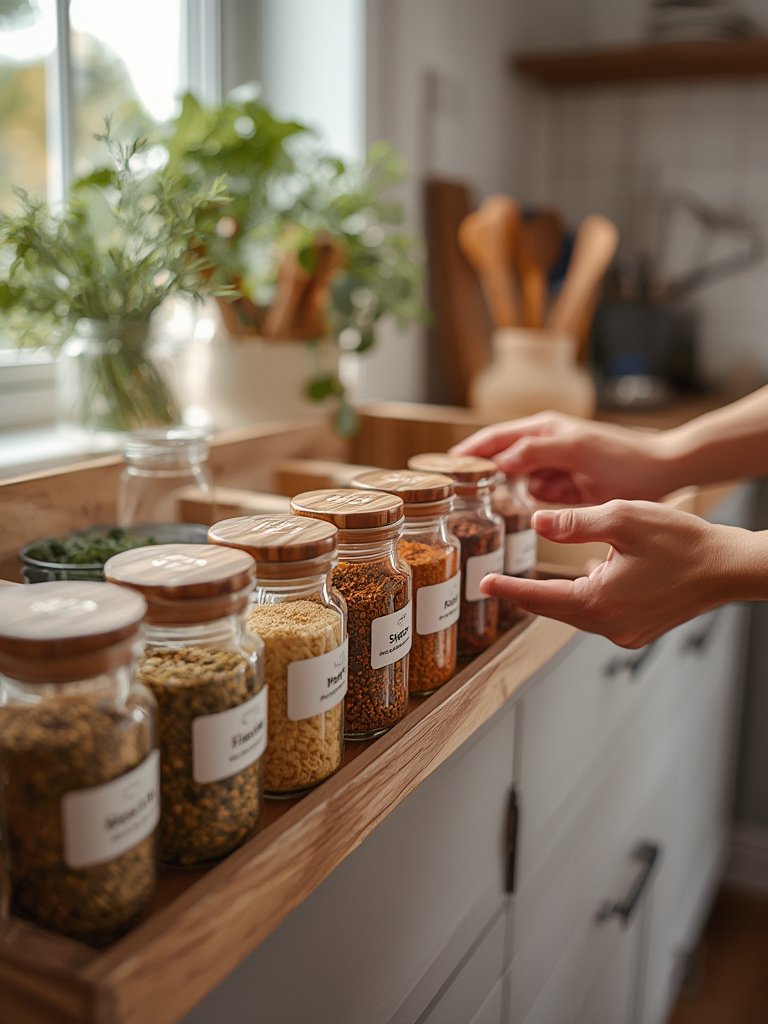
Once your system is in place, make a habit of reorganizing twice a year. This prevents clutter from creeping back and helps you spot what needs replacing. For step-by-step checklists for bigger kitchen organization wins, see our guide on building a pantry organization system and kitchen drawer organization techniques.
Advanced Analysis & Common Pitfalls
Even the best system can run into pitfalls without careful planning. Here’s what real users often struggle with:
- Limited Space: Overcrowded cabinets and small kitchens make stacking inevitable. Under-shelf racks can save space but might sacrifice storage for larger items underneath. Consider door-mounted racks or compact carousels to address this.
- Poor Visibility: Spices hidden in deep shelves or behind other jars are easily forgotten. Use tiered or pull-out systems to keep everything within sight.
- Container Inconsistency: Spices in different-sized jars result in wasted space and toppled rows. Invest in uniform bottles or at least group similar sizes together.
- Climate Effects: Humidity and heat—especially near the oven—can make spices clump or lose their flavor faster. Store your spices away from appliances, ideally in a cool, dark cabinet.
- Installation Errors: Wall-mounted and under-cabinet organizers often require precise measurements. Skipping this step leads to racks that don’t fit or damage cabinetry. Use a paper template if possible.
- Ignoring Usage Habits: Storing rarely used spices up front slows down meal prep. Organize by frequency and cuisine type for efficiency.
| Pitfall | Cause | How to Avoid |
|---|---|---|
| Stacked/Hidden Spices | Overcrowding, no tiers | Use tiered, pull-out, or rotating systems |
| Installation Difficulties | Incorrect measurements, poor templates | Measure ahead; use paper templates |
| Spoiled Spices | Humidity, sunlight, proximity to stove | Store in cool, dark, dry places |
| Lost Track of Expirations | No labels, mixed systems | Use clear labels, note expiration dates |
If space is extraordinary tight, check out space-maximizing recommendations in our dedicated guide.
Best-in-class organizers for small kitchens include compact carousel towers and no-mount shelving units—each praised for simple installation and effective use of vertical surfaces [source].
Conclusion
Mastering spice rack organization means no more wasted afternoons looking for oregano, less spoilage, and a smoother cooking routine. The key is to match modern storage innovations with your space, install with care, use labels, and think about your kitchen’s climate. Whether you’re in a rental studio or a large home, you can build an efficient, flexible, and attractive system—one that works day after day.
Ready to take your spice rack organization to the next level? Start small, measure carefully, and choose a system tailored to your actual use. Want more ways to streamline your kitchen? Check out these pantry storage tips for further inspiration.
FAQ
What is the best way to organize spices in a small kitchen?
Use vertical space with wall-mounted racks or tiered carousel towers. Look for no-drill or freestanding solutions if you’re renting, and group your most-used spices within reach. Read more in our guide to apartment kitchen gadgets.
How do I keep spices fresh for longer?
Store spices in a cool, dark, and dry place—avoid over the stove or next to dishwashers. Use airtight containers and label each jar with expiration dates. Glass jars are preferred for less moisture exchange over time. See more freshness tips.
Are there renter-friendly spice storage solutions?
Yes. No-mount carousels, foldable organizers, and door-hanging racks need no drilling or permanent fixtures. These are movable and adjustable for any kitchen.
What’s the best strategy to keep track of spice expiration dates?
Use clear labels with the expiration date on top. Some systems come with pre-made labels. For store-bought jars, write the expiration date in permanent marker if it isn’t easy to spot.
Can I use magnetic spice racks if I have limited space?
Absolutely. Magnetic spice tins on the fridge or a metal backsplash free up both cabinets and counters. It’s a top recommendation for micro-kitchen setups. Learn more in our Magnetic Spice Rack Guide.
—