

Pantry organization ideas are in high demand as kitchens get smaller and food costs rise. If your shelves are cluttered or you’re always losing track of what’s in the back, you’re far from alone. Smart organization isn’t just about pretty Pinterest photos—it can save you money, reduce stress, and help you eat healthier every week.
Key Takeaways
- The pantry organization market is booming, reaching nearly USD 137.36 billion globally in 2024, driven by health, efficiency, and online shopping trends.
- Glass containers and cabinet organizers maximize food freshness, efficiency, and space—adoption outpaces traditional storage methods.
- Strategic grouping, clear labeling, and frequent inventory checks deliver the most realistic and sustainable results, with a focus on practicality over perfection.
- Understanding Effective Pantry Organization Ideas
- Step-by-Step Guide to Organizing Your Pantry
- Advanced Analysis & Common Pitfalls in Pantry Organization
- Conclusion
- FAQ
Understanding Effective Pantry Organization Ideas
Effective pantry organization ideas are more than quick-fix hacks or aesthetic upgrades. They focus on lasting systems that make it easier to see, access, and preserve food while maximizing every inch of your shelves and drawers. Recent data show that the market for kitchen storage and pantry organization products is expected to surge from USD 137.36 billion in 2024 to USD 182.08 billion by 2030 (source). The growth is fueled by a switch from plastic to glass storage containers, and by a sharp increase in modular cabinet organizers designed for quick access.
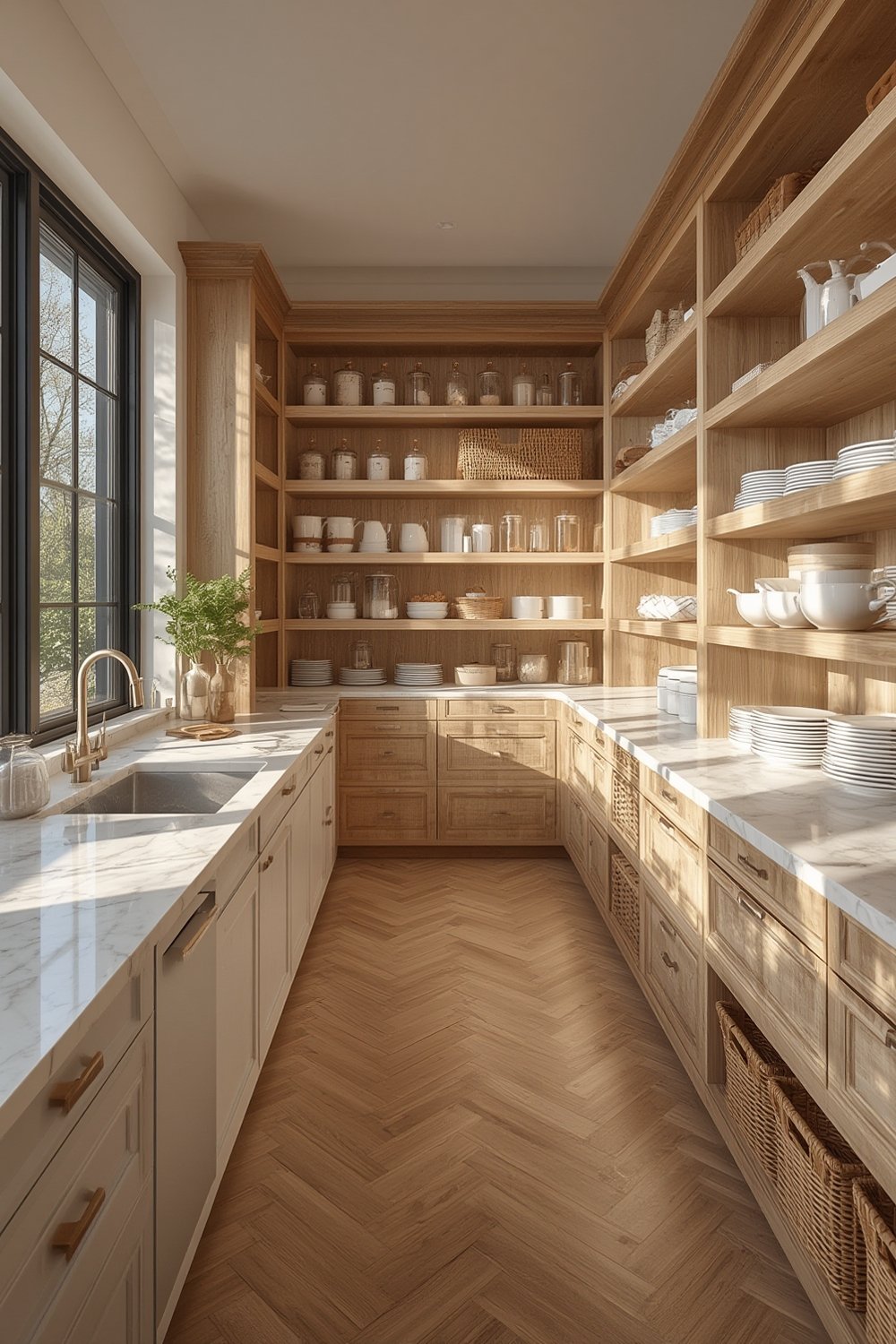
Pantry disorganization often leads to wasted food, shopping doubles, and last-minute stress. Glass containers, which are seeing a 5.3% CAGR growth, offer a major advantage for food preservation and health. The rise of online sales (growing at 11% CAGR through 2030) also makes organizing tools more accessible than ever. If you want to make meals easier and less stressful, building a system that fits your real-life habits—not just looks good in photos—is critical.
Step-by-Step Guide to Organizing Your Pantry
Ready to put practical pantry organization ideas to work? Here’s a straightforward, actionable plan:
- Empty and Clean: Take everything out. Wipe shelves with an all-purpose cleaner and dry completely. This reveals unused corners and hidden expiration dates.
- Sort and Group: Arrange foods by category (grains, baking, snacks, spices, canned goods). Use broad categories for families or roommates, narrower ones for solo cooks.
- Purge Ruthlessly: Discard expired food and anything you realistically won’t use. Unopened, non-perishable items in-date can be donated.
- Choose the Right Containers: Invest in glass storage containers when possible—they preserve freshness and are easy to see from all sides. Cabinet shelf risers, lazy Susans, and clear bins boost access for awkward corners.
See our detailed guide on glass food storage containers for more. - Label Everything: Use a label maker or permanent marker. Add purchase and expiration dates for bulk goods.
- Store Strategically: Place everyday items at eye level. Reserve hard-to-reach spots for surplus, duplicates, or seasonal foods. Kids’ snacks and breakfast items belong on lower shelves.
- Maintain Weekly: Do a quick 5-minute tidy and inventory before shopping. Rotate older items forward to use first.
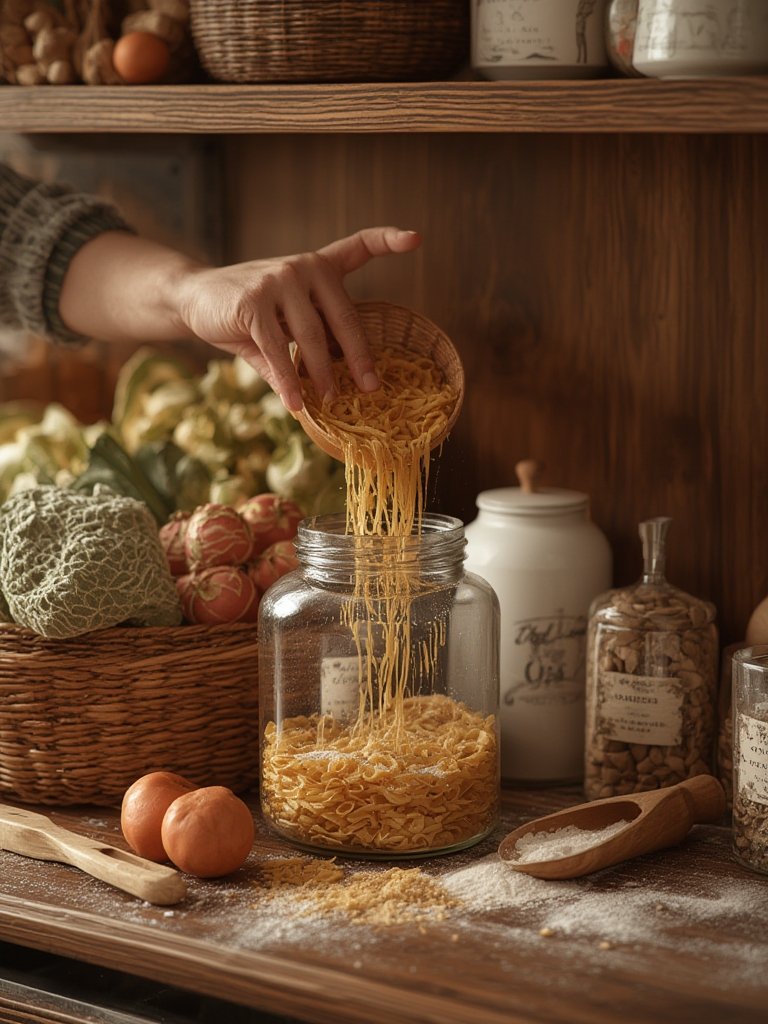
If you have deep cabinets or small kitchen space, upgrade with drawer organizer inserts and use cabinet shelf risers for easy, affordable vertical stacking. Consider modular bin systems for staple foods—this supports meal prep, reduces re-buying, and keeps everything visible. For more kitchen-wide strategies, check out our space-saving kitchen gadgets guide.
Advanced Analysis & Common Pitfalls in Pantry Organization
While social media makes pantry organization look flawless, reality is messier. Below are authentic challenges outlined by data along with strategies to avoid costly mistakes.
- Mismatch Between Container and Shelf Size: Buying oversized containers or bins that do not fit shelves is a frequent headache. Measure before purchasing—especially depth and height.
- Labeling Fatigue: Complicated labeling systems often fall apart after a few weeks. Stick to simple, legible labels and limit the number of categories.
- Neglecting Hidden Food: Deep shelves or opaque containers can trap and hide food, leading to waste. Use clear storage and shelf risers to maintain visibility.
- False Sense of Security with Airtight Lids: Not all containers are truly airtight, which can lead to spoilage, especially for baking staples.
- Impulse Buying of Trends: Viral gadgets (like “aesthetic” bins or complex drawer dividers) can backfire if they don’t suit your space or habits. Start with basics; upgrade over time.
| Storage Solution | Best For | Potential Pitfall | Market Growth (CAGR) |
|---|---|---|---|
| Glass Containers | Food freshness & visibility | Breakable if dropped, heavy on upper shelves | 5.3% [source] |
| Cabinet Organizers | Maximizing space, quick access | May not fit standard cabinets | 6.0% [source] |
| Wire Bins & Lazy Susans | Awkward corners, group snacks | Small items fall through, noisy to spin | Not specified |
For renters or those with very limited pantry footprint, pantry organization system upgrades can transform even the smallest setups into functional, repeatable routines. To further streamline your efforts, read about home organization hacks that cross over from pantry to laundry to closets.

Conclusion
Smart pantry organization ideas start with matching your storage system to your real needs, not just chasing the latest trends. Glass containers and well-chosen shelf organizers boost food life and make prepping meals easier. Real-world systems depend on regular touch-ups and visible, accessible storage. If you’re ready to take the first step, pick one simple swap or upgrade today—your future self (and wallet) will thank you. Try one of these pantry organization ideas and see what a difference it makes for your kitchen.
FAQ
What storage containers work best for pantry organization?
Glass containers consistently outperform plastic for food freshness, durability, and safety. Pair with modular bins and drawer inserts for the highest level of efficiency and visibility.
How often should I reorganize my pantry?
A thorough clean-out twice per year is ideal, with quick weekly inventories to keep everything on track.
Can I organize a small pantry without major renovations?
Yes. Focus on vertical space with shelf risers, slim rolling carts, and clear bins. Most improvements don’t require tools or permanent fixtures.
What should I avoid when organizing my pantry?
Avoid buying containers before measuring. Stay away from overly complicated systems that are hard to maintain and always prioritize visibility of what you actually use day to day.
Is there a cost-effective way to get started?
Absolutely. Use repurposed glass jars, basic labels, and shelf dividers to make a big impact with minimal upfront investment.