

Kitchen organization ideas can instantly transform even the smallest, most cluttered apartment kitchen into an efficient, comfortable workspace. Urban living means kitchens get smaller each year, so maximizing every inch of your kitchen is no longer a luxury—it’s a must. If your counters are always full, your cabinets are impossible to navigate, or clutter stresses you every time you cook, it’s time for some realistic, actionable solutions that actually work.
Key Takeaways
- Small kitchens demand efficient, systematic organization—think beyond pretty Pinterest photos and focus on what fits your lifestyle.
- Combining zoning strategies, appliance rotation, and modular vertical storage helps reclaim space and reduce daily stress without major renovations.
- Not every trending product works for every space; smart planning and trade-offs are essential to avoid wasting money and creating new hassles.
- What Is Kitchen Organization—and Why Does It Matter?
- Step-by-Step Guide: How to Organize a Small Kitchen Like a Pro
- Advanced Analysis & Common Pitfalls
- Conclusion
- FAQ
What Is Kitchen Organization—and Why Does It Matter?
Kitchen organization is more than clearing counters or neatly stacking plates—it’s a way of making the most of every cubic foot, especially in small city apartments. The reality is that most urban kitchens in the US, especially in NYC, are under 100 square feet and packed with odd corners, oversized appliances, and competing uses. Recent studies place the average new city-kitchen under 70-100 square feet, with a third of that blocked by doors or walkways. Even in new builds, cabinet volume is often limited, and counter zones are interrupted by sinks and stoves, making traditional “triangle” layouts almost impossible.
Today’s kitchens also function as home offices, entryways, and social spaces. This creates more clutter, more small appliances for every job, and more surface “stuff” that can turn a dream space into a daily frustration, especially for renters who can’t remodel.

Organization in a modern kitchen is about predictability, flexibility, and workflow. It starts with understanding your pain points: not enough prep space, hard-to-reach cabinets, small appliances ruling the counters, and visual clutter that makes you dread cooking. Smart kitchen organization ideas directly address these real-world problems—even if you can’t gut renovate.
Step-by-Step Guide: How to Organize a Small Kitchen Like a Pro
- Start with “Depth Zoning” for Cabinets and Shelves
Label each shelf or cabinet into three depth zones: front (daily items), middle (weekly), back (rarely used). Place breakfast bowls, your favorite skillet, or daily utensils right at hand. Less-used baking pans and gadgets go towards the back. This no-cost zoning eliminates “cabinet dead zones” without buying expensive pull-outs. Example: For an upper shelf, coffee mugs and lunch containers at the front, seasonal pitchers at the far back. - Declutter—But Smarter, Not Harder
Instead of purging everything at once, focus on categories that cause daily friction. Move single-use gadgets, like rarely-used vegetable choppers, into storage bins or high shelves. For high-clutter categories, see our Pantry Organization System guide for tips on grouping dry goods. - Implement Appliance Rotation
Only keep 1 to 3 “active” countertop appliances out at a time, based on your current cooking patterns. Rotate these weekly or monthly. Box up the slow cooker if you’re not making stews, or store the blender when not smoothie season. This dynamic method instantly frees counter space, no construction needed. - Transform Vertical and “Transitional” Zones
Use modular rails, adhesive hooks, or pegboards to outfit the backsplash, cabinet sides, and even the backs of doors as connected storage grids. This massively expands what you can store and keeps the counter clear. Aim for a coordinated look—mixing too many systems can increase visual chaos. - Use Portable, Stackable Storage Where It Matters Most
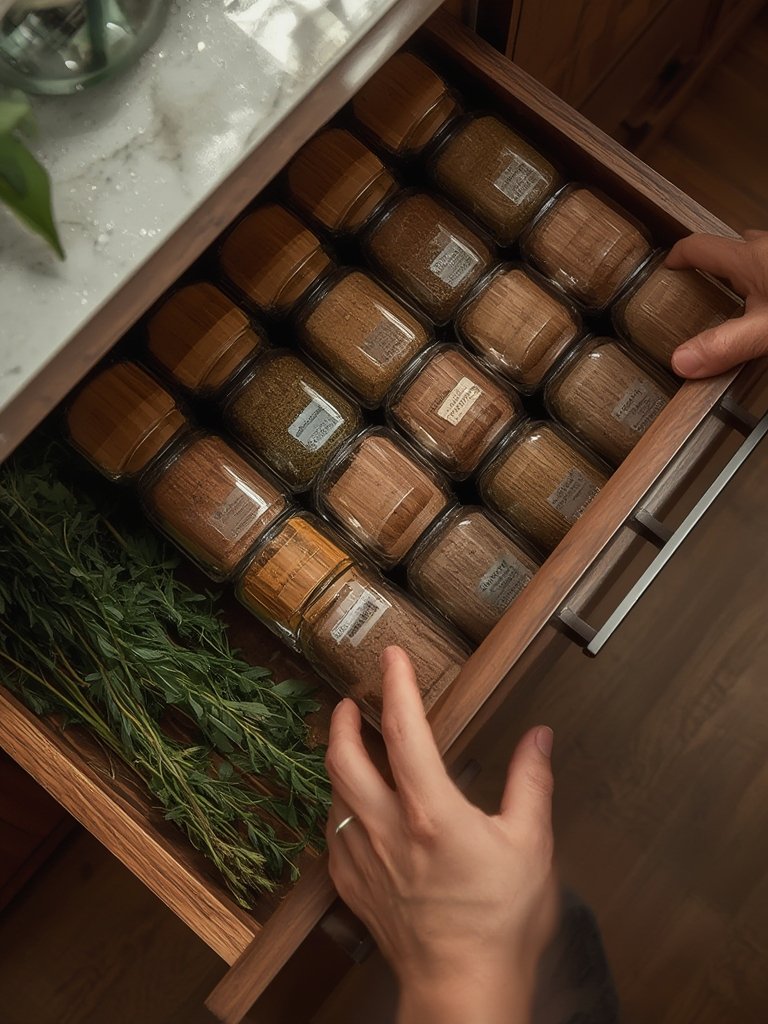
For renters and anyone seeking flexibility, invest in rolling carts, free-standing shelves, stackable lunch containers, or drawer organizer inserts. If you move often or your needs change, these can adapt or go with you—unlike built-ins or drilled items.
For even more efficiency, try these bonus strategies:
- Upgrade hidden areas: Add undersink organizers or a pull-out under the sink to corral cleaning supplies and maximize awkward space.
- Go digital for shopping and inventory: Use a smart kitchen scale and inventory app to keep track of pantry levels and minimize surprises.
- Use lid and pan organizers: Simple pan lid organizers or a lazy Susan can reclaim deep corners instantly.
- Double-duty kitchen gadgets: Invest in multi-use gadgets—see our best space-saving kitchen gadgets for more.
Advanced Analysis & Common Pitfalls
Even the best kitchen organization ideas can backfire if you miss key details. Here’s what research and real users reveal:
Top Organizational Pain Points
- Not enough closed storage: Apartments often rely on open shelves, but those lead to dust and clutter. Solutions: Mix open and closed zones, and don’t oversaturate any one wall with open racks.
- “Dead space” in deep cabinets and corners: Items vanish, get duplicated, or become inaccessible. Use depth zoning, stackable bins, or a lazy Susan for corners.
- Hard-to-install organizers: Many trending pull-outs, racks, and rails seem simple—but in practice, poor instructions, conflicts with hinges, or cheap hardware can stall your project. Many renters struggle to use these without risking security deposits. See our renter-friendly organization tips for safe alternatives.
- Weight and durability issues: Wall or ceiling racks may not hold heavy pans, especially if you have thin walls or poor anchors common in rentals.
- Visual noise and stress: Too many open storage solutions make kitchens look cramped or cluttered, counter to your goal. Test your solution with a small area before expanding to every wall.
| Product/Method | Typical Cost | Pros | Cons / Complaints |
|---|---|---|---|
| Pull-out shelves (DIY/custom) | $40–$100 per unit / $400–$800 installed | Maximizes base cabinet space, easy access | Installation is often tricky; fit is frequently off; not always renter-friendly |
| Lazy Susan/Turntables | $20–$50 | Reclaims dead corners, good for small items | Items may tip over or fall; limited height for tall items |
| Wall rails/pegboards | $20–$80 per section | Easy to access tools/spices, customizable | Open storage can get dusty; anchors sometimes fail with weight |
| Drawer organizer inserts | $10–$40 each | Reduces clutter, fits most drawers, renter safe | Some inserts don’t fit old or nonstandard drawers; cheap models may warp |
| Stackable containers/carts | $12–$200 | Flexible, portable, no tools required | May take up valuable floor space; not as aesthetic as built-ins |
Always check dimensions and wall materials when shopping. Many reviewers on Amazon and IKEA complain about missing screws, poor instructions, or product sizes that don’t work with US cabinets. Overhyped “space-saving” organizers are another pitfall—some will actually reduce net space or just add clutter if you don’t have a plan for what goes where.
Renter vs. Homeowner Mindset
- Renters: Stick to free-standing or tool-free solutions. Use removable adhesive hooks, portable carts, and tension rods. Focus on routines, not renovations, and always plan for your next move.
- Homeowners: Consider capital upgrades like custom drawers, ceiling racks, or full pantry systems. Think about smart appliances that combine functions—see the future kitchen gadgets guide for inspiration.

Conclusion
Small-kitchen frustration is real, but the right kitchen organization ideas—rooted in how you actually use your space—can make a small kitchen more efficient and enjoyable. Start with depth zoning, rotate your appliances, and leverage every underused vertical or transitional surface. Don’t fall for products that make big promises but won’t work in your space—focus on practical solutions you can commit to, especially if you’re renting or plan on moving. For more time-saving gadgets and practical guides, check out our apartment kitchen gadgets roundup. Ready for a simpler, smarter kitchen? Start your transformation today!
FAQ
What’s the best way to create more counter space in a small kitchen?
Rotate your most-used appliances onto counters based on weekly needs, store others away, and choose foldable or over-the-sink prep boards. Try a compact rolling cart for flexible extra space.
How can I organize deep cabinets without buying expensive pull-out shelves?
Use the “depth zoning” rule: Daily use items in the front, weekly in the middle, and rarely-used in the back. Store like-items in labeled bins to slide in and out for easy reach. A lazy Susan can help with corners.
Are wall-mounted rails and pegboards safe for renters?
In most rentals, you should use removable adhesive hooks or tension rods. Some modular rails are designed to hang over cabinet doors or fit under shelves without drilling—see manufacturer details before purchase.
What are the most common mistakes in kitchen organization?
Buying organizers that don’t fit your unique cabinets or overloading open shelving, which can make spaces look messier. Always measure and plan before you buy, and avoid one-size-fits-all products.
How does kitchen organization impact daily time and stress?
Smart organization reduces the time spent searching for tools and ingredients. Systematic zoning and accessible storage directly reduce daily friction and stress, making cooking more enjoyable even in small spaces.