

automatic dish soap foamer dispensers are transforming kitchens by delivering soap in controlled, touchless doses for every wash. But are they really worth it, and what should you watch out for before switching from classic squeeze bottles? Here’s what you need to know.
Key Takeaways
- Automatic dish soap foamers offer a hands-free, neat washing experience, but realistic downsides include battery costs, longevity issues, and possible trouble with eco or homemade refills.
- Upfront and long-term costs can be higher than standard dispensers, especially with foam models that require proprietary cartridges.
- Technical details like battery life, waterproofing, and refill flexibility matter most when choosing the right foamer for hassle-free kitchen use.
- What Is an Automatic Dish Soap Foamer and Why Use One?
- How to Set Up and Use an Automatic Dish Soap Foamer
- Advanced Analysis & Common Pitfalls
- Conclusion
- Frequently Asked Questions
What Is an Automatic Dish Soap Foamer and Why Use One?
An automatic dish soap foamer is a touchless dispenser that transforms liquid soap into foam, delivering it in a measured dose when you place your hand or sponge under its sensor. These devices promise hygiene, precision, and less mess in the kitchen compared to squeezing bottles or using manual pumps.
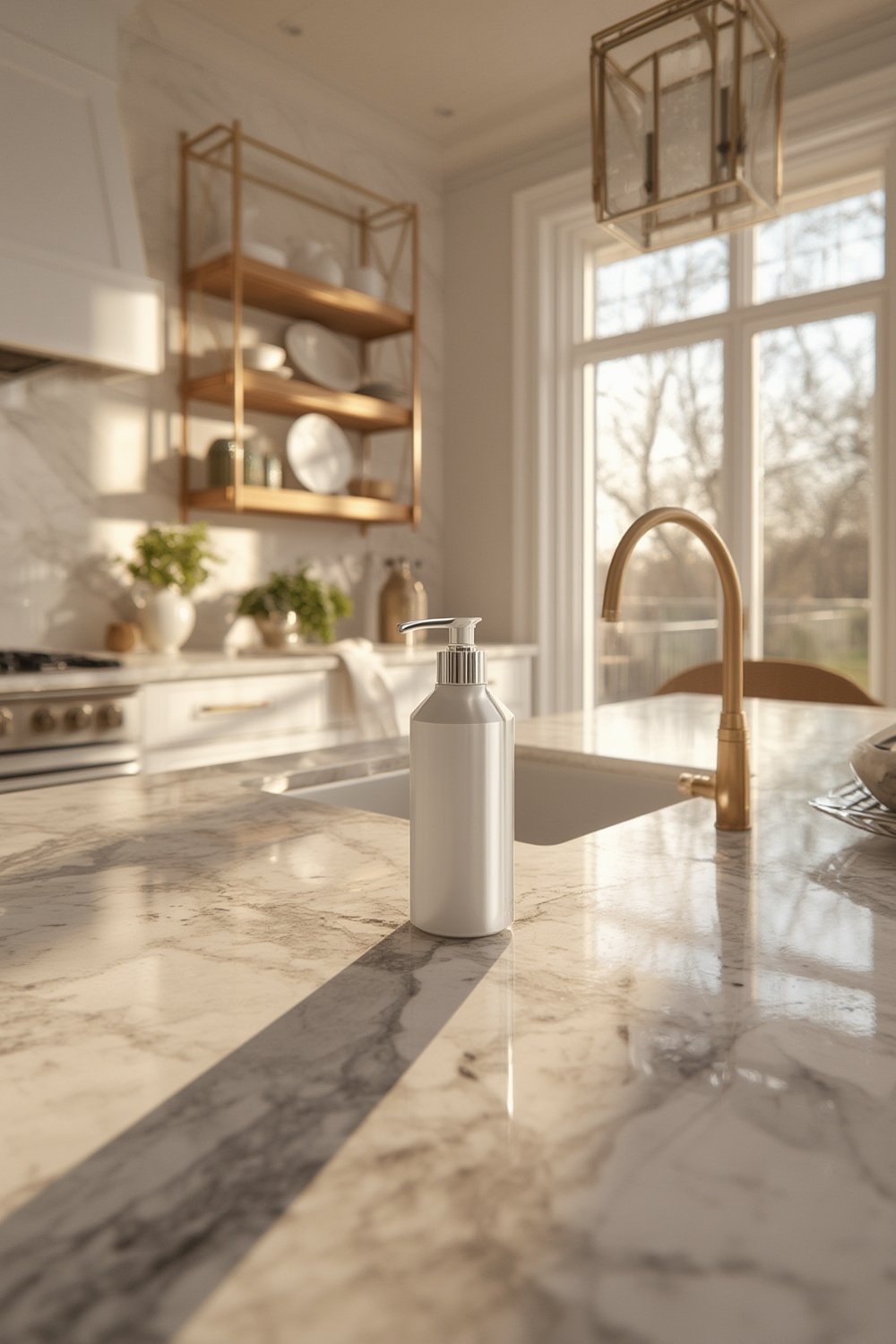
Why do people switch? The appeal is in not having to touch a bottle with dirty hands, enjoying consistent amounts of suds, and possibly avoiding soap waste. Users also hope for modern convenience—especially in busy or germ-conscious kitchens.
However, benefits come with caveats. Many users report that some foamers are inconsistent in how much soap they dispense. If batteries go dead or the unit isn’t well sealed, frustration follows. Proprietary foam refills can also mean you’re locked into higher ongoing costs than with bulk liquid soap.
Choosing the right automatic foamer means balancing these pros and cons against your kitchen’s needs and routines. If your focus is on maximizing space, see our space-saving kitchen gadgets guide for broader organization strategies.
How to Set Up and Use an Automatic Dish Soap Foamer
Ready to set up an automatic dish soap foamer for your kitchen? Here’s a realistic, stepwise process to get started and avoid slip-ups:
- Choose a model: Decide between a standard liquid or a foaming dispenser. Liquid models usually work with bulk soap, while foamers often use proprietary cartridges. Consider battery type and charging—rechargeable models reduce waste and hassle. If you want more kitchen efficiency tips, check our cooking gadgets guide.
- Prepare your dispenser: For battery-operated models, install new batteries as recommended (often 4x AA or a built-in rechargeable pack). Fully charge rechargeable units before use.
- Add soap or foam cartridge: Follow instructions to refill—use only compatible soap (especially for foamers). Trying non-branded or homemade soap can lead to clogs or dispenser damage.
- Prime the dispenser: Activate the system by running a cycle or placing your hand/sponger under the sensor until soap dispenses.
- Adjust settings: Many units let you control dose amount or foam intensity. Make adjustments per your cleaning routine.
- Place carefully near sink: Opt for a spot that won’t pool with water and keep out of direct splash zones to avoid electrical damage. For more on optimizing sink space, see our under sink organizer tips.
- Clean regularly: Wipe the dispenser and sensor to avoid soap buildup or blockages, especially if your water is hard.
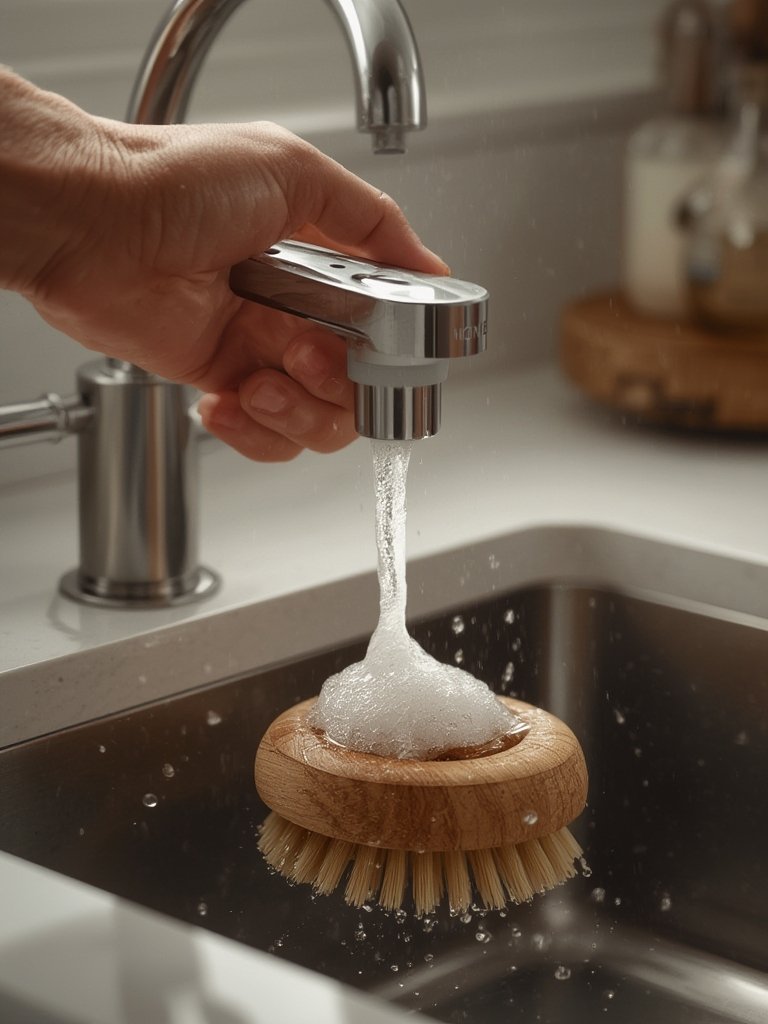
For renters or small spaces, consult our apartment kitchen gadgets list for more clean-counter ideas.
Advanced Analysis & Common Pitfalls
While automatic dish soap foamers modernize dishwashing, several practical problems crop up in real kitchens.
- Soap Savings Unproven: Foamers deliver a set amount each use, theoretically reducing overuse. However, there’s no reliable 2024-2025 data quantifying soap usage reduction vs classic bottles. See this review for more details.
- Inconsistent Output: User reviews mention variability — some days the foamer dispenses too much or too little. This can actually lead to soap waste if multiple dispenses are needed.
- Maintenance & Durability: Battery swaps are frequent in AA models; gravity can cause battery doors or the entire unit to fall, risking mess or damage. Frequent water exposure leads to malfunction in models lacking adequate waterproofing.
- Refill Cost Trap: Proprietary foam cartridges can cost $7–$24 and may require replacement more often than expected. You can typically use bulk liquid soap in standard sensor dispensers, which is much cheaper and widely available (source).
- Compatibility Issues: Homemade or eco soap may clog foamers or void warranties. Liquid soap dispensers are more flexible for green options, provided the soap is non-exfoliant.
- Technical Shortcomings: Sensor placement affects accuracy. Some models lack no-drip features or reliable dose control. A 2-year warranty is becoming standard, but not all units offer real waterproofing improvements.
| Feature | Foam Dispenser (Automatic) | Standard Liquid Dispenser (Manual) |
|---|---|---|
| Soap Usage Reduction | Theoretical, no firm statistics | User-dependent, can overuse |
| Refill Cost | High (proprietary, $7–$24 per cartridge) | Low (bulk soap & generic refills) |
| Eco/Homemade Soap Friendly | Risky; not proven, may void warranty | Yes, for most non-exfoliant soaps |
| Sensor Accuracy | Mixed results; hand distance controls dose | N/A |
| Maintenance | Regular cleaning, battery charging/swapping | Minimal |
| Durability | 2 years typical; waterproofing varies | Long-lasting, mechanical simplicity |
To go deeper on kitchen hygiene gadgets, see our automatic soap dispenser essentials. For tool comparisons across kitchens, our essential kitchen tools guide covers what’s truly worth your money and time.

Conclusion
Automatic dish soap foamer dispensers are a modern solution for hands-free, precise dishwashing. They offer clear benefits for hygiene and convenience, but thoughtful buyers should weigh real-world drawbacks like refill costs, battery maintenance, and the limits on homemade soap solutions. If you value smart organization and are willing to invest in proper tech, a quality foamer may level up your kitchen routine. Ready to make the switch? Explore your options and consider the practicalities for your home—and always test your automatic dish soap foamer with care before ditching the old squeeze bottle.
Looking for even more ways to streamline your cleaning and prep work? Check out our best kitchen gadgets roundup for the latest smart picks for 2025.
Frequently Asked Questions
Do automatic dish soap foamers actually use less soap?
They dispense a pre-set amount, which can reduce overuse, but there’s no published industry data for 2024–2025 confirming clear savings compared to manual bottles. Results depend on user habits and device settings. See more here.
Can I use eco-friendly or homemade foam soap in these dispensers?
Proprietary foamers like simplehuman’s are designed for their own refills, and using homemade or cheap foaming solutions is untested—risking clogs or warranty loss. Liquid sensor pumps are more flexible and work well with bulk, non-exfoliant soaps.
How often do I need to replace batteries or recharge the dispenser?
4x AA battery models may need new batteries every few weeks to months, depending on use. Rechargeable models can run about 3 months per charge but should be placed away from heavy splashing to avoid water damage.
What do most people complain about with automatic dish soap foamers?
Common issues include inconsistent soap output, units breaking down within one to two years, tricky battery swaps, high refill costs for foam models, and water damage from inadequate waterproofing. Read reviews for insight before buying.
Are automatic foam soap dispensers worth it for small or shared kitchens?
If hygiene and hands-free convenience are top priorities, these foamers can be worth it—especially in shared or high-traffic spaces. The added clutter from proprietary refills and upfront costs may outweigh benefits for some users, especially in tight or minimalist kitchens.