

Countertop microwave shelf solutions are one of the most practical upgrades for maximizing kitchen space, especially in compact homes. With rising demand driven by urban living and a need for organization, choosing the right shelf is more important than ever. Here’s everything you must know and do if you want your microwave station to be efficient, safe, and stylish.
Key Takeaways
- Countertop microwave shelves create much-needed space, but stability and fit are crucial for safety and appearance.
- Select shelves with durable materials, the correct dimensions, and suitable weight capacity—don’t assume “one-size-fits-all.”
- Simple upgrades can make daily kitchen tasks easier and help modernize even the smallest apartment kitchens.
- What Is a Countertop Microwave Shelf and Why Use One?
- How to Choose and Install a Countertop Microwave Shelf: A Step-by-Step Guide
- Advanced Analysis & Common Pitfalls of Microwave Shelves
- Conclusion
- Frequently Asked Questions
What Is a Countertop Microwave Shelf and Why Use One?
A countertop microwave shelf is a raised rack or stand designed to hold your microwave oven and often provide extra storage options above, below, or beside it. As urban apartments shrink and open-plan kitchens become the norm, the demand for space-saving appliances and storage has boomed. In 2024, countertop microwaves made up 65% of the US microwave market, with global growth fueled by a need for practical, compact kitchen solutions (source).
By elevating the microwave or stacking items efficiently, these shelves reduce clutter and create valuable square feet. This makes cooking, cleaning, and even unloading groceries much less of a hassle—without any complex installation or renovation. The popularity is also due to renters looking for solutions that don’t require drilling or tools, but who crave the tidiness of a built-in setup.
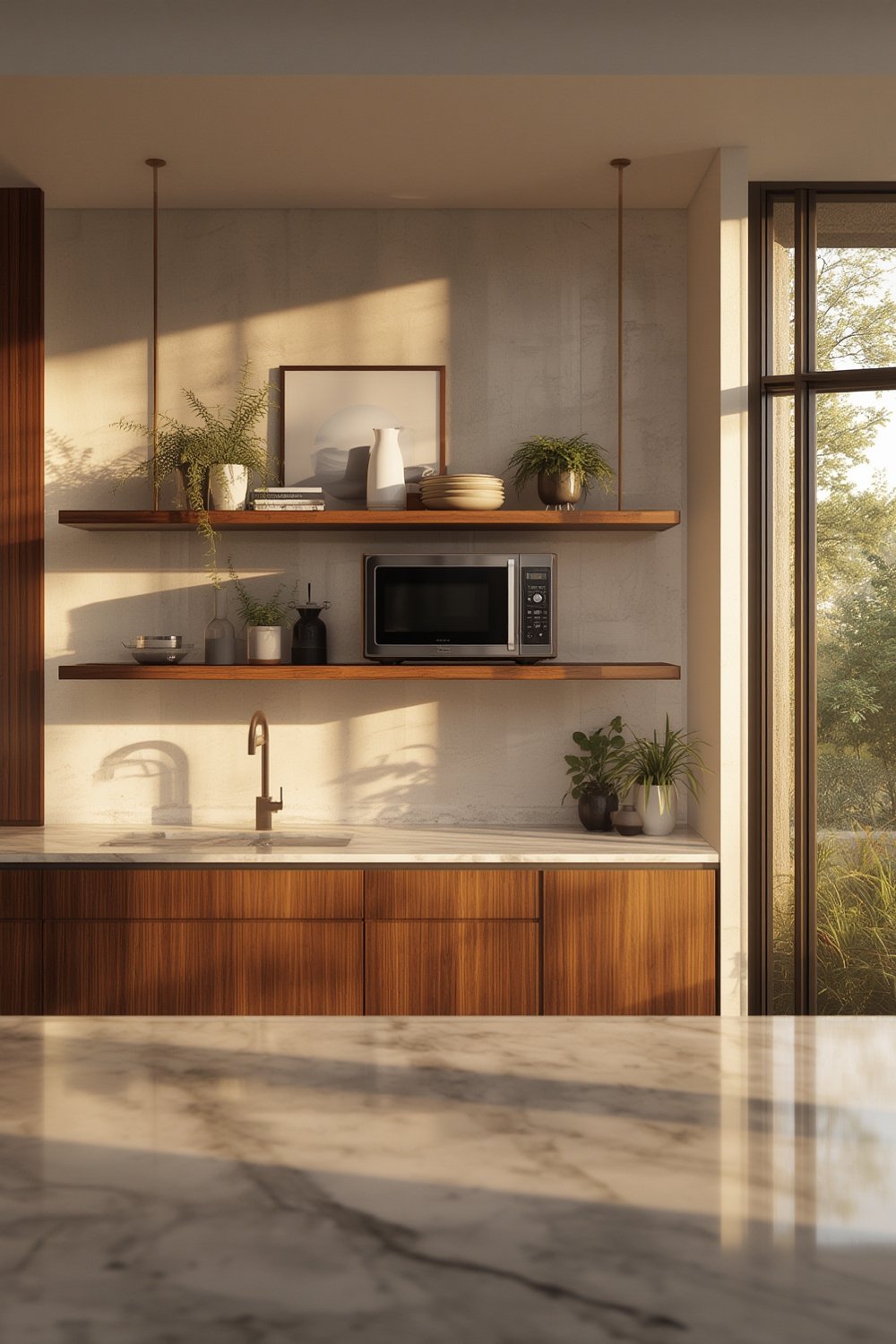
Even if your kitchen is packed with space-saving kitchen gadgets or apartment kitchen gadgets, countertop microwave shelves remain unrivaled for the microwave area. With increased demand for multi-functional, compact appliances, finding the right shelf has become an essential kitchen upgrade.
How to Choose and Install a Countertop Microwave Shelf: A Step-by-Step Guide
Choosing a countertop microwave shelf shouldn’t be guesswork. Here’s how to get it right and add functionality without costly mistakes:
- Assess your countertop space.
- Check available width and depth. Don’t forget backsplash and any outlets behind the unit.
- Watch out for cabinet heights—ensure the shelf won’t block doors or create awkward gaps.
- Match shelf size and weight capacity to your appliance.
- Most household countertop microwaves weigh between 25 and 40 pounds. Look for a shelf rated for at least 10% more than your microwave’s weight.
- Choose shelves with adjustable feet or legs if your counter isn’t perfectly level.
- Pick the best shelf material.
- Stainless steel offers strength and easy cleaning, but can cost more.
- Powder-coated metal is affordable and usually scratch-resistant.
- Bamboo or hardwood add warmth, but check for water resistance.
- Consider bonus features.
- Shelves with hooks, extra tiers, or slide-out bins give more storage for spices, utensils, or small gadgets.
- Some shelves are expandable to fit different microwave sizes.
- Install your shelf safely.
- Assemble on a flat surface. Tighten all bolts firmly, but avoid overtightening (which strips threads or cracks wood).
- Place the microwave gently on the shelf—never drop or slide it forcefully.
- Check stability: press down firmly in all corners to ensure it’s wobble-free.
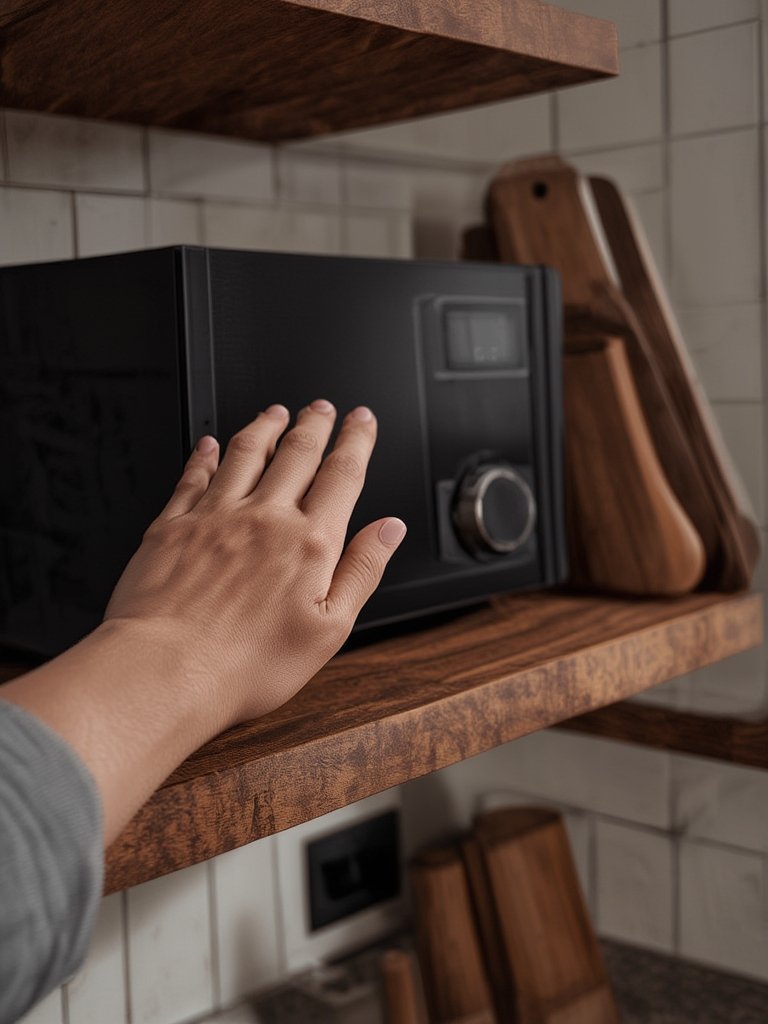
- Ventilation matters: Always allow at least 2 to 3 inches on all sides if your shelf design encloses the microwave, especially at the back. Blocked vents can overheat electronics and shorten lifespan.
- For renters or temporary setups: Pick shelves that require no drilling. This keeps your deposit safe and your options open.
After setup, modernize your kitchen further with stackable bins, a magnetic spice rack, or an over the sink cutting board for meal prep right next to your microwave station.
Advanced Analysis & Common Pitfalls of Microwave Shelves
Despite the growing demand for countertop microwave shelves, problems can arise if you skip the details. Users often assume any rack will work, but misuse can lead to real risks or frustration.
| Pitfall | What Happens | How to Avoid |
|---|---|---|
| Wrong shelf dimensions | Microwave hangs off the shelf, causing instability or damage | Measure everything—leave extra for cables and ventilation |
| Overloaded shelf | Shelf sags or collapses, risking microwave breaks or injuries | Check and respect weight capacities |
| Poor material choice | Rust, warping, or heat damage over time | Choose rust-resistant metal or finished wood |
| Wobbly assembly | Microwave shakes during use, risking falls | Install carefully, and test before full use |
| Blocked ventilation | Microwave overheats or shuts off prematurely | Always leave open space at vents |
| Low shelf height | Difficult to use microwave or access stored items above | Pick shelves with adjustable legs or correct height |
Countertop microwave shelves are not “set-and-forget.” Check stability regularly, especially after cleaning or moving appliances for kitchen routines. If your shelf develops rust, squeaks, or wobbles, replace or repair promptly to keep your cooking area safe and functional.
For more ways to maximize efficiency with minimal investments, consider practical additions such as a foldable dish drying rack or knife drawer organizer for additional space optimization.
Conclusion
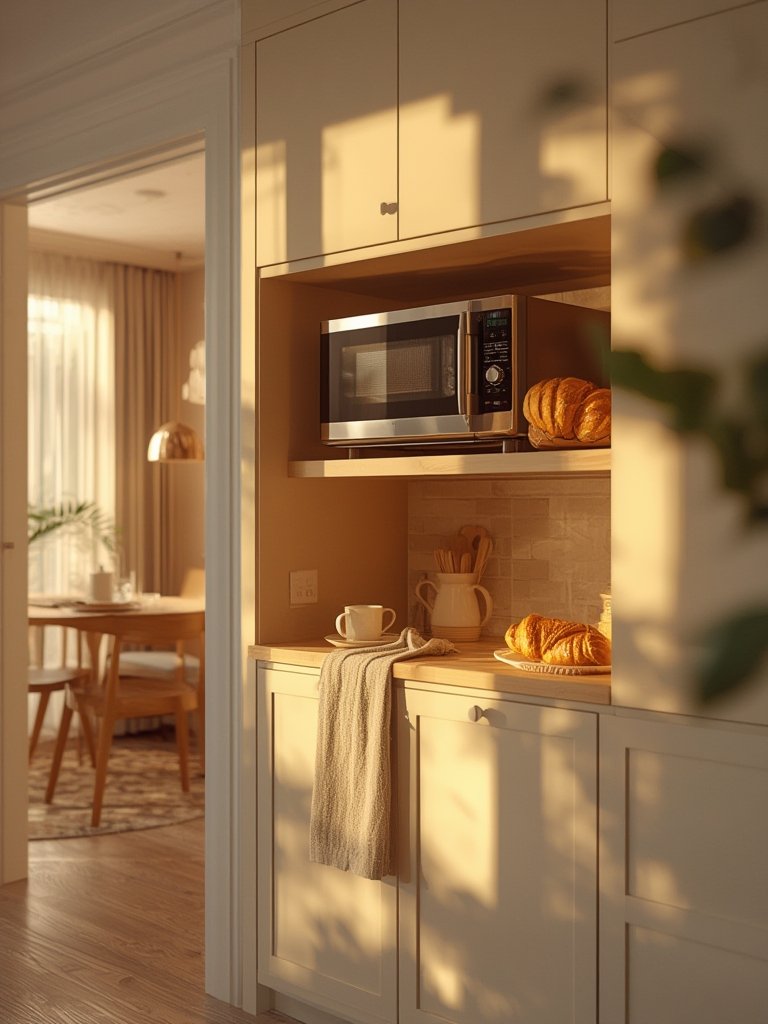
Every inch counts in a busy kitchen, and a well-chosen countertop microwave shelf helps reclaim space while keeping your kitchen uncluttered and efficient. Always pay attention to fit, materials, and installation safety to enjoy stress-free meal prep. Ready to transform your space? Compare options and install your favorite countertop microwave shelf for a streamlined kitchen that truly works for you.
Frequently Asked Questions
Does every microwave fit on a countertop microwave shelf?
No. Always check both your microwave’s dimensions and weight. Many shelves support standard sizes, but oversized or custom microwaves may not fit safely. Measure carefully before buying.
Is ventilation really that important with countertop microwave shelves?
Yes, proper ventilation prevents overheating and extends your microwave’s lifespan. Blocked vents can damage electronics and even void warranties on some models.
Which material is best for a microwave shelf in humid kitchens?
Stainless steel offers the best resistance to rust and is easy to clean. For a warmer look, hardwoods with moisture-resistant finish are a good option—avoid untreated wood or cheap painted metal in humid climates.
Can countertop shelves be used in rentals or apartments?
Definitely. One of the main advantages of countertop microwave shelves is their “plug-and-play” design—no drilling or permanent changes are needed. This makes them ideal for renters or anyone planning to move.
Are there safety certifications or standards I should look for?
While there are no specific shelf-only certifications, look for models from reputable brands that specify weight limits and have anti-slip or anti-tip features. Appliances themselves should have UL or equivalent safety markings.