

Smart kitchen timer devices are changing the way home cooks, bakers, and busy families control their time in the kitchen. These tools promise more precise cooking results, less stress, and effortless multitasking, but do they live up to their claims—and are they really better than traditional digital timers?
Key Takeaways
- The global market for smart and digital kitchen timers is growing, especially as smart kitchens become more common.
- Advanced features like second-level accuracy, app connectivity, and robust design are rare in most models.
- Common frustrations include battery replacements, tech obsolescence, and limited attention to privacy for WiFi-enabled timers.
- What Is a Smart Kitchen Timer and Why Does It Matter?
- How to Get the Most Out of Your Smart Kitchen Timer
- Advanced Analysis & Common Pitfalls
- Conclusion
- FAQ
What Is a Smart Kitchen Timer and Why Does It Matter?
A smart kitchen timer is a cooking tool that goes beyond simple time-tracking. It offers programmable alarms, sometimes app-based controls, integration with voice assistants, and often magnetic or portable designs. The benefit: more control and accuracy during cooking, baking, and meal prep without hovering over your stove.
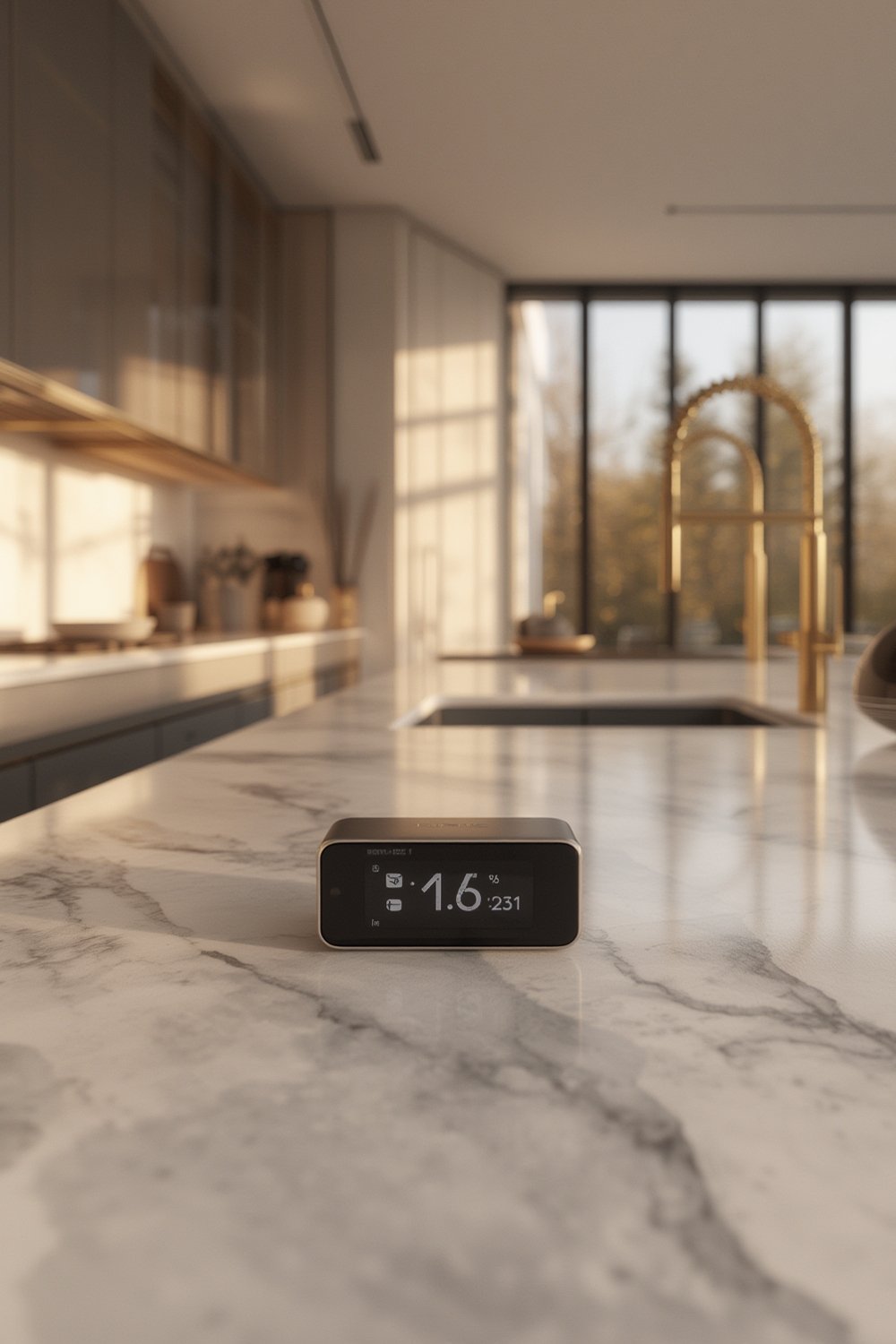
Market data shows the demand is real. The digital kitchen timer segment reached USD 1.45 billion in 2024 and could top USD 2.4 billion by 2033. Asia Pacific, fueled by urban growth, leads adoption, while Western countries still report higher per-person use. Although prices, features, and brands like INKBIRD and ThermoPro dominate, the lines blur between the truly “smart” and the merely digital.
Whether you’re equipping a space-saving kitchen or comparing new future kitchen gadgets, understanding these timers helps you avoid overpaying for features you’ll never use.
How to Get the Most Out of Your Smart Kitchen Timer
Follow these steps for choosing, setting up, and using a smart kitchen timer for best results.
- Choose the Right Model
Look for a timer with strong kitchen durability, magnetic backing (for oven or fridge sticking), a large digital display, and multiple programmable alarms. Popular brands such as ThermoPro and Salter offer a solid starting point. - Pay Attention to Timer Accuracy
Some models claim millisecond precision, but almost none actually allow for that level of setting. If you bake or cook foods where seconds matter, confirm the smallest increment supported is truly 1 second. - Consider Connectivity
If you want app integration or voice assistant support, check Windows/iOS/Android compatibility and security updates—even if industry reports found no WiFi privacy issues yet. - Test Alarms and Ranges
Set timers for both very short (under 1 minute) and long (over 60 minutes) periods to ensure reliable alerts, as timing range data isn’t always clear in product listings. - Check Battery Requirements
Replace batteries in advance if you’re planning big meals. As with most gadgets worth buying, always keep a set of spares in your kitchen.
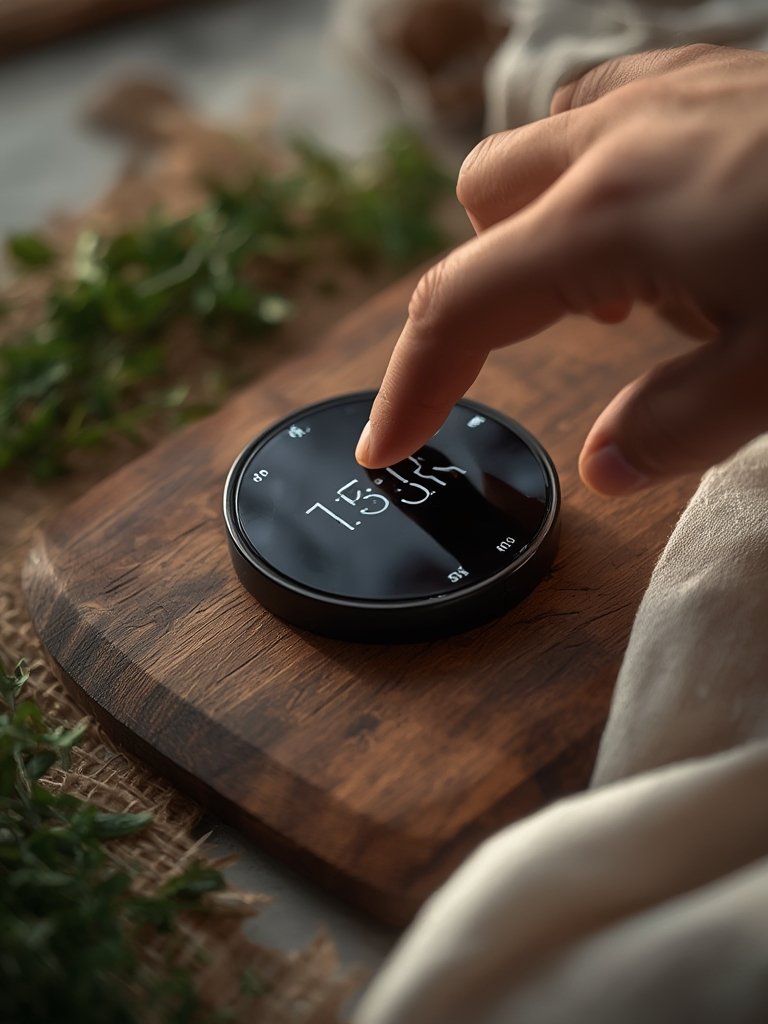
Don’t forget: With many timers, multiple alarms can run at once for complex meals. This is ideal for holiday cooking or meal-prep sessions where oven, stovetop, and rest times overlap.
If you already use other tools for effortless cooking, integrating your timer with the rest of your routine lets you multitask with confidence.
Advanced Analysis & Common Pitfalls
No timer—smart or digital—is perfect. Here’s a realistic look at what works and what most users find lacking:
- Missing Precision: Most timers called “precise” do not allow for millisecond settings. At best, you get second-based increments, which may not suit candy-making or scientific recipes.
- Maximum/Minimum Timer Range Limits: Product specs often ignore these figures. You might discover only after unboxing that your timer can’t handle hour-long bakes or very short sprints.
- Battery & Durability Problems: Replacing coin or AA/AAA batteries is a frequent hassle, especially for heavy users. Some models still lack USB charging, and battery drains faster with backlit or wireless features.
- Obsolescence & App Support: If smart features rely on an app, double-check future support. Some brands abandon apps, leaving timers “dumb” and crippled.
- No Attention to Security: Most devices transmit basic signals. Current reports haven’t found vulnerabilities (source), but precautions for future models are scarce.
| Feature | Smart Kitchen Timer | Standard Digital Timer |
|---|---|---|
| Precision | Usually 1 second, rarely millisecond | 1 second minimum |
| Max/Min Timing Range | Often unclear, varies widely | Often static, sometimes limited to 99 minutes |
| Connectivity | WiFi, Bluetooth, app control | None |
| Battery/Power | Mixed (battery, USB, some need frequent changes) | Battery (longer on basic models) |
| Key Brands (2024) | INKBIRD, ThermoPro, Salter | ThermoPro, Salter |
For those looking to save counter space or streamline with other 2025 kitchen gadgets, go hands-on before buying or stick to models with strong user reviews for reliability.

Conclusion
Smart kitchen timers can streamline meal prep, improve timing accuracy, and even tie in with connected home features, but they’re only as useful as their design and support. Always choose a model that fits your real habits, not just the latest trend, and check the basics such as battery life and timing range before you buy. With the right approach, a smart kitchen timer becomes a true “set and forget” helper, not another gadget in the drawer.
Ready to upgrade? Compare features, try out reliability, and invest in a timer that won’t leave you guessing when dinner’s done.
FAQ
What’s the main difference between a smart kitchen timer and a regular digital timer?
Smart kitchen timers may offer app or voice controls, more complex alarms, integration with other devices, and Bluetooth or WiFi connectivity. Digital timers are typically limited to manual controls with basic alerts.
Do smart kitchen timers last longer than regular digital timers?
Not always. Premium smart timers with LED displays or wireless features may need batteries replaced more often. Simpler digital models can last for months or even years on a single battery.
Can a smart kitchen timer be used for non-cooking tasks?
Yes. You can use them for reminders, tracking study breaks, workouts, or any repetitive task needing precise timing.
Are there any privacy risks with WiFi- or app-connected kitchen timers?
As of the latest research, there are no significant privacy or security concerns reported for mainstream smart kitchen timers. Still, use official apps and secure your home network for the best protection.
What are the top brands for smart kitchen timers in 2024?
INKBIRD, ThermoPro, and Salter are widely recognized for quality and reliability in the smart and digital timer segment.