

Blog Post:
Silicone food storage bags have quickly become a go-to solution for eco-conscious kitchens looking to reduce plastic waste without sacrificing convenience or durability.
Key Takeaways
- Silicone food storage bags offer reusable, eco-friendly alternatives to single-use plastics and are gaining market traction globally.
- Users appreciate their durability, freezer safety, and ease of cleaning, but higher upfront costs and potential staining are realistic drawbacks.
- Maximize value by learning proper maintenance, comparing alternatives, and avoiding common pitfalls before purchasing.
- The Core Concept
- Step-by-Step Guide: Using Silicone Food Storage Bags
- Advanced Analysis & Common Pitfalls
- Conclusion
- FAQs About Silicone Food Storage Bags
The Core Concept
Silicone food storage bags are reusable kitchen storage solutions made from high-grade, flexible silicone. Unlike disposable plastic bags, these bags can withstand extreme temperatures, making them suitable for the freezer, microwave, boiling water, and even sous vide cooking. Their key advantage lies in reducing plastic waste, a significant reason many households are making the switch.

Market analysts project the silicone food storage bag market to grow at rates between 2% and 12% annually, possibly reaching $3.5 billion worldwide by 2033 (source). This growth is driven by increased awareness of sustainable alternatives and evolving regulations restricting single-use plastics in regions like North America and Europe (source).
Consumers typically choose silicone bags for:
- Reusability and long lifespan compared to disposable options
- Enhanced durability—resistant to tearing, leaks, and extreme temperatures
- Greater sustainability, reducing kitchen waste and environmental impact
Compared to glass containers or reusable cloth bags, silicone food storage bags are more flexible and space-saving. They also make meal prepping and portion control much simpler, especially for busy families or those in small kitchens. For tips on maximizing space with smart gadgets, consider reading our guide on space-saving kitchen gadgets.
Step-by-Step Guide: Using Silicone Food Storage Bags
Switching to silicone food storage bags is straightforward, but getting the best performance means following a few key steps.
1. Purchase Quality Bags
Look for 100% food-grade silicone, BPA and phthalate-free certifications, and leak-proof seals. Bags should be thick but flexible. Avoid cheap, super-thin silicone—these often lose their seal or absorb stains and smells.
Don’t be tempted by price alone; higher-quality brands last far longer, which offsets the upfront investment. For a broad overview of other essential kitchen tools, check our guide for advanced kitchen tools.
2. Prepping for First Use
Before first use, wash your bags thoroughly with warm, soapy water, then rinse and fully dry. Some brands allow dishwasher use (top rack), but always check manufacturer guidance.
3. Packing Food Properly
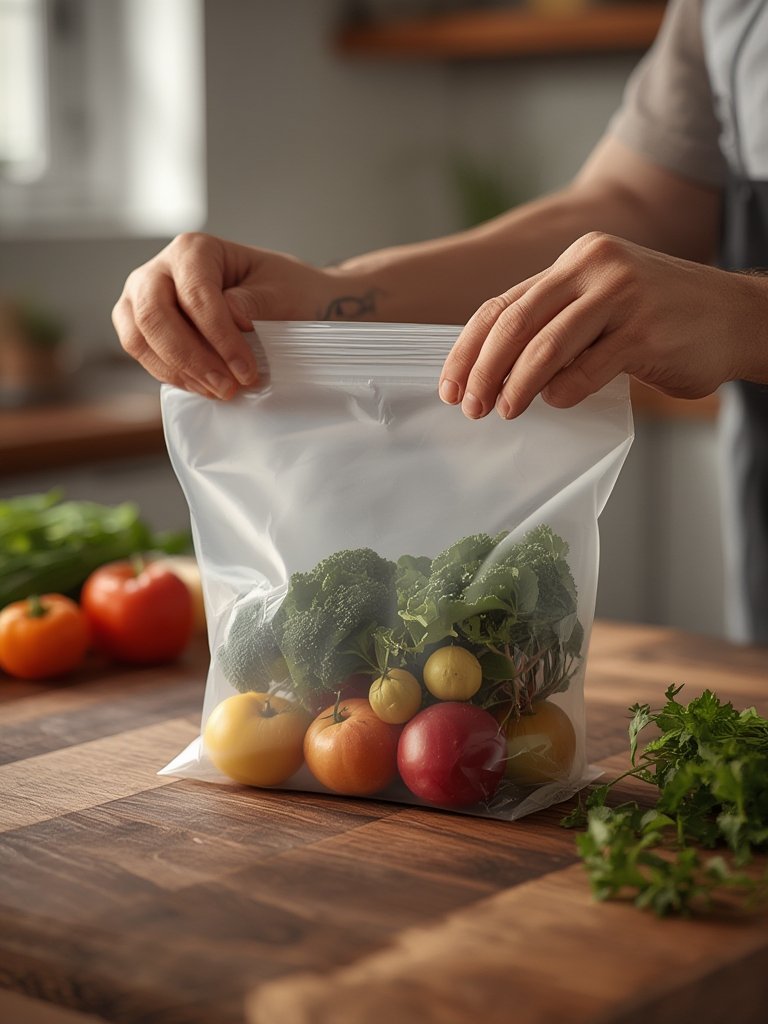
Avoid overfilling—leave enough space at the top so the seal closes without strain. For liquids, stand the bag up when possible. For marinating or sous vide, double-check the seal before submerging or storing.
4. Using for Freezer, Microwave, and Sous Vide
Silicone bags can handle temperature swings: transfer from freezer straight to boiling water or microwave, but double-check that your bag model is rated for the intended temperature.
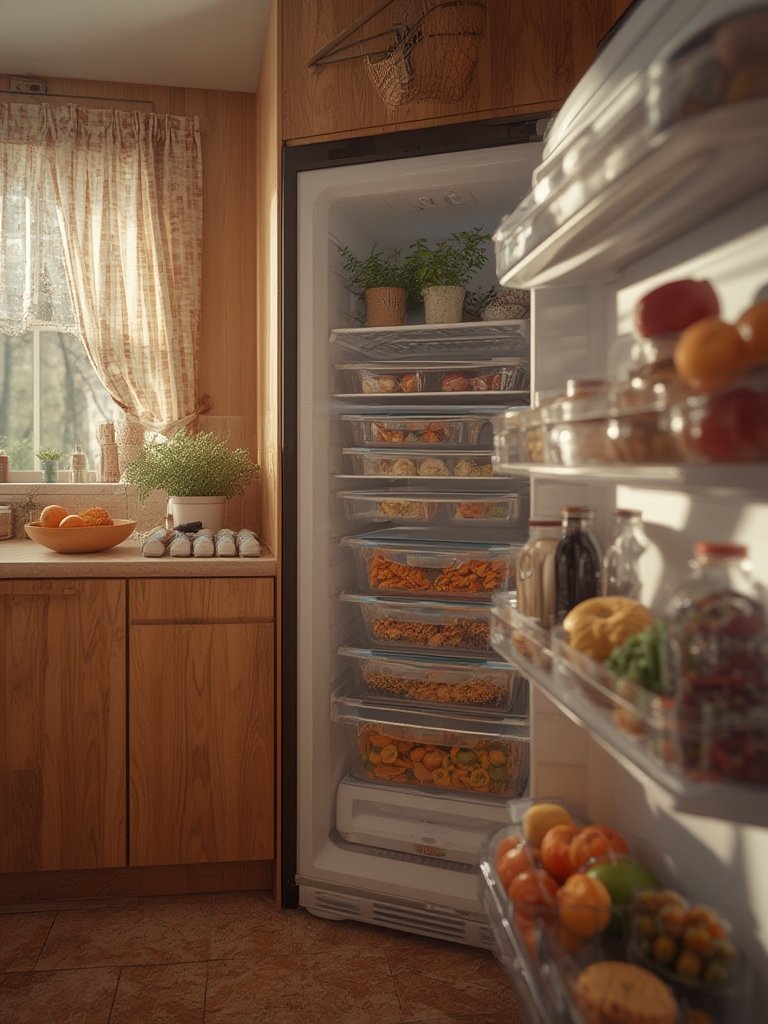
When freezing liquids or soups, lay bags flat for more space-efficient stacking. If you’re meal prepping, look for bags with measurement markings for portion control.
5. Cleaning and Storage
After each use, flip bags inside out for thorough cleaning. Use a bottle brush for deep corners. Allow to air dry completely to prevent moisture and odor retention. For longer lifespan, store bags flat or hang them open to ensure full drying.
If you’re looking for other smart organization ideas, see how pantry organization systems can streamline your kitchen routine.
Advanced Analysis & Common Pitfalls
While silicone food storage bags solve many environmental and food storage challenges, several downsides and pitfalls can impact their usefulness or lifespan.
Common Pitfalls
- Initial Cost: Quality silicone bags are significantly more expensive upfront than disposable zip-top bags. However, the long-term cost per use is much lower if maintained properly.
- Potential for Staining & Odor Retention: Brightly colored sauces (like tomato) and fragrant foods (garlic, onion) may stain or leave lingering smells, especially if bags sit for days before cleaning.
- Fit & Seal Issues: Overstuffing or improper sealing increases chances of leaks, especially with thin or poorly-made bags.
- Unknown Health & Lifecycle Data: There’s limited published research on silicone leaching, very high-heat usage, or multi-year durability for food contact. If you want a more scientific food preservation solution, consider glass food storage containers as an alternative.
Comparison Table: Silicone vs. Alternatives
| Feature | Silicone Bags | Plastic Bags | Glass Containers |
|---|---|---|---|
| Reusability | High (years) | Single-use | High (years) |
| Dishwasher Safe | Yes | No | Yes |
| Microwave Safe | Yes* | Varies/Not recommended | Yes |
| Resists Staining | Moderate | Low | High |
| Odor Retention | Possible | Probable | Minimal |
| Breakability | No | No | Yes |
| Price (per bag/unit) | $$ | $ | $$$ |
| Eco Impact | Low/waste-reducing | High waste | Low/recyclable |
*Check your bag manufacturer’s maximum recommended temperature.
Stringent plastic bans and consumer demand for ease make silicone bags popular, particularly in North America and Europe (source). However, for ultimate freshness retention, some cooks still prefer sturdy glass containers. For a detailed look at time-saving kitchen technology, read about how cooking gadgets can transform meal prep.
Conclusion
Silicone food storage bags offer a realistic and effective route to a more sustainable kitchen, combining convenience, reuse, and adaptability. While expecting some investment and learning curve, embracing these reusable bags helps reduce single-use plastic without giving up practicality.
To start making smarter food storage choices, weigh the pros and cons honestly—and don’t hesitate to compare the silicone food storage bags approach with alternates like glass containers or other easy cooking gadgets you already use. Ready to upgrade your kitchen and cut down on waste? Try a set of quality silicone food storage bags today.
FAQs About Silicone Food Storage Bags
Are silicone food storage bags safe for all types of food?
Most food-grade silicone bags are BPA-free and safe for everything from liquids to solids. However, always check manufacturer guidelines for temperature limits and avoid direct exposure to open flames.
How do you remove odors or stains from silicone bags?
Soak bags overnight in a baking soda-water solution or wash with vinegar for stubborn odors. For stains, sunlight exposure for several hours is surprisingly effective.
Do silicone bags last longer than plastic bags or containers?
Yes, with proper care, silicone bags can last for years, outlasting single-use plastic and even some rigid plastic containers. Ensure regular deep cleaning and allow bags to fully dry between uses.
Are silicone food storage bags leak-proof?
High-quality silicone bags with robust seals are leak-proof for most uses, including liquids. However, avoid overfilling and carefully check the seal, especially for soup or marinade storage.
Are there any downsides compared to glass storage?
Silicone bags can sometimes retain odors or have difficulty releasing heavy stains, whereas glass containers are more resistant to these issues. Glass is heavier and breakable, while silicone bags are lightweight and flexible, making both useful in different scenarios.