

Automatic can opener technology is changing how people prepare food, especially for anyone seeking speed, safety, or easier access in the kitchen. Gone are the days of struggling with manual can openers—modern automatic can opener models promise a hands-free experience, but do they really deliver?
Key Takeaways
- The global electric can openers market is projected for steady growth, with automatic can openers leading in demand due to convenience and accessibility needs.
- Top brands like Cuisinart, Black + Decker, OXO, Hamilton Beach, and Proctor Silex dominate, but user pain points such as durability, reliability, and performance with irregular cans are often overlooked by most guides.
- Crucial specifications like blade material, wattage, and cleaning methods remain unclear among leading models, so compare features carefully before buying.
- What Is an Automatic Can Opener and Why Use One?
- How to Use an Automatic Can Opener Efficiently: Step-by-Step Guide
- Advanced Analysis & Common Pitfalls to Avoid
- Conclusion
- Frequently Asked Questions
What Is an Automatic Can Opener and Why Use One?
An automatic can opener is an electric kitchen appliance that removes lids from cans with minimal physical effort from the user. Unlike manual can openers that require significant wrist strength and coordination, automatic versions are designed for hands-free, often one-touch operation. These tools offer a practical solution for people with arthritis, limited mobility, or anyone wanting to speed up meal preparation.
Sales of automatic and electric can openers reached USD 702 million in 2024, with the segment forecast to grow steadily due to rising demand for convenience, especially in North America and rapidly urbanizing Asia-Pacific markets. Popular brands such as Cuisinart, OXO, and Hamilton Beach capture a remarkable share of the market, focusing on ergonomics and “one-touch” features.
With aging populations and a growing focus on kitchen automation, an automatic can opener is often seen as an essential kitchen gadget for both accessibility and efficiency. But with the range of options available, knowing what features matter—and what marketing claims to ignore—is critical. If your kitchen is already loaded with 2025’s best kitchen gadgets, an automatic can opener could be the next upgrade for pure convenience.
How to Use an Automatic Can Opener Efficiently: Step-by-Step Guide
Getting the most out of your automatic can opener is simple, but following a few proven steps will ensure optimal results and reduce hiccups. Here’s how to use most top-rated models effectively:
- Inspect the Can Opener: Ensure the automatic can opener is clean and free from residue. Make sure it is fully charged (if cordless) or plugged in securely.
- Position the Can: Place the can on the countertop or in the designated slot, depending on your model. Align the cutting blade with the lid edge.
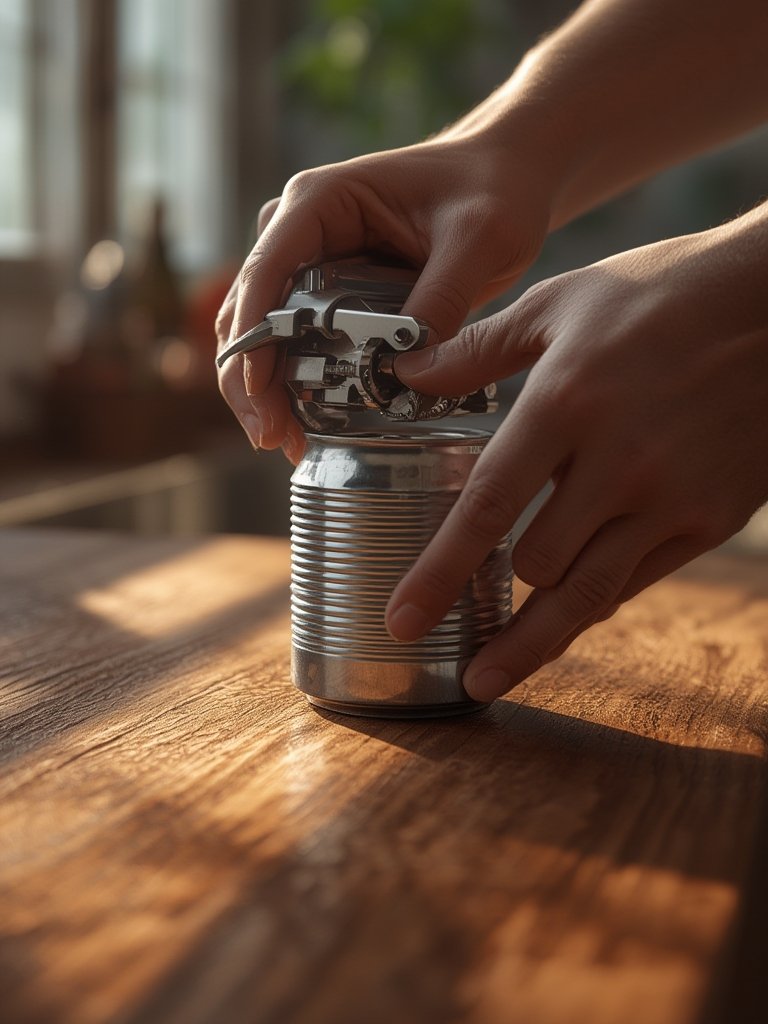
- Secure the Opener: For handheld units, attach the device to the top of the can firmly. For counter models, rest the can against the fixed blade and press the activation lever or button.
- Start the Opener: Press the “start” or “one-touch” button. The device should automatically rotate and cut the lid. Hold lightly if necessary, but never force the mechanism.
- Wait for Completion: Let the can opener complete its cycle. Many models feature automatic shut-off or audible alerts when finished.
- Remove the Lid and Clean Up: Carefully lift off the detached lid. Wipe down any blade or contact points with a damp cloth after use to prevent buildup.
Need to save even more space? Consider pairing your opener with a space-saving kitchen gadget strategy to streamline small kitchens even further. And for specialized prep tasks, explore related tools like an electric food chopper to speed up cooking start-to-finish.
Advanced Analysis & Common Pitfalls to Avoid
Despite impressive market growth and innovation, automatic can openers are not without flaws or limitations. Verified consumer complaints are hard to find in market research, yet hands-on users commonly report:
- Jamming or stalling—usually when trying to open dented or unusually-shaped cans.
- Limited battery life for rechargeable or cordless models, especially with frequent use.
- Difficulty cutting thick or rimless lids, where automatic alignment sensors fail to detect the can properly.
- Inconsistent blade sharpness and durability, as most manufacturers do not disclose detailed specifications for materials or wattage.
- Challenging cleanup if bits of food spray up or if liquids seep into motor housings not fully sealed against messes.
Additionally, data about performance with non-standard cans—such as pull-tab, square, or heavily dented cans—is not disclosed in industry reports. Anecdotal evidence suggests that manual openers still outperform automatics for highly irregular cans due to their flexibility and simplicity.
| Feature | Automatic Can Opener | Manual Can Opener | Basic Electric Opener |
|---|---|---|---|
| Hands-Free Use | Yes | No | Partial |
| Works with Most Can Sizes | Yes (varies by model) | Yes | Yes |
| Handles Irregular/Dented Cans | Often struggles | Consistent | Moderate |
| Reliability | Good to Average | Excellent | Good |
| Accessibility (for Impaired Users) | Excellent | Poor | Good |
| Ease of Cleaning | Varies | Easy | Moderate |
With limited information about average costs and warranty terms in public research—only that most handheld electric openers are either under $30 or slightly higher—it’s essential to review listings on Amazon or other retailers for the latest user feedback. If you want in-depth appliance reviews, check out our must-have kitchen gadgets guide, which covers feature comparisons and real user experiences.
Conclusion
Automatic can openers offer powerful convenience, especially for anyone with limited hand strength or a desire for streamlined food prep. They shine for standard cans and busy kitchens, but may still struggle with unusual containers or heavy-duty demands. Look for models from leading brands like Cuisinart and Hamilton Beach, prioritize safety features such as automatic shut-off, and always compare your options for cleaning and servicing. If maximizing efficiency and accessibility is your kitchen goal, an automatic can opener is worth serious consideration. Ready to make food prep effortless? Check out trusted reviews, compare specs, and add an automatic can opener to your kitchen arsenal today.
Frequently Asked Questions
Which brands make the most reliable automatic can openers?
Top brands include Cuisinart, OXO, Black + Decker, Hamilton Beach, and Proctor Silex. These companies command 40-50% of the handheld electric can opener market, according to industry research.
Do automatic can openers work with dented or pull-tab cans?
Performance varies by model. Most automatic openers may stall or jam on heavily dented or pull-tab cans. For tough cases, a traditional manual can opener often performs better. No major studies have directly compared these scenarios.
How much do good automatic can openers cost?
Prices for handheld electric and automatic can openers fall mainly under $30 or are slightly higher for premium models. Actual costs can vary by brand and feature set, so always check current listings for deals and warranty terms.
What key safety and usability features should I look for?
Look for automatic shut-off, one-touch operation, magnetic lid holders, easy-grip handles, and models that allow for easy cleaning. Some offer rechargeable batteries for portability, while others are optimized for countertop use. Confirm these features before purchasing.
What should I do if my automatic can opener jams?
First, turn off the device and unplug or remove batteries if portable. Dislodge the can gently, inspect for blockages, and clean the blade. Persistent jams may suggest the blade needs sharpening or replacement, or the can opener isn’t suitable for that particular can type.
—