


Over the sink cutting board solutions are transforming how people maximize small kitchens, but their real-world performance isn’t always as seamless as glossy marketing suggests. If you’re considering this trending space-saver, here’s what you need to know—potential pitfalls included.
Key Takeaways
- The market for over the sink cutting boards is growing fast, especially among small kitchen and apartment users.
- Common complaints include stability, fit issues, and cleaning challenges—measuring your sink precisely is crucial.
- Best results come from understanding both compatibility and the unique hygiene demands of working directly above your sink.
- 1. The Core Concept: What Are Over the Sink Cutting Boards (and Why Use Them)?
- 2. Step-by-Step Guide: How to Choose and Use an Over the Sink Cutting Board
- 3. Advanced Analysis & Common Pitfalls
- 4. Conclusion
- 5. FAQ
1. The Core Concept: What Are Over the Sink Cutting Boards (and Why Use Them)?
An over the sink cutting board is a kitchen board designed to rest securely across your sink, creating extra prep space right above where you rinse and dispose of scraps. These boards are especially popular in small kitchens, apartments, RVs, and tiny homes where countertop space is limited. Many models now go beyond a simple plank, offering integrated colanders, collapsible bins, or extendable arms to fit a wide range of sinks.

Why are these boards trending? Tiny living spaces and a renewed focus on kitchen organization are strong drivers. According to one recent report, the global market for over the sink cutting boards is valued at about $1.28 billion in 2024 and is showing robust growth.
Households value multi-functional boards for meal prep and integrated rinsing, especially those with smart space-saving features. For example, combining chopping and washing—directly above the drain—makes quick work of fruits and veggies. If you’re seeking other space-maximizing tools, see our guide to space-saving kitchen gadgets.
2. Step-by-Step Guide: How to Choose and Use an Over the Sink Cutting Board
Not all over the sink cutting boards are created equal. To avoid buyer’s remorse, follow these steps for selection, setup, and maintenance.
- Determine your sink type and measurements.
- Measure the internal left-to-right width where the board will rest (ignore outer sink flanges).
- Check the thickness and shape of your sink’s rim—top-mount, under-mount, and farmhouse sinks each have quirks.
- If you have a double-basin or divider, measure both a single basin and across the divider if you want to use the board that way.
- Consider the height and position of your faucet; tall or broad faucets may limit board placement.
- Compare board features and sizes to your measurements.
- Check labeled minimum and maximum extension spans. Confirm real user reviews mention success with similar sink types.
- Ensure there’s at least an inch of overlap on each side for safe, stable support.
- If possible, select a board with adjustable arms or locking mechanisms for fine-tuning.
- For double-basin sinks, make sure the board is long enough to bridge the divider and sits flat.
- Choose the right material for your needs.
- Bamboo/Wood: Feels nice under knives but prone to warping or cracking if exposed to constant moisture or dishwashers. Requires hand washing and prompt drying.
- Plastic: Lightweight, usually dishwasher safe, but can collect deep knife marks or stains. Opt for BPA-free and antimicrobial models when possible.
- Hybrid: Some boards combine a wood or plastic surface with stainless steel or aluminum rails. These may improve strength and grip but watch for rust or sharp edges.
- Set up and use your board safely.
- Install with non-slip pads (if not included, add them yourself).
- Test stability before use—a rocking or sagging board is a safety hazard.
- Don’t overload with heavy pots or apply forceful chopping unless the board is designed for high rigidity.
- Rinse and cut produce directly over the sink for easy cleanup. For ideas on effortless food prep, see gadgets that make meal prep easier.
- After use, always clean and dry the board thoroughly (details below).
- Cleaning and maintenance.
- Remove the board from the sink after each use—do not leave it suspended, as moisture trapped underneath accelerates warping and bacteria growth.
- Plastic boards: Top-rack dishwasher-safe if labeled, otherwise wash in hot soap water and sanitize regularly with diluted bleach (follow FDA recommendations).
- Bamboo/wooden boards: Hand wash, rinse well, and stand upright to dry. oil the surface periodically to reduce cracking (if the manufacturer allows).
- Regularly inspect rails, arms, hinges, and integrated colanders/strainers for water buildup, rust, or signs of mold.
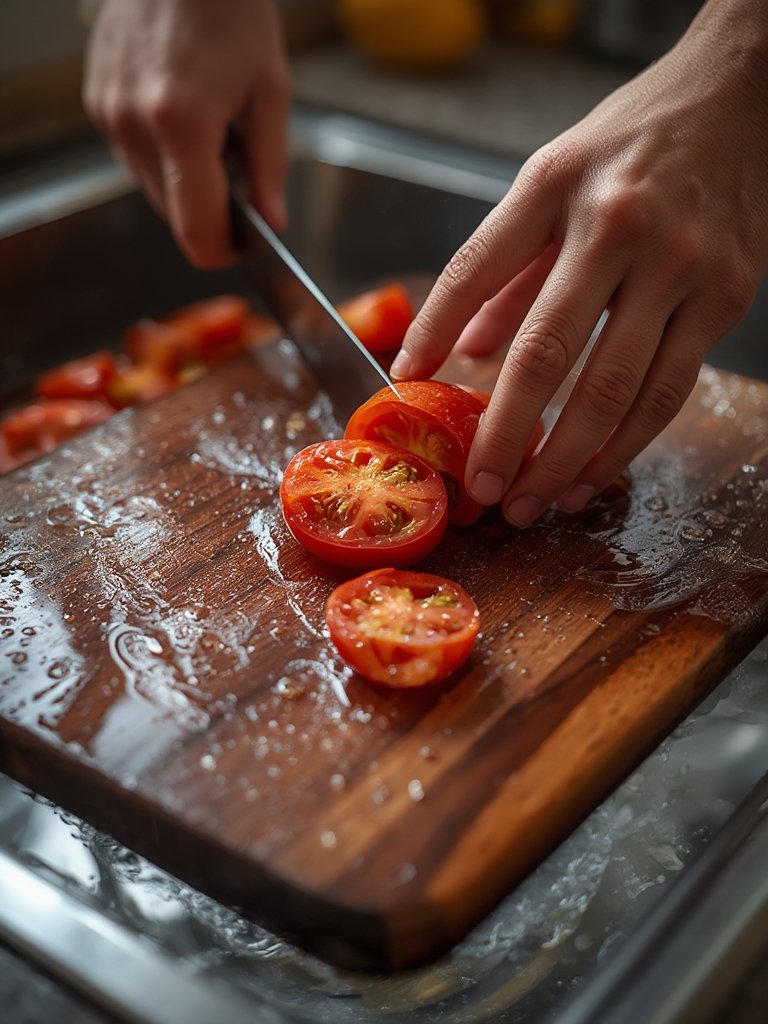
For more multifunctional-sink ideas, check out under sink organizer strategies to maximize every inch.
Don’t forget: if your kitchen is especially cramped, explore other apartment kitchen gadget recommendations designed for tight spaces.
3. Advanced Analysis & Common Pitfalls
Real-world reviews emphasize a handful of recurring problems that buyers often overlook. Here are the most common issues, along with an analysis of why they occur.
| Pitfall | Underlying Cause | How to Avoid |
|---|---|---|
| Board Rocks or Slips | Poor grip on slick sink rims, undersized/no rubber pads, flexy rails. | Add grippy pads or liners, choose boards with reinforced rails and better side-arm padding. |
| Doesn’t Fit Sink | Advertised measurements don’t match actual sink geometry. Double-basin or farmhouse sinks often problematic. | Measure carefully, research real reviews for your sink style. Look for fine adjustability. |
| Center Sagging or Weakness | Thin plastic/bamboo over wide sinks, especially with weighty food or full colanders. | Choose thicker or reinforced boards, avoid overloading, support underside if possible. |
| Hard to Clean and Dry | Food, water, and biofilm accumulate in rails, seams, and under the board when left above the sink. | Disassemble for cleaning, dry upright after washing, never store suspended over the sink. |
| Hygiene & Cross-contamination | Board sits near dirty dishes, drain splashes and wet surfaces, increasing bacterial risk. | Keep board separate from raw meat use or thoroughly sanitize; keep sink and board equally clean. |
| Surface Damage, Warping, Rust | Incorrect cleaning, leaving wood damp, subpar metal coatings, or dishwasher misuse. | Follow care instructions, never dishwasher wood, oil occasionally, inspect for sharp edges or rust. |
Another angle most guides miss is the true weight and load-bearing limits of these boards. Very few consumer boards are rated for heavy loads. Sagging is common if blasting down on a watermelon or setting a large pot of pasta to drain. If you expect to perform heavy-duty tasks, consider sticking with a sturdy countertop board. Curious if a gadget is really worth it? Review our analysis: Is a Vegetable Chopper Worth It?
Hygiene also deserves extra thought. Over the sink cutting boards place your prep surface right above where bacteria often lurk—in the drain, under the board, or in attached rails. Always sanitize and dry fully after use. For expert food-safety cleaning tips, check current FDA and USDA guidelines, and see this market research for background data:
Cutting Boards Market Report.
Compatibility problems are the number one complaint on retailer Q&A pages. Many users do not realize that farmhouse, double-basin, and even faucet design can all interfere with secure board placement. If you’re searching for more must-have tools, see our curated picks for must-have kitchen gadgets.

4. Conclusion
Over the sink cutting boards are a smart solution for small kitchens, but real-world satisfaction depends on matching your sink, understanding cleaning needs, and setting realistic expectations about stability and durability. Measure twice, read reviews, and always clean and dry thoroughly before storing. By following these simple rules, the over the sink cutting board can boost your prep space without adding hassle.
Ready to get more from your kitchen? Assess your sink, shop carefully, and optimize your routine—you’ll wonder how you managed without this simple upgrade.
5. FAQ
Will an over the sink cutting board work with my double-basin sink?
It depends on the dimensions. Measure across a single basin and across both plus the divider. Many boards labeled “universal” don’t handle dividers well, leading to a tilted or unstable surface. Always check user reviews for your specific sink type.
Is it safe to cut raw meat on an over the sink board?
You can, but it increases the risk of cross-contamination if the board is near dirty dishes or sponges. Use a dedicated cutting board for raw meat or sanitize thoroughly after use. When possible, make your over the sink board produce-only or for cooked foods.
How do I prevent my over the sink cutting board from slipping?
Use models with rubber or silicone feet, and consider placing a thin strip of non-slip liner under the board’s arms. If your sink or rails are steel-on-steel, adding removable grippy pads or even wide rubber bands helps increase friction and stop sliding.
Are bamboo over the sink boards dishwasher safe?
No. Most bamboo boards are hand-wash only. Dishwashers can warp, split, or crack the wood within a few washes. Oil the surface regularly and avoid letting it sit on a wet rim for long periods.
What if my board sags or feels weak in the center?
This is common with thin plastic or long bamboo boards, especially on wide sinks. Avoid overloading. Look for reinforced models or add temporary support (like an inverted bowl under the center) if needed for heavy-duty chopping.